Does a Humidifier Help With Allergies
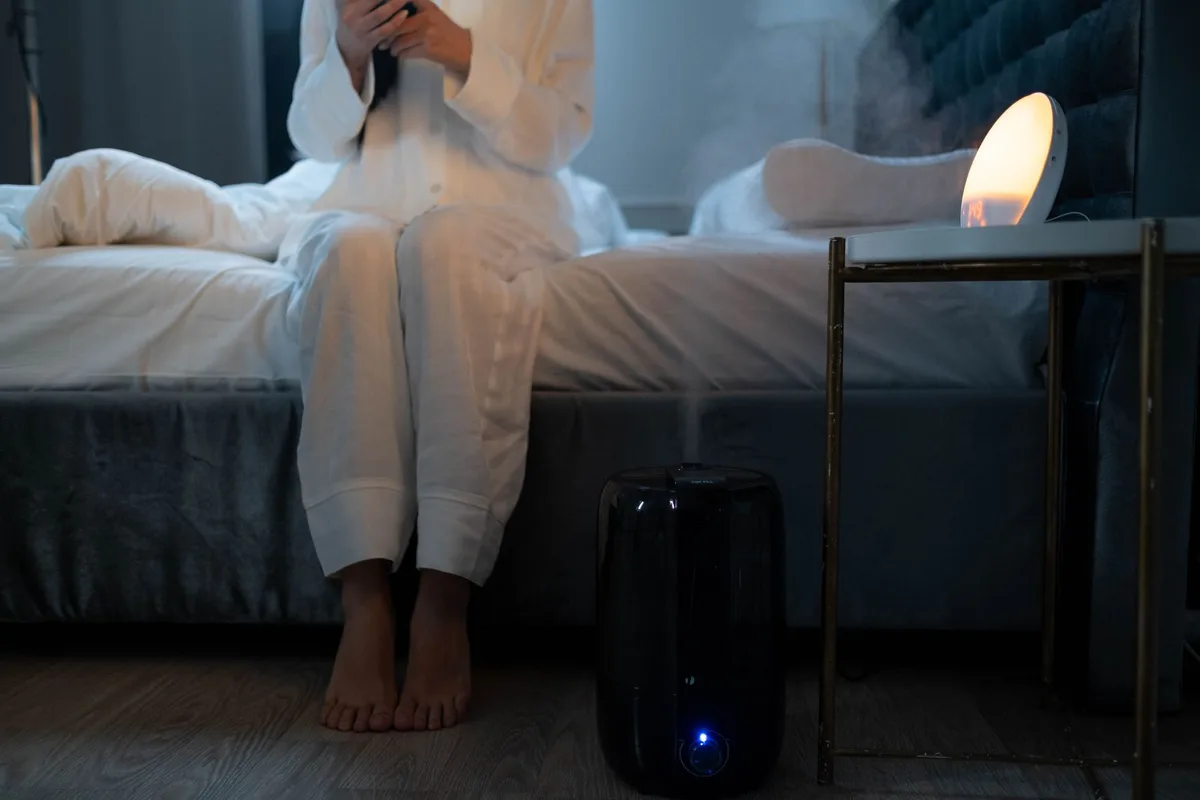
Does a humidifier help with allergies? The short answer is yes but only when you keep indoor humidity in a tight 30 to 50 percent window. Push past 50 percent and you feed the dust mites and mold that drive perennial allergic rhinitis.
Drop below 30 percent and dry air irritates nasal mucosa making symptoms worse. This guide walks you through the science the risks and the exact steps to use a humidifier safely.
The EPA and CDC both recommend maintaining relative humidity between 30 and 50 percent to minimize allergen growth. ASHRAE Standard 55 confirms this range for thermal comfort and health. We will show you how to measure it how to clean your unit and when to leave the humidifier off entirely.
Why Getting This Right Matters for Your Allergies
Wrong humidity levels turn a helpful device into an allergy accelerator. Dust mites thrive above 50 percent relative humidity. Mold spores germinate above 60 percent.
Both are top indoor triggers for allergic rhinitis and asthma. A dirty humidifier tank adds bacteria and mold fragments directly to the air you breathe. The result can be worse congestion more coughing and disrupted sleep.
Getting the settings and maintenance right protects your airways instead of irritating them.
Quick Answer
Yes a humidifier helps allergies when humidity stays between 30 and 50 percent. Cool mist models are safer for children. Daily rinsing and weekly disinfecting prevent mold inside the tank.
Use distilled water to avoid white mineral dust. Stop using the unit if room humidity exceeds 50 percent.
How Humidifiers Actually Affect Allergic Rhinitis
Dry air pulls moisture from nasal passages. This thickens mucus and slows ciliary clearance. Irritated mucosa becomes more sensitive to allergens.
A humidifier adds water vapor to the air. This rehydrates the nasal lining. Thinner mucus drains easier.
Cough reflex calms down. Sleep quality often improves. The benefit is real but it depends entirely on keeping humidity in the target range.
| Symptom | Dry Air Effect | Proper Humidity Effect |
|---|---|---|
| Nasal congestion | Thick mucus blocks passages | Mucus thins and drains |
| Night cough | Irritated throat triggers reflex | Airway soothed cough reduced |
| Nosebleeds | Cracked mucosa bleeds easily | Mucosa stays intact |
| Static shocks | Very low humidity | Reduced at 40 percent RH |
The Danger Zone: When Humidity Feeds Dust Mites and Mold
Dust mites absorb water from the air. They cannot survive below 50 percent relative humidity. At 60 percent their populations explode.
Mold works the same way. Spores land on damp surfaces. They grow when surface humidity exceeds 70 percent.
That happens easily when room air sits above 60 percent. A humidifier running unchecked in a closed bedroom can create these conditions overnight. The EPA warns that poorly maintained humidifiers disperse microorganisms that can cause humidifier fever or hypersensitivity pneumonitis.
Monitor humidity every day. Turn the unit off the moment your hygrometer reads 50 percent.
Cool-Mist vs. Warm-Mist: Safety, Minerals, and Allergy Impact
Cool-mist humidifiers use ultrasonic vibration or a wicking fan. They do not heat water. This eliminates burn risk.
Ultrasonic models can aerosolize minerals from tap water creating white dust. Evaporative wicking models trap minerals in the filter. Warm-mist units boil water.
Steam is mineral free. But the hot water and steam pose scald hazards. The American Academy of Pediatrics recommends cool-mist only for children’s rooms.
Energy use is higher for warm-mist. Both types relieve dry air symptoms equally when cleaned properly. Choose cool-mist evaporative for hard water areas.
Choose warm-mist only if you need mineral-free output and have no children or pets nearby.
| Feature | Cool-Mist Ultrasonic | Cool-Mist Evaporative | Warm-Mist Steam |
|---|---|---|---|
| Burn risk | None | None | High |
| White dust | Yes with tap water | No | No |
| Noise level | Very quiet | Fan noise | Boiling sound |
| Energy use | Low | Low | High |
| Best for | Soft water homes kids | Hard water homes | Adults wanting sterile mist |
Ultrasonic vs. Evaporative: White Dust, Noise, and Filter Reality
Ultrasonic humidifiers vibrate a metal diaphragm at high frequency. This creates a fine mist. Minerals in tap water become airborne particles.
You see white dust on furniture. Evaporative models pull air through a wet wick. Only water vapor leaves the unit.
Minerals stay trapped in the filter. Noise profiles differ. Ultrasonic units run near silent.
Evaporative units have a fan hum. Filter replacement adds recurring cost. A typical wick lasts one to three months.
Price ranges from eight to twenty dollars per pack. Ultrasonic units need a demineralization cartridge if you use tap water. Cartridges cost ten to fifteen dollars and last thirty to forty fills.
Distilled water eliminates white dust and cartridge expense. Choose ultrasonic for quiet bedrooms with distilled water. Choose evaporative for hard water homes that want zero dust without buying distilled jugs.
| Factor | Ultrasonic | Evaporative |
|---|---|---|
| White dust risk | High with tap water | None |
| Noise | 25 to 35 dB | 30 to 40 dB |
| Ongoing cost | Cartridge or distilled water | Wick filter every 1 to 3 months |
| Mineral handling | Aerosolized or trapped in cartridge | Trapped in wick |
| Best use case | Quiet rooms soft water | Hard water whole house |
The 30–50 % Rule: Monitoring RH With a Standalone Hygrometer
Built-in humidistats on portable units are often inaccurate. They sit next to the mist outlet. Readings run high.
A standalone digital hygrometer gives you the true room average. Place it three feet from the humidifier at breathing height. Target 40 to 45 percent for the sweet spot.
Dust mites stall at 50 percent. Mold risk climbs sharply above 60 percent. Check morning and evening.
Heating cycles drop humidity fast. Cooling cycles raise it. Adjust humidifier output daily.
If the hygrometer reads 50 percent turn the unit off. Do not guess.
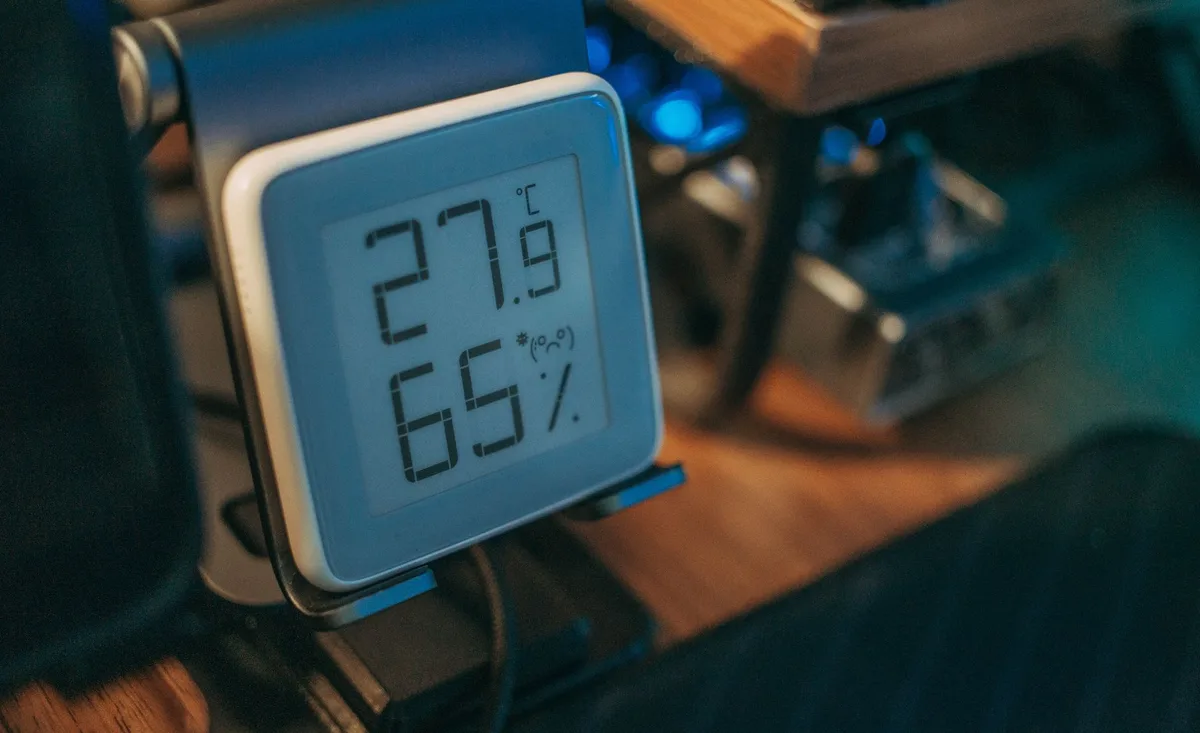
Calibrate your hygrometer once a year. Use the salt test. Seal a teaspoon of table salt with a few drops of water in a jar.
Add the hygrometer. Wait six hours. It should read 75 percent.
Adjust the offset if your model allows. Cheap analog dials drift badly. Spend fifteen to twenty dollars on a digital sensor with a probe.
Accuracy within two percent is worth it.
Daily and Weekly Cleaning Protocol That Prevents Biofilm
Biofilm forms in twenty four hours. It protects bacteria and mold from casual rinsing. Daily routine takes two minutes.
Empty the tank. Rinse with clean water. Wipe dry with a paper towel.
Refill with fresh distilled or filtered water. Weekly deep clean takes fifteen minutes. Unplug the unit.
Disassemble all water contact parts. Soak tank base and wick or transducer in undiluted white vinegar for twenty minutes. Scrub with a soft brush.
Rinse until vinegar smell is gone. For ultrasonic transducers use a cotton swab. Do not scrub the diaphragm.
Let everything air dry before reassembly. Replace wicking filters on schedule. A clogged filter breeds mold and cuts output.
Never run bleach through the humidifier. Residual chlorine irritates airways. Vinegar kills most household molds and bacteria.
Hydrogen peroxide three percent works too. Rinse thoroughly. End of season care matters.
Run the unit dry. Clean fully. Store empty with the tank lid off.
Prevents musty surprises next winter.
Water Choice: Distilled, Filtered, or Tap — What the Data Shows
Tap water varies by region. Hard water exceeds 180 ppm calcium carbonate. Ultrasonic units turn those minerals into fine white dust.
The dust settles on surfaces and enters lungs. Evaporative wicks trap minerals but clog faster. Filtered pitcher water reduces minerals by eighty to ninety percent.
Good enough for evaporative. Not enough for ultrasonic. Distilled water removes virtually all minerals.
Cost is one dollar per gallon. A two gallon tank running twelve hours daily uses one gallon every two days. Monthly distilled cost is fifteen dollars.
Cheaper than cartridge replacements. Cheaper than doctor visits for irritated airways. Use distilled in ultrasonic always.
Use filtered or distilled in evaporative if your water is hard. Tap water is fine for evaporative in soft water areas under 60 ppm.
When to Skip the Humidifier Entirely
Some situations make humidifiers net harmful. Humid climates where outdoor humidity stays above sixty percent. Adding moisture feeds mold and dust mites.
Poorly ventilated bathrooms or basements. Existing mold problems. Compromised immune systems where any airborne bacteria pose risk.
Children with asthma triggered by humidity swings. If your hygrometer reads fifty percent without a humidifier do not add one. Use a HEPA air purifier instead.
It removes allergens without changing humidity. Saline nasal rinses hydrate mucosa directly. No room humidity risk.
See an allergist if symptoms persist. They can test for specific triggers and prescribe targeted treatment.
Whole-House vs. Portable: Control, Cost, and Maintenance Load
Whole-house humidifiers mount on the furnace supply plenum. They treat all conditioned air. A typical flow-through unit evaporates twelve to eighteen gallons per day.
Installation requires a licensed HVAC tech. Parts and labor run four hundred to nine hundred dollars. Annual maintenance includes a new evaporative panel and a solenoid valve check.
Portable units cover one room. Output ranges from one to three gallons per day. Purchase price is thirty to one hundred fifty dollars.
Maintenance is DIY. You control humidity per room. Whole-house systems lack zoning unless you install multiple units with dedicated controls.
For allergy sufferers the bedroom is the critical zone. A portable unit in the bedroom often delivers better targeted relief than a whole-house system set to a compromise level.
| Factor | Whole-House | Portable Bedroom |
|---|---|---|
| Install cost | $400–$900 pro | $0 DIY |
| Daily output | 12–18 gal | 1–3 gal |
| Zone control | Whole home single setpoint | Room by room |
| Maintenance | Annual panel swap pro | Weekly clean DIY |
| Best for | New build or major remodel | Existing homes renters |
Complementary Moves: Encasings, HEPA, and Nasal Rinses
Humidity control is one pillar. Allergen removal is the other. Dust mite encasings on mattress box spring and pillows block the primary exposure route.
Look for zippered covers with a pore size under ten microns. HEPA air purifiers in the bedroom capture airborne dander pollen and mold spores. Choose a unit rated for the room square footage.
Run it on low overnight. Saline nasal rinses flush allergens from the nasal lining. Use distilled or boiled then cooled water.
Pre-measured packets ensure correct osmolarity. Rinse once or twice daily during peak season. These three steps combined with proper humidity often reduce medication needs.
Consult your allergist for a personalized plan.
Safety Standards, Certifications, and What to Ignore
Look for UL 998 listing on the humidifier. It covers electrical and fire safety. AHAM Verified mark means the output rating matches independent lab testing.
ASTM D6677 is the test method for humidifier performance. EPA does not certify humidifiers but publishes care guidelines. Ignore marketing terms like “antimicrobial plastic” or “germ free mist” unless backed by EPA registered pesticide claims.
Essential oil trays are not a safety feature. They encourage oil residue that damages plastics and irritates airways. Automatic shutoff on empty tank is a must.
Tip-over protection matters for floor models. Cord length should reach the outlet without an extension cord. Register the product for recall notices.
Frequently Asked Questions
Can a humidifier make allergies worse?
Yes if humidity exceeds fifty percent or the tank is dirty. High humidity grows dust mites and mold. A dirty tank aerosolizes bacteria.
What humidity level is best for allergic rhinitis?
Forty to forty-five percent relative humidity. This soothes airways without feeding allergens.
Is tap water okay in my humidifier?
Only in evaporative models with soft water. Ultrasonic units need distilled water to avoid white dust.
How often should I replace the wick filter?
Every one to three months depending on water hardness and run time. A clogged filter cuts output and harbors mold.
Can I use essential oils in a humidifier?
No. Oils degrade plastic seals and irritate lungs. Use a dedicated diffuser if you want aromatherapy.
When should I see a doctor instead of using a humidifier?
If congestion persists beyond two weeks with proper humidity and cleaning. If you have wheezing fever or sinus pain.
Decision Guide: Match Your Situation to the Right Approach
Start with a standalone hygrometer. Measure bedroom humidity for three nights without a humidifier. If it stays thirty to fifty percent you likely do not need one.
If it drops below thirty percent add a cool-mist evaporative unit. Use distilled water if your tap water is hard. Clean daily and deep clean weekly.
Recheck humidity each morning. If symptoms improve after two weeks continue. If they worsen stop and see an allergist.
For whole-house dry air in a cold climate a furnace mount unit makes sense. For renters or single room focus portable is faster cheaper and more precise. Pair either with encasings HEPA filtration and saline rinses for the best allergy control.


Similar Posts