How To Drain a Dehumidifier
Why Proper Drainage Matters
A dehumidifier pulls moisture from the air and stores it as water. If that water isn’t removed, the unit shuts down, mold can grow inside the bucket, and the machine works harder than necessary. Consistent drainage keeps humidity levels steady, protects the compressor, and extends the life of the appliance.
The EPA recommends keeping indoor relative humidity between 30 % and 50 % to discourage mold and dust mites【https://www.epa.gov/indoor-air-quality-iaq】.
Manual Bucket Emptying

Most portable units ship with a removable collection bucket. Follow these steps each time the bucket fills:
- Turn off the unit, Press the power button and unplug the cord.
- Locate the bucket, It usually slides out from the front or side.
- Remove the bucket, Grip the handle, pull straight out, and set it on a stable surface.
- Dump the water, Pour into a sink, floor drain, or outdoor area. Avoid pouring on plants; the water is clean but may contain trace minerals.
- Rinse if needed, A quick rinse with warm water prevents slime buildup.
- Replace the bucket, Slide it back until it clicks. The unit will not restart until the bucket seats correctly.
- Power on, Plug in and press start.
Tip: Set a phone reminder for every 8, 12 hours in high‑humidity seasons. That prevents overflow and keeps the cycle running smoothly.
Continuous Gravity Drainage Setup

Gravity drainage eliminates the bucket entirely. You need a floor drain, laundry sink, or a low‑lying outlet that sits below the dehumidifier’s discharge port.
Choose the Right Hose
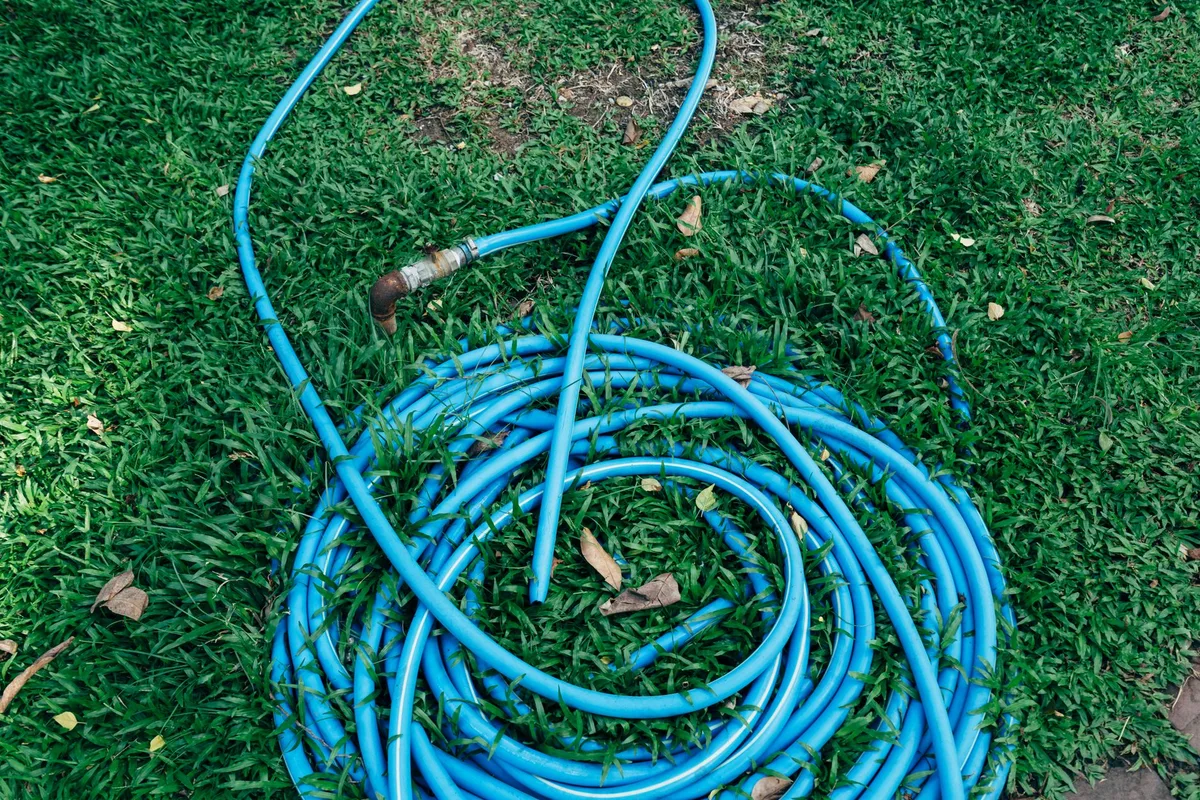
- Diameter, ½‑inch inner diameter works for most residential models.
- Length, Keep it under 25 feet; longer runs reduce flow.
- Material, Food‑grade PVC or reinforced vinyl resists kinks and algae.
Installation Steps
- Shut down and unplug the dehumidifier.
- Remove the bucket and locate the drain port (usually a threaded nipple).
- Attach the hose, Screw a barbed fitting onto the port, then push the hose over the barb. Secure with a hose clamp.
- Route the hose, Run it downward without sharp bends. Use zip ties to keep it tidy.
- Terminate at the drain, Place the hose end into a floor drain or sink. Ensure the outlet stays below the unit’s discharge height.
- Test, Plug in, turn on, and watch for steady flow. Adjust hose slope if water pools.
Common Pitfalls
- Air locks, A high spot in the hose traps air. Keep the line continuously sloping down.
- Clogs, Algae can form in stagnant sections. Flush with a vinegar solution monthly.
- Backflow, If the drain backs up, water can re‑enter the unit. Install a simple check valve if the drain is shared.
Using a Condensate Pump
When a floor drain isn’t available or the unit sits above the discharge point, a condensate pump moves water upward to a sink or laundry standpipe.
Selecting a Pump
- Flow rate, Match or exceed the dehumidifier’s max pints per day (e.g., 30 pints/day ≈ 0.5 GPM).
- Head height, Choose a pump rated for the vertical lift you need (often 10, 20 feet).
- Power source, Most plug into a standard 120 V outlet; some have battery backup.
Hook‑Up Procedure
- Place the pump on a level surface near the dehumidifier.
- Connect the dehumidifier’s drain hose to the pump inlet using a barbed fitting and clamp.
- Run the pump’s discharge hose to the desired drain point. Keep the line as straight as possible.
- Plug in the pump, Many models have an automatic float switch; they start only when water reaches the trigger level.
- Test the cycle, Run the dehumidifier until the pump activates. Verify water exits the discharge hose without leakage.
Maintenance
- Clean the pump’s inlet screen every 3 months.
- Inspect the float for free movement.
- Replace the pump’s check valve if you hear gurgling or see reduced flow.
Routine Maintenance & Cleaning
Regular upkeep keeps drainage paths clear and the unit efficient.
| Task | Frequency | How‑To |
|---|---|---|
| Empty/flush bucket | Every fill | Rinse with warm water; wipe dry. |
| Inspect hose & fittings | Monthly | Look for cracks, kinks, or mineral buildup. |
| Clean air filter | Every 2 weeks | Vacuum or wash with mild soap; dry fully. |
| Descale internal coil | Annually | Run a 50/50 vinegar‑water solution through the drain port, then flush with clean water. |
| Check pump (if used) | Quarterly | Clean screen, test float, verify check valve. |
A clean filter reduces the load on the compressor, which in turn lowers the amount of condensate produced. Less water means fewer drainage hassles.
Troubleshooting Common Drain Problems
| Symptom | Likely Cause | Quick Fix |
|---|---|---|
| Unit shuts off, bucket full light on | Bucket not seated or overflow sensor dirty | Re‑seat bucket; wipe sensor with a soft cloth. |
| Water leaks from hose connection | Loose clamp or cracked hose | Tighten clamp; replace hose if damaged. |
| No flow in gravity line | Air lock or uphill section | Re‑route hose to maintain constant downward slope. |
| Pump runs but no water exits | Clogged inlet screen or failed check valve | Clean screen; replace check valve. |
| Gurgling sound in drain line | Partial blockage or backflow | Flush line with hot water; install a check valve. |
If the problem persists after these steps, consult the manufacturer’s service manual or contact a certified HVAC technician.
FAQ
How often should I empty the bucket?
In 60 % RH conditions a 70‑pint unit fills roughly every 8, 10 hours. Adjust based on your humidity level.
Can I run the dehumidifier continuously with a gravity drain?
Yes, as long as the drain line stays clear and the outlet remains lower than the discharge port.
Do I need a pump for a basement unit?
Only if the nearest drain sits above the dehumidifier’s discharge height. Otherwise gravity works fine.
Is the condensate safe for plants?
It’s essentially distilled water, but trace metals from the coil can accumulate. Use it on non‑edible plants or discard.
What hose size do I need?
½‑inch ID fits most residential ports. Check the owner’s manual for the exact specification.
Final Tips
- Keep the hose short and straight.
- Schedule a monthly visual check of all connections.
- Use a vinegar flush annually to prevent mineral buildup.
- Follow the Energy Star guide for optimal humidity settings.
Proper drainage turns a dehumidifier from a occasional chore into a set‑and‑forget climate tool. Set it up once, maintain it regularly, and you’ll enjoy drier air without the hassle.


Similar Posts