What is High Pile Carpet
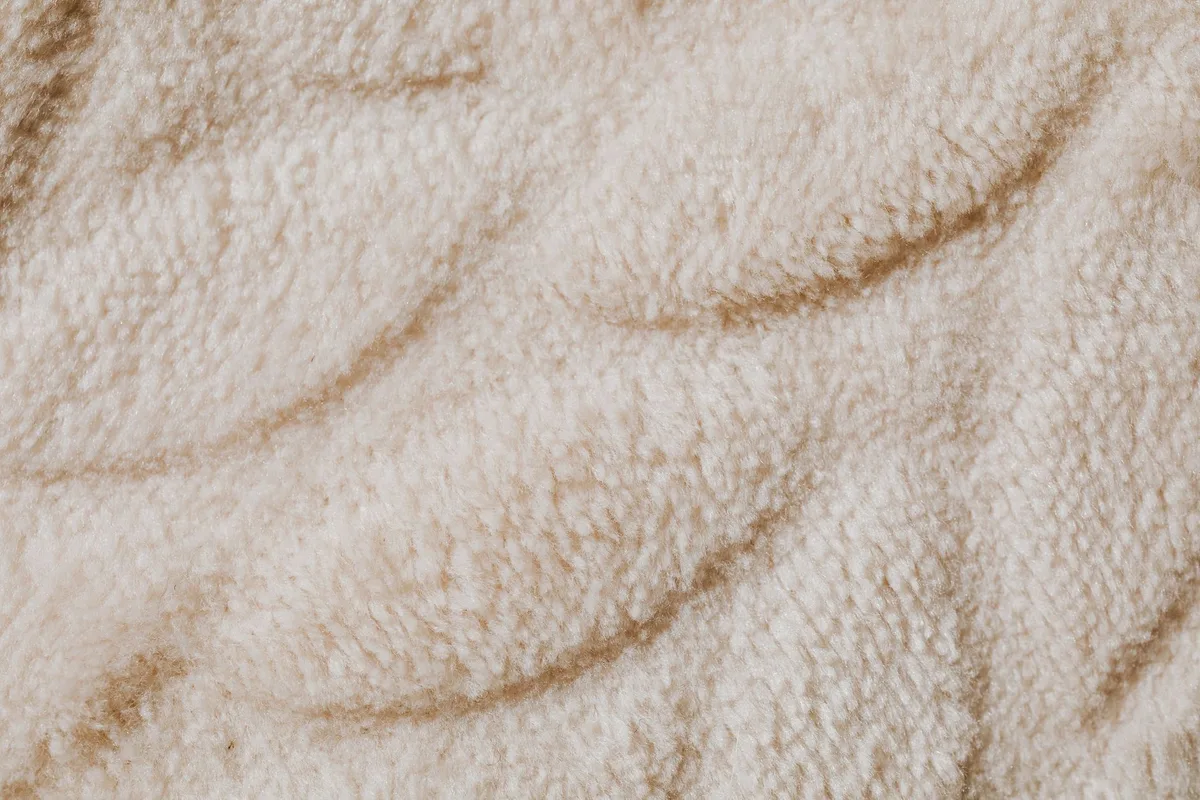
Image source: Pexels / www.kaboompics.com (Pexels License)
Introduction
Walk into any carpet showroom and you’ll notice something fast. Some carpets feel almost like velvet under your fingers. Others look shaggy, deep, and inviting.
That difference? It’s all about pile height.
High pile carpet is exactly what it sounds like. It’s carpet with longer, taller fibers. Think of it as the difference between a crew cut and long, flowing hair.
The fibers stand taller off the backing. They create a plusher, softer surface underfoot.
I’ve worked with flooring for over a decade. And I’ve seen homeowners make expensive mistakes because they didn’t understand pile height. They bought a carpet that looked gorgeous in the showroom but matted down within six months.
Or they chose something too thin for a bedroom and regretted it.
This article covers everything about high pile carpet. What it is. Where it works best.
The pros and cons you need to know. And how to tell if it’s right for your home.
Let’s dive in.
What Is High Pile Carpet?
High pile carpet refers to any carpet where the individual fibers (the “pile”) stand relatively tall above the backing material. There’s no single industry standard that defines “high” versus “low.” But generally, anything over half an inch of pile height falls into the high pile category.

Image source: Pexels / Tara Winstead (Pexels License)
The fibers in high pile carpet are cut longer during manufacturing. They’re left loose and upright rather than being tightly packed or twisted short. This creates a distinct texture that feels thick and cushiony when you walk across it.
High pile carpets include popular styles like:
- Shag carpet, the classic long-fiber look from the 1970s, now updated with modern materials
- Frieze carpet, tightly twisted fibers that curl and kink, creating a textured, casual look
- Saxony carpet, straight fibers cut at uniform height, giving a smooth, plush surface
- Textured plush, a variation where fibers are cut at slightly different heights for a more casual appearance
The key thing to understand is that pile height directly affects performance. Taller fibers feel softer. But they also face more wear and tear.
They trap more dirt. They mat down in high-traffic areas.
That’s not a dealbreaker. It just means you need to choose wisely based on where you’re installing it.
How Pile Height Is Measured
Carpet manufacturers measure pile height from the backing to the tip of the fibers. They use standard units like inches or millimeters. You’ll see this measurement listed on carpet samples and product specs.
Here’s a quick reference for typical ranges:
| Pile Type | Height Range | Common Styles |
|---|---|---|
| Low pile | Under 1/4 inch | Berber, commercial carpet |
| Medium pile | 1/4 to 1/2 inch | Textured loop, cut pile |
| High pile | 1/2 inch to 1+ inches | Shag, frieze, saxony |
But there’s a catch. Pile height doesn’t tell you everything. Two carpets can have the same height but feel completely different.
That’s because density matters just as much.
Density refers to how tightly the fibers are packed together. A dense high pile carpet feels firm and supportive. A loose high pile carpet feels spongy and wears out fast.
When you’re shopping, press your hand into the sample. If you feel the backing too easily, that carpet will likely mat down within a year.
I always tell clients: don’t get seduced by height alone. Look for high pile with high density. That’s where the real value lives.
Materials Used in High Pile Carpet
High pile carpets come in several different materials. Each one affects the feel, durability, and cost.
Nylon
Nylon is the workhorse of the carpet world. It resists wear exceptionally well. It bounces back after furniture compresses it.
And it handles stains better than most synthetics.
High pile nylon carpets are common in both residential and some commercial settings. They offer a soft feel with solid performance. Expect to pay more for premium nylon.
But the durability often justifies the price.
Polyester
Polyester gives you a luxurious hand feel. It’s incredibly soft and comes in vibrant colors. The stain resistance is excellent because polyester fibers don’t absorb moisture readily.
The downside? Polyester matts down faster than nylon. In a high pile construction, this gets amplified.
A high pile polyester carpet in a busy hallway will look tired within a couple years. In a low-traffic bedroom, it can stay beautiful for a decade.
Olefin (Polypropylene)
Olefin is the budget-friendly option. It resists moisture and fading very well. That makes it popular for basements, sunrooms, and outdoor carpet.
But olefin has poor resilience. It crushes easily under weight. High pile olefin carpets look great in the showroom but disappoint in real use.
I’d only recommend it for areas with very light foot traffic.
Wool
Wool is the gold standard. It’s natural, renewable, and incredibly durable. Wool fibers have a natural crimp that gives them excellent resilience.
They bounce back from compression better than any synthetic.
High pile wool carpets are stunning. They feel rich and warm. They also regulate humidity naturally, which makes them comfortable year-round.
The catch? Price. Wool costs significantly more than synthetics.
It’s also more sensitive to moisture and can develop odors if it gets wet repeatedly. But for a high-end bedroom or living room, nothing beats it.
Pros and Cons of High Pile Carpet

Image source: Wikimedia Commons / Steve Shook from Moscow, Idaho, USA (CC BY)
Every flooring choice involves trade-offs. High pile carpet is no exception. Let’s break down the real advantages and disadvantages.
Advantages
Exceptional comfort underfoot. This is the main reason people choose high pile carpet. Walking barefoot on deep, plush fibers feels noticeably better than thin, hard surfaces.
Superior warmth and insulation. Tall fibers trap more air. That creates a thermal barrier between you and the subfloor. Rooms with high pile carpet feel warmer in winter.
They also retain heat longer.
Great noise absorption. High pile fibers dampen sound effectively. Footsteps get muffled. Room echoes fade.
If you live in a multi-story home, high pile carpet on upper floors reduces noise transfer downstairs.
Luxurious appearance. Let’s be honest. High pile carpet looks expensive and inviting. It adds visual softness to a room that hard flooring can’t match.
Comfort for sitting and playing. Kids and pets prefer soft surfaces. So do adults who like sitting on the floor. High pile carpet provides natural cushioning without needing extra pads or rugs.
Disadvantages
Shows footprints and vacuum marks. The fibers hold impressions easily. You’ll see every vacuum line and every footprint. Some people love this look.
Others find it annoying.
Harder to clean. Dirt and dust settle deep into tall fibers. Regular vacuuming takes more passes. Spills can wick deep into the carpet, making stains harder to remove.
Matts and flattens in traffic lanes. This is the biggest issue. High pile carpet in hallways, entryways, or other high-traffic zones will show wear faster. The fibers eventually crush and lose their bounce.
Difficult to move furniture across. Heavy furniture drags across tall fibers differently. You might need to lift pieces instead of sliding them. Roller chairs are a nightmare on high pile.
Not ideal for allergy sufferers. Deep fibers trap dust, dander, and pollen. Regular deep cleaning helps. But high pile carpet holds more allergens than low pile alternatives.
Higher initial cost. Premium high pile carpets cost more than basic low pile options. Installation can also be pricier because the material requires more care.
Where Should You Install High Pile Carpet?
Location matters enormously. I’ve seen gorgeous high pile bedrooms that stayed perfect for years. I’ve also seen high pile entryways that looked terrible after six months.
The difference was placement.
Best Locations
Bedrooms. This is the number one spot for high pile carpet. Bedrooms get moderate foot traffic. You want a soft, warm surface when you step out of bed.
High pile delivers perfectly here.
Home offices (non-rolling chair areas). If you don’t use a rolling desk chair, high pile carpet adds comfort and quiet to a home office. Just put a protective mat under any stationary chair.
Formal living rooms. Rooms that see occasional use but not daily heavy traffic work great. Think of spaces used for holidays and entertaining rather than everyday lounging.
Media rooms. Sound absorption makes high pile carpet ideal for home theaters. Combined with acoustic panels, it creates a noticeably better audio environment.
Children’s playrooms (with caveats). The soft surface is great for kids who fall during play. But you’ll need to clean it thoroughly and frequently. Pick a stain-resistant fiber like solution-dyed polyester.
Avoid These Locations
Entryways and hallways. These areas concentrate foot traffic. Shoes bring in dirt and moisture. High pile carpet will look worn within a year.
Kitchens and dining rooms. Spills happen constantly. Food stains in deep fibers are a nightmare. Even with stain-resistant treatments, you’ll struggle to keep it clean.
Bathrooms. Moisture is the enemy of carpet. High pile fibers hold dampness longer, which promotes mold and mildew growth. Stick to low pile options or tile in bathrooms.
Staircases. High pile carpet on stairs creates a tripping hazard. The deep fibers can catch toes. It also wears unevenly on stair treads.
Low pile or medium pile is safer and more practical for stairs.
High-traffic commercial spaces. Offices, retail stores, and public buildings should avoid high pile carpet. It won’t survive the traffic levels. Low pile commercial carpet with dense construction is the right choice there.
Maintenance Tips for High Pile Carpet
Owning high pile carpet requires a maintenance commitment. You can’t neglect it and expect it to stay beautiful. Here’s what works.
Vacuuming Strategy
Vacuum high pile carpet at least twice per week. Use a vacuum with adjustable height settings. Set it to the highest position so the beater bar doesn’t beat the fibers flat.
Don’t rush. Make slow passes in multiple directions. One pass picks up surface debris.
A second pass in the opposite direction lifts deeper dirt.
Consider a vacuum with a brush roll shutoff for the gentlest cleaning. Or use a suction-only canister vacuum on delicate high pile carpets.
Deep Cleaning
Plan to deep clean high pile carpet every 12 to 18 months. Steam cleaning works well for synthetic fibers. Dry cleaning methods (like encapsulation) work better for wool.
Always test cleaning solutions on an inconspicuous area first. Some wool carpets react badly to alkaline cleaners.
Spot Cleaning Spills
Blot spills immediately. Don’t rub or scrub, that pushes the liquid deeper into the fibers. Use a clean white cloth and work from the outside of the spill inward.
For stubborn stains, apply a carpet spot cleaner and let it sit for a few minutes before blotting again. Rinse with plain water afterward to remove residue.
Professional Maintenance
Hire a professional carpet cleaner who has experience with high pile carpets. They have equipment designed to extract water effectively from deep fibers. Inadequate extraction leaves moisture trapped in the backing, which leads to mold growth.
According to the Carpet and Rug Institute, proper cleaning extends carpet life significantly. Check their official site for certified cleaning professionals in your area.
High Pile vs. Low Pile: Which Is Better?
This isn’t a one-size-fits-all answer. The right choice depends on your specific needs.
Choose High Pile When:
- Comfort is your top priority
- The room has light to moderate traffic
- You want maximum sound absorption
- You don’t mind seeing footprints and vacuum lines
- You’re willing to maintain it regularly
Choose Low Pile When:
- Durability matters most
- The area sees heavy daily traffic
- You have allergies or asthma
- You want easier cleaning
- You’re installing in a kitchen, bathroom, or entryway
- You need to move rolling chairs or furniture frequently
Medium pile carpets offer a middle ground. They provide decent comfort with better durability than high pile. For many homes, medium pile is the practical sweet spot.
Common Questions About High Pile Carpet
Does high pile carpet shed?
Some shedding is normal, especially with new wool or cut-pile synthetic carpets. The loose fibers from manufacturing work their way out over the first few months. Regular vacuuming removes them.
Excessive shedding that continues beyond six months might indicate a quality issue.
Is high pile carpet outdated?
Not at all. While the extreme shag carpets of the 1970s fell out of fashion, modern high pile styles are popular again. Today’s versions use better fibers and more refined textures.
They look current, not retro.
Can you install high pile carpet over radiant heating?
Yes, but with caution. High pile fibers insulate more effectively, which reduces heat transfer. Check with the flooring manufacturer for their recommended maximum insulation value (R-value).
Most radiant heating systems work best with low to medium pile carpets.
Does high pile carpet cost more to install?
Installation costs can be slightly higher. High pile carpet is heavier and less rigid. It takes more care to stretch properly without wrinkling.
Professional installers may charge a premium for difficult materials or complex room layouts.
Making the Right Choice
High pile carpet offers undeniable luxury. The softness underfoot, the warmth, the acoustic benefits, these are real advantages that make a home feel more comfortable.
But it’s not for every room. Be honest about your home’s traffic patterns. Consider your willingness to maintain deep fibers.
And always look at density alongside pile height.
If you’re installing in a low-traffic bedroom or a formal living room, go ahead and enjoy that plush feel. If you need something for a busy hallway or a family room with kids and pets, lean toward medium or low pile instead.
The best carpet choice is the one that fits your actual lifestyle, not just the one that looks prettiest in the showroom.
Ready to explore your options? Start by measuring your rooms and considering your traffic patterns. Then visit a local flooring dealer with samples you can touch and test.
Your feet will thank you.*


Similar Posts