How Do Laundry Bags Work

Let’s be honest: laundry bags look deceptively simple. A mesh pouch with a zipper or drawstring. You toss a few delicate items inside, zip it up, and throw it in the machine.
Done, right? Well, yes, but there’s more going on inside that bag than meets the eye. If you’ve ever pulled a sweater out of the wash with a snag, or found your bra hooks tangled with a sock, you know the pain laundry bags are designed to prevent.
In this article, I’ll break down exactly how laundry bags work, why they work, and how to get the most out of them. No fluff, no tangents, just the mechanics and best practices for one of the most underrated tools in your laundry arsenal.
The Basic Principle: Controlled Friction and Separation
At its core, a laundry bag does one critical thing: it creates a physical barrier between your delicate garments and the rest of the load. In a washing machine, clothes get tossed, rubbed, stretched, and twisted. That’s fine for sturdy jeans or cotton tees, but for lace, silk, mesh, or anything with straps and hooks, the friction can cause permanent damage.
A laundry bag contains the item in a confined space where it can still tumble and get cleaned, but it can’t get tangled with other items or snagged on zippers, buttons, or rough fabric edges. The bag itself is usually made of a fine mesh, either polyester or nylon, that lets water and detergent flow through freely while keeping fibers and hardware inside.
Think of it like a protective bubble. The bag absorbs some of the mechanical force from the agitator or drum, reduces the range of motion of the item inside, and prevents the item from rubbing directly against rougher fabrics in the load. That’s how a single mesh bag can extend the life of a bra, a pair of tights, or a cashmere sweater by months.
How Mesh Material and Hole Size Affect Performance
Not all laundry bags are created equal. The most important variable is the mesh size, that is, the size of the holes in the fabric.
- Fine mesh (very small holes, like 0.5 mm or less): Best for delicates like silk blouses, pantyhose, and lace underwear. The tiny holes prevent threads from poking through and getting snagged. Fine mesh also reduces water flow slightly, which can be good for very fragile items.
- Medium mesh (holes about 1, 2 mm): The all-rounder. Great for bras, sweaters, and most synthetic delicates. Allows enough water and detergent to circulate for a thorough clean while still protecting against tangling.
- Large mesh (holes 3, 5 mm or more): Useful for bulkier items like sneakers or stuffed toys, but not for anything with loose threads or delicate fabric. Large mesh lets a lot of water through, so items inside get almost as much agitation as items outside, meaning less protection.
The material of the bag matters too. Polyester mesh is lightweight, dries fast, and resists chemicals. Nylon is stronger and more abrasion-resistant, but can degrade faster under high heat.
I always recommend polyester mesh for the best balance of durability and performance.
Types of Laundry Bags and When to Use Each
Mesh Laundry Bags (Standard Delicates Bags)
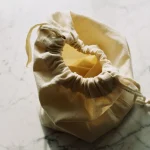
These are the most common. They come in various sizes, small (for bras and underwear), medium (for sweaters and tops), and large (for jeans or bed sheets if you’re trying to prevent tangling). They usually have a zipper or a drawstring closure.
How they work: The mesh allows water and detergent to pass through, so the items inside get cleaned at the same rate as the rest of the load. The bag prevents them from twisting around other garments. The zipper or drawstring keeps everything secure so no item escapes.
Garment Bags (Long, Slim Bags for Shirts and Dresses)
These are essentially long, narrow mesh bags designed to hold a single shirt, blouse, or dress without folding it. They help preserve the shape of the fabric and reduce wrinkles. Many come with a hanging hook so you can put them directly in the machine and then hang them to dry without removing the bag.
How they work: By keeping the garment flat and extended, they prevent creasing and reduce the stress on seams during the spin cycle. They also keep buttons and collars from snagging on other clothing.
Silk and Lingerie Bags (Ultra-Fine Mesh or Soft Fabric)
These use an even tighter weave, often a nylon or silk-like material with holes so small you can barely see them. They are specifically designed for the most delicate items: silk scarves, lace bras, camisoles, and hosiery.
How they work: Because the holes are so tiny, they minimize water flow and reduce the mechanical action on the fabric. They also prevent thin straps and fine threads from poking through. Some have a soft inner lining to further reduce friction.
Bra Bags (Shaped or With a Central Panel)
Bra bags are a specialized sub-type. They’re typically round or oval and have a padded or rigid divider in the middle. The idea is to keep each cup in its own compartment so the underwires don’t bend out of shape and the hooks don’t catch on other bras.
How they work: The central divider prevents the cups from rubbing together. The mesh holds the bra in a “closed” position (or with the straps tucked inside), keeping everything aligned so the underwires stay flat during the spin cycle.
How the Washing Machine Interacts With the Bag
A laundry bag doesn’t stop the machine’s action, it just redirects it. During the wash cycle, the bag gets tossed around with the rest of the load. Inside, the garments tumble in a smaller space.
This reduces the distance they travel and the speed at which they collide with other items.
Water and detergent flow through the mesh and reach the fabric. Soap and dirt are carried away through the holes. The spin cycle is where laundry bags really shine: the high-speed rotation can create intense centrifugal force that flattens delicate items against the drum.
The bag acts as a cushion, spreading the force over a larger area and preventing creases from setting into the fabric.
If you load the bag correctly, not too full, not too empty, the items inside stay suspended in the water and detergent mixture for the entire cycle, which means they get just as clean as everything else. Overstuffing the bag compresses the items, reduces water flow, and can lead to uneven cleaning.
Common Mistakes That Sabotage a Laundry Bag
Even the best bag won’t work if you use it wrong. Here are the biggest mistakes I see:
- Overfilling the bag. The bag should be no more than half to two-thirds full. If you cram it, the items inside can’t move freely, soap can’t circulate, and the bag itself can burst at the seams.
- Using the wrong mesh size. Putting a silk blouse in a large-mesh bag is asking for snags. The holes are too big, and threads can slip through and catch on zippers outside the bag. Always match the bag’s mesh fineness to the item’s fragility.
- Leaving zippers open or drawstrings loose. An open zipper lets items escape, and a loose drawstring can get tangled around other clothes. Always zip or tie the bag securely before adding it to the load.
- Washing bras with hooks exposed. Even inside a bra bag, hooks can catch on the mesh or on other items if not fastened. Always close the hooks and turn the cups inside the bag so the hooks face inward.
- Putting the bag in the dryer. Most laundry bags are not heat-resistant. High heat can melt the mesh, shrink the bag, or cause the zipper to warp. Always remove items from the bag before drying, or dry the bag itself on a low or no-heat setting.
How to Care for Your Laundry Bags
Your laundry bags need cleaning too. They collect lint, detergent residue, and bacteria just like any other fabric. A dirty bag can transfer odors or dirt onto your delicates.
I recommend washing your laundry bags every few weeks, or more often if you use them for heavily soiled items. Simply turn the bag inside out, zip it closed, and toss it in the machine on a warm or cold cycle with mild detergent. Avoid bleach, which can weaken the mesh.
Let the bag air-dry completely before storing. Moisture trapped inside can cause mold or mildew. Most mesh bags are machine-washable and dry quickly, so this isn’t a big chore.
The lifespan of a typical polyester mesh bag is about 50 to 100 washes. Signs that it’s time to replace it: frayed edges, stretched-out mesh, broken zippers, or holes larger than the original mesh size. A damaged bag offers less protection and can even damage your clothes.
When You Should—and Shouldn’t—Use a Laundry Bag
You knew this was coming: not every garment needs a bag. Here’s my cheat sheet.
Use a laundry bag for:
- Bras (underwire and wireless)
- Delicate underwear (lace, silk, mesh)
- Hosiery and tights
- Cashmere, wool, and merino sweaters (to prevent pilling)
- Silk blouses, scarves, and ties
- Swimsuits (to prevent snags from Velcro or rough towels)
- Baby clothes (small items get lost)
- Any garment with hooks, zippers, or buttons that could catch on other clothes
Don’t bother with a laundry bag for:
- Sturdy cotton T‑shirts, jeans, or towels (they don’t need protection)
- Heavily soiled items (the bag reduces water flow and can trap dirt)
- Items that need strong agitation (like sports gear or stain-treated clothes)
- Very large or bulky items (they won’t fit and will just bunch up)
FAQ: Laundry Bag Questions Answered
Q: Do laundry bags protect against color bleeding?
A: No. Laundry bags provide mechanical protection only. They do not prevent dyes from migrating between fabrics.
For color protection, use cold water and color-catcher sheets.
Q: Can I put two bras in one bag?
A: Yes, but only if the bag is large enough. Each bra should have room to move without rubbing against the other. Overcrowding reduces cleaning and increases wear.
Q: Are mesh laundry bags safe for dry cleaning?
A: Some dry cleaners use mesh bags for delicate items, but always check with your cleaner. Home dry-cleaning kits often include mesh bags for use in the dryer.
Q: Should I zip the laundry bag before putting it in the machine?
A: Absolutely. An unzipped bag can open during the cycle, letting items escape. Always double‑check the closure.
Q: Can I wash delicate items without a bag if I use a gentle cycle?
A: You can, but you’re taking a risk. The gentle cycle reduces agitation but does not prevent tangling or snagging. A bag adds a layer of security that a cycle alone can’t provide.
The Bottom Line
Laundry bags work by containing and cushioning your most fragile garments during the washing machine’s mechanical action. They reduce friction, prevent tangles, and preserve the shape of items like bras and sweaters. Choosing the right mesh size, not overstuffing the bag, and caring for the bag itself, that’s the secret to making them last.
If you’ve never used a laundry bag, start with a small mesh bag for your bras or a fine-mesh bag for a silk top. One wash cycle and you’ll see the difference. The bag takes almost no effort, costs a few dollars, and can keep your favorite clothes looking new for years.
For more detailed guidance on fabric care, check out resources from the American Cleaning Institute, a trusted authority on laundry science.
Now go ahead, zip up your delicates and let the machine do the rest. Your clothes will thank you.


Similar Posts