How Do Space Heaters Work
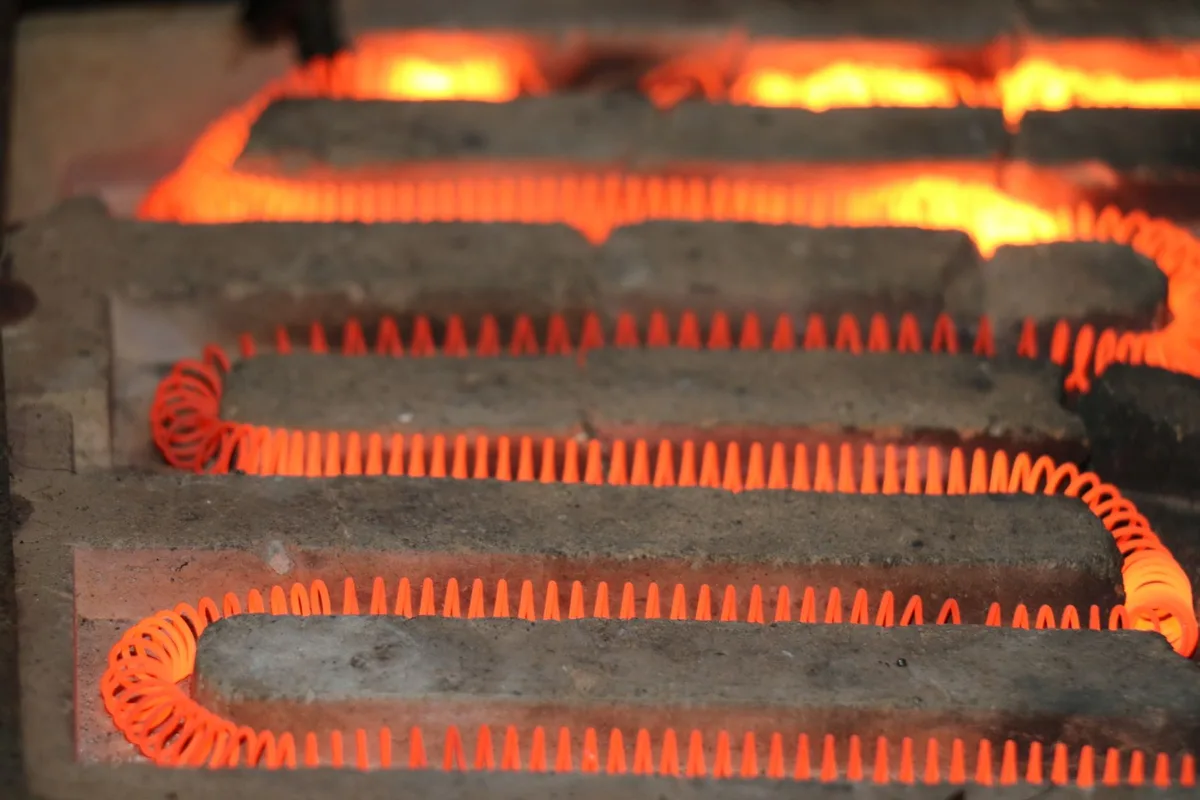
Image source: Pexels / Zulfugar Karimov (Pexels License)
I’ve lost count of how many space heaters I’ve taken apart over the years. Some I’ve repaired; a few I’ve retired early because they scared me. But the basic question never gets old: how do space heaters actually work?
Let me walk you through the physics, the engineering, and the real-world performance. No fluff. No marketing spin.
Just the straight story on what happens inside that box when you plug it in and turn the dial.
The Core Principle: Turning Electricity into Heat
Every space heater does one thing: it converts electrical energy into thermal energy. That’s it. The magic, or the science, boils down to a phenomenon called Joule heating.
When electricity flows through a conductor, the conductor resists that flow. That resistance creates friction at the atomic level. Electrons bump into atoms, atoms vibrate, and vibration is heat.
The higher the resistance, the more heat you get per amp.
Your space heater’s heating element is designed to have exactly the right resistance so that it gets hot, very hot, without melting itself or tripping a breaker. Most elements use nichrome wire, a nickel-chromium alloy that handles high temperatures without oxidizing. Nickel-chromium doesn’t rust.
It doesn’t sag. It just glows and throws heat.
But how that heat gets from the element to your cold toes depends on the type of heater. That’s where the real differences start.
Convection vs. Radiant: Two Different Ways to Heat a Room
All space heaters use one of two heat-transfer methods: convection or radiation. Some use both. Understanding the difference helps you pick the right unit for your space.
Convection Heaters
Convection heaters warm the air. They pull cool air in from the bottom, pass it over a hot element, and push warm air out the top. The warm air rises, cools as it circulates, then sinks back down to be reheated.
This cycle creates a gentle, even temperature rise across the room.
Convection heaters are quiet. They don’t blow air with a fan (though some have one to speed things up). They take time, usually 20 to 30 minutes, to bring a room to temperature.
But once they do, the heat stays consistent.
Radiant (Infrared) Heaters
Radiant heaters skip the air. They heat objects and people directly using infrared radiation. Think of the sun on a winter day: the air is cold, but the sunlight feels warm on your skin.
That’s radiant heat.
An infrared heater has a glowing element, often quartz or carbon, that emits infrared waves. Those waves travel through the air until they hit a solid surface: your body, a chair, a wall. The surface absorbs the energy and warms up.
Radiant heaters feel instant because they don’t need to heat the whole room. You feel the warmth within seconds. But they’re directional.
If you step out of the beam, you’re back in the cold.
Types of Space Heaters: How Each One Works
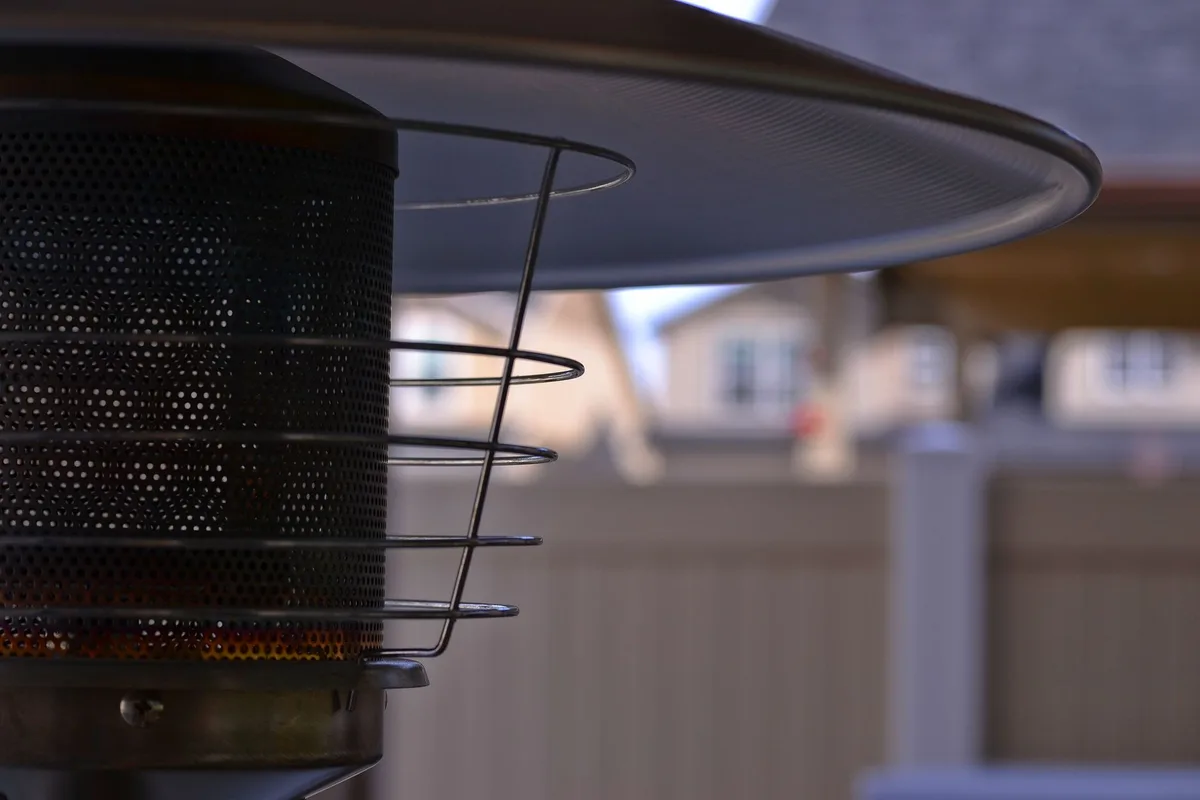
Image source: Pexels / Brett Sayles (Pexels License)
Let’s walk through the most common types. I’ll explain how each one works under the hood.
1. Ceramic Fan Heaters
Ceramic heaters are the most popular portable units today. Inside, they have a ceramic block with embedded metal electrodes. When electricity flows through the ceramic, it resists and heats up.
The ceramic’s job is to get hot fast and transfer that heat to the air.
A fan behind the element blows air through the ceramic grid. The air picks up the heat and shoots out the front. These heaters are small, light, and cheap.
They heat a room quickly because they force air over a hot surface.
The downside? Noise. The fan runs constantly, and the element cycles on and off.
You hear it. For a bedroom, that can be annoying.
2. Oil-Filled Radiator Heaters
Oil-filled radiators look like old steam radiators, but they’re completely sealed. Inside, there’s a heating element immersed in diathermic oil. The oil is a heat reservoir.
When you turn the heater on, the element heats the oil. The oil circulates inside the columns through natural convection. The hot oil rises, transfers heat to the metal casing, and the casing radiates warmth into the room.
Cooler oil sinks back down to be reheated.
Oil-filled heaters are dead quiet. No fan. No clicking.
Just a faint tick-tick-tick as the metal expands. They take the longest to warm up, often 30 minutes, but they hold heat beautifully. Even after the thermostat clicks off, the oil stays hot for another 20 minutes.
3. Infrared Quartz Heaters
These use a quartz tube that contains a filament, usually tungsten. When electricity passes through the filament, it glows red-hot and emits infrared radiation. A reflector behind the tube directs the radiation forward.
Infrared heaters don’t rely on air movement. That’s why they work well in drafty rooms or garages. The air might be cold, but the infrared waves pass right through it and warm your body.
They’re also great for spot heating, point one at your desk while you work, and you stay comfortable without heating the whole house.
The catch: they’re bright. The element glows, so it’s not ideal for a dark bedroom. And they can be a fire hazard if placed too close to curtains or furniture.
4. Fan-Forced Metal Element Heaters
These are the classic “dish” heaters or metal-coil heaters. A bare nichrome wire is wrapped around a mica frame. When electricity flows, the wire glows orange.
A fan blows air over the wire, and the hot air comes out the front.
They’re simple and cheap. They work. But they’re less efficient than ceramic heaters because the exposed wire gets hotter and loses more heat to the back of the unit.
They also have a distinct smell when first turned on, dust burning off the element.
5. Micathermic Heaters
Micathermic heaters are a hybrid. They use a mica element that’s thin and flat. The element heats up and radiates infrared heat, but the heater also has a fan that blows air over the mica sheets.
So you get both radiant heat (instant) and convection heat (room-wide).
These are slim, wall-mountable, and quiet. They’re a good middle ground if you want some instant warmth without the noise of a fan heater.
The Key Components Inside Every Space Heater
No matter the type, every space heater has a few essential parts. Let me walk you through them.
Heating Element
This is the soul of the heater. It’s the thing that gets hot. In ceramic heaters, it’s a ceramic block.
In oil-filled heaters, it’s a metal immersion heater. In infrared heaters, it’s a quartz tube or carbon filament. The material determines how fast it heats up, how hot it gets, and how long it lasts.
Thermostat
The thermostat is a temperature sensor. It measures the air temperature near the heater and turns the element on or off to maintain your set point. Mechanical thermostats use a bimetallic strip that bends as it heats.
When it bends far enough, it breaks the circuit. Electronic thermostats use a thermistor and a microprocessor. They’re more accurate, within a degree or two.
Safety Cut-Off Switch
Every modern heater has a built-in thermal fuse or a temperature limit switch. If the internal temperature exceeds a safe threshold, usually around 180°F to 200°F, the switch cuts power. This prevents the heater from melting or catching fire if the fan fails or the air intake is blocked.
Tip-Over Switch
Image source: Pexels / Steve A Johnson (Pexels License)
This is one of the most important safety features. A tip-over switch is a weighted sensor inside the base. If the heater is knocked over, the weight shifts, and the switch breaks the circuit.
The heater shuts off instantly. Without this, a tipped heater could ignite a carpet or rug in seconds.
Fan (for fan-forced models)
The fan pulls cool air from the room, pushes it through the heating element, and blows warm air out. Fans are usually axial or centrifugal. Axial fans are simpler and quieter.
Centrifugal fans move more air but can be louder.
How a Space Heater Controls Its Temperature
You set the dial to 70°F. The heater kicks on. It runs for a few minutes, then clicks off.
Then it clicks back on. How does it know when to stop and start?
The thermostat is the brains. But there’s a nuance: the location of the thermostat matters a lot.
In cheaper heaters, the thermostat is mounted right next to the heating element. That means it measures the air that’s just been heated, not the air across the room. The heater may cycle off while the room is still cold, then cycle back on a minute later.
That’s the “cold draft” feeling you get with some units.
Higher-end heaters have remote thermostats. Some use a separate sensor on a cord, so you can place it across the room. Others use a smart thermostat that learns the room’s thermal behavior.
These maintain a much more even temperature.
Are Space Heaters Efficient? The Truth About Energy
Let’s clear up a common myth: all electric space heaters are 100% efficient. That’s not marketing hype, it’s physics. Every watt of electricity that goes into a resistive heater comes out as heat.
There’s no waste because there’s no exhaust. A $15 heater is just as efficient as a $300 heater.
But efficiency doesn’t mean savings. If you’re heating a whole room, a space heater can be cheaper than running a central furnace only if you’re heating just one occupied zone. If you try to heat a whole house with a space heater, you’ll pay more than central heating because electricity is typically more expensive per BTU than natural gas or oil.
The US Department of Energy has a great guide on space heater efficiency and safety. They recommend using a space heater to supplement your main heating system, not replace it.
Safety Features You Should Never Skip
I’ve seen too many close calls. Space heaters cause about 25,000 house fires in the US every year, according to the National Fire Protection Association. The vast majority involve heaters that are too close to combustibles or that don’t have modern safety features.
Here’s what you should look for:
- UL or ETL certification. This means the heater has been tested to safety standards by an independent lab. Underwriters Laboratories (UL) is the gold standard. Check their certification database to verify.
- Tip-over shutoff. Non-negotiable. If the heater doesn’t have it, don’t buy it.
- Overheat protection. A thermal cut-off that kills power if the internal temperature exceeds a safe limit.
- Cool-touch exterior. The outer casing should stay below 100°F even when the element is glowing. This prevents burns if you brush against it.
- Automatic shutoff timer. Not essential, but helpful. It turns the heater off after a set number of hours.
How to Choose the Right Space Heater for Your Situation
Match the heater type to your use case. Here’s a quick cheat sheet based on my experience.
For a bedroom at night: Get an oil-filled radiator. It’s silent, doesn’t dry the air, and holds heat so the thermostat doesn’t cycle often. Set it to 65°F and sleep well.
For a home office or desk: Use a small infrared heater. Point it at your feet or torso. It warms you directly without heating the whole room.
You can turn it off when you leave.
For a drafty garage or workshop: Go with a fan-forced ceramic heater. It pushes warm air into corners and can bring a garage up to temperature in 10 minutes. Just keep it away from sawdust and solvents.
For a large living room: A micathermic heater or a high-output ceramic heater with a remote thermostat works well. Place it near the seating area, not in the center of the room.
Common Misconceptions
“Space heaters are dangerous.” They can be, but modern safety features make them much safer than the old exposed-coil models. Follow the 3-foot rule: keep everything, furniture, curtains, bedding, at least three feet away from the heater.
“Oil-filled heaters are more efficient.” No, they’re not more efficient. They’re just slower and quieter. All resistive heaters are 100% efficient.
“You can use a space heater to dry clothes.” Please don’t. Draping clothes over a heater blocks airflow, traps heat, and can cause a fire. Use a dedicated clothes dryer.
“Higher wattage means more heat.” Actually, higher wattage means more heat delivered per second. But a 1500-watt heater is the maximum you can plug into a standard 15-amp household circuit. Anything higher would trip the breaker.
So 1500 watts is the practical limit for portable space heaters in the US.
The Bottom Line
Space heaters are simple machines. They take electricity, turn it into heat through resistance, and deliver that heat to you via air or radiation. The type you choose affects how fast you feel warm, how quiet the heater is, and how evenly it heats the room.
I’ve tested dozens of units over the years. My personal go-to is an oil-filled radiator for overnight use and a ceramic fan heater for quick warm-ups. But your space, your comfort, and your safety matter most.
Read the manual. Check the certifications. Keep it clear of clutter.
And never, ever leave a space heater running unattended in a room where pets or kids can knock it over. That’s not just good advice, it’s the only advice that keeps you from becoming a statistic.


Similar Posts

















[…] central heat pumps can be 200-300% efficient. So “efficiency” is relative. Space heaters are efficient at converting electricity to heat, but not as efficient as a heat pump at moving […]