How to Choose Vacuum for Hardwood Floor : Complete Guide
Finding the perfect vacuum for hardwood floors can feel like a quest, can’t it? You want something that cleans effectively without scratching or damaging your beautiful wood. If you’re staring at rows of vacuums, wondering which one will actually pick up that pesky pet hair and fine dust without leaving streaks, you’ve come to the right place.
This guide is all about how to choose a vacuum for hardwood floors, focusing on what truly matters, gentle yet powerful cleaning.
We all want that spotless shine, and it starts with the right tool. Your hardwood floors deserve a vacuum designed with their delicate surface in mind. Forget those old-school, beater-bar-heavy machines that can mar your finish; modern vacuums offer specific features that make all the difference for bare floors.
Understanding Hardwood Floor Vacuum Needs
Hardwood floors are beautiful, but they’re also vulnerable. Unlike carpet, which has a forgiving pile, wood can be scratched, dulled, or even chipped by abrasive cleaning. That’s why the type of vacuum you choose for your hardwood floors is critical.
You need a machine that can efficiently pick up dust, dirt, and debris without grinding it into the wood or scratching the surface.
This means looking for specific features. Think about suction power, brush roll design, and any attachments that might be especially useful for bare floors. We’ll break down these elements so you can make an informed decision.
You might have noticed that some vacuums market themselves specifically for bare floors, and there’s a good reason for that.
Brush Roll Design for Hardwood
This is arguably the most crucial factor when you’re learning how to choose a vacuum for hardwood floors. A standard vacuum cleaner often comes with a motorized brush roll designed to agitate carpet fibers. On hardwood, this aggressive agitation can be a problem.
Many vacuums designed for hardwood floors have two types of brush rolls:
- Soft-bristled brush rolls: These are often made of softer nylon bristles that are gentle on wood finishes. They’re designed to sweep up fine dust and debris without scratching.
- No brush roll / brush roll off option: Some powerful vacuums allow you to turn the brush roll off completely or have a dedicated bare floor cleaning head that uses suction alone or a very soft, non-abrasive roller. This is ideal for preventing any potential damage.
I’ve found that vacuums with a brush roll that can be turned off are incredibly versatile. This way, you get the power for carpets and the gentleness for your hardwoods, all in one machine. It saves you from needing two separate cleaning appliances.
Suction Power and How It Matters
While you don’t want an overly aggressive brush roll, strong suction is still non-negotiable for effective hardwood floor cleaning. The right vacuum needs to be able to lift dust, dirt particles, pet hair, and crumbs directly off the surface and into the dustbin.
Look for vacuums with powerful, adjustable suction. This allows you to dial in the right amount of power for your needs. For instance, you might need higher suction to pull debris from the grout lines between wood planks or to tackle stubborn pet hair.
The way suction is delivered also matters. Some vacuums have a more focused airflow that can be more effective at capturing smaller particles. Think of it like using a nozzle on a hose versus just holding your hand over the end, the focused stream is much more powerful.
Filtration Systems: Beyond Just Clean Floors
When you’re choosing any vacuum, especially for homes with pets or allergy sufferers, the filtration system is a big deal. For hardwood floors, this is still relevant because you want to capture fine dust and allergens, not just redistribute them around your home.
HEPA (High-Efficiency Particulate Air) filters are the gold standard. They are incredibly effective at trapping tiny particles, including pet dander, pollen, and dust mites. If you or anyone in your household suffers from allergies or asthma, a vacuum with a sealed HEPA filtration system is a wise investment.
A sealed system means that the air that passes through the vacuum is filtered before it’s expelled back into the room. Without sealing, some of the fine dust can escape through crevices in the vacuum, defeating the purpose of the filter.
Types of Vacuums Suitable for Hardwood Floors
Not all vacuum types are created equal when it comes to hardwood. Some are naturally better suited than others. Here’s a breakdown of the most popular options and what to consider for your bare floors:
Stick Vacuums
Stick vacuums have become incredibly popular, and for good reason. They are lightweight, maneuverable, and often come with excellent attachments. Many stick vacuums are designed with hardwood floors in mind, featuring specialized bare floor heads or soft brush rolls that can be turned off.
Their slim design makes them easy to store and quick to grab for everyday messes. Battery-powered stick vacuums offer cord-free convenience, which is a huge plus for quickly zipping over your hardwood surfaces.
When looking at stick vacuums for hardwood, pay attention to battery life if you’re going cordless, and check if the brush roll is designed for bare floors. Some models even come with multiple cleaning heads so you can switch between carpet and hard surfaces easily.
Canister Vacuums
Canister vacuums consist of a main unit (the canister) that houses the motor and dustbin, connected to a wand and cleaning head via a hose. This separation of the motor from the cleaning head often results in powerful suction and a lighter cleaning wand.
Many canister vacuums come with a dedicated hardwood floor tool. This is typically a low-profile head with soft brushes or a suction-only design. The long hose and wand provide excellent reach, making it easy to clean under furniture and along baseboards without bending over.
The versatility of canister vacuums is a major advantage. They often come with a variety of attachments, making them capable of cleaning everything from your hardwood floors to upholstery and crevices. This makes them a solid all-around choice for mixed flooring types in a home.
Upright Vacuums
While some upright vacuums can be quite aggressive, many newer models are designed with hardwood floors in mind. Look for uprights with adjustable height settings, allowing you to raise the cleaning head so the brushes don’t make direct contact with the floor.
Crucially, check if the upright vacuum has an option to turn the brush roll off. This is essential for hardwood. Some also come with specialized bare floor attachments or have a brush roll made of soft bristles that won’t scratch.
A key advantage of uprights is their cleaning power and simplicity. They are often great at picking up larger debris. However, their heft can sometimes make them less maneuverable than stick or canister models, and they might not reach as easily under low furniture.
Robot Vacuums
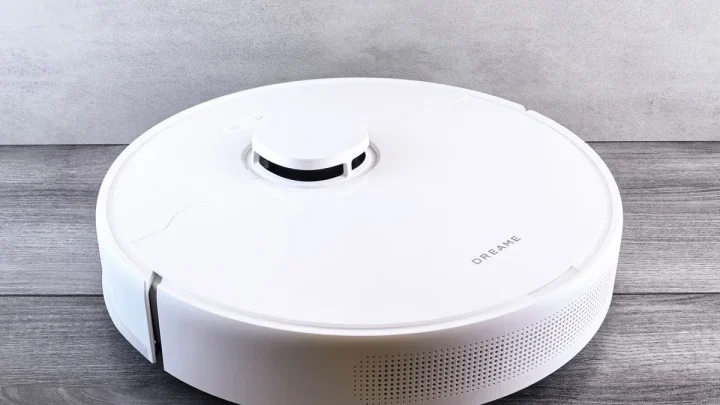
Robot vacuums are fantastic for maintenance cleaning on hardwood floors. They can be programmed to clean daily, keeping dust and debris to a minimum between deeper cleans. Most robot vacuums designed for hard floors have brushes that are gentle or can be turned off, and they rely on strong suction.
When considering a robot vacuum for your hardwood floors, look for models that have good navigation capabilities to avoid getting stuck or falling down stairs. Smart features like app control and scheduling can add significant convenience.
However, robot vacuums aren’t a replacement for a powerful manual vacuum. They generally can’t pick up larger debris as effectively, and they may struggle with deep cleaning tasks or heavily soiled areas.
Essential Features to Look For
Beyond the type of vacuum, certain features are vital for a good hardwood floor cleaning experience. Prioritizing these will help you narrow down your choices.
Soft Brush Rolls or Brush Roll On/Off Control
I cannot stress this enough: this is paramount. A hardwood floor vacuum should either have a brush roll made of very soft bristles, specifically designed for bare floors, or it must have a clear option to disable the brush roll entirely. A spinning brush roll with stiff bristles can scratch and dull your hardwood finish over time.
Some vacuums feature a “dual-action” brush roll, meaning it has both soft and stiff bristles, but even these can sometimes be too aggressive. Always confirm the manufacturer’s recommendation for bare floor use.
Lightweight and Maneuverable
Hardwood floors often cover large areas. A vacuum that is lightweight and easy to maneuver will make cleaning less of a chore. Think about how well it glides across the floor, turns corners, and fits under furniture.
Stick vacuums excel here. Their compact size and often swivel steering make them exceptionally agile. Canister vacuums, while the canister itself is heavier, have lightweight wands and cleaning heads that are easy to direct.
Even some uprights have improved significantly in this area.
Attachments for Detail Cleaning
Even the best vacuum for hardwood floors will benefit from specialized attachments. Crevice tools are essential for getting into those tight spaces along baseboards and around furniture legs. A dusting brush can be useful for cleaning higher surfaces or delicate items without scratching.
Many vacuums come with a combination tool that acts as both a crevice tool and a dusting brush. Look for vacuums that offer a good selection of these practical accessories. These help prolong the life and beauty of your hardwood floors by ensuring all surfaces are cleaned properly.
Edge Cleaning Capabilities
Dust and debris have a habit of accumulating along the edges of your rooms and around furniture. A vacuum with excellent edge cleaning capabilities will have a cleaning head designed to get right up to those edges, sucking up dirt that other vacuums might miss.
Some vacuum heads are specifically shaped or feature brushes along the sides that direct debris towards the suction inlet. This means you don’t have to rely solely on a separate crevice tool for every edge.
Corded vs. Cordless Considerations
This is often a personal preference, but it’s worth considering for hardwood floor vacuums.
- Corded vacuums generally offer consistent, powerful suction that doesn’t fade as the battery runs down. You don’t have to worry about charging times or interrupt your cleaning to swap batteries. However, the cord can be a nuisance, getting tangled or requiring you to switch outlets as you move around your home.
- Cordless stick vacuums offer unparalleled convenience and freedom of movement. They are perfect for quick cleanups and for homes with a lot of hard floors. However, battery life can be a limitation, especially for larger homes or for vacuuming for extended periods. You also need to remember to charge them regularly.
Given that hardwood floors often need frequent attention to keep them looking their best, the convenience of a cordless vacuum can be a significant advantage.
Other Important Factors
Beyond the core functionalities, a few other points can influence your decision when it comes to choosing a vacuum for hardwood floors.
Noise Level
Some vacuums can be incredibly loud, which can make the cleaning process unpleasant. If noise is a concern for you, look for models that highlight their quiet operation. While quieter vacuums might occasionally involve a slight compromise in raw power, many modern designs strike a good balance.
Bagged vs. Bagless
This is largely a matter of preference and personal hygiene.
- Bagless vacuums use a dustbin that you empty directly into the trash. This is often more cost-effective over time as you don’t need to buy replacement bags. However, emptying the bin can release dust into the air, which can be an issue for allergy sufferers.
- Bagged vacuums collect dirt and dust in a disposable bag. This is generally a cleaner method of disposal, as the bag contains the dust and allergens. However, you’ll need to factor in the ongoing cost of buying replacement bags.
For hardwood floors, where fine dust is a common concern, a bagged vacuum with a good filtration system might offer a cleaner experience.
Price and Value
Vacuum cleaners range significantly in price. While it’s tempting to go for the cheapest option, investing in a quality vacuum designed for hardwood floors will likely save you money in the long run. A well-made vacuum will perform better, last longer, and protect your flooring investment.
Consider what features are most important to you and find a vacuum that offers the best combination of performance, durability, and price for your budget. Don’t overlook user reviews; they often provide invaluable real-world insights into a vacuum’s performance on hardwood.
Maintaining Your Hardwood Floors with the Right Vacuum
Choosing the right vacuum for hardwood floors is only half the battle. Proper maintenance of your vacuum will ensure it continues to perform optimally and protect your floors. Always empty the dustbin or change the bag regularly.
A full bin can reduce suction power.
Check the brush roll for tangled hair or debris, especially if you have pets. Clean it according to the manufacturer’s instructions. If your vacuum has a washable filter, make sure to clean and dry it thoroughly before reinserting it.
Regularly inspecting your vacuum’s cleaning head for any embedded debris that could potentially scratch your floors is also a good practice. A vacuum that is constantly shedding debris or has a damaged brush roll can actually do more harm than good.
A Real-World Scenario
Imagine you’ve just finished a meal, and a few stray crumbs have landed on your polished oak floor. Instead of dragging out a bulky upright with a spinning brush that might scatter them further or scratch, you can grab your lightweight stick vacuum. With a quick flick of a switch, you activate its bare floor mode, or perhaps it automatically disengages its brush roll.
In seconds, the crumbs are gone, leaving your floor pristine. That’s the power of having a vacuum specifically suited for the job.
Frequently Asked Questions About Hardwood Floor Vacuums
- Can I use any vacuum on hardwood floors? Not all vacuums are ideal. Those with aggressive brush rolls can scratch or dull the finish. It’s best to use vacuums specifically designed for bare floors or those with a brush roll that can be turned off.
- What is the best type of vacuum for hardwood floors? Stick vacuums and canister vacuums with specialized bare floor attachments or soft brush rolls are often excellent choices. Robot vacuums are great for maintenance.
- Does suction power matter more than brush roll on hardwood? Both are important. Strong suction is needed to pick up dirt, but a gentle or absent brush roll is crucial to prevent scratches.
- Do I need a special vacuum if I have pets and hardwood floors? Yes, especially if your pet sheds. Look for strong suction and good filtration (like HEPA) to capture dander and fine fur. Make sure the brush roll is gentle or can be turned off.
Ultimately, how to choose a vacuum for hardwood floors boils down to prioritizing gentle yet effective cleaning. By understanding the unique needs of wood flooring and looking for specific features like soft brush rolls, powerful suction, and robust filtration, you can find a vacuum that keeps your floors looking their absolute best for years to come.


Similar Posts