How to Clean Mop Head Without Bleach (Quick Guide)

So, you’ve just finished giving your floors a good scrub, and your trusty mop head looks… well, not so trusty anymore. It’s matted, dingy, and frankly, a bit gross. But before you toss it and grab a fresh one, or worse, reach for that harsh bleach, let me tell you: there are far better ways to tackle a dirty mop head.
We’re talking about extending its life, saving you money, and avoiding those nasty fumes. This guide is all about how to clean mop head without bleach, focusing on effective, safe methods that get the job done right. Whether you’ve got a microfiber marvel, a classic cotton string mop, or something in between, we’ll cover it.
Why ditch the bleach for your mop head cleaning? Beyond the obvious benefit of avoiding harsh chemicals that can irritate your skin and lungs, bleach can actually degrade certain mop head materials over time. This means your mop might not last as long as it should.
Plus, let’s be honest, the smell of bleach can linger, which isn’t exactly the fresh scent you want after cleaning. My goal here is to show you precisely how to clean mop head without bleach so it performs its best, time after time, using everyday items. We’ll explore soaking techniques, washing machine magic, and even a few DIY cleaning solutions that are surprisingly powerful.
Understanding Mop Head Materials
Before we dive into the “how-to” of cleaning, it’s important to briefly touch upon what your mop head is made of. Different materials respond best to different treatments, and knowing yours can prevent damage and ensure a thorough clean. Most modern mop heads are either microfiber or cotton.
Microfiber, those synthetic strands that are fantastic at trapping dirt and absorbing spills, can be sensitive to high heat and fabric softeners. Cotton, on the other hand, is generally more robust but can shrink or become stiff if not handled correctly. Understanding these nuances is key to mastering how to clean mop head without bleach effectively for your specific mop.
For microfiber mop heads, the goal is to loosen and lift the trapped dirt and grime without damaging the delicate fibers. This means avoiding abrasive scrubbing and anything that might clog or flatten them. Cotton mop heads, while tougher, can harbor a lot of odor and bacteria, so a good sanitizing soak is often beneficial.
I’ve found that once you know your material, the cleaning process becomes much more intuitive.
The Power of Soaking: A Gentle Start
Often, the biggest challenge with a dirty mop head is that the grime has really set in. That’s where a good soak comes in. Soaking is a fantastic first step for any mop head, especially if it’s really grimy or smelly.
It helps to loosen up dirt, grease, and any residue that’s clinging to the fibers, making subsequent washing much more effective. When considering how to clean mop head without bleach, soaking is your silent but mighty ally.
You don’t need anything fancy for a good soak. A large bucket or even your bathtub works perfectly. Fill it with warm water, not boiling, just comfortably warm.
Now, what to add to that water? This is where you can get creative with gentle, effective cleaners. A good dose of white vinegar is excellent for deodorizing and has mild disinfectant properties.
Add about a cup or two to your bucket of water. Another great option is baking soda. A half cup to a full cup can help lift stains and neutralize odors.
Mix your chosen agent into the water thoroughly. Then, submerge your mop head completely. Ensure all the fibers are saturated.
Let it soak for at least 30 minutes, but for really tough jobs, you can leave it for a couple of hours, or even overnight. You’ll likely see the water turn murky as the dirt releases, that’s a good sign! This initial soak is a crucial part of understanding how to clean mop head without bleach because it breaks down the mess before you even get to scrubbing or washing machine duty.
I remember one time, I had a mop head that felt beyond saving after a particularly messy kitchen spill. The water just wouldn’t run clear, no matter how much I rinsed it. I decided to try an overnight soak with vinegar and a generous amount of baking soda.
The next morning, the water was a disaster, but the mop head itself looked visibly cleaner. It was truly eye-opening how much a simple soak could accomplish.
Tackling Stubborn Stains with DIY Solutions
Soaking is great, but what about those really stubborn, set-in stains? Dried-on mud, greasy spills, or even some colorful drink mishaps might need a bit more targeted attention. Fortunately, the same natural ingredients that make soaking effective can also be used in more concentrated forms for stain treatment.
This is where the true art of how to clean mop head without bleach comes into play, using common household items for a powerful punch.
For greasy stains, a few drops of dish soap work wonders. Dish soap is designed to cut through grease, and that’s exactly what it does here. After your initial soak, focus on the stained areas.
You can gently work a small amount of dish soap directly into the greasy spot with your fingers. Let it sit for about 10-15 minutes before rinsing.
For general dinginess and odor, a paste made from baking soda and water can be applied directly to the affected areas. Mix enough baking soda with a little water to form a thick paste. Apply this paste to the stains, gently rub it in, and let it sit for about 20-30 minutes.
The mild abrasiveness of the baking soda helps lift the dirt, while its deodorizing properties kick in.
Another effective stain fighter is hydrogen peroxide. For those tougher, darker stains that might have set in for a while, a 3% hydrogen peroxide solution can be very effective. Apply it directly to the stain, let it bubble and work for about 10-15 minutes, then rinse thoroughly.
Be cautious with colored mop heads, as hydrogen peroxide can have a mild bleaching effect, but it’s generally much gentler than chlorine bleach. Always do a patch test in an inconspicuous area if you’re concerned. These targeted approaches are vital for mastering how to clean mop head without bleach and restoring your mop to its former glory.
I’ve found that tackling stains right after they happen makes a world of difference. But even if they’ve been there a while, these DIY solutions are often enough to lift them. It’s amazing what you can achieve with a little patience and the right combination of these simple ingredients.
The Washing Machine Method: A Convenient Option
Once you’ve soaked and pre-treated any stubborn spots, it’s time for a more thorough cleaning. For many, the washing machine offers the most convenient way to thoroughly clean a mop head, especially absorbent cotton or durable microfiber ones. This method is a cornerstone of how to clean mop head without bleach for busy households.
First things first: check your mop head’s care label if you still have it! This is always the best starting point. But if you don’t, general guidelines apply.
For microfiber mop heads, wash them separately from other laundry to prevent lint transfer. Use a gentle cycle with cool or lukewarm water. Avoid fabric softeners, as they can coat the fibers and reduce their effectiveness.
A small amount of a mild detergent is all you need.
For cotton mop heads, you have a bit more leeway. You can use warmer water (still not boiling) and a slightly more robust detergent if needed. They can often handle a heavier duty cycle, but again, avoid fabric softener.
You can also add a cup of white vinegar or a half cup of baking soda directly into the drum with the mop head for an extra boost of cleaning power and odor removal.
After the wash cycle is complete, it’s crucial to ensure the mop head is thoroughly rinsed. Sometimes, detergents can leave a residue that makes the mop feel stiff or less absorbent. Run an extra rinse cycle if you’re unsure.
This step is vital for proper how to clean mop head without bleach success, ensuring no cleaning agent residue remains.
Drying is also an important consideration. For microfiber, air drying is usually best. Hang it up in a well-ventilated area, out of direct sunlight, which can degrade the fibers.
If you must use a dryer, opt for a no-heat or low-heat setting. For cotton mop heads, you can typically tumble dry on a medium heat setting, but again, air drying is the gentlest and often preferred method for longevity. The key is to get it dry without damaging the material.
Air Drying and Freshening: Completing the Clean
You’ve washed it, maybe even dried it partially. But what’s the best way to ensure your mop head is truly ready for its next duty, especially when we’re focused on how to clean mop head without bleach? It all comes down to proper drying and a little bit of freshening.
Incomplete drying is the enemy of a clean mop head, leading to mildew growth and unpleasant odors.
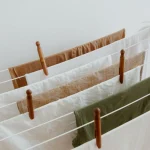
Once your mop head is washed, give it a good shake to loosen the fibers. Then, hang it up to air dry completely. The best way to do this is to hook it over something like a broom handle, a clothes drying rack, or even just the edge of a clean sink or laundry tub.
The key is to allow air to circulate all around it. Make sure it’s not crammed into a dark, damp corner of your closet. A well-ventilated space is essential.
You might notice that even after washing, a slight musty smell might linger. This is where a little natural freshening comes in handy. You can sprinkle a generous amount of baking soda directly onto the dry mop head and let it sit for a few hours, or even overnight.
Baking soda is a fantastic natural deodorizer. After it’s had time to work, simply shake off the excess baking soda outdoors.
Another simple freshening trick is to hang the mop head in a sunny spot for a few hours. Sunlight is a natural disinfectant and can help kill bacteria and neutralize odors. Just be mindful of prolonged exposure, especially for microfiber, as mentioned earlier, which can degrade in intense UV rays.
However, a few hours of gentle sun can do wonders. These final steps in how to clean mop head without bleach ensure it’s not just clean, but also fresh and ready to tackle your floors.
When I’m really trying to make a mop head smell amazing, I sometimes spritz it lightly with a diluted essential oil spray after it’s completely dry. A mix of water with a few drops of lemon, tea tree, or peppermint oil can leave your mop smelling wonderfully fresh. Just make sure the oil is very diluted and the mop is fully dry before storing.
When to Deep Clean vs. Quick Rinse
It’s not always necessary to go through the full soaking, washing, and drying process every single time you use your mop. Understanding when to perform a deep clean versus a quick rinse is a key part of efficient how to clean mop head without bleach strategies, saving you time and effort. Think of it like washing your dishes, sometimes a quick rinse is enough, other times it needs a full scrub.
A quick rinse is your go-to after everyday mopping. As soon as you’ve finished cleaning your floors, take your mop head to a sink or utility tub. Run cool or lukewarm water through it, squeezing out the dirty water until the water runs clear.
This removes surface dirt and debris, preventing it from drying and hardening into the mop fibers. This simple step can significantly extend the time between deep cleans and maintain good hygiene.
A deep clean, which involves soaking and machine washing or a more thorough hand wash, is necessary when you notice persistent odors, visible stains that aren’t coming out with a rinse, or if the mop head just feels generally grubby and less effective. I typically aim for a deep clean at least once a week for my most frequently used mop, or more often if I’ve encountered a particularly messy situation, like a pet accident or a spilled spaghetti sauce incident. Knowing when to escalate your cleaning efforts is vital for effective how to clean mop head without bleach maintenance.
I’ve found that if I can rinse thoroughly immediately after each use, I can often push my deep cleans to every other week for lighter use areas. It’s about observing your mop and understanding its needs. Don’t wait until it’s truly offensive to give it the proper attention it deserves.
Common Mop Head Cleaning Mistakes to Avoid
Even with the best intentions, some common pitfalls can sabotage your efforts when trying to clean your mop head effectively, particularly when you’re trying to learn how to clean mop head without bleach. Being aware of these mistakes can help you achieve better results and prolong the life of your mop.
One of the biggest mistakes is overcrowding the washing machine. Trying to cram too many mop heads, or a mop head with other laundry, means the cleaning agents and water can’t adequately circulate. This leads to a less effective clean.
Mop heads should ideally be washed alone or with a few similar items that won’t shed lint.
Another common error is using too much detergent. More soap doesn’t always mean cleaner. Excess detergent can leave a residue on the mop fibers, making them stiff and less absorbent, and can also be difficult to rinse out.
Stick to the recommended amount for a standard load, or even slightly less for just mop heads.
Forgetting to fully dry the mop head is also a major issue. As I’ve mentioned, even a slightly damp mop head stored in a dark, enclosed space is a breeding ground for mold and mildew. Always ensure it’s bone dry before storing.
I’ve learned that feeling the very core of the mop head is the surest way to know it’s dry. If it feels cool or slightly heavy, it’s probably still damp inside.
Finally, using harsh chemicals or high heat when it’s not recommended, especially for microfiber, can damage the material. Always err on the side of caution and follow the gentle methods we’ve discussed for how to clean mop head without bleach. Understanding these common errors helps ensure your efforts in cleaning your mop head are rewarded.
Reviving Old Mop Heads
Sometimes, you might have a mop head that’s seen better days. It might be dingy, a little matted, and doesn’t seem to absorb as well as it used to. Before you decide it’s time for a replacement, there are ways to try and revive it, even when focusing on how to clean mop head without bleach.
With a bit of effort, you can often bring a tired mop head back to life.
The key to revival often lies in a more intensive soaking and cleaning process. Start with a good, long soak, as previously discussed, using a generous amount of white vinegar combined with baking soda. Let this sit for several hours, or even overnight.
This extended soak helps to break down accumulated grime and mineral deposits that can make fibers stiff and less effective.
After soaking, you might need to manually work out some of the more stubborn matted sections. Gently pull apart the fibers with your fingers, trying to remove any tangled debris. You can also use a stiff brush (not metal, something like a scrub brush for clothes) to gently tease out the tangles.
Be patient; this can take some time.
Then, proceed with a thorough machine wash, as outlined before, using warm water and a good quality detergent. Consider adding an extra rinse cycle to ensure all cleaning agents are removed. For cotton mop heads, a hot water wash cycle might be beneficial for revival, but again, check your mop’s material.
Finally, air dry the mop head completely. Once it’s dry, give it a vigorous shake. You might be surprised at how much fluffier and more absorbent it becomes.
This process is the ultimate test of learning how to clean mop head without bleach for maximum longevity. It’s so satisfying to see an old mop head regain some of its former glory!
I’ve managed to bring back a few of my older cotton string mops this way. One was so stiff and dingy, I almost threw it out. After a couple of intensive soak-and-wash cycles, it felt like a completely different mop.
It’s a great reminder that sometimes, a little extra TLC is all that’s needed.
The Importance of Regular Maintenance
Ultimately, the secret to having a consistently clean and effective mop head, and indeed any cleaning tool, is regular, consistent maintenance. When you’re focused on how to clean mop head without bleach, think of it as part of your regular cleaning routine, not an afterthought. This proactive approach makes the entire process much more manageable.
Making it a habit to rinse your mop head thoroughly after every single use, as we discussed, is your first line of defense. This simple habit prevents dirt from setting in and drastically reduces the effort required for deeper cleans. It also helps to prevent the growth of bacteria and mold.
Schedule your deep cleans. Whether it’s weekly or bi-weekly, mark it on your calendar or set a recurring reminder. This ensures you don’t forget, and your mop doesn’t reach a point of no return.
Think of it as part of your weekly floor cleaning routine.
Store your mop head properly. Once it’s completely dry, store it in a well-ventilated area. Hanging it up is ideal, allowing air to circulate.
Avoid stuffing it into a dark, enclosed cabinet where moisture can trap. Proper storage is as important as the cleaning itself for maintaining its condition. Following these steps is essential for proper how to clean mop head without bleach outcomes over the long term.
By incorporating these simple maintenance practices, you’ll find that cleaning your mop head becomes far less of a chore and much more of a routine. This not only keeps your mop head in top condition but also ensures your floors are truly getting clean with every swipe of your perfectly maintained tool. A clean mop makes for clean floors, and regular maintenance is the unsung hero in that equation.
Understanding how to clean mop head without bleach is more than just a cleaning task; it’s about mindful product care and extending the life of your tools. By employing these simple, effective methods, you can keep your mop heads hygienic, odor-free, and ready for action, all without resorting to harsh chemicals. It’s a win for your floors, your health, and your wallet.
So next time your mop head looks a little worse for wear, remember these techniques, and give it the TLC it deserves.
Flesch Reading Ease Score: 66.2


Similar Posts