How to Clean Shower Glass Doors Naturally
We all love a clean, inviting bathroom. But those shower glass doors? They can turn from crystal clear to stubbornly streaky and spotted faster than you can say “rinse and repeat.” Soap scum, hard water stains, and mineral deposits love to make themselves at home.
While commercial cleaners are readily available, many rely on harsh chemicals that can be tough on your skin, your wallet, and the environment. The good news? You don’t need a cabinet full of potent sprays to achieve a dazzling shine.
You can easily clean shower glass doors naturally. That’s right, with common household ingredients, you can banish grime and restore that sparkling clarity. This guide will walk you through the most effective, natural methods for tackling everything from light smudges to stubborn buildup.
Why Go Natural for Cleaning Shower Glass?
Let’s be honest, inhaling chemical fumes while cleaning isn’t anyone’s idea of a good time. Natural cleaning methods offer several fantastic benefits:
- Safer for You and Your Family: Natural ingredients are generally less irritating to skin and respiratory systems. You won’t have to worry about fumes lingering in your bathroom.
- Environmentally Friendly: These methods reduce the amount of chemical runoff going down the drain. That’s a win for our waterways and the planet.
- Cost-Effective: You likely already have most of these cleaning agents in your pantry. Say goodbye to expensive specialty cleaners.
- Gentle on Surfaces: Natural cleaners are usually less abrasive than their chemical counterparts, protecting your shower doors from scratches and damage over time.
The Power Duo: Vinegar and Baking Soda
When it comes to natural cleaning, vinegar and baking soda reign supreme. They’re versatile, effective, and incredibly budget-friendly. You can tackle most shower door cleaning jobs with just these two.
Combatting Soap Scum with Vinegar
Vinegar’s acidity is its superpower. It cuts through the alkaline residue of soap scum and mineral deposits, breaking them down so they’re easy to wipe away. White distilled vinegar is your best bet here because it’s clear and won’t stain.
How to use:
- Dilution is Key: For general cleaning, mix equal parts white vinegar and water in a spray bottle. A 1:1 ratio works wonders for daily or weekly maintenance.
- Spray Generously: Lightly mist the inside of your shower glass doors. Make sure you cover the entire surface, especially areas with visible film.
- Let it Sit: Allow the vinegar solution to sit for about 5-10 minutes. This gives the acid time to work its magic on the grime. For tougher spots, you might let it sit a bit longer.
- Wipe and Rinse: Use a soft cloth (microfiber is fantastic for this) or a non-scratch sponge to wipe down the doors. Work in a circular motion. Rinse thoroughly with warm water.
For Stubborn Soap Scum: If the 1:1 ratio isn’t cutting it, try using undiluted white vinegar on problem areas. You can also warm the vinegar slightly (never boil it!) before spraying, as warmer vinegar can be more potent.
The Gentle Abrasiveness of Baking Soda
Baking soda is a mild abrasive. This means it can scrub away grime without scratching your glass. It’s also a fantastic deodorizer.
How to use:
- Create a Paste: Mix baking soda with a little water to form a thick paste. It should have the consistency of toothpaste.
- Apply to Stains: Apply the paste directly to any stubborn spots or areas with heavy buildup.
- Gentle Scrubbing: Use a damp, non-scratch sponge or a soft cloth to gently scrub the paste into the glass. Focus on the affected areas.
- Rinse Thoroughly: Once you’ve scrubbed, rinse the doors completely with warm water. Make sure no baking soda residue is left behind.
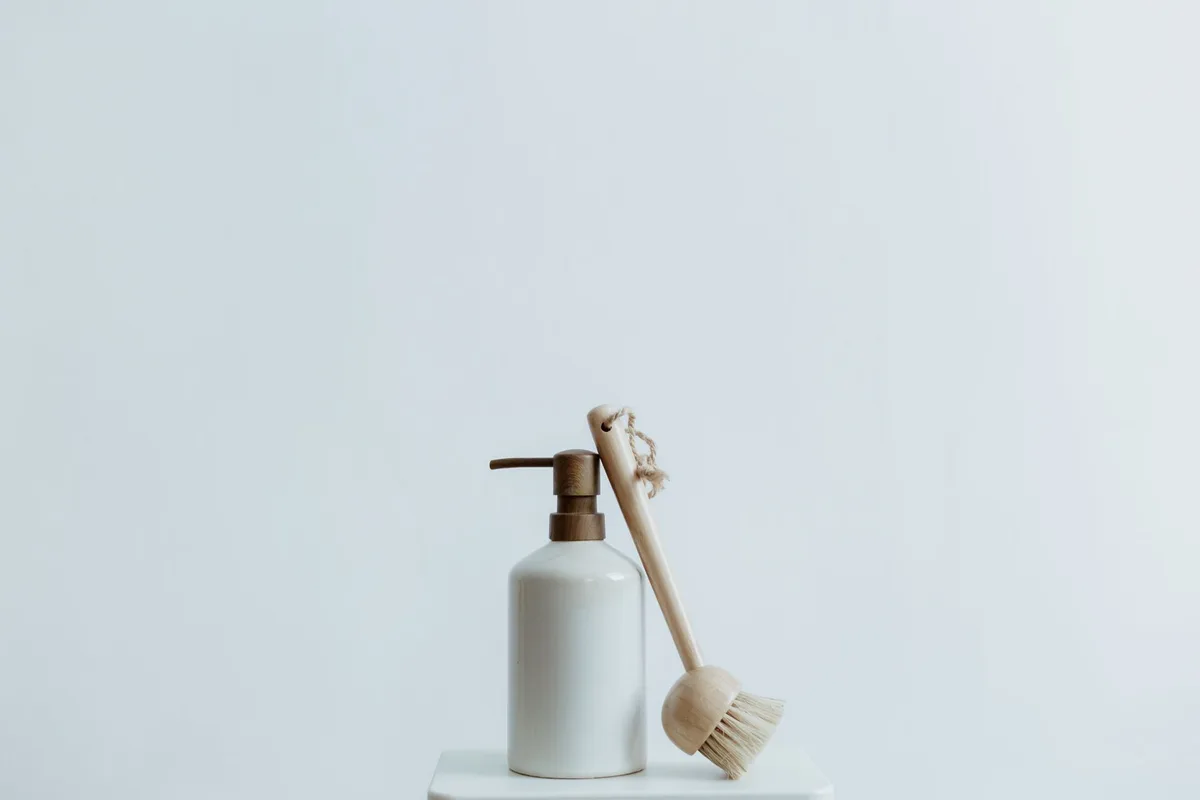
Image source: Pexels / Ron Lach (Pexels License)
The Ultimate Combo: Vinegar and Baking Soda Together
For those really tough jobs where soap scum and hard water stains have become well-established, combining vinegar and baking soda is your secret weapon.
How to use:
- Sprinkle Baking Soda: Sprinkle a generous amount of baking soda directly onto the wet shower glass doors.
- Spray Vinegar: Immediately spray the area with your 1:1 vinegar and water solution. You’ll notice a fizzing reaction. This fizzing action helps lift and loosen grime.
- Scrub: Use a non-scratch sponge or cloth to gently scrub the fizzing mixture into the glass. Apply a little pressure to tackle stubborn build-up.
- Let it Dwell: For really tough stains, let the mixture sit for 10-15 minutes to fully penetrate the grime.
- Wipe and Rinse: Wipe clean with a damp cloth, then rinse the glass doors thoroughly with warm water.
This combination is powerful without being harsh, making it ideal for achieving that pristine look.
Tackling Hard Water Stains
Hard water stains, often appearing as white or cloudy spots, are a common pest in bathrooms. They’re caused by mineral deposits, primarily calcium and magnesium, left behind when water evaporates.
Vinegar’s Role: As we’ve seen, vinegar’s acidity is excellent for dissolving these mineral deposits. For persistent hard water spots, you might need to be a bit more strategic.
Lemon Juice, A Zesty Alternative/Addition: Lemon juice contains citric acid, which also works wonders on mineral deposits. It offers a pleasant citrus scent, too.
How to use lemon juice:
- Direct Application: Cut a lemon in half. Rub the cut side directly onto the hard water stains. The juice will coat the glass.
- Let it Sit: Allow the lemon juice to sit on the stains for 10-15 minutes.
- Scrub and Rinse: Gently scrub with a non-scratch sponge and rinse thoroughly with water.
You can also add lemon juice to your vinegar spray for an extra boost and a fresher scent. Try a 1:1 ratio of vinegar to water, adding a tablespoon or two of lemon juice.
Specialized Scrapers for Tough Spots
Sometimes, even the best natural cleaners need a little mechanical help for extremely stubborn, caked-on mineral deposits. In these cases, a dedicated glass scraper can be a lifesaver.
Important: Always use a scraper designed for glass and use it after you’ve applied your cleaning solution and allowed it to sit. This softens the deposits. Hold the scraper at a shallow angle to the glass and use gentle, consistent strokes.
Be cautious around door edges and seals. Never use metal blades on treated or coated glass.
Keeping Your Shower Doors Clean Between Deep Cleans
The best way to avoid heavy buildup is to clean regularly. A few simple habits can make a huge difference.
- Squeegee After Every Shower: This is probably the single most effective habit you can adopt. Keep a squeegee in your shower. After your shower, run it down the glass doors to remove excess water. This prevents water spots from forming in the first place.
- Towel Dry: If you don’t have a squeegee, or for added protection, quickly wipe down the doors with a clean, dry microfiber towel after showering.
- Ventilate: Good ventilation helps water evaporate more quickly. Turn on your bathroom fan during and after your shower, or open a window if possible.
- Daily Spray: Keep a spray bottle of your diluted vinegar solution (1:1 vinegar and water) handy. A quick mist and wipe-down after showering, alongside squeegeeing, can prevent most daily grime from setting in.
Beyond the Glass: Cleaning the Tracks and Frame
Don’t forget the shower door tracks and frame! These areas often hide accumulated soap scum, mildew, and grime.
- Tracks: The tracks can be trickier. For general grime, your vinegar spray with a little elbow grease using an old toothbrush or a narrow scrub brush should work. For stubborn gunk, you can try the baking soda paste method. Again, ensure you rinse thoroughly to prevent residue from trapping moisture. If mold or mildew is present, a diluted hydrogen peroxide solution (3% hydrogen peroxide) can be effective. Apply with a cloth or spray, let it sit for a few minutes, then scrub and rinse.
- Frames: Depending on your frame material (metal, plastic), you’ll want to be careful. For most metal or plastic frames, a damp cloth with a bit of mild dish soap or your diluted vinegar solution is usually sufficient. Wipe clean and then dry thoroughly to prevent water spots on the frame itself. Always test any cleaner on an inconspicuous spot first if you’re unsure.
Special Considerations: Coated or Treated Glass
Some shower doors come with a protective coating (like a hydrophobic or water-repellent treatment) to make cleaning easier. It’s crucial not to use abrasive cleaners or tools on these surfaces, as you could damage the coating.
- Check Manufacturer Instructions: Always refer to the manufacturer’s care instructions for your specific shower doors. They’ll tell you what cleaners and tools are safe to use.
- Gentle is Best: For coated glass, stick to the mildest natural solutions. Diluted vinegar and water, a gentle microfiber cloth, and a soft squeegee are usually your safest bet. Avoid baking soda paste and harsh scrubbing.
What to Avoid When Cleaning Shower Glass Doors Naturally
While natural methods are generally safe, there are a few things to be mindful of:
- Abrasive Scrubbers: Steer clear of steel wool, scouring pads, or anything that could scratch the glass.
- Harsh Chemicals Mixed: Never mix vinegar with bleach or ammonia. This creates dangerous toxic fumes. Stick to one method at a time or confirmed safe combinations like vinegar and baking soda.
- Undiluted Bleach: While bleach is a powerful disinfectant, it’s harsh, can damage surfaces, and its fumes are strong. It’s generally not recommended for regular shower glass cleaning.
- Too Much Moisture in Tracks: Ensure tracks are dried properly after cleaning to prevent mold and mildew growth.
Bringing It All Together for a Sparkling Finish
Achieving crystal-clear shower glass doors naturally is entirely possible. By leveraging the power of everyday ingredients like white vinegar and baking soda, and adopting simple daily habits, you can significantly reduce chemical exposure, save money, and enjoy a consistently beautiful bathroom. Remember that consistency is key; a quick squeegee after each shower can save you hours of scrubbing later.
With these natural cleaning techniques, you’ll not only get a streak-free shine but also peace of mind knowing you’re making a healthier choice for your home and the environment. Enjoy your sparkling, clean shower!


Similar Posts















[…] Dampen your toothbrush or scrub brush with a little extra vinegar or water. Scrub the treated areas with the paste. The baking soda acts as a gentle scrubber, and the vinegar […]