How Do Heat Pumps Dehumidify
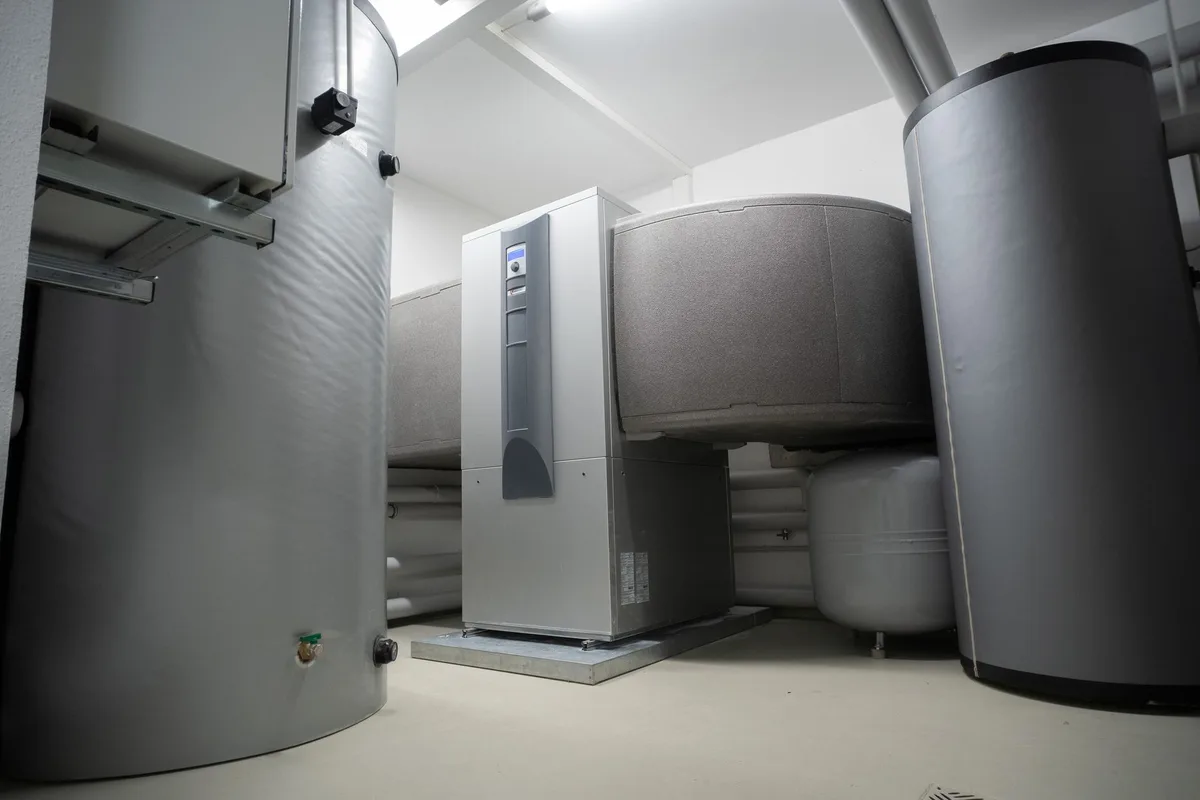
Heat pumps pull heat from one place and move it to another. In cooling mode they also pull moisture out of the air. That double duty makes them a practical choice for homes that need both temperature control and humidity management.
I’ve seen the effect in basements, attics, and whole‑house systems, the air feels crisper, and mold risk drops.
How Heat Pumps Remove Moisture from Air
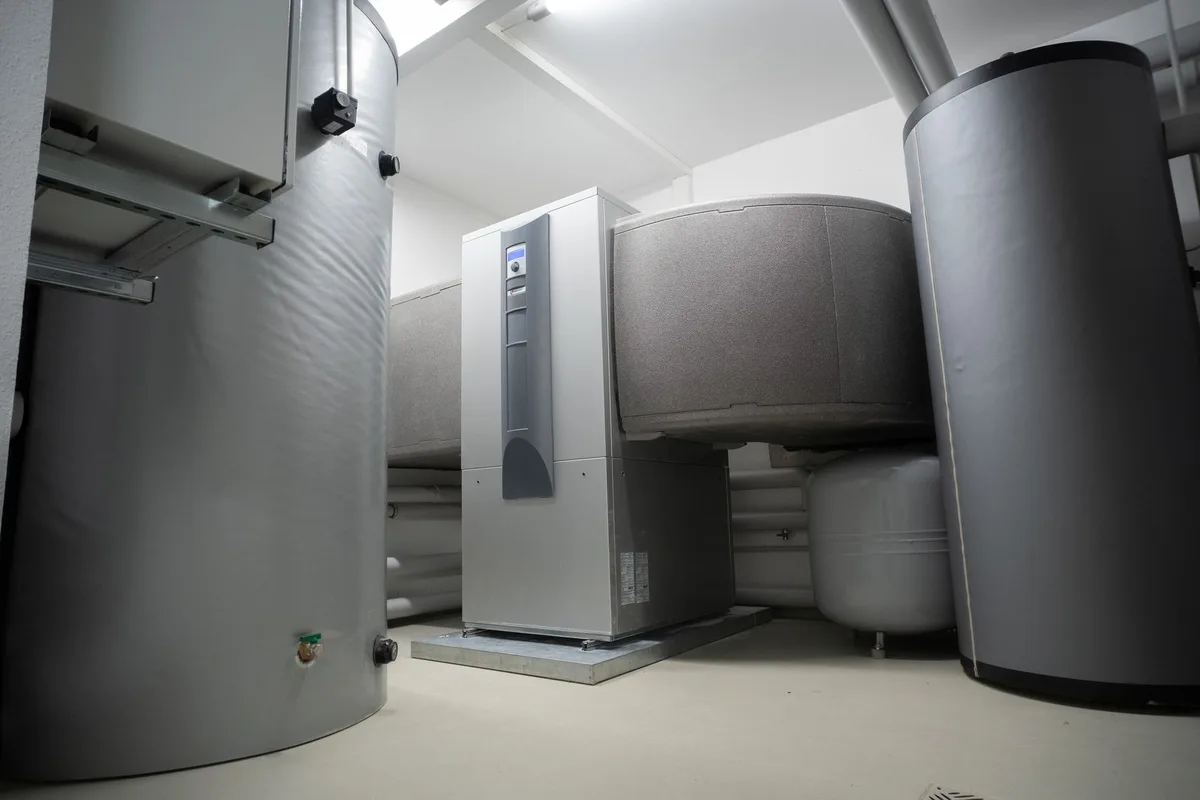
When the refrigerant inside the indoor coil gets cold, water vapor in the passing air condenses on the coil surface. The condensate drips into a drain pan and leaves the house through a pipe. The process is the same physics that makes a cold soda can sweat on a hot day.
The coil temperature stays below the dew point of the indoor air, so moisture turns to liquid instead of staying vapor.
Key points:
- Cold coil, The evaporator runs at 40‑45 °F (4‑7 °C) in typical cooling operation.
- Airflow, A fan pushes indoor air across the coil. Faster airflow reduces contact time, so a balanced speed gives the best moisture removal.
- Drainage, A clean condensate line prevents water backup and potential damage.
The amount of water removed depends on the temperature difference between the coil and the room air, plus the volume of air moved. A properly sized unit can pull 10‑15 pints per day in a 2,000‑sq‑ft home during a humid summer.
The Refrigeration Cycle and Condensation
The cycle starts with low‑pressure refrigerant absorbing heat in the indoor coil. As it absorbs heat, it evaporates. The compressor then raises the pressure and temperature.
The hot gas travels to the outdoor coil, releases heat to the outside air, and condenses back to liquid. An expansion valve drops the pressure again, and the loop repeats.
During the indoor‑coil phase, the refrigerant temperature is set by the system’s control logic. In standard cooling mode the thermostat targets a temperature setpoint, not a humidity setpoint. The coil gets cold enough to condense water, but the compressor may cycle off once the temperature target is met.
That cycling limits total moisture removal.
Dry Mode vs Cooling Mode for Dehumidification
Many modern heat pumps offer a “dry” or “dehumidify” mode. In this mode the compressor runs longer at a lower speed while the fan slows down. The coil stays colder for a longer period, so more water condenses per cycle.
The room temperature may drop only a degree or two, but humidity can fall 10‑15 % relative humidity.
Comparison:
| Feature | Cooling Mode | Dry Mode |
|---|---|---|
| Primary goal | Reach temperature setpoint | Lower humidity |
| Compressor speed | Full speed, on/off cycling | Variable, often lower |
| Fan speed | High | Reduced |
| Energy use | Higher when cooling heavily | Lower overall, longer run time |
| Comfort feel | Cooler air | Slightly cooler, less clammy |
Dry mode shines in shoulder seasons when cooling load is modest but indoor humidity stays high. It also helps in tightly sealed homes where latent load dominates.
Factors That Influence Dehumidification Performance
Several variables decide how much moisture a heat pump can pull:
- Unit sizing, Oversized equipment short‑cycles, leaving the coil warm for too little time. Undersized runs continuously but may not reach low enough coil temperature.
- Airflow balance, Too much airflow raises coil temperature; too little reduces heat exchange and can freeze the coil.
- Outdoor temperature, In very hot weather the outdoor coil rejects heat less efficiently, raising discharge pressure and limiting how cold the indoor coil can get.
- Indoor humidity level, Higher starting humidity raises the dew point, making condensation easier.
- Duct leakage, Leaky return ducts pull in unconditioned, moist air, increasing the load on the coil.
- Filter condition, A clogged filter cuts airflow, again raising coil temperature.
The U.S. Department of Energy notes that proper sizing and sealed ducts are the two biggest levers for effective moisture removal in heat‑pump systems. (See the DOE guide on heat‑pump performance for details.)
Benefits of Using a Heat Pump for Humidity Control
- Single equipment, One system handles heating, cooling, and dehumidification.
- Energy efficiency, Modern variable‑speed compressors use less electricity than running a separate dehumidifier plus an air conditioner.
- Health, Lower indoor humidity reduces dust mites, mold spores, and allergen growth.
- Comfort, Occupants feel cooler at higher thermostat settings when humidity is low, letting you raise the setpoint and save energy.
- Property protection, Wood floors, drywall, and furniture last longer when moisture stays in the 30‑50 % RH range.
Maintenance Tips to Keep Dehumidification Effective
- Clean or replace filters every 1‑3 months.
- Inspect the condensate drain quarterly; flush with a vinegar solution to prevent algae.
- Check coil cleanliness annually; a dirty evaporator insulates the refrigerant and raises coil temperature.
- Verify refrigerant charge, Low charge reduces cooling capacity and dehumidification.
- Seal ductwork, Use mastic or UL‑listed tape on joints; test with a duct blaster if possible.
- Schedule professional tune‑up before the cooling season; technicians can measure superheat/subcool and confirm proper airflow.
Quick FAQ
Q: Can a heat pump dehumidify in winter?
A: In heating mode the indoor coil is warm, so it does not condense moisture. Use a dedicated dehumidifier or run the system in “dry” mode only when cooling is active.
Q: Does dry mode increase electricity bill?
A: It runs the compressor longer but at lower speed, usually consuming less total energy than full‑speed cooling for the same humidity drop.
Q: What RH target should I aim for?
A: 40‑50 % relative humidity is the sweet spot for comfort and health.
Q: Will a larger heat pump dehumidify better?
A: Not necessarily. Oversizing causes short‑cycling, which reduces moisture removal. Proper sizing matters more than raw capacity.
Q: Can I add a humidistat to control dry mode automatically?
A: Many newer models accept a humidistat input; check the manufacturer’s wiring diagram or consult your installer.
All information reflects current best practices for residential heat‑pump dehumidification.


Similar Posts