How to Keep Kitchen Sink Shining All Day
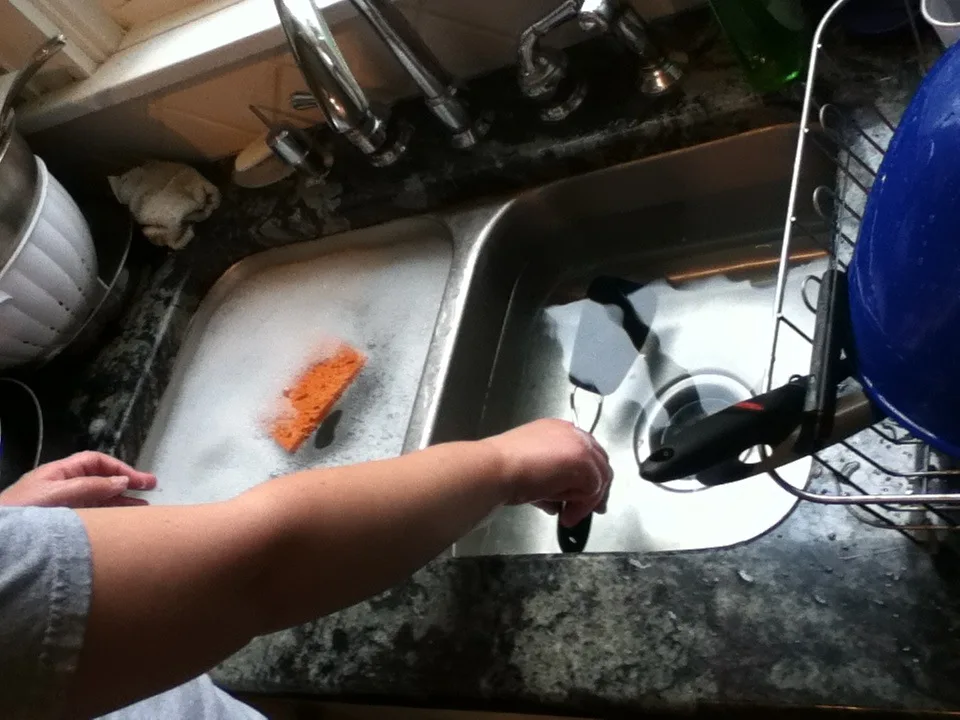
The secret to a kitchen sink that shines all day? It’s simpler than you think. Forget endless scrubbing.
A sparkling sink is within reach with the right approach.
Achieving a Dazzling Kitchen Sink: Your Daily Guide
That moment when your kitchen sink gleams… it’s a small win, right? A clean, shining sink feels like the cornerstone of a tidy kitchen. But keeping it that way, especially when life gets busy, feels like a constant battle.
You’ve tried everything, wiping it down here, a quick scrub there, but by lunchtime, or even earlier, it’s dull again, spotted with watermarks or carrying the ghosts of yesterday’s meals.
This isn’t about spending hours a day polishing. It’s about smart, consistent habits and understanding what makes your sink lose its shine in the first place. We’ll break down the simple steps to maintain that pristine look, from morning to night.
Why Does My Kitchen Sink Lose Its Shine?
Several culprits contribute to a dull sink. Understanding them helps us fight them.
- Water Spots: These are probably the most common. When water evaporates, it leaves behind mineral deposits. If you have hard water, you’ll notice this more intensely. These spots aren’t just unsightly; they build up over time, creating a film.
- Food Particles and Grease: Even after rinsing, tiny bits of food and grease can cling to the sink surface. They create a residue that dulls the shine and can attract more grime.
- Soap Scum: Dish soap, especially oil-based ones, can leave a film on your sink. This is especially true if the sink isn’t rinsed thoroughly after washing dishes.
- Scratches: Over time, abrasive cleaning tools or even scrubbing pots and pans can create micro-scratches on your sink’s surface. These tiny grooves catch light differently, making the sink appear less shiny.
- Chemical Buildup: Overusing harsh cleaners can sometimes strip away protective finishes or leave their own dull residue.
The Daily Shine Routine: Steps for a Gleaming Sink
Maintaining a shining sink isn’t about a deep clean every day. It’s about integrating simple actions into your existing kitchen flow.
Morning Refresh: A Quick Start
Before you even start making coffee, give your sink a quick once-over.
- Rinse Away Overnight Grime: A quick splash of warm water can rinse away any forgotten crumbs or residue from the previous night.
- Gentle Wipe Down: Use a soft, damp microfiber cloth to wipe the entire sink basin. This removes any dewiness or minor spots.
- Dry Thoroughly: This is the crucial step most people skip. Use a separate, dry microfiber cloth to buff the sink dry. No water means no water spots. This takes less than a minute but makes a huge difference.
Midday Maintenance: Tackling Spills
Throughout the day, little messes happen. Addressing them immediately prevents them from setting in.
- Wipe Up Spills Instantly: Coffee drips, sauce splatters, or food scraps? Grab your damp cloth and wipe them up. Don’t let them sit.
- Rinse After Food Prep: After chopping vegetables or handling greasy foods, give the sink a good rinse with warm water. A quick scrub with a soft brush can help dislodge any sticky residue.
- Rinse After Washing Hands: Even washing your hands can leave soap residue. A quick rinse of the faucet and the immediate sink area prevents buildup.
Evening Polish: The Power of a Proper Clean
This is where you can really make your sink sparkle, and it doesn’t have to take ages.
- Clear the Deck: Remove any dishes, sponges, or drying racks. You want clear access to the entire sink surface.
- Initial Rinse: Give the sink a thorough rinse with hot water. This dislodges loose food particles and grease.
- Gentle Scrubbing:
- For Stainless Steel: A paste of baking soda and water is your best friend. Apply it to the sink surface and gently scrub with a soft cloth or sponge, working in the direction of the grain. Baking soda is a mild abrasive that cleans without scratching.
- For Other Materials (like composite or porcelain): Check the manufacturer’s recommendations. Often, a mild dish soap and warm water, along with a non-abrasive sponge, will suffice. For tougher spots, a paste of baking soda and water can also be effective here.
- Tackle Tougher Spots: If you have stubborn stains, like tea or coffee rings, a dab of baking soda paste or a specialized sink cleaner designed for your sink material can be used. Let it sit for a few minutes before scrubbing gently.
- Rinse Thoroughly Again: Make sure to rinse away all traces of the cleaning agent. Leftover residue can cause dullness.
- The Dry and Buff Method: Just like the morning routine, this is key. Use a clean, dry microfiber cloth to dry the sink completely. Then, give it a final buff. This will bring out the shine and make it gleam.
Image source: Wikimedia Commons / User:Quadell (CC BY-SA)
This evening routine takes about 5-10 minutes, depending on how dirty your sink is. It’s a small investment for a significant visual upgrade to your kitchen.
Choosing the Right Cleaning Agents for Your Sink
Not all cleaners are created equal, and the wrong one can do more harm than good.
The Power of Baking Soda
Baking soda is a fantastic all-rounder for sinks. It’s a mild abrasive, deodorizer, and safe for most sink materials. You can use it as a paste with water for scrubbing or sprinkle it directly into a wet sink for a gentle scrub.
It’s incredibly effective at lifting grease and grime without scratching.
Dish Soap: Your Everyday Helper
Good old dish soap is your first line of defense against grease. After meals, a small amount of dish soap with warm water and a soft sponge is perfect for a quick clean and rinse. Just be sure to rinse thoroughly to avoid soap scum.
Vinegar: For Stubborn Water Spots
White vinegar is excellent for tackling hard water spots and mineral buildup. Its acidity helps to dissolve these deposits.
- For regular spots: Spray undiluted white vinegar onto the affected areas, let it sit for 5-10 minutes, then scrub gently with a soft cloth or sponge. Rinse well.
- For severe buildup: Soak paper towels in white vinegar and lay them over the mineral deposits. Leave for 30 minutes to an hour, then scrub and rinse.
Important Note: While vinegar is great, always rinse it off completely. Don’t let it sit on your sink for extended periods, especially if you have natural stone countertops nearby, as it can etch some materials. For stainless steel, always wipe down with the grain after using vinegar.
Specialized Sink Cleaners
When everyday methods aren’t quite cutting it, specialized sink cleaners can be helpful. Always choose a cleaner specifically designed for your sink material (stainless steel, composite granite, porcelain, etc.). Read the labels carefully and follow the manufacturer’s instructions.
- For Stainless Steel: Look for cleaners that polish and protect. Brands like Bar Keepers Friend offer excellent options that can restore a mirror-like finish.
- For Composite/Granite Sinks: Mild, non-abrasive cleaners are best. Avoid harsh chemicals that could dull the finish.
- For Porcelain Sinks: Gentle, non-abrasive cleaners are crucial to avoid scratching the enamel.
When using any commercial cleaner, testing it on an inconspicuous area first is always a good idea.
Sink Materials and Maintenance
The material of your sink dictates the best cleaning methods.
Stainless Steel Sinks
Stainless steel is popular for its durability and modern look. However, it can show water spots and fingerprints easily.
- Daily: Rinse and dry thoroughly.
- Weekly/As needed: Use a baking soda paste or a dedicated stainless steel cleaner. Always scrub with the grain of the steel. For extra shine, a tiny bit of mineral oil buffed on with a soft cloth can create a water-repellent finish.
- Avoid: Steel wool, abrasive powders, and harsh chemicals like bleach or ammonia, as they can damage the finish.
Composite Granite Sinks
These sinks offer a beautiful, natural look but can be prone to staining or dulling if not cared for properly.
- Daily: Rinse and wipe dry.
- Weekly/As needed: Use mild dish soap and a soft sponge. For tougher stains, a baking soda paste is usually effective.
- Avoid: Abrasive cleaners, scouring pads, and harsh chemicals that can etch or dull the surface.
Porcelain Sinks
Porcelain sinks are classic and elegant but can chip or scratch if treated roughly.
- Daily: Rinse and wipe dry.
- Weekly/As needed: A non-abrasive cleaner, like a baking soda paste or mild dish soap, is best. Use a soft cloth or sponge.
- Avoid: Steel wool, abrasive powders, and harsh chemicals that can wear away the glaze. Be cautious with heavy pots and pans to prevent chips.
Fireclay Sinks
Similar to porcelain, fireclay sinks are durable and beautiful but require gentle care.
- Daily: Rinse and wipe dry.
- Weekly/As needed: Soft cloths, sponges, and mild dish soap or baking soda paste are your go-to.
- Avoid: Abrasive cleaners and scouring pads that can damage the glossy surface.
Regardless of material, the principle of rinsing thoroughly and drying completely after every use is paramount.
Beyond Daily Cleaning: Occasional Deep Dives
Even with a fantastic daily routine, your sink might need a deeper clean now and then.
Deep Cleaning Your Sink
Once a month, or when you notice significant buildup, a more thorough cleaning can restore its sparkle.
- The Baking Soda Bomb: Sprinkle baking soda generously over the entire damp sink basin. Let it sit for 10-15 minutes. It absorbs odors and loosens grime.
- Vinegar Power: Spray white vinegar over the baking soda. It will create a gentle fizzing action that helps lift stains and deposits.
- Scrub and Rinse: Use a soft brush or sponge to scrub the sink, working the paste into all corners. Rinse thoroughly with hot water.
- Buff to a Shine: Dry the sink completely with a microfiber cloth and buff vigorously to achieve maximum shine.
Dealing with Tough Stains (When Baking Soda Isn’t Enough)
Sometimes, you encounter stains that baking soda and vinegar just can’t conquer.
- For Stainless Steel: Bar Keepers Friend is excellent for removing rust stains, discoloration, and stubborn grime from stainless steel. Follow the product directions carefully, and always rinse thoroughly.
- For Composite/Granite/Porcelain: For persistent food stains (like tomato sauce or berries), you can try a paste made of hydrogen peroxide and baking soda. Apply it to the stain, let it sit for 10-15 minutes, then scrub gently and rinse. Always test in an inconspicuous area first.
Caring for Your Sink Drain and Faucet
Don’t forget the parts of your sink that get used constantly!
- Drain: Regularly pour boiling water down the drain to help melt away grease. A baking soda and vinegar mixture followed by hot water can also help keep it clear and odor-free.
- Faucet: Wipe down your faucet daily with a microfiber cloth to prevent water spots and fingerprints. For tarnished areas, use a cleaner appropriate for the faucet’s finish. For chrome, a soft cloth dipped in vinegar can remove water spots. Always rinse and dry.
Quick Tips for Maintaining Shine
Here are a few extra tricks to keep your sink looking its best:
- Use a Sink Grid or Mat: For stainless steel sinks, a sink grid or mat protects the bottom from scratches from pots and pans.
- Don’t Leave Wet Sponges in the Sink: They can trap moisture and lead to rust spots or mold. Let them dry on a sponge holder.
- Rinse Immediately After Use: This is the golden rule. Any food, soap, or rinse aid left to dry will create dullness.
- Invest in Good Microfiber Cloths: They are essential for effective drying and buffing without leaving lint. Think of them as your sink’s personal spa treatment.
- Consider a Water Softener: If you have very hard water, a water softener can significantly reduce the mineral deposits that cause water spots and dullness.
By implementing these simple daily habits and occasional deeper cleans, you can transform your kitchen sink from a constant source of frustration into a shining focal point of your kitchen. It’s all about consistency and using the right tools and techniques for your sink’s material. A clean, shining sink not only looks great but contributes to a more pleasant and hygienic kitchen environment overall.
We’ve found that making these simple steps part of a routine, rather than a chore, is the key to a consistently gleaming sink. It’s a small habit shift that yields a surprisingly big impact on your kitchen’s overall appearance and your satisfaction with it.


Similar Posts