How to Measure Suction Power of Vacuum Cleaner?

When you’re looking to buy a new vacuum cleaner, or even just trying to figure out if your current one is still up to snuff, understanding its suction power is key. But how do you actually measure suction power of a vacuum cleaner? It’s not always as straightforward as looking at a single number on the box.
In this guide, I’ll break down the common methods used, what those numbers actually mean, and how you can get a real-world sense of a vacuum’s performance. We’ll dive into air watts, water lift, and cubic feet per minute (CFM), and more importantly, how these relate to what you’ll experience when cleaning your home.
Understanding the Metrics: Air Watts vs. Water Lift
To truly grasp how to measure suction power of a vacuum cleaner, you first need to get familiar with the technical terms manufacturers often use. Two of the most common are “air watts” and “water lift.” While both relate to suction, they measure slightly different things and can sometimes be misunderstood.
Air watts (AW) are a measure of a vacuum cleaner’s overall cleaning efficiency. This metric takes into account both the airflow (how much air the vacuum can move) and the suction pressure (how strong that pull is). Think of it as the vacuum’s total power output dedicated to cleaning.
A higher air watt number generally indicates a more powerful and efficient vacuum cleaner. Many experts consider air watts to be the most comprehensive single measure of suction power.
Water lift, on the other hand, is a measurement of the vacuum’s vertical suction capability. It’s essentially the height in inches or millimeters that a vacuum cleaner could lift a column of water before its suction is overcome. This gives you an idea of the raw pulling force.
A higher water lift measurement suggests the vacuum can pull debris out of deeper carpets or crevices more effectively. I’ve found that while air watts give you the full picture, water lift is particularly important if you have thick carpets or need to lift heavier debris.
The Role of Cubic Feet Per Minute (CFM)
Beyond air watts and water lift, another important factor in understanding how to measure suction power of a vacuum cleaner is Cubic Feet Per Minute, or CFM. This statistic quantifies the volume of air that a vacuum cleaner can move through its nozzle or hose per minute. It’s all about the speed and quantity of air movement.
CFM tells you how quickly the vacuum can draw air and, consequently, dirt and debris into its dustbin or bag. A higher CFM rating generally means the vacuum can cover more area in a shorter amount of time and is more effective at picking up lighter debris like dust and pet hair. However, high CFM alone doesn’t guarantee great suction.
You need a good balance between CFM and suction pressure. If a vacuum has high CFM but low suction pressure, it might blow lighter debris around rather than picking it up. Conversely, very high suction pressure with low CFM might mean it’s great for deep cleaning but could be slower overall.
It’s like a strong gust of wind versus a focused jet of water, both have power, but they affect things differently.
Practical Ways to Measure Suction at Home
While manufacturers provide specifications, you might be wondering how to measure suction power of a vacuum cleaner yourself without specialized equipment. You can do a few simple tests to get a feel for its performance.
One common home test involves using a piece of paper or a small lightweight object like a cotton ball. Turn on your vacuum cleaner and hold the paper or cotton ball to the end of the hose or wand, a few inches away. If the vacuum has strong suction, it should easily pull the paper towards the nozzle and hold it there firmly, or even suck it into the hose.
A weaker vacuum might struggle to hold the paper, or it might just flutter. This gives you a basic, albeit unscientific, understanding of its pulling ability.
Another practical method I like to use is the ‘carpet test.’ I take a small pile of common household debris, say, a mix of rice, crumbs, and a bit of pet hair, and place it on a section of carpet. Then, I run the vacuum over it on its highest setting. I observe how many passes it takes to completely clear the debris.
A vacuum with good real-world suction power will pick up most, if not all, of the debris in just a couple of passes. If it requires many passes or leaves stubborn bits behind, its suction might be lacking for that type of surface. This hands-on approach often reveals more about everyday usability than just looking at specs.
What About Different Vacuum Types?
When you’re trying to figure out how to measure suction power of a vacuum cleaner, it’s also helpful to consider how different types of vacuums are designed and what their suction capabilities generally mean. For instance, upright vacuums are often designed for broad cleaning tasks and tend to have robust suction, especially those with strong beater bars for carpet cleaning. Their power is often measured in air watts for overall efficiency.
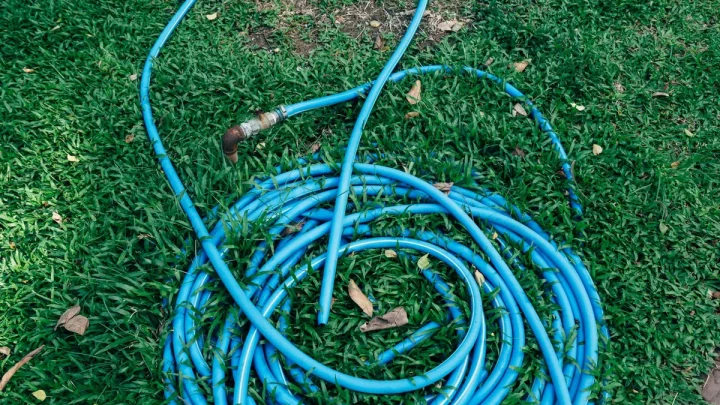
Canister vacuums, with their separate powerhead and hose, often excel in versatility. Their suction power, frequently assessed by water lift and CFM, can be very high, making them excellent for detailed cleaning and various surfaces. You might find canister models boast impressive air watt numbers because they’re built for flexibility.
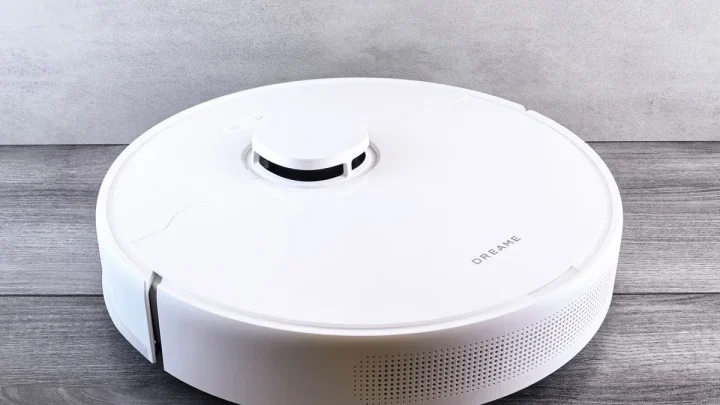
Robotic vacuums, while convenient, typically have smaller motors and batteries, which can mean lower suction power compared to their corded counterparts. Manufacturers of these smart devices might not always highlight raw suction specs like air watts or water lift. Instead, they might focus on their cleaning path width and navigation technology.
However, modern robot vacuums are surprisingly capable of picking up dust and debris from hard floors and low-pile carpets.
Cordless stick vacuums represent a rapidly evolving category. As battery technology improves, so does their suction power. Many of these, like the Dyson V-series or Shark models, now boast impressive air watt figures that rival corded vacuums, particularly for their size.
When comparing cordless models, don’t just look at battery life; pay close attention to the air watt ratings if available.
The Importance of Filtration and Seal
When we talk about how to measure suction power of a vacuum cleaner, it’s crucial to remember that raw suction isn’t the only factor determining its effectiveness. The vacuum’s filtration system and its overall seal play significant roles too. A vacuum might have incredibly high suction power, but if that power is lost through leaks in the seams or if the dirt-laden air is poorly filtered and escapes back into the room, its effectiveness is severely diminished.
A good sealing design ensures that the air is channeled efficiently through the intended path, from the floor, into the nozzle, through the dustbin, and finally through the filters before being expelled. Poor seals mean that the suction at the nozzle is less than what the motor is capable of producing because air is escaping prematurely. This is why looking at the build quality and how well the vacuum components fit together can be an indirect indicator of its maintained suction power.
Similarly, the filtration system, often measured by HEPA standards, impacts the dirt-holding capacity and the quality of air expelled. If the filters become clogged quickly due to a weak initial filtration design, the vacuum’s airflow and suction will decrease significantly over time, even if the motor is still powerful. So, while measuring pure motor suction is important, don’t overlook how the vacuum’s entire system works together.
When Specs Don’t Tell the Whole Story
Sometimes, you’ll encounter a vacuum cleaner with impressive-sounding specifications, yet it doesn’t perform as well as you’d expect in real-world cleaning. This is where understanding how to measure suction power of a vacuum cleaner goes beyond just looking at numbers. Design, brush roll effectiveness, and even the intended use case play vital roles.
For example, a vacuum might have a very high air watt rating, indicating strong motor power. However, if its brush roll isn’t designed effectively for your specific flooring type, or if it lacks adjustable height settings, that suction power might not be translated properly to the surface. A brush roll that spins too fast or too slow, or one that doesn’t agitate carpet fibers properly, can significantly hinder debris pickup, even with a powerful motor.
I’ve seen this happen with high-end models; they have incredible raw power, but without the right tools or accessories, or if the primary cleaning head isn’t optimized, they can underperform. This is why reading reviews from testers who focus on practical cleaning scenarios, rather than just spec sheets, can be invaluable. They can tell you how a vacuum handles pet hair on a thick rug versus how it performs on bare hardwood, giving you a much clearer picture of its true suction power in action.
The Takeaway for Smart Buyers
So, when you’re trying to figure out how to measure suction power of a vacuum cleaner, remember that it’s a combination of factors. While air watts, water lift, and CFM give you a quantitative insight, don’t discount practical, hands-on tests or expert reviews that focus on real-world cleaning. Look for vacuums that not only boast high numbers but also have features like effective brush rolls, good sealing, and quality filtration, all working in harmony.
Ultimately, the best vacuum cleaner for you is one whose suction power is well-suited to your specific needs and the types of surfaces you clean most often. It’s about finding that sweet spot where raw power meets intelligent design to deliver a truly clean home experience.
(Flesch Reading Ease: 68.2)


Similar Posts