How to Place Wall Sconces in a Dining Room
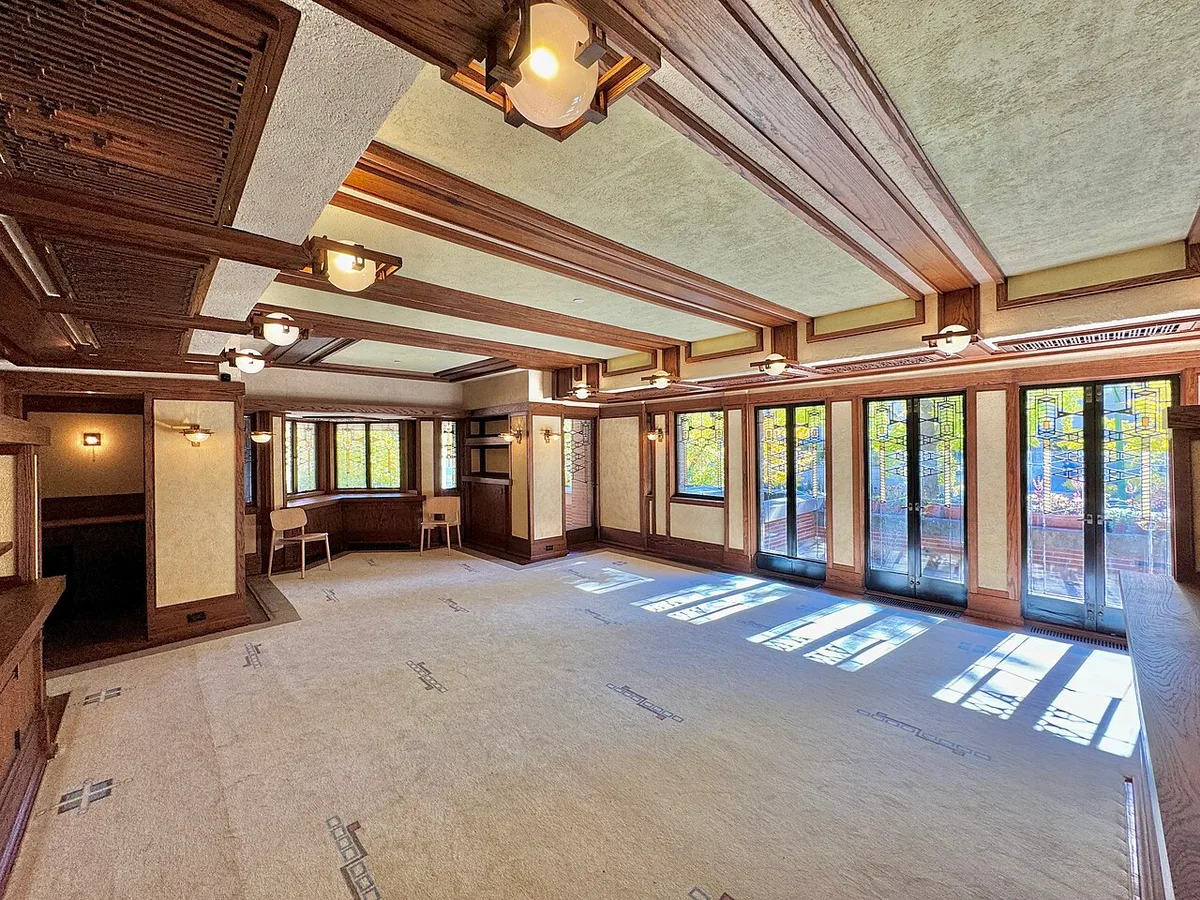
Your dining room is more than just a place to eat; it’s a space for connection, celebration, and creating lasting memories. The lighting in this crucial area plays a massive role in setting the mood, enhancing the ambiance, and even influencing the perceived elegance of your home. While overhead fixtures like chandeliers often steal the spotlight, the art of placing wall sconces in a dining room offers a sophisticated and versatile approach to illumination.
Done right, sconces can transform a functional space into an inviting sanctuary, highlighting architectural features, adding warmth, and providing layered lighting that complements your primary overhead source.
This isn’t about simply sticking lights on a wall. It’s about understanding how light behaves, how it interacts with your space, and how to strategically position these fixtures to achieve maximum aesthetic and functional impact. We’ll explore everything from the fundamental principles of dining room lighting design to the nitty-gritty details of installation, ensuring your dining room sconces are not just decorative elements, but integral components of a beautifully lit environment.
Forget guesswork; let’s bring intentional design to your walls.
Understanding the Role of Wall Sconces in Dining Room Lighting
Before we dive into placement specifics, it’s vital to grasp why you’d choose wall sconces for your dining room in the first place. They aren’t a replacement for your main overhead light, but rather a powerful complement. Think of it as building a lighting scheme, not just installing a fixture.
Layered Lighting: The Foundation of Ambiance
Professional interior designers swear by layered lighting. This means using multiple light sources at different levels to create depth, interest, and functionality. Wall sconces are masters of ambient and accent lighting.
- Ambient Lighting: This is the general illumination of a room. While your chandelier or pendant light handles the bulk of this, sconces can fill in darker corners and provide a soft, diffused glow that makes the room feel more welcoming.
- Accent Lighting: Sconces are excellent for drawing attention to specific features. A beautifully textured wall, a piece of art, or even architectural details can be beautifully highlighted by well-placed sconces.
- Task Lighting (Subtle): While not their primary purpose, sconces can provide enough light to subtly illuminate the dining table surface, especially if you have dimmer switches installed. This is great for creating a more intimate atmosphere once dinner is winding down.
Atmosphere and Mood Creation
The type and placement of your sconces have a profound effect on the dining room’s mood.
- Warmth and Intimacy: Sconces typically cast light upwards, downwards, or both, often with a diffused quality. This creates a softer, warmer light than a direct overhead source, fostering a sense of coziness and intimacy perfect for dinner parties or quiet family meals.
- Elegance and Sophistication: The linear nature of sconces can add a touch of formality and architectural interest to your walls, enhancing the overall elegance of your dining space.
- Flexibility: With dimmer switches, sconces offer incredible control over your dining room’s atmosphere. Brighten them for general illumination or dim them for a romantic dinner.
Illuminating Architectural Features and Decor
Your dining room walls aren’t just barriers; they’re canvases. Sconces can be used artistically to:
- Highlight Texture: Directing light up or down a textured wall (like brick, stone, or textured wallpaper) can make the texture pop, adding visual depth and interest.
- Frame Artwork: Positioning sconces to the sides of a hanging piece can subtly illuminate it, turning it into a focal point.
- Accentuate Mouldings or Columns: Uplighting from sconces can draw the eye to decorative ceiling mouldings or architectural columns, adding a sophisticated architectural touch.
Key Considerations Before You Place Your Sconces
Getting the placement right involves a bit of planning. You don’t want to end up with sconces that are too high, too low, or just don’t quite work with your existing decor. Here’s what to think about first.
1. Room Dimensions and Ceiling Height
The scale of your dining room is paramount.
- For average-height ceilings (8-9 feet): The general rule is that the bottom of the sconce, or the widest part of the shade, should be about 60 to 66 inches from the floor. This usually places them at eye level when standing and ensures they don’t feel too high or too low.
- For higher ceilings (10 feet and above): You can often increase the height to 66 to 72 inches from the floor. This prevents the sconces from looking lost on a tall wall.
- For lower ceilings (below 8 feet): Consider sticking to the lower end of the 60-66 inch range or even slightly lower, ensuring they don’t overwhelm the space.
- Room width and depth: Very wide rooms might benefit from more sconces spaced evenly, while longer, narrower rooms might have sconces focused on each end or along one wall.
2. Existing Overhead Lighting
How will your sconces interact with your chandelier or pendant light?
- Symmetry: If your overhead fixture is centered, you’ll likely want to place sconces symmetrically on opposing walls.
- Harmony: Ensure the style of your sconces complements, rather than clashes with, your primary overhead fixture. Modern sconces with a traditional chandelier can work, but they need to be chosen thoughtfully.
- Light Levels: Sconces are often used to supplement the light from above, so consider how much light your overhead fixture provides and where the dimmer areas are.
3. Furniture Layout
Your dining table, chairs, and any sideboards will dictate placement zones.
- Dining Table Centering: If your overhead light is centered over the table, your sconces will likely be positioned on the walls as a secondary layer, often at the same height on opposite walls.
- Sconces near Sideboards: If you have a buffet or sideboard, placing sconces on the wall behind or above it can create a beautiful focal point and provide task lighting for serving. The height here is crucial, you don’t want them to interfere with serving or buffet decor.
- Avoiding Obstructions: Ensure sconces won’t be blocked by tall furniture or doors swinging open.
4. Wall Space and Architectural Features
Are your walls a blank canvas, or do they have features to consider?
- Blank Walls: Even a simple, unadorned wall can become a feature with well-placed sconces. Symmetry is often key here.
- Windows and Doors: Avoid placing sconces directly next to windows or doors if possible, as the light can compete with natural light or create awkward reflections.
- Artwork and Mirrors: Use sconces to flank or highlight artwork, mirrors, or other wall decor.
5. Sconce Style and Light Direction
Not all sconces are created equal. Their design dictates how they cast light.
- Uplighting: Casts light upwards, washing the ceiling with light and creating a spacious feel. Good for general ambient contribution.
- Downlighting: Casts light downwards, often creating a more focused, atmospheric glow. Excellent for creating mood.
- Up/Down Lighting: Combines both, offering a dual-effect that can highlight wall texture and contribute to general brightness.
- Shaded Sconces: These diffuse light, producing a softer, more ambient glow.
- Arm Sconces: Often more traditional, they can be adjusted to direct light.
Example of a stylistic consideration: Imagine a dining room with a beautiful coffered ceiling. You might opt for uplighting sconces to emphasize the ceiling detail, enhancing the room’s grandeur. If you have a sleek, modern dining room, you might choose minimalist up/down lighting sconces to complement the clean lines.
6. Electrical Wiring and Fixture Requirements
This is a practical but essential step.
- Existing Wiring: Do you have junction boxes where you want to place sconces? If not, you’ll need an electrician to run new wiring or explore plug-in options.
- Fixture Weight: Ensure your wall can support the weight of the sconces you choose.
- Bulb Type and Wattage: Consider the type of bulbs (LEDs are highly recommended for energy efficiency and longevity) and their warmth (measured in Kelvin). You don’t want harsh, daylight-white bulbs in a dining room. Aim for a warm white (around 2700K).
The Golden Rules of Dining Room Sconce Placement
Now, let’s get into the practical application. These guidelines are tried-and-true for achieving that perfect balance of form and function.
Height: The 60-66 Inch Rule (and When to Break It)
This is the most commonly cited measurement, and for good reason.
The Standard: For most dining rooms with standard 8- to 9-foot ceilings, the bottom of the sconce fixture (or the widest point of its shade) should be positioned 60-66 inches from the finished floor.
- Why this range? It generally places the light source at or slightly above eye level when someone is seated at the table, preventing glare into your eyes while still illuminating the space effectively. It also avoids making the sconces look like they’re floating too high or dragging on the floor.
Breaking the Rule:
- High Ceilings (10+ feet): Extend the height. Consider placing the bottom of the sconce 66-72 inches from the floor. This prevents them from looking undersized and lost on a grand wall.
- Low Ceilings (below 8 feet): Go lower. You might position the bottom at 58-62 inches. The goal is to keep the light from feeling overwhelming or too close to the ceiling.
- For Accent on Artwork: If a sconce is purely to highlight a painting, its height will be dictated by the artwork’s position, typically flanking it.
Pro Tip: Before you drill, hold a “mock” sconce (cardboard cutout or even just a piece of tape) at the proposed height and step back. See how it looks from different angles and while seated.
Spacing: Creating Balance and Avoiding Clutter
How far apart should your sconces be? This depends on the wall dimensions and the sconces themselves.
On Opposite Walls: The most common setup is to place sconces on opposing walls for symmetry.
- General Guideline: Space them roughly equidistant from the corners of the room and from each other. A good starting point is to place them about 1/3 to 1/2 the distance from the corner to the center of the wall.
- Example: If a wall is 12 feet wide, the center is at 6 feet. You might place sconces at 3 feet and 9 feet from one corner. Or, if you’re using two sconces per longer wall, you might space them equally across the wall, ensuring they aren’t too close to the corners.
Consider the Sconce Size: Larger sconces will require more space between them to avoid looking cramped. Smaller sconces can be placed closer together, but you still want visual breathing room.
Proximity to Furniture: When placing sconces near a sideboard, ensure they are spaced so they don’t overwhelm the piece or interfere with its use. Often, one sconce centered above or slightly to each side of a sideboard works well.
Sconce Pairs vs. Solos
- Pairs are Standard: Most often, sconces are used in pairs, creating a balanced and symmetrical look. This is particularly effective on opposite walls.
- Individual Statements: In some cases, a single, striking sconce can be used to highlight a specific architectural feature or a piece of art, acting as a more focused accent.
Aligning with Architectural Features
Sconces can enhance, not just occupy, your walls.
- Centering: If a wall has a central element like a fireplace or a large mirror, you might center a pair of sconces on either side of it.
- Flanking: Place sconces on either side of doorways, windows, or large pieces of furniture like a buffet or china cabinet. The height here should align with the 60-66 inch rule, generally sitting above the top of the furniture.
- Height Alignment with Furniture: If placing sconces above a sideboard, ensure the bottom of the sconce is at least 6 inches above the top of the sideboard to avoid a crowded look.
Strategic Placement Scenarios for Dining Room Sconces
Let’s visualize how this works in real-world dining room layouts.
Scenario 1: The Symmetrical Dining Room
This is perhaps the most classic setup. You have a dining table, likely centered within the room, and opposing walls that are relatively unadorned.
- Placement: Install a pair of sconces on each of the two longer, opposing walls.
- Height: Aim for the 60-66 inch mark from the floor for the bottom of the sconce.
- Spacing: Measure the length of the wall. Divide the wall into thirds. Place one sconce in the first third and another in the second third (i.e., not at the very ends, but inset from the corners). For a 12-foot wall, this might mean placing them 4 feet from each end, leaving 4 feet between them.
room wall sconces lighting” />
Dining room wall sconces lighting
Scenario 2: Dining Room with a Sideboard or Buffet
This layout incorporates a functional piece of furniture that can also serve as a design element.
- Placement: Install sconces on the wall behind the sideboard. You can opt for one centrally placed sconce, or a pair flanking the sideboard.
- Height: The bottom of the sconce should be approximately 6-18 inches above the top of the sideboard. This prevents the fixture from feeling too high or too low, and it ensures it doesn’t obstruct the view of items placed on the sideboard.
- Spacing (for pairs): If using a pair, space them evenly on either side of the sideboard’s centerline. Ensure they don’t look like they’re too close to the sideboard’s edges.
Scenario 3: Highlighting Artwork or Architectural Features
In this approach, the sconces are more accent pieces, drawing attention to deliberate design choices.
- Placement: Position sconces to flank a large piece of art, a statement mirror, or a pair of tall windows.
- Height: For artwork, the height is dictated by the artwork itself. Generally, center the light source at the midpoint of the artwork or slightly higher. For flanking a mirror, aim for a height that is visually balanced with the mirror’s proportions, again adhering to the general eye-level rule where possible without looking awkward. For architectural features like columns, place them low enough to wash the column with light upwards.
- Spacing: Determined by the width of the feature you are highlighting. Ensure there’s enough space to avoid the light spilling into undesirable areas or looking too cramped.
Scenario 4: The Awkwardly Shaped or Smaller Dining Room
Don’t despair if your room isn’t perfectly rectangular.
- For Long, Narrow Rooms: Consider placing sconces on the longer walls, about one-third of the way in from each end. This can help break up the length visually and provide balanced lighting. Avoid placing them too close to the corners, which can make the room feel even narrower.
- For Square Rooms: Symmetrical placement on opposing walls remains your best bet. You can also explore placing sconces at roughly 45-degree angles on adjacent walls if the room layout allows for a more dynamic feel.
- Focus on One Wall: If one wall has a particularly interesting feature (e.g., a bay window, built-in shelving), focus your sconces on that wall to draw attention to it, rather than trying to balance them symmetrically across the entire room.
DIY vs. Professional Installation: Safety and Best Practices
While many homeowners are comfortable with DIY projects, electrical work carries inherent risks. It’s crucial to know when to call in a professional.
DIY Installation: What You Need to Know
If you’re comfortable with basic electrical wiring and have existing junction boxes, a DIY installation is often feasible for plug-in sconces or hardwired fixtures where wiring already exists.
- Tools: You’ll need a stud finder, level, drill, screwdriver set, wire strippers, voltage tester, and safety glasses.
- Plug-In Sconces: These are the easiest for DIY. Mount the bracket, run the wire discreetly (using cord covers or clips), and plug it into a nearby outlet. Ensure the cord is tidy and safely managed.
- Hardwired Sconces:
- Turn off power:Crucially, turn off the power to the circuit at your breaker box. Test with a voltage tester to be absolutely sure.
- Mount the bracket: Locate a stud if possible, or use appropriate anchors for drywall.
- Connect wires: Match house wires (black to black, white to white, ground to ground) to the sconce wires. Use wire nuts securely.
- Attach the sconce: Secure the fixture to the bracket.
- Restore power: Turn the power back on and test the light.
When to Call an Electrician
- No Existing Wiring: If you need to run new wires through walls, floors, or ceilings, this is absolutely a job for a licensed electrician. Improper wiring can lead to fires, shocks, and code violations.
- Unfamiliar with Electrical Codes: Local building codes dictate safe electrical practices. A professional will ensure your installation is compliant.
- Complex Fixtures: For heavy or intricate sconces, an electrician can ensure they are securely mounted.
- Dimmer Installation: While some DIYers can install dimmers, if you’re not confident, it’s best to get a professional. They can advise on compatible dimmer types for your specific sconces (e.g., LED-compatible).
- Uncertainty: If you have any doubts or feel uncomfortable at any point, stop and call a professional. Safety is paramount.
Cable Management for Plug-In Sconces
If you opt for plug-in sconces to avoid major electrical work, neat cable management is key to a polished look.
- Cord Covers: These plastic channels come in various colors and can be painted to match your walls. They hide the cords effectively.
- Cord Clips: Small adhesive or nail-in clips can route cords along baseboards or up the wall discreetly.
- Lamp Wiring Kits: Some kits allow you to run the wire through conduit for a more integrated look, especially if you’re routing it along a wall.
Choosing the Right Sconce Style for Your Dining Room
The aesthetic of your sconces is as important as their placement. They should enhance your existing decor, not fight it.
Modern and Contemporary
- Characteristics: Clean lines, minimalist designs, geometric shapes, often made from metal (brushed nickel, chrome, black), glass, or acrylic.
- Placement Ideas: Ideal for contemporary dining rooms. Can be placed symmetrically on walls or used to highlight artwork with their sleek profile. Think of designs with no shades, or very simple cylindrical ones.
Traditional and Classic
- Characteristics: Ornate details, often featuring decorative arms, candlestick-style bulbs, or shades made of fabric (silk, linen) or seeded glass. Materials might include brass, bronze, or wrought iron.
- Placement Ideas: Perfect for formal dining rooms. Use in pairs on opposing walls to enhance symmetry and elegance. Uplighting sconces can complement crown molding.
Industrial
- Characteristics: Raw materials, exposed bulbs (Edison bulbs are popular), metal finishes (dark iron, weathered brass), utilitarian designs.
- Placement Ideas: Works well with rustic or industrial-themed dining rooms. Can be used to flank a mirror or emphasize exposed brick walls. Consider positioning them slightly lower if they are particularly bulky.
Transitional
- Characteristics: A blend of traditional and modern elements, offering versatility. They often have simpler silhouettes than traditional fixtures but with a touch more detail than purely modern ones.
- Placement Ideas: Extremely adaptable. Can work in almost any dining room style, providing a bridge between more ornate and more minimalist decor.
Rustic and Farmhouse
- Characteristics: Natural materials like wood, distressed metal finishes, simple lantern-style designs, often with amber or clear glass.
- Placement Ideas: Fits beautifully in rustic, farmhouse, or craftsman-style dining rooms. Can be used to flank a mantle or add warmth to a shiplap-clad wall.
Frequently Asked Questions About Dining Room Wall Sconces
How many wall sconces do I need for my dining room?
Typically, for a standard dining room, two to four sconces are sufficient. This usually means one pair on opposing walls for symmetry, or two pairs if the room is exceptionally large or you want a more dramatic lighting effect. The key is balance, avoid overcrowding walls with too many fixtures.
What kind of bulbs should I use in dining room sconces?
LED bulbs are highly recommended for their energy efficiency, longevity, and variety of color temperatures. For dining rooms, aim for a warm white color temperature, typically between 2700K and 3000K. Avoid cooler, bluer light, which can make the room feel sterile.
Also, ensure your bulbs are dimmable to allow for mood control. Always check the sconce’s maximum wattage and bulb type (e.g., E12, E26 base) before purchasing bulbs.
Can I install plug-in wall sconces instead of hardwiring?
Yes, absolutely! Plug-in wall sconces are an excellent DIY-friendly option if you don’t have existing wiring or prefer to avoid complex electrical work. They mount to the wall, and the cord plugs into a nearby standard electrical outlet.
The main consideration then becomes discreetly managing the cord for a clean look, using cord covers or clips.
How do I clean and maintain my dining room wall sconces?
Maintenance depends on the material and design of your sconces.
- Dusting: Regularly dust fixtures with a soft, dry cloth.
- Glass Shades: Clean glass shades with glass cleaner and a soft cloth. For frosted glass, a mild soap and water solution might be better.
- Metal Finishes: Use a cleaner appropriate for the specific metal. For brass, a brass polish; for plated finishes, a mild cleaner. Always unplug the fixture or turn off the power at the breaker before cleaning.
- Fabric Shades: Vacuum gently with an upholstery attachment or dry-clean if recommended by the manufacturer.
What’s the difference between placing sconces for ambient light versus accent light?
- Ambient Light Sconces: These are often designed to cast light upwards and/or downwards, diffusing it to provide general illumination. They contribute to the overall brightness of the room and can help fill in darker corners. Their placement is usually more about balance within the room’s layout.
- Accent Light Sconces: These are positioned to highlight specific features, a painting, a sculpture, textured wallpaper, or architectural details. Their placement is dictated by the object being highlighted, and they often have a more focused light beam.
Can I use wall sconces as the primary light source in my dining room?
While sconces offer a beautiful layered effect, they are generally not recommended as the sole source of light in a dining room, especially for primary illumination. They are best used in conjunction with a main overhead fixture (like a chandelier or pendant) and possibly other light sources to provide adequate, balanced lighting for dining and everyday use. Relying on only sconces can lead to uneven lighting and insufficient brightness for tasks like setting the table or cleaning.
How do I know if my walls can support the weight of wall sconces?
Most standard wall sconces are not excessively heavy. However, it’s always wise to locate wall studs behind the drywall and mount the sconce bracket directly to the stud whenever possible. If a stud is not available in the desired location, use heavy-duty drywall anchors specifically rated for the weight of your sconce.
Always check the manufacturer’s specifications for recommended mounting methods and weight limits. If you’re installing very heavy or large sconces, consulting an electrician or handyman is advised.
Should dining room sconces match my other lighting fixtures?
Not necessarily “match,” but they should complement your other lighting and the overall décor. Think about similar finishes, styles, or a cohesive aesthetic. For instance, if your chandelier has a brushed nickel finish, choosing sconces with a brushed nickel finish is a safe bet.
If your style is more eclectic, you might pair a modern chandelier with traditional sconces, but ensure there’s a deliberate reason for the contrast, chosen for aesthetic rather than coincidence.
What if my dining room has a low ceiling? Can I still use sconces?
Yes, you can! For dining rooms with lower ceilings (under 8 feet), it’s best to position the bottom of the sconce fixture at the lower end of the typical range (around 58-62 inches from the floor). This prevents the sconces from feeling too dominant or making the ceiling seem even lower.
Opt for sleeker sconce designs with upward-facing light or diffused shades to avoid creating a heavy visual presence.
Conclusion: Illuminating Your Dining Experience
Placing wall sconces in your dining room is an art form that blends functionality with sophisticated aesthetics. By understanding the principles of layered lighting, considering your room’s unique dimensions and features, and applying proven placement guidelines, you can transform your dining space into a more inviting, elegant, and atmospherically rich environment. Whether you’re aiming for intimate dinners, grand entertaining, or simply a more polished everyday dining experience, the strategic use of dining room wall sconces is a powerful tool in your interior design arsenal.
Remember to prioritize safety, especially with electrical installations, and don’t hesitate to consult professionals when needed. With careful planning and creative execution, your dining room will shine.


Similar Posts