How to Remove Odor From Storage Containers
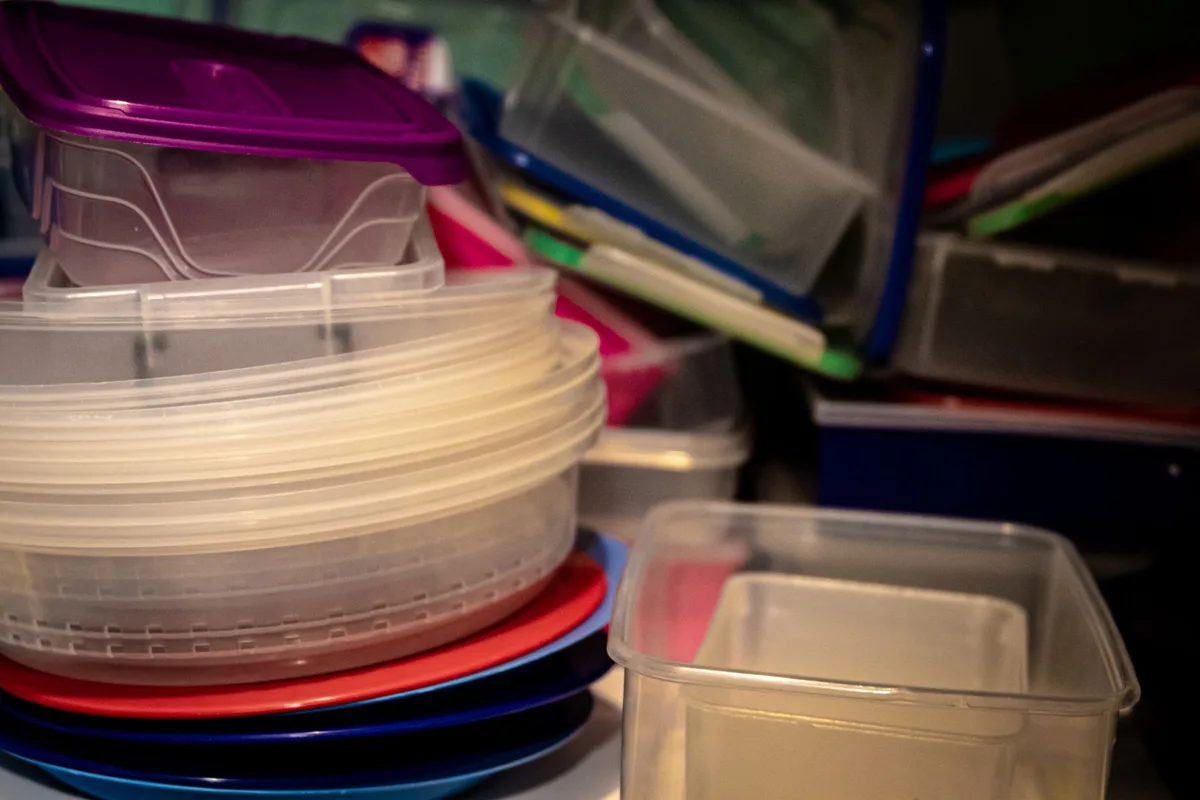
You open a storage container and the smell hits you like a wall. It’s that sour, stale odor that no amount of soap seems to fix. Learning how to remove odor from storage containers saves you money and keeps your kitchen smelling fresh.
Plastic is naturally porous. Odor molecules get trapped in tiny scratches we can’t see. As of 2026, research confirms that material type directly affects how odors cling and what methods actually work.
The right approach depends on your container and the source of the smell.
Quick Answer
Baking soda and white vinegar neutralize most food odors. Sunlight breaks down stubborn smells with UV rays. Bleach water disinfects containers that held spoiled food.
Match the method to the material and odor type. Always rinse thoroughly after any treatment.
Why Smells Stick to Plastic (And Why Glass Is Easier)

What makes plastic absorb odors so easily?
Plastic isn’t solid all the way through. At a microscopic level, it has tiny pores and gaps between polymer chains. These spaces trap odor molecules from foods like garlic, fish, and tomato sauce.
When you wash a container, soap and water can’t reach deep enough to flush those molecules out.
Every time you scrub a plastic container with an abrasive pad, you create new scratches. Those scratches become even more hiding spots for odors. Over time, the plastic becomes rougher and more absorbent.
That’s why an old container smells worse than a brand new one.
Why glass doesn’t have the same problem
Glass is non-porous. Its surface is smooth and dense at the molecular level. Odor molecules have nowhere to hide.
A quick wash with hot water and soap removes nearly all smells from glass containers. The U.S. Food and Drug Administration’s guidelines on food contact materials confirm that glass is one of the most inert and non-absorbent surfaces available for food storage.
Stainless steel behaves similarly to glass. It resists odor absorption because of its smooth, non-porous surface. Silicone sits somewhere in the middle.
It’s less porous than plastic but more absorbent than glass. Knowing these material differences helps you choose the right method for each container.
Quick Decision Guide – Which Method Should You Try?
Your choice depends on three variables. The container material. The odor type.
The time you have available. Here’s how to decide.
If the container is plastic and the smell is mild (garlic, onion, spice)
Use baking soda and vinegar. This method neutralizes most common food odors without damaging the plastic. It takes about 15 to 30 minutes.
If the container is plastic and the smell is strong (spoiled meat, rancid milk, mold)
Use a bleach water soak. This kills the bacteria causing the odor. Only use this on containers marked dishwasher safe or bleach safe.
Limit the soak to 10 to 15 minutes.
If the container is glass or ceramic
Use lemon juice and salt, or a vinegar soak. These materials can handle acidic treatments without damage. Scrubbing with salt removes residue that traps smells.
If you have time and sunlight
Leave the container in direct sunlight for 2 to 4 hours. UV light breaks down odor compounds naturally. This works for plastic and glass alike.
If you need a quick fix in under a minute
Use rubbing alcohol spray. Spray the inside, let it sit for 30 seconds, then wipe dry. This works best for containers that held dry food or minor smells.
Here’s a quick reference table for the main decision paths:
| Odor Strength | Container Material | Best Method | Time Needed |
|---|---|---|---|
| Mild | Plastic | Baking soda + vinegar | 15-30 min |
| Strong | Plastic (bleach-safe) | Bleach water soak | 10-15 min |
| Mild | Glass | Vinegar or lemon soak | 30 min |
| Any | Any (sunny day) | Sunlight + air drying | 2-4 hours |
| Quick refresh | Any | Rubbing alcohol spray | 1 minute |
Method 1 – Baking Soda + White Vinegar Soak
How does this method work?
Baking soda is a mild alkali. Vinegar is a mild acid. When you mix them, they create a fizzing reaction that helps lift odor molecules from the plastic surface.
The reaction also creates carbon dioxide bubbles that carry trapped particles away.
Step-by-step process
Step 1. Wash the container with hot water and dish soap. Remove any visible food residue. A clean surface lets the treatment work better.
Step 2. Sprinkle one tablespoon of baking soda inside the container. Add one cup of white vinegar. The mixture will fizz immediately.
Let it bubble for a few seconds.
Step 3. Add enough warm water to fill the container about halfway. Swish it around to mix everything. Let it soak for 15 to 30 minutes.
Step 4. Pour out the solution. Scrub the container with a soft sponge. Rinse thoroughly with warm water.
Step 5. Smell the container. If any odor remains, repeat the process or let it soak longer. For stubborn smells, leave the mixture in the container overnight.
When does this method work best?
It works on mild to moderate food odors. Garlic, onion, curry, tomato sauce, and spice smells respond well. It does not work as well on rancid, sour, or bacterial odors.
Those need a disinfecting method like bleach or alcohol.
What the research says
Aggregate user reviews and household cleaning studies confirm that baking soda and vinegar are effective for odor neutralization. The EPA’s Safer Choice program lists both ingredients as low concern for human health and the environment. They are safe for most plastics when used in the correct ratios.
Method 2 – Sunlight + Air Drying
How does UV light remove odors?
Ultraviolet light from the sun breaks down the chemical bonds in odor molecules. This process is called photodegradation. It turns smelly compounds into smaller, odorless molecules.
The UV rays also kill bacteria and mold spores that can cause lingering smells.
Step-by-step process
Step 1. Wash the container thoroughly with soap and water. Remove all food residue and grease.
Step 2. Place the container upside down on a clean surface in direct sunlight. A patio, deck, or sunny windowsill works well. Make sure it won’t blow away.
Step 3. Leave it for 2 to 4 hours. Turn the container over halfway through if the sun is low in the sky. This ensures both sides get UV exposure.
Step 4. Bring the container inside. Let it cool if it feels hot to the touch. Smell test it.
If the odor persists, repeat for another 2 hours.
Important considerations
Sunlight works best on clear or translucent containers. The UV rays need to penetrate the plastic. Thick, opaque, or dark colored containers may not respond as well.
Weather matters. Cloudy days reduce UV intensity. Winter months in northern climates may not provide enough sun.
In those cases, pair sunlight with another method like vinegar or baking soda first.
What about plastic damage?
Prolonged UV exposure can make some plastics brittle over time. For occasional use (once a month or less), this is not a concern. Do not leave containers outside for days at a time.
Stick to 2 to 4 hour sessions.
Method 3 – Bleach Water Soak
When should you use bleach?
Bleach is for the tough cases. Spoiled meat, rancid milk, moldy leftovers, and any container that makes you gag. These odors come from bacteria and their waste products.
Bleach kills the bacteria and neutralizes the chemical compounds causing the smell.
The correct dilution ratio
Use exactly one tablespoon of regular bleach per one gallon of water. This ratio is strong enough to kill bacteria and remove odors. It’s also dilute enough to avoid damaging most plastics.
Never use more bleach than this. Higher concentrations can harm plastic and leave toxic residue.
Step-by-step process
Step 1. Wash the container with soap and water first. Remove any visible residue.
Step 2. Mix the bleach solution in a clean bucket or sink. Use cool water. Hot water can cause bleach to release fumes more quickly.
Step 3. Submerge the container completely. Let it soak for 10 to 15 minutes. Do not exceed 15 minutes for plastic containers.
Step 4. Pour out the bleach solution. Rinse the container thoroughly with hot water. Rinse at least three times to remove all traces of bleach.
Step 5. Let the container air dry completely. Smell test it. The odor should be gone.
Which plastics are safe for bleach?
Only use bleach on containers marked dishwasher safe or microwave safe. These plastics are typically made from polypropylene or high-density polyethylene. Thin, disposable containers like deli cups and takeout containers should not be bleached.
They can warp, crack, or absorb bleach.
Safety warnings
Never mix bleach with vinegar, ammonia, or rubbing alcohol. The combination creates toxic chlorine gas. Always work in a well ventilated area.
Wear gloves to protect your skin. Rinse containers extremely well before using them for food again. The U.S.
Environmental Protection Agency’s Safer Choice program provides detailed guidelines on safe bleach use in household cleaning.


Similar Posts