How to Remove Smell From Mop Head?

That tell-tale vinegar-and-sadness smell emanating from your mop head? We’ve all been there. It’s a common, yet incredibly frustrating, problem.
A stinky mop head doesn’t just make cleaning unpleasant; it can actually spread odors and bacteria around your home. Fortunately, learning how to remove smell from mop heads is straightforward, and with a few regular habits, you can keep that unpleasant funk at bay. This guide will walk you through the best methods, from quick fixes to deep cleaning, ensuring your mop remains a tool for freshness, not an odor-bomb.
Why Mop Heads Get Smelly
Before we dive into the solutions for how to remove smell from mop head, it’s vital to understand why they get smelly in the first place. Mop heads are prime real estate for microscopic organisms. Think about it: they soak up spills, dust, and grime from your floors.
Then, they’re often left damp in a bucket or a closet, creating a perfect breeding ground for bacteria and mold. These culprits are the masterminds behind those musty, sour, or even truly foul odors. Humidity, insufficient drying, and infrequent cleaning all contribute to the problem.
You might have noticed that some mop materials seem to hold onto smells more than others. Cotton, while absorbent, can be particularly prone to mildew if not dried properly, while microfiber, though generally more resistant, can still develop a funk if neglected.
The Immediate Fix: Rinsing and Drying
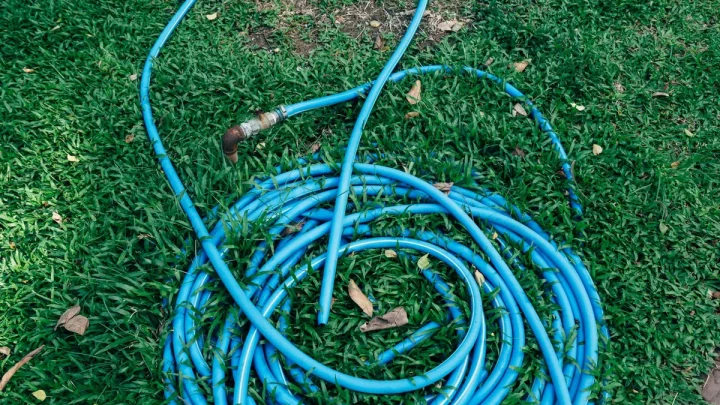
The absolute first step in tackling a smelly mop head, and crucially, in preventing future odors, is immediate and thorough rinsing. As soon as you finish mopping, don’t just dump that dirty water and leave the mop in its bucket. Take it to a utility sink or even outside with a hose.
Rinse the mop head under cool, clean running water. Gently wring it out several times. You’ll be surprised how much grime and residual cleaning solution comes out.
Keep rinsing until the water runs clear. This simple act removes a significant amount of the odor-causing residue.
Once rinsed, it’s imperative to dry the mop head completely. Squeeze out as much water as possible. Then, hang it upright in a well-ventilated area.
Ideally, this would be outdoors in the sun, as UV rays can help kill bacteria. If that’s not possible, hang it near an open window or in a room with good airflow. Never leave a damp mop head balled up in the bucket or shoved in a closed closet.
I’ve found that simply airing it out properly after each use drastically reduces the need for deeper cleaning later on.
Deep Cleaning Methods to Banish Odors
When rinsing and drying aren’t enough, it’s time for a more intensive approach to get rid of that persistent smell. These methods go deeper to eliminate the bacteria and mold responsible for the odor.
The Vinegar Soak: A Natural Powerhouse
White vinegar is a champion when it comes to natural cleaning and deodorizing. Its acetic acid content effectively neutralizes alkaline odors and kills many types of odor-causing bacteria and mold. This is often my go-to for a solid refresh.
To perform a vinegar soak, fill a bucket with warm water. Add about 1 to 2 cups of white vinegar. Submerge your mop head completely in the solution.
Let it soak for at least 30 minutes to a couple of hours, depending on how severe the smell is. For exceptionally stubborn odors, you can even let it soak overnight.
After the soak, thoroughly rinse the mop head under cold water. Wring it out well, and then follow the crucial step of drying it completely. Air drying in the sun is ideal for maximum odor-fighting power.
The vinegar smell itself will dissipate as it dries, leaving behind a fresh mop. This is a fantastic way to deep clean without harsh chemicals.
Baking Soda: The Odor Absorber
Baking soda is another incredible natural deodorizer. It works by absorbing odors rather than just masking them. It’s particularly effective for those lingering, stale smells.
There are a couple of ways to use baking soda. You can create a paste by mixing baking soda with a little water and rubbing it into the mop head fibers. Let it sit for about 30 minutes, then rinse thoroughly.
Alternatively, and this is my preferred method for ease, you can dissolve about ½ cup of baking soda in a gallon of warm water and use this solution to soak the mop head, similar to the vinegar method. Soak for at least an hour, then rinse and dry completely.
Some people also like to sprinkle dry baking soda directly onto a damp mop head, let it sit for a few hours, then brush it off and rinse. I find the soaking method more effective for really getting into the fibers to absorb smells.
Bleach Solution: For Tough Grime and Serious Odors
For mop heads that are seriously stained and have a potent odor, a diluted bleach solution can be very effective. However, use this method with caution, as bleach can degrade certain fibers over time and can be harsh. Always check your mop head’s material instructions before using bleach.
It’s generally best reserved for synthetic or durable cotton mop heads.
Mix about ½ cup of bleach with a gallon of cool water in a well-ventilated area. Submerge the mop head, ensuring it’s fully saturated. Let it soak for about 10-30 minutes.
Do not leave it in for too long, as it can weaken the fibers.
After soaking, rinse the mop head extensively under cool running water until you can no longer smell any bleach. It’s absolutely critical that all bleach residue is removed. Wring it out thoroughly and dry it completely in a well-ventilated area.
I’ve found that using bleach sparingly and only when necessary is key to maintaining the longevity of your mop head.
Using Your Dishwasher: A Surprise Cleaning Hack
Believe it or not, your dishwasher can be a great tool for cleaning and deodorizing certain types of mop heads! This works best for synthetic or microfiber mop heads that can withstand the heat and agitation.
First, rinse the mop head really well to remove any loose debris and surface gunk. Then, place it on the top rack of your dishwasher. You can run it on a regular wash cycle, preferably with hot water.
Using a dishwasher detergent will help break down grease and grime, while the hot water and steam can help kill bacteria. Some people even add a cup of white vinegar to the detergent dispenser for an extra deodorizing boost.
Once the cycle is complete, remove the mop head and ensure it dries completely. Hanging it to air dry is still the best bet to prevent any residual dampness from causing new smells. This method is super convenient, especially if you have a dedicated mop head for certain tasks.
I was skeptical at first, but it’s surprisingly effective!
Washing Machine Magic: Another Easy Option
If your mop head is machine washable (again, always check the manufacturer’s label!), this is another simple and effective way to tackle odors.
Separate your mop head from any other laundry. You don’t want to transfer grime or odors. Wash it on a hot water cycle with a good quality detergent.
For an extra oomph against smells, you can add about 1 cup of white vinegar or ½ cup of baking soda directly into the wash drum along with the mop head. Some people also opt for adding a capful of bleach to a bleach-safe mop head for a more powerful clean.
After the washing cycle, it’s crucial to get it dry. Tumble dry on a low-heat setting if the manufacturer allows it. Otherwise, hang it to air dry thoroughly as you would with any other method.
Over-drying on high heat can damage some mop head materials, so be mindful of that.
Letting it Breathe: The Power of Sunlight
I cannot stress enough how much of a role sunlight plays in natural deodorizing. The UV rays from the sun are powerful at killing bacteria and mold, which are the primary culprits behind that unpleasant mop head odor.
Whenever possible, after cleaning your mop head and giving it a good wringing, hang it outside in direct sunlight. Even a few hours can make a significant difference. I’ve found that on sunny days, a quick hang-out is often all that’s needed to keep a mop head smelling fresh between deeper cleans.
It’s a free, natural, and incredibly effective method.
Prevention is Key: Habits for a Fresh Mop
The best way to deal with a smelly mop head is to prevent the smell from developing in the first place. By incorporating a few simple habits into your cleaning routine, you can significantly extend the life of your mop head and keep your home smelling fresh.
Rinse Immediately After Every Use
This is the golden rule. As soon as you’re done mopping, rinse the mop head thoroughly under clean, running water until the water runs clear. This washes away most of the dirt and debris that would otherwise ferment and cause odors.
Dry Thoroughly and Promptly
After rinsing, squeeze out as much water as humanly possible. Then, hang the mop head upright, ideally in a well-ventilated area or outdoors. Ensure it has ample airflow to dry completely.
Avoiding that damp, stagnant environment is crucial.
Regular Cleaning Schedule
Don’t wait until your mop head smells to clean it. Aim to deep clean your mop head at least once a week, or more often if you use it frequently. This could involve a vinegar soak, a baking soda treatment, or a machine wash, depending on your preferences and the mop head material.
Machine Washable Mop Heads
If you’re in the market for a new mop head, consider investing in one that is machine washable and durable. Many modern microfiber mop heads are designed for easy cleaning and are often more resistant to odors than traditional cotton heads. They can often withstand multiple washes without degrading.
Storage Matters
Store your mop head in a dry, well-ventilated area. Avoid keeping it in a closed bucket or a damp closet. Hanging it up allows air to circulate around it, further preventing mildew and odor development.
Replacing Your Mop Head
Even with the best care, mop heads don’t last forever. Eventually, fibers break down, they become too worn to clean effectively, or sometimes, odors just become permanently embedded. When your mop head reaches this stage, it’s time for a replacement.
A good rule of thumb is to replace it every 3 to 6 months, or sooner if it starts showing signs of wear or stubborn odors that just won’t budge. A fresh mop head makes a world of difference in your cleaning effectiveness and the overall smell of your home. Learning how to remove smell from a mop head is a skill every homeowner should possess, but knowing when to simply replace it is just as important.
Addressing Different Mop Head Materials
The best method for cleaning and deodorizing can sometimes depend on the material of your mop head. Let’s briefly touch on some common types.
Cotton Mop Heads
Cotton is highly absorbent but can also be prone to mildew if not dried properly. For cotton mop heads, the vinegar soak is an excellent choice. Baking soda also works well.
Be cautious with bleach, as it can weaken cotton fibers over time. Thorough drying is absolutely paramount for cotton. If it remains damp, you’ll be back to square one with the smell.
Microfiber Mop Heads
Microfiber is generally more durable and often more resistant to odors than cotton. Machine washing is usually the easiest and most effective method for microfiber. Hot water cycles, perhaps with a vinegar or baking soda boost, are great.
Most microfiber mop heads can also withstand gentle bleach solutions, but it’s always wise to check the care label. Proper drying is still important, though they tend to dry faster than cotton.
Synthetic Blends
Many mops use a blend of synthetic fibers. These often offer a good balance of absorbency and durability. The methods described above, vinegar soaks, baking soda treatments, and machine washing, are generally safe and effective for most synthetic blends.
Always err on the side of caution and check manufacturer instructions if available.
By understanding the material of your mop head, you can tailor your cleaning and deodorizing efforts for the best results and longevity.
A Quick Recap on Eliminating Mop Head Odors
To truly master how to remove smell from mop head, remember these key actions. Start with an immediate, thorough rinse after every use, followed by complete air drying in a well-ventilated space. For deeper cleaning, leverage the power of white vinegar or baking soda soaks.
When necessary and appropriate for the material, consider a diluted bleach solution or a hot wash cycle in the machine. Don’t forget the natural deodorizing power of sunlight. Implementing these steps consistently will ensure your mop head remains a clean and effective tool for a fresh-smelling home.
The cycle of cleaning, rinsing, and drying is the most powerful weapon in your arsenal against a stinky mop.
When All Else Fails: It’s Time for a New Mop Head
There comes a point, no matter how diligent you are, where a mop head has truly seen better days. If you’ve tried every method, the vinegar, the baking soda, thorough drying, even a gentle bleach wash, and that persistent, unpleasant odor still clings to the fibers, it’s simply time for a replacement. It’s not a failure on your part; it’s just the natural end of a mop head’s life cycle.
Trying to revive a hopelessly smelly mop head can sometimes just redistribute odors or bacterial residue onto your clean floors, which defeats the whole purpose of cleaning. A new mop head is an inexpensive investment that guarantees a fresh start and truly clean floors. I’ve learned over time that accepting when it’s time to let go of an old mop head is part of being a smart and effective cleaner.


Similar Posts