How to Throw Away a Trash Can
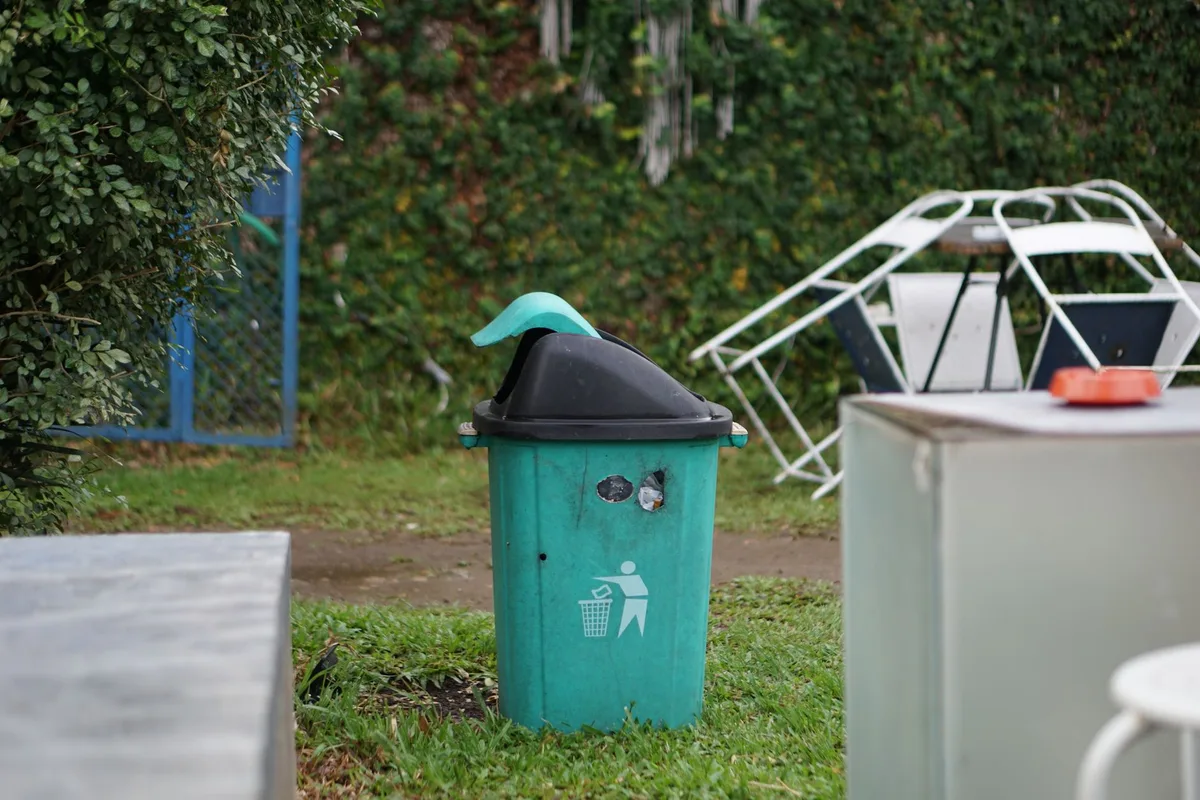
Image source: Pexels / Frame pixeel (Pexels License)
Let me guess. You’ve got a trash can that’s seen better days. Maybe it’s cracked.
Maybe the lid won’t stay on. Maybe it smells so bad that even the garbage inside is complaining.
And now you’re staring at it, wondering: How do I throw away the thing that holds my throw-away stuff?
It sounds ridiculous, I know. But this is one of those questions that trips up everyone eventually. You can’t just toss a trash can into another trash can, unless you’re nesting dolls, that doesn’t work.
Local rules vary. Materials matter. And if you do it wrong, you might end up with a fine, a rejection sticker on your bin, or a guilty conscience.
I’ve spent years writing about waste management, recycling logistics, and municipal disposal systems. I’ve talked to sanitation workers, read through dozens of city ordinances, and helped people navigate exactly this kind of headache.
Here’s the truth: throwing away a trash can is simple once you know the rules. But the rules aren’t intuitive. That’s what we’re going to fix today.
By the end of this guide, you’ll know exactly how to get rid of that old bin, legally, responsibly, and without making a mess of your curb on pickup day.
Why You Can’t Just Toss It in Another Trash Can
Let’s start with the obvious question.
If you put your old trash can inside your new trash can and roll it to the curb, what happens? In most places, the sanitation crew won’t take it. Here’s why.
First, space matters. A full-sized trash can takes up the entire volume of another can. That means your actual household waste has nowhere to go.
Sanitation services bill by volume or by can count. They’re not hauling away an empty container that’s just acting as a shell for another empty container.
Second, it looks suspicious. Workers are trained to spot bulk items, illegal dumping, and unusual shapes. A trash can inside a trash can reads as “someone trying to bypass the rules.” They’ll leave it behind.
Third, material identification issues. Modern recycling and waste sorting facilities use automated equipment. A rigid plastic can thrown into the regular waste stream can damage compactors.
Metal cans can jam shredders. Your trash can is not the same as the trash inside it.
So no, you can’t just play matryoshka dolls with your garbage bins. You need a dedicated disposal plan.
Step 1: Check if It’s Actually Ready for Disposal
Before you do anything, take a hard look at that trash can. Ask yourself: Is it truly beyond repair?
I’m not saying you need to become a trash-can hoarder. But too many people toss bins that could still serve a purpose. A broken wheel doesn’t make the whole can useless.
A cracked lid can be replaced. Even that mysterious smell can often be eliminated with the right cleaning method.
If the can is structurally sound but just dirty or ugly, consider giving it a second life. Use it for yard waste. Store garden tools in it.
Repurpose it for recycling overflow. Donate it to a neighbor who needs a spare.
Only proceed with disposal if:
- The plastic is cracked or split beyond repair
- The metal is rusted through or sharp-edged
- The wheels are missing or broken and cannot be replaced
- The lid no longer fits or seals
- The can has absorbed odors that won’t come out
If any of those apply, it’s time to say goodbye.
Step 2: Determine What Your Trash Can Is Made Of
This step matters more than you’d think. Your disposal method depends entirely on the material.
Most residential trash cans fall into three categories:
Plastic (polyethylene or polypropylene), The most common. These are usually dark gray, green, or black. They’re lightweight, durable, and recyclable in theory, but most municipal recycling programs won’t take them.
Metal (galvanized steel or aluminum), These were popular before plastic took over. They’re heavy, dent-resistant, and often painted. Metal cans are recyclable at scrap yards, but not through curbside pickup.
Wood or composite, Less common, but you see them in upscale neighborhoods or commercial settings. These need special handling. You can’t recycle them through standard channels.
Look for a recycling symbol on the bottom or inside the lid. If you see a number inside the triangle, that’s your resin identification code. Most plastic trash cans are marked as #2 (HDPE) or #5 (PP).
Take a photo of the symbol. You’ll need that info when you call your local waste authority.

Image source: Pexels / Julio Lopez (Pexels License)
Step 3: Clean Your Trash Can Before Disposal
I cannot stress this enough. Clean the can first.
Sanitation workers deal with enough filth. They shouldn’t have to handle your rancid, month-old coffee grounds and mystery sludge. Plus, many recycling centers and disposal facilities will reject a bin that hasn’t been emptied and rinsed.
Here’s how to do it right:
Empty everything. Turn the can upside down. Shake out any loose debris. Remove any liner bags that are stuck to the bottom.
Scrub the interior. Use a stiff brush, hot water, and a degreaser or dish soap. For stubborn odors, add a cup of white vinegar or baking soda. Let it sit for 15 minutes, then scrub again.
Rinse thoroughly. Hose it down. Make sure no soap residue remains.
Dry it completely. Leave the can upside down in the sun for a few hours. Moisture attracts pests and makes handling unpleasant.
Remove any non-can parts. Take off the lid, wheels, axles, or metal handles if they’re detachable. Those might need separate disposal.

Image source: Pexels / www.kaboompics.com (Pexels License)
Once it’s clean, you can safely move to disposal without grossing out your neighbors or the collection crew.
Step 4: Check Your Local Disposal Rules
Here’s where most people mess up.
Each city, county, or waste district has its own rules for bulk items and large plastics. A trash can is considered “bulky waste” almost everywhere. That means it doesn’t fit in your regular curbside bin.
You need to find out:
- Does your city offer bulky waste pickup?
- Do you need to schedule a special appointment?
- Is there a fee?
- Are there size or weight limits?
- Do they accept the material your can is made of?
The easiest way to get answers is to visit your local municipal website. Search for “bulk waste pickup” or “large item disposal.” You can also call the sanitation department directly.
If you don’t have the city info handy, check the EPA’s waste management resources for general guidelines that apply to most U.S. jurisdictions.
Some common scenarios:
Curbside bulk pickup, Many cities let you place one or two bulky items at the curb on a scheduled day. You might need to call ahead or register online. The can goes next to your regular bins, not inside them.
Drop-off centers, If your city doesn’t offer pickup, they’ll have a transfer station or recycling center. You drive there, pay a small fee, and drop the can in the designated area.
Private haulers, Some companies specialize in junk removal. They’ll take anything for a price. This is the most convenient option but the most expensive.
Scrap yards, For metal trash cans, scrap yards will often take them for free and might even pay you by the pound. Call ahead to confirm they accept painted or coated metals.
Step 5: Prepare the Can for Pickup or Drop-Off
Once you know your disposal method, prep the can accordingly.
If you’re doing curbside bulk pickup:
- Place the can on its side or upside down at the curb.
- Make sure it’s clearly separate from your regular bins.
- Remove any detachable parts that could fly away in the wind.
- If required, cut the can in half or break it down. Some cities require bulk items to be smaller than 4 feet in any dimension.
- Check if you need to label it as “trash” with a sticker or marker.
If you’re taking it to a drop-off center:
- Transport it in a pickup truck or large vehicle.
- Secure it so it doesn’t bounce out during transit.
- Bring proof of residency, many centers only serve local residents.
- Have cash or card for the disposal fee.
If you’re sending it to a scrap yard:
- Strip any non-metal parts. Remove plastic lids, wheels, and rubber bumpers.
- Clean it thoroughly. Yards reject greasy or dirty metal.
- Call ahead to confirm they accept the specific metal type.
Step 6: Consider Recycling (Even Though It’s Tricky)
Here’s the part that frustrates most people.
plastic trash cans are technically recyclable. They’re made from high-quality plastic that could be turned into new products. But most curbside recycling programs do not accept them.
Why? Because they’re too large for standard sorting equipment. They jam conveyors.
They confuse optical sorters. And they take up too much space in the recycling truck.
However, some specialized recycling centers do take them. You just have to find the right one.
Look for:
- Hard plastic recycling events, Some cities host periodic collection days for bulky plastics.
- Manufacturer take-back programs, A few bin manufacturers offer recycling for their own products.
- Scrap plastic buyers, Industrial recyclers sometimes accept large rigid plastics by the ton.
- TerraCycle or similar programs, These specialty recycling services accept hard-to-recycle items, but you’ll likely pay shipping.
If you can’t find a recycling option, don’t beat yourself up. Landfill disposal is sometimes the only practical choice for large plastic items. That’s a design problem, not a you problem.
Step 7: Alternative Disposal Methods (When Standard Options Fail)
Sometimes the normal routes don’t work. Maybe your city doesn’t have bulk pickup. Maybe the drop-off center is too far.
Maybe you’re just tired of dealing with it.
Here are backup plans that work:
List it for free online, Post it on Craigslist, Facebook Marketplace, or Freecycle. Someone out there needs a trash can. Even a cracked one can be useful for storage, compost, or shop use.
I’ve seen people pick up cans that I’d have sworn were worthless.
Donate to a community garden, Gardens always need containers for soil, tools, or water collection. Call a local community garden and ask. They’ll usually take any can that’s clean and mostly intact.
Use it as a planter, Drill drainage holes in the bottom, fill it with soil, and plant something. A trash can makes a surprisingly good raised bed for tomatoes or peppers.
Cut it up for smaller disposal, If your local rules allow it, cut the can into smaller pieces with a saw or heavy shears. Then put those pieces in your regular trash over several weeks. This is tedious but works in a pinch.
Hire a junk removal service, Companies like 1-800-GOT-JUNK? or local competitors will haul away almost anything. You pay by volume. It’s not cheap, but it’s hands-off.
Common Mistakes People Make
I’ve seen these errors over and over. Avoid them.
Putting the can in another can. We already covered this. Don’t do it.
Leaving trash inside. Sanitation workers have the right to refuse any container that’s not emptied. If there’s even a single bag of garbage inside your old trash can, they’ll leave it.
Forgetting to remove the lid. The lid is a separate item in most disposal systems. If it’s attached, the whole thing might be rejected.
Assuming it’s recyclable. Most trash cans are not accepted in curbside recycling. Check before you toss it in the blue bin.
Contamination fines are real.
Putting it out too early. Bulk items left at the curb days before pickup can result in a ticket. Know your city’s rules.
Not securing it. A loose trash can can roll into traffic, block a storm drain, or become a projectile in high winds. Weigh it down or position it carefully.
What About the Wheels and Metal Parts?
If your trash can has wheels, axles, or metal handles, you need to dispose of those separately in many cases.
Wheels, Usually made of hard plastic with a metal axle. Pop them off if you can. The plastic wheels can go in regular trash.
The metal axle can be recycled at a scrap yard or tossed in the garbage if it’s small enough.
Metal handles, If they’re detachable, remove them. They’re usually steel or aluminum. Scrap yards will take them.
Otherwise, wrap them in newspaper and put them in the trash.
Rubber bumpers, Some cans have rubber feet or bumpers. These are not recyclable. Trash them.
Lids, Treat the lid the same as the can body. If you’re recycling the can, recycle the lid too. If you’re trashing it, trash the lid too.
A Quick Reference Table
| Material | Best Disposal Method | Recycling Possible? | Notes |
|---|---|---|---|
| Plastic (HDPE, PP) | Bulk pickup or drop-off | Limited — find specialty recycler | Check resin code first |
| Steel | Scrap yard | Yes — recycle with metal | Strip plastic parts |
| Aluminum | Scrap yard | Yes — high value | Clean thoroughly |
| Wood/Composite | Landfill or reuse | No | Avoid treated wood in gardens |
| Rubber | Trash | No | Small pieces only |
Final Pro Tips
Here’s what I want you to remember.
Call ahead. Every city is different. Don’t assume your neighbor’s method works for you.
Call the sanitation department. It takes five minutes.
Clean the can. Not just because it’s polite. Because a dirty can will be rejected.
Period.
Know the fees. Some drop-off centers charge by weight or volume. Some offer free disposal for residents.
Know before you go.
Consider reuse first. A trash can that’s not broken doesn’t need to be thrown away. Someone else probably wants it.
Don’t cut corners. Improper disposal can result in fines, rejected pickups, or environmental harm. Do it right the first time.
Wrapping It Up
Throwing away a trash can is one of those weird life tasks that sounds simple but isn’t. You can’t just toss it in the garbage. You can’t pretend it doesn’t exist.
You have to think about materials, local regulations, and logistics.
But once you know the process, it’s straightforward.
Check the material. Clean it thoroughly. Verify your city’s rules.
Prepare it for pickup or drop-off. And if recycling isn’t an option, don’t feel guilty about landfill disposal.
Your trash can served you well. Give it a proper send-off.
Now go take care of that old bin. You’ve got a new one waiting.


Similar Posts
















[…] me be blunt: putting a dehumidifier in your regular curbside trash is a bad move. Here’s […]