How to Vacuum Stairs Without Bending

Tackling the dreaded stair vacuuming job often means contorting your body into awkward positions, leading to an aching back. But what if there was a way to clean those tricky steps without all the strain? This article dives deep into how to vacuum stairs without bending, offering practical methods and smart tool choices that will save your spine.
We’ll explore ergonomic techniques, the best vacuum attachments, and even some clever workarounds to make this chore far less daunting. Get ready to reclaim your comfort and conquer your carpeted inclines.
The traditional approach to vacuuming stairs is a recipe for discomfort. We’ve all been there: leaning precariously, arms stretched, knees protesting with every pass. It’s no wonder many people put off this essential home maintenance.
However, understanding the principles of leverage, reach, and the right equipment can dramatically change your experience. The goal isn’t just to get the job done, but to do it efficiently and, most importantly, pain-free. Let’s explore how to achieve that.
Understanding the Ergonomic Challenge of Stair Vacuuming
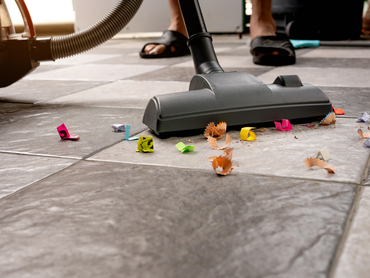
Vacuuming stairs presents a unique ergonomic challenge because it forces you to work against gravity and at an awkward angle. Your body is inherently designed for more stable, upright positions. When you’re on stairs, you’re constantly shifting your weight, leaning forward, and reaching into spaces that aren’t directly in front of you.
This posture puts immense pressure on your lumbar spine, your knees, and your shoulders.
Think about it: you’re often holding a relatively heavy vacuum cleaner, maneuvering it across uneven surfaces with each step. The weight distribution is all wrong for prolonged periods. You might find yourself bending your knees deeply, which isn’t so bad, but then you often follow that with a significant upper body bend, trying to get the vacuum head flush with the riser or against the nosing.
This repetitive motion, coupled with the static load of the vacuum, creates a perfect storm for back pain. I’ve noticed that many people try to compensate by leaning back, but that just shifts the strain to their lower back in a different way.
Furthermore, the limited space on each stair tread makes it difficult to position yourself for optimal leverage. You can’t get that wide stance that professionals use on flat floors. You’re often working with a narrow base of support, which increases the risk of overreaching and pulling a muscle.
The natural instinct is to bend at the waist, but that’s precisely what we want to avoid. Finding a way to extend your reach and maintain a more neutral spine is the key.
The Right Vacuum Cleaner for Stair Duty
Not all vacuums are created equal when it comes to stairs. The type of vacuum you own can either make the job incredibly difficult or surprisingly manageable. For starters, the weight and maneuverability of your main vacuum are critical.
A heavy, cumbersome upright vacuum can be a real pain to haul up and down or even just pivot on a single step.
Consider the overall design. Can the vacuum head articulate easily? Does it have a low profile to get under banisters or furniture legs that might overhang a step?
These are all factors that influence how much you need to bend. For how to vacuum stairs without bending, a lightweight, powerful vacuum is a good starting point. However, even with the best main vacuum, you’ll often rely on attachments.
Stick vacuums or lightweight canister vacuums with long hoses are often much better suited for the task. They allow you to keep the main body of the vacuum on a landing or at the bottom of the stairs, significantly reducing the amount of weight you have to handle directly on the steps. The longer the hose, the more freedom you have to clean each step without moving the entire unit.
I’ve found that a canister vacuum with a good, flexible hose and a powered stair tool attachment can be a game-changer for many people who struggle with stairs.
Leveraging Vacuum Attachments for Maximum Reach
This is where the magic happens for how to vacuum stairs without bending. Vacuum attachments are your best friends when it comes to conquering those vertical challenges. The standard floor brush isn’t designed for the tight confines and angles of staircases.
You need specialized tools.
First, let’s talk about the crevice tool. While it’s great for tight spots, it often requires you to hold it at an odd angle, which can still lead to some bending. A more effective tool for general stair cleaning is often a powered stair tool.
These are typically smaller brush heads, often with their own motor, that attach to your vacuum’s wand. They’re designed to agitate carpet fibers on an incline and have a shape that allows for better contact with the stair tread and riser.
Another essential is a good upholstery tool, especially if it has a wider head than the standard crevice tool. Sometimes, just using a standard wand with a good brush attachment can give you enough extension to reach across a stair tread without leaning. The key is to find attachments that, when coupled with the wand, allow you to maintain a more upright posture.
I always recommend looking for a brush attachment with soft, natural bristles that won’t damage delicate carpet fibers but are still effective at picking up embedded dirt.
Many modern vacuums come with a “mini motorized tool” which is essentially a smaller version of the main floor head. These are fantastic for stairs because they provide suction and agitation in a compact, manageable size. They often have a slightly angled head that fits perfectly on a stair tread.
If your vacuum didn’t come with one, it might be worth looking into purchasing one as an aftermarket accessory, ensuring it’s compatible with your vacuum’s hose diameter and locking mechanism.
The “Reach and Rotate” Technique: Minimizing Bends
When discussing how to vacuum stairs without bending, active technique plays a vital role, even with the best attachments. The core idea is to maximize your reach and minimize the need to move your entire body. This involves using your arms and the vacuum’s wand as extensions of your torso.
Start at the top of the stairs. Position yourself on the landing so you can reach the first few steps comfortably. Use the wand to sweep the vacuum head across the tread, reaching as far as you can.
Instead of bending down to get the edge, extend the wand and angle it. You’ll want to do this in sections. Clean one half of the tread, then move the vacuum to the other half, again extending the wand to reach without bending your back.
For the riser, the vertical part of the stair, you might need to get a bit creative. If your vacuum has a hose, detach the wand and use just the hose with a smaller attachment. This gives you a lot more flexibility.
Alternatively, if you have a long wand and a stair tool, it might be possible to position yourself so you can “push” the tool up the riser rather than bending to “pull” it.
I’ve found that a gentle rotation of the torso and hips, rather than a sharp bend at the waist, is much more forgiving on the back. Think of it like painting a wall; you use broad strokes and reposition yourself as needed, rather than hunching over each tiny section. The trick is to always be aware of your spine’s alignment.
Imagine gently elongating yourself with the vacuum wand.
Breaking Down the Chore: Stair-by-Stair Strategy
To truly master how to vacuum stairs without bending, it’s essential to develop a systematic strategy. Trying to do entire flights in one go can lead to fatigue and sloppy technique, prompting that dreaded bend. Instead, break each flight into manageable sections.
Begin by positioning your vacuum cleaner. If it’s a canister or upright you can manage, place it on the top landing. If it’s a handheld or stick vacuum, you might place it on the bottom landing and work your way up, or vice-versa.
The goal is to have the vacuum’s main body as stable and out of the way as possible.
Then, focus on one stair at a time. With your chosen attachment and wand, start at the edge of the tread closest to you. Sweep the vacuum head across the surface, extending your reach as much as possible.
Don’t try to get the entire tread in one pass. Clean the front half, then reposition the vacuum and clean the back half.
For the riser, use a smaller attachment if possible, or angle your main stair tool. Again, work in sections. Instead of one long, awkward reach to scrub the entire riser, do a section, then perhaps pivot or step down slightly (keeping your back straight) to get the next section.
It’s about small, controlled movements.
Consider vacuuming in both directions on the stairs. You might vacuum from top to bottom and then, if the incline allows and your vacuum is positioned correctly, vacuum again from bottom to top. This can help ensure you capture dirt that might be pushed by the initial pass.
The key is always to reset your posture between steps. Never feel rushed.
Alternative Tools: Beyond the Standard Vacuum Cleaner
Sometimes, even with a great vacuum and the right attachments, stairs can remain a challenge. This is where exploring alternative cleaning tools becomes a smart move for mastering how to vacuum stairs without bending. There are devices designed specifically for this purpose, or tools that can be adapted.
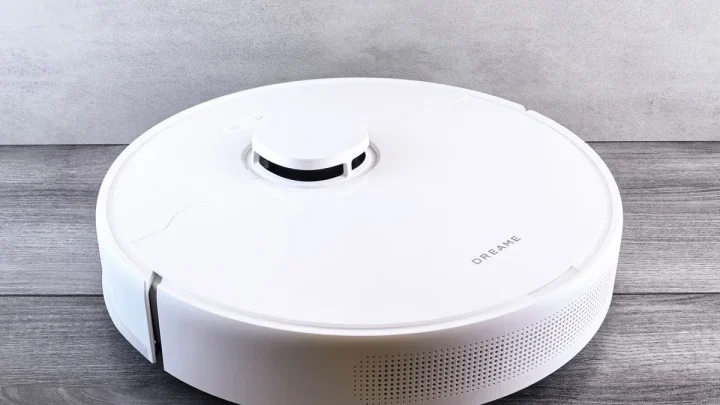
One highly effective alternative is a robot vacuum, but not your typical flat-floored model. There are specialized stair-climbing robot vacuums that can ascend and descend stairs on their own, cleaning as they go. These are an investment, but if stair vacuuming is a major source of pain, they can be a fantastic long-term solution.
They eliminate the physical labor entirely.
Another option is a powerful handheld vacuum. Many of these are lightweight and come with a variety of brush heads and extension wands. While they might not have the same suction power as a full-sized vacuum for deep cleaning, they are incredibly easy to maneuver on stairs.
You can hold the main unit in one hand and use the wand extension with the other, keeping your body relatively upright. I’ve found these to be perfect for quick touch-ups between deeper cleans.
What about a wet/dry shop vac? These are often robust and come with long hoses and wands. Their primary function isn’t fluff and shine like a carpet cleaner, but for pure suction and dirt removal on stairs, they can be incredibly effective and allow for significant extension without bending.
You can leave the bucket unit on a landing and use the hose and wand to clean each step with a comfortable posture.
The Importance of a Flexible Hose and Wand System
When we talk about how to vacuum stairs without bending, the flexibility of your vacuum’s hose and wand system is paramount. A rigid hose or a short, inflexible wand will force you into those compromising positions.
Think about the mechanics. A long, flexible hose allows you to keep the main body of your vacuum (if it’s a canister model) stationary on a floor landing, while you use the wand to reach across multiple steps. This dramatically reduces the weight you’re directly maneuvering.
You, essentially, become the controller of the wand, not the carrier of the entire machine.
Similarly, the wand itself is crucial. Telescopic wands are fantastic because you can adjust their length, extending your reach precisely to where you need it. This adjustability means you don’t have to overreach or bend your back uncomfortably.
You can set it to the perfect length for cleaning the nosing of each step, then shorten it slightly for the riser, all while maintaining an upright stance.
I’ve noticed that vacuums with a dedicated hose storage system that keeps the hose from kinking are also superior for stair cleaning. A hose that keeps collapsing or twisting makes the job infinitely more frustrating and, you guessed it, often leads to bending just to untangle it or force it into position. The ideal setup involves a hose that’s long enough, a wand that’s adjustable, and a way to connect them that allows for maximum articulation and reach.
Proactive Maintenance: Preventing Dirt Buildup on Stairs
While this article focuses on how to vacuum stairs without bending when the dirt is already there, a crucial aspect of managing this chore is proactive maintenance. The less dirt and debris that accumulates on your stairs, the less intensive and frequent vacuuming you’ll need to do.
Place high-quality doormats at all entrances to your home. Encourage family and guests to wipe their feet thoroughly. This simple habit can trap a significant amount of grit and grime before it ever makes it onto your carpets, including your stairs.
Consider using floor runners or durable rugs on high-traffic stair treads. These can be taken outside and shaken or spot-cleaned much more easily than vacuuming the entire stair carpet. They also offer a protective layer.
Regularly “sweeping” or vacuuming the very top and bottom steps, where most dirt tends to get tracked in, can prevent larger accumulations from spreading further up or down. Even a quick pass with a handheld vacuum on these key areas can make a big difference for the overall cleanliness of your entire staircase.
And finally, when you do your regular house cleaning, make it a habit to be more mindful of the stairs. Instead of putting it off until it’s a huge job, incorporate a quick stair vacuuming session into your weekly routine. This consistent effort will make each session shorter, easier, and require less bending.
When to Consider Professional Help or Less Physically Demanding Options
Let’s be honest, for some individuals, even with all the best tips and tools for how to vacuum stairs without bending, the physical demands of vacuuming stairs can still be too much. This is perfectly okay, and recognizing when to seek alternatives is a sign of self-awareness and prioritizing well-being.
If you suffer from chronic back pain, arthritis, or other mobility issues, the repetitive bending and maneuvering involved in stair vacuuming can exacerbate your condition. In such cases, it’s wise to invest in solutions that minimize physical strain. This might mean investing in a high-quality robot vacuum specifically designed for stairs, or even a really powerful, lightweight handheld vacuum with a comprehensive set of extensions.
Another excellent option is to hire a professional cleaning service. Many services offer specialized deep cleaning for carpets, including stairs. They have the industrial-grade equipment and trained personnel to handle the job efficiently and safely.
For many, the peace of mind and freedom from pain that comes with outsourcing this task is well worth the cost.
Think about the long-term impact. If vacuuming stairs consistently causes you pain, it might be worth making a change. This could involve re-evaluating your cleaning tools, simplifying your approach, or delegating the task.
Your health and comfort are the priority, and there are always ways to adapt your home maintenance to suit your physical needs.
Maintaining Your Vacuum for Optimal Stair Performance
To ensure your chosen methods for how to vacuum stairs without bending remain effective, regular maintenance of your vacuum cleaner is essential. A well-maintained vacuum performs better, lasts longer, and makes your cleaning tasks easier.
First, always empty the dustbin or replace the bag when it’s about two-thirds full. A full dustbin restricts airflow, significantly reducing suction power. This means you’ll have to go over the same spot multiple times, increasing the effort and likelihood of bending.
Check and clean or replace the filters regularly. Clogged filters also hinder airflow and reduce performance. Most manufacturers provide guidelines for filter maintenance; follow them diligently.
Some filters are washable, while others need to be replaced.
Inspect the brush roll on your vacuum’s main floor head and any powered stair attachments. Pet hair, threads, and other debris can easily get tangled, preventing the brush from spinning effectively. Clean these regularly with scissors or a small brush.
A clean brush roll agitates carpet fibers better, picking up more dirt with each pass.
Examine the hose and wand for any blockages. If you notice a drop in suction, this is often the culprit. You can often clear small blockages by carefully using a long, thin object like a broom handle, pushing the obstruction through from one end.
For more stubborn clogs, you might need to detach the hose from the vacuum body.
Finally, ensure all attachments lock securely into place. A loose connection can cause you to lose suction and can make the tool feel wobbly and less effective, forcing you to compensate with awkward body movements.
Putting It All Together: Your Pain-Free Stair Cleaning Routine
Achieving the goal of how to vacuum stairs without bending comes down to a combination of the right tools, smart techniques, and a bit of proactive thinking. It’s about changing your approach from a physically demanding ordeal to a more methodical, less strenuous task.
Start by assessing your current vacuum. If it’s heavy or unwieldy on stairs, consider investing in a lighter model, a canister vacuum with a long hose, or even a powerful handheld. Don’t underestimate the power of a good set of attachments, a powered stair tool or a mini motorized head can be revolutionary.
When you begin cleaning, position yourself strategically. Keep the main unit of your vacuum stable on a landing to minimize weight-bearing. Use the wand and hose as extensions of your body, employing a “reach and rotate” technique.
Clean each stair tread and riser in sections, focusing on maintaining an upright, neutral spine.
Remember that consistent, lighter cleaning is far better than infrequent, back-breaking sessions. Incorporate proactive maintenance like doormats and quick spot vacuums to prevent major dirt buildup. If stairs remain a significant challenge due to physical limitations, don’t hesitate to explore alternatives like professional cleaning services or specialized robotic vacuums.
Your back will thank you for it, and you’ll find that tackling those stairs can be a surprisingly comfortable part of your home maintenance routine.
By adopting these strategies, you can transform the way you clean your stairs, leaving your home spotless and your back pain-free. It’s a change that brings comfort and ease, step by satisfying step.


Similar Posts