When To Use Air Purifier
You can’t see the biggest threats in your home. Sure, dust bunnies are obvious. But the microscopic particles floating through your living room?
Those are invisible. Pollen, pet dander, mold spores, bacteria, wildfire smoke particles, they’re all riding your indoor air currents right now.
And here’s what most people get wrong: they think an air purifier is something you buy once and forget about. They plug it in, maybe change the filter once a year, and assume the air is clean. That’s not how it works.
An air purifier is a tool. Like any tool, it works when you use it at the right time, in the right room, for the right problem. Use it wrong, and it’s just an expensive fan that hums.
Use it right, and you’ll breathe noticeably cleaner air within hours.
So when exactly should you fire it up? Let’s break this down.
The Short Answer: You Should Run It More Than You Think
Most people underuse their air purifiers. Way underuse.
The standard advice used to be “run it while you’re home.” That’s outdated. Modern air purifiers with true HEPA filters and quality motors are designed for continuous operation. The EPA and other health agencies actually recommend running them 24/7 in rooms where people spend the most time.
Why? Because pollution doesn’t clock out when you leave. Pollen drifts in through open windows.
Dust kicks up from HVAC vents. Off-gassing from furniture and cleaning products continues around the clock. If your purifier turns off during the day, those particles settle back onto surfaces and get re-aerosolized when you walk through the room.
That said, continuous operation isn’t always practical or necessary. Let’s look at the specific scenarios where an air purifier makes the biggest difference.
When You Sleep: The Most Critical Time
Your bedroom should be your top priority. You spend roughly a third of your life in there, and you’re doing it with your guard down. While you sleep, your body goes into repair mode.
Your immune system is working. Your lungs are processing every breath on autopilot.
Running an air purifier in your bedroom at night is the single highest-impact use case. Here’s why:
Nighttime is when particle counts spike in many homes. Closing windows reduces ventilation. The air gets stale.
Pet dander from daytime activities settles. Dust mites thrive in the still, warm environment. An air purifier running on low or medium speed keeps that air moving and filtering all night.
Sleep quality improves measurably. Studies show that reduced particulate matter in bedroom air correlates with better sleep depth and fewer nighttime awakenings. People with allergies or mild asthma notice this within the first few nights. They wake up less congested, less stuffy, and more rested.
The noise factor works in your favor. Most quality purifiers on low speed are quieter than a box fan or a window AC unit. The white noise masks outside sounds. Many people actually find the gentle hum helps them fall asleep faster, it’s the same principle behind white noise machines.
Run your bedroom purifier 20, 30 minutes before bedtime and keep it running until morning. If you have a model with an auto mode or a sleep mode, use it. Those settings usually dim the lights and lower fan speed to whisper-quiet levels.
During Allergy Season: Your First Line of Defense
Seasonal allergies don’t care about your windows being closed. Pollen is microscopic. It rides in on your clothes, your hair, your pets.
It sneaks through gaps around window frames and door seals.
For most people, the worst indoor allergy months are spring and early fall. That’s when tree pollen, grass pollen, and ragweed peak. But here’s a subtle point: the actual trigger isn’t the pollen itself in many cases.
It’s the way pollen interacts with indoor irritants like dust and mold. The combination is worse than either alone.
So when should you run the purifier during allergy season?
Before you go outside. This sounds backward, but it works. Run the purifier for a couple of hours in the morning to pre-clean the air. When you come back in after work or errands, the baseline particle count is already low.
You’re not trying to combat a surge; you’re maintaining a clean environment.
After you come inside. Strip off shoes and outer layers, then kick the purifier to high speed for 30, 60 minutes. This rapid filtration cycle pulls out whatever tiny hitchhikers made it past your front door. If you have pets that go outside, this becomes even more important.
Dogs and cats are walking pollen collectors.
On high-wind days. Windy weather stirs up dust, mold spores, and pollen from the ground. Even if the windows stay shut, those particles find their way inside. On gusty spring afternoons, your indoor air quality can degrade substantially within hours.
You don’t need to run allergy-season purifiers 24/7, but running them during these high-risk windows makes a real difference in your sinuses.
When You’re Cooking: The Overlooked Danger Zone
Most people don’t think about cooking as an air quality event. It absolutely is.
Your kitchen generates more fine particulate matter in 15 minutes than your bedroom accumulates in days. Gas stoves are the worst offenders, burning natural gas releases nitrogen dioxide, carbon monoxide, and ultrafine particles. But even electric stoves and ovens release particles from cooking oils, fats, and food debris.
Frying is the biggest culprit. When you heat oil past its smoke point, it releases a cloud of volatile organic compounds (VOCs) and fine particles that can stay suspended in the air for hours. Searing meat creates similar particle bursts.
Even toasting bread produces enough particles to register on an air quality monitor.
So where should the purifier be? Ideally not in the kitchen itself, stove heat and grease aren’t good for electronics. Place it in the adjacent dining area or living room, close enough to draw the kitchen air through filtration.
Run it on high during and for 60 minutes after cooking.
This is one of the most underappreciated uses for an air purifier. Get in the habit of turning it on before you start cooking, not after. Particle densities spike sharply within the first few minutes of cooking.
If you wait until you smell the smoke, you’ve already missed the window.
Wildfire and Smoke Events: When Continuous Operation Is Non-Negotiable
This is the one scenario where “when to use” becomes “don’t ever turn it off.”
Wildfire smoke is composed of fine particulate matter, PM2.5 specifically. These particles are tiny enough to bypass your lungs’ natural defenses and enter your bloodstream. They cause immediate respiratory irritation and long-term cardiovascular strain.
If there’s active wildfire smoke in your area, here’s the protocol:
Run the purifier 24/7 on the highest speed you can tolerate. Don’t use auto mode. Auto sensors often misread smoke particles or get confused by elevated humidity. Manual high speed is the only reliable setting during smoke events.
Seal the room. Choose one room, typically the bedroom or a living area, and make it your clean-air sanctuary. Close doors and windows. Use towels or weatherstripping to seal gaps.
Run the purifier continuously. The goal is to create positive pressure inside the clean room so that when you open the door, the filtered air pushes outward rather than letting smoky air rush in.
Change filters more frequently. A single heavy smoke event can clog a HEPA filter to the point of reduced efficiency. If your purifier has a pre-filter, clean it daily. Check the manufacturer’s recommendations for fire-season filter changes, you might need replacements every few weeks instead of every six months.
This is not optional. During the 2023 Canadian wildfire season, indoor particle levels in New York City exceeded outdoor levels in some cases because people didn’t understand how to properly isolate and filter interior spaces. Don’t make that mistake.
After Renovations, Cleaning, or Pest Control
Any activity that generates dust or airborne chemicals calls for aggressive air filtration. This includes:
Home renovations. Sanding, drywall work, drilling, and painting produce massive particle loads. Run the purifier 24/7 during the renovation and for at least 48 hours after completion. Preventative use protects your lungs and keeps dust from settling into carpets and upholstery.
Deep cleaning. Dusting, vacuuming, and moving furniture kick up settled particles. Run the purifier on high while you clean and for an hour afterward. This catches the dust that becomes airborne during cleaning, yes, cleaning actually makes the air worse temporarily before it gets better.
Pest control treatments. Whether you’re using bug sprays, foggers, or powders, those chemicals become airborne. Run the purifier after the treatment period recommended on the product label. Activated carbon filters are especially important here because they absorb VOCs that HEPA filters can’t capture.
New furniture or carpet installation. Off-gassing from new furniture, carpets, and paint is real. The chemical smell you notice for the first few weeks is formaldehyde and other VOCs releasing into the air. Run the purifier with an activated carbon filter for several weeks after bringing new items into the home.
When You Have Pets
If you share your home with a furry friend, you share more than companionship. You share dander, saliva particles, and the occasional room-clearing odor.
Contrary to popular belief, it’s not the pet hair that causes allergy problems. Hair is too large to stay airborne. The real issue is dander, microscopic flakes of skin that float in the air for hours.
Cat dander is especially persistent. It’s sticky, lightweight, and can stay suspended for up to four hours.
Run the purifier in rooms where your pet spends the most time. For cat owners, that’s often the living room or the bedroom where the cat sleeps. For dog owners, focus on the room where the dog’s bed and toys are.
Timing matters here too. Right after a pet grooming session, brushing, bathing, or even a heavy petting session, the immediate release of dander is significant. Run the purifier on high for 30 minutes after grooming to catch the airborne particles before they settle into your upholstery.
When Humidity and Mold Are Concerns
Mold needs moisture and organic material to grow. Your indoor air provides both.
High humidity (above 60%) encourages mold spore growth. Low humidity (below 30%) dries out mucous membranes and makes you more susceptible to respiratory infections. Air purifiers don’t control humidity, you need a dehumidifier or humidifier for that, but they do filter out mold spores that are already airborne.
Run the purifier more aggressively during humid seasons: late summer, early fall, and in damp basements. If you live in a coastal or rainy climate, consider running a purifier year-round in the basement or bathroom-adjacent rooms.
Here’s the critical point: an air purifier cannot fix an active mold problem. If you see visible mold growth, you need remediation first. The purifier is for catching the spores that break free during and after the cleanup process. It’s a maintenance tool, not a cure.
What About When Nobody Is Home?
This is where opinions diverge.
Energy-conscious people feel wasteful running an appliance in an empty house. Safety-conscious people point out that particle accumulation doesn’t stop just because you left.
The compromise: use the timer function or smart scheduling if your purifier has it. Run it for a few hours in the middle of the day to cycle the air, then let it coast. You don’t need continuous operation in an empty house, but complete shutdown means you’re starting from a worse baseline every time you walk in.
If you have pets at home, the equation changes. Animals shed, release dander, and stir up dust constantly. Run the purifier while they’re home alone.
They’ll breathe cleaner air, and you’ll come home to a noticeably fresher-smelling house.
How Long Does It Take to See Results?
This is the most common practical question. Here’s the honest answer:
In a properly sized room with a correctly matched purifier, you should notice cleaner air within 30 minutes to 2 hours. That’s confirmed by particle counters and personal experience alike. After 2, 4 hours of continuous operation, the air in an average bedroom can reach near-zero particle counts.
But there’s a catch: once you turn the purifier off, particles start accumulating again. It takes about 6, 8 hours for an undisturbed room to return to pre-purification particle levels. If you have active sources, pets, open windows, cooking smells, it happens faster.
That’s why continuous operation during peak hours makes more sense than starting and stopping. You’re maintaining cleanliness, not chasing it.
How Do HEPA Filters Work?
To understand when to use an air purifier, you need to understand the engine inside it.
True HEPA filters are a technical standard, not a marketing term. A filter labeled “True HEPA” must capture 99.97% of particles as small as 0.3 microns. That’s finer than most bacteria, most mold spores, most smoke particles.
For comparison, a human hair is about 70 microns wide.
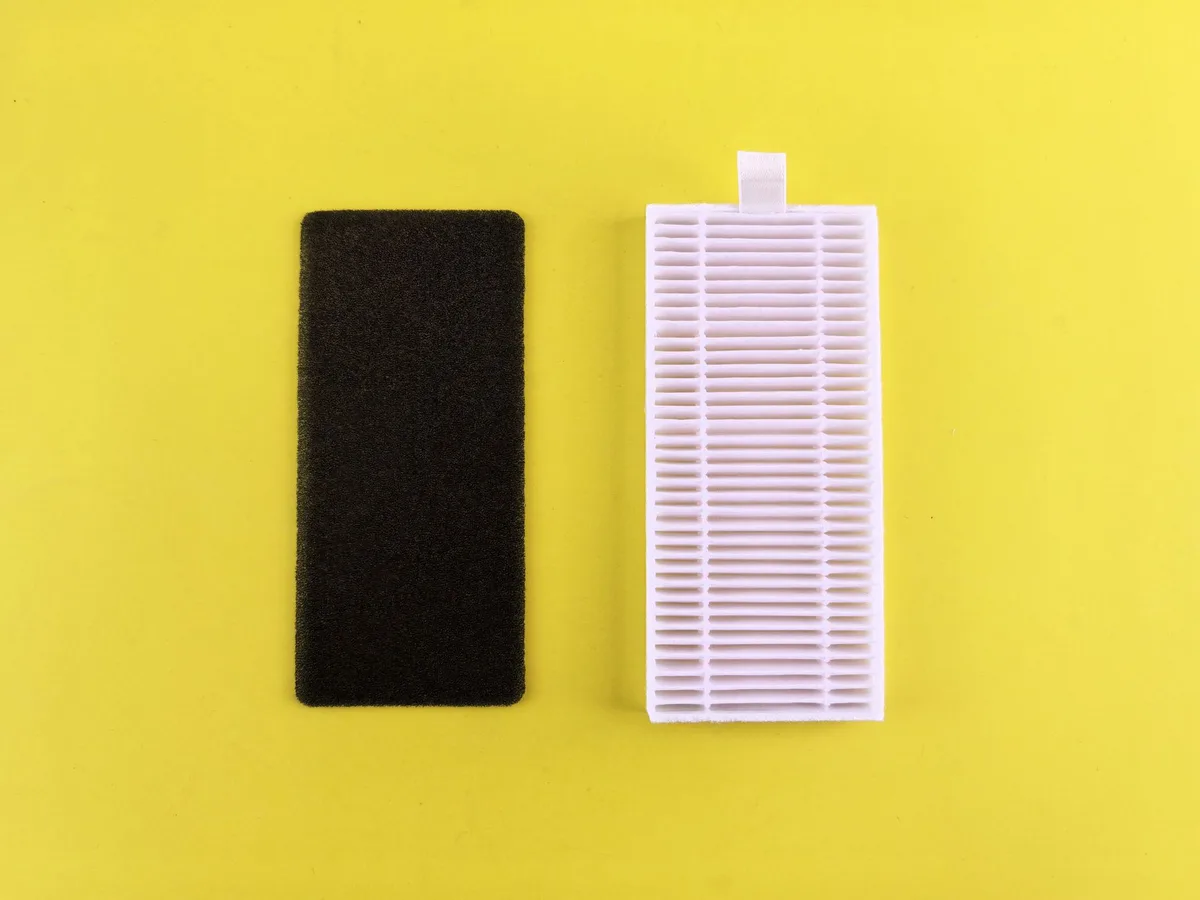
The filter doesn’t work like a strainer. It’s a dense mat of randomly arranged fibers, typically fiberglass. Particles don’t just get stopped by size; they get captured through three mechanisms:
Interception, particles follow the airflow and collide with a fiber.
Impaction, larger particles can’t follow the air’s twists and turns, so they slam into a fiber.
Diffusion, the smallest particles bounce around randomly due to air molecule collisions and eventually hit a fiber.
That triple capture system is why HEPA works so well. Even the tiniest particles, down to 0.01 microns, get caught through diffusion. The “0.3 micron” claim is actually the worst-case particle size, not a hard filter size.
Particles both larger and smaller are captured with even higher efficiency.
For maximum effectiveness, replace your HEPA filter according to the manufacturer’s schedule, typically every 6 to 12 months depending on usage and air quality.
What is CADR and Why Does It Matter?
CADR stands for Clean Air Delivery Rate. It’s the industry-standard measurement for how effectively an air purifier removes smoke, dust, and pollen from a room.
Look for the CADR number on the box or in the manual. The Association of Home Appliance Manufacturers (AHAM) certifies these ratings. A higher number means faster cleaning.
For smoke: Aim for a CADR of at least 100 in a small room, 200+ in a medium room, and 300+ in a large room.
For dust and pollen: Similar guidelines apply, though most units perform slightly better on larger particles.
Here’s what this means for “when to use”: if your room is too large for the purifier’s CADR rating, running it 24/7 won’t help much. The unit can’t keep up with the volume. You’ll need either a larger unit or a more powerful one.
Match your purifier’s CADR to your room size. A common rule of thumb is to multiply the room’s square footage by 4 to get the minimum CADR. For example, a 200-square-foot bedroom should have a smoke CADR of at least 200.
When NOT to Use an Air Purifier
There are also times when an air purifier is counterproductive or unnecessary.
In a room with open windows on all sides. If you’re cross-ventilating with clean outdoor air, the purifier is running against a constant influx of unfiltered air. Close the windows, let the purifier do its job, then open them briefly for fresh air.
When you’re vacuuming without a HEPA vacuum. Vacuum cleaners that aren’t HEPA-rated blow fine particles back into the air. Running a purifier while you vacuum with a non-HEPA machine is like trying to bail water from a boat with a hole in the hull. Fix the vacuum first.
In a room that’s way too large for the unit. An undersized purifier running on high in a huge open-plan space is a waste of electricity. It’ll filter the air eventually, but it’ll take many hours and the filter will wear out faster. Buy the right tool for the space.
If you don’t change the filter. A clogged HEPA filter stops removing particles and starts restricting airflow. The unit runs harder, uses more power, and cleans less effectively. If your filter is overdue for replacement, turn the unit off until you get a new one.
The Common Mistakes People Make
Let’s address the practical errors that undermine your air purifier’s performance.
Mistake 1: Running it on low all the time. Low speed is quieter but less effective. The purifier needs to cycle the room’s air multiple times per hour to maintain cleanliness. On low, many units barely manage one air change per hour.
Alternate between low for overnight and medium-to-high for daytime use.
Mistake 2: Placing it in a corner facing the wall. Air purifiers need clearance on all sides to draw air in and push clean air out. Place it at least 12, 18 inches from walls and furniture. Center the room is ideal, but anywhere with unobstructed airflow works.
Mistake 3: Forgetting the pre-filter. Most purifiers have a washable or replaceable pre-filter that catches large particles. Clean or replace it monthly. A dirty pre-filter forces the main HEPA filter to work harder and clog faster.
Mistake 4: Assuming one unit covers the whole house. An air purifier cleans the room it’s in, not the entire house. If you want clean air throughout your home, you need either a dedicated HVAC-mounted whole-house filtration system or multiple standalone units.
The Bottom Line
Use your air purifier when you sleep. Use it when you cook. Use it during allergy season and wildfire events.
Use it after big cleaning projects. Use it with pets.
But don’t use it as a set-it-and-forget-it solution. Adjust the speed based on the situation. Change the filters on schedule.
Place it properly. Match it to the room.
Your indoor air quality changes hour by hour, season by season. Your purifier should change with it.
The best time to run an air purifier is before you realize you need it. Once you start coughing, sneezing, or smelling smoke, the particles are already in your lungs. Prevention beats reaction every time.
So look at your living space. Identify the highest-use rooms. Pick your biggest air quality triggers, pollen, smoke, pets, cooking, humidity.
And run that purifier during the windows of time that actually matter.
Your lungs don’t get a day off. Neither should your air purifier when it counts.


Similar Posts