How to Choose a Bariatric Toilet Seat
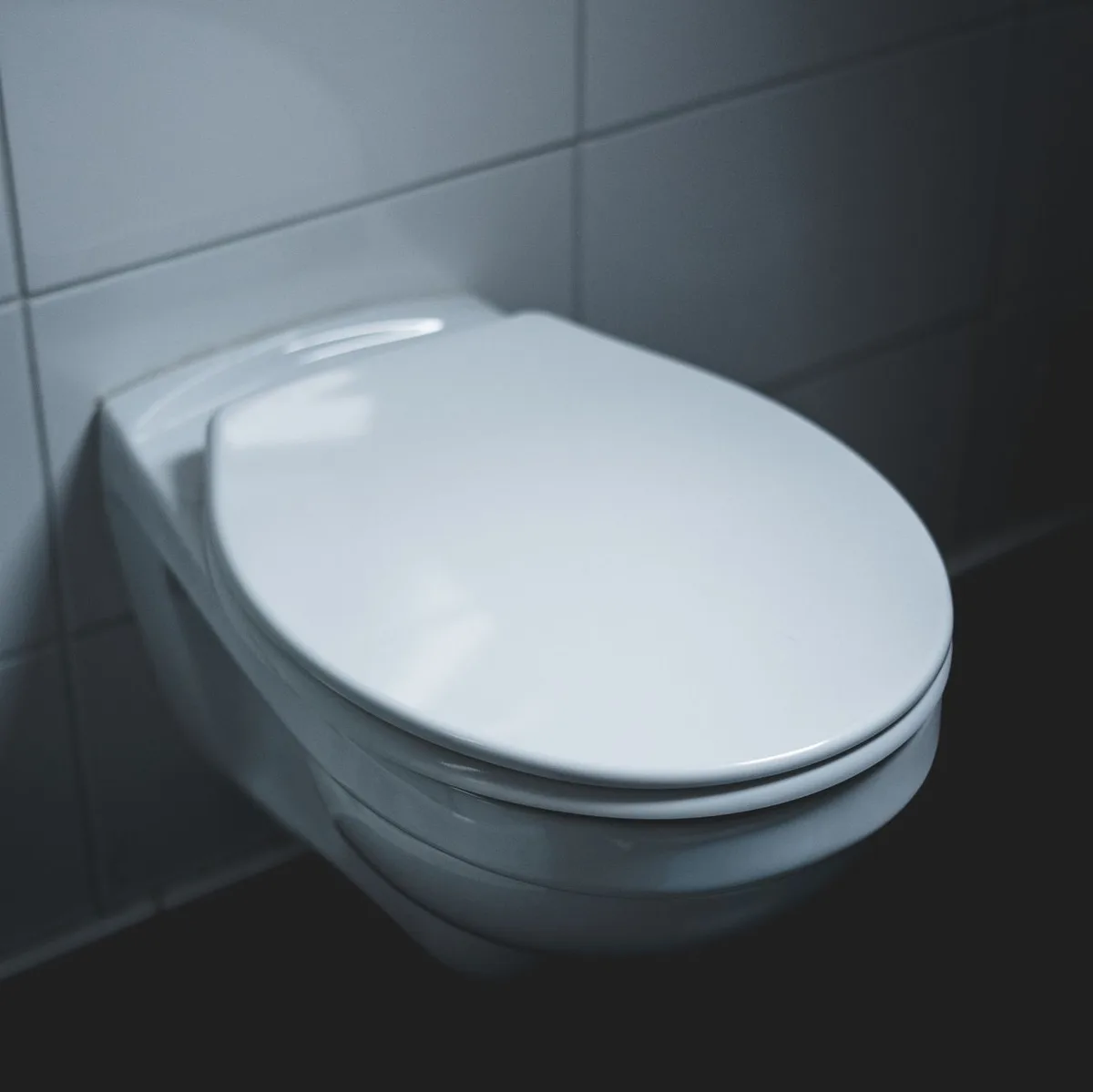
Finding the right toilet seat is crucial for comfort and safety, especially for individuals who need enhanced support. When it comes to bariatric toilet seats, the stakes are even higher. These seats are specifically designed to accommodate larger individuals, offering greater strength, stability, and comfort.
But with various options available, how do you choose the best one? This guide will walk you through everything you need to know. We’ll cover the essential features to look for, different types of bariatric seats, and important considerations for making the right purchase.
What Exactly is a Bariatric Toilet Seat?
A bariatric toilet seat differs significantly from a standard toilet seat. Its primary purpose is to provide a safe and comfortable seating solution for individuals whose weight exceeds the capacity of conventional toilet seats. This means they are built with reinforced materials, wider dimensions, and often a more robust mounting system.
The goal is to prevent breakage, offer superior stability, and ensure the user feels secure. These seats aren’t just bigger; they’re engineered for exceptional load-bearing capacity. They can range from basic reinforced seats to models with added features like wider openings, elevated heights, and ergonomic designs.
The key takeaway is that they are built to last and support much more weight.
Key Features to Look for in a Bariatric Toilet Seat
When you’re shopping for a bariatric toilet seat, certain features are non-negotiable. These elements directly impact the seat’s safety, durability, and user experience.
1. Weight Capacity
This is the most critical factor. Bariatric seats are rated for specific weight limits, which can vary widely. Standard seats typically have a capacity of around 300-350 pounds.
Bariatric seats, however, can handle anywhere from 500 pounds upwards to 1000 pounds or even more. Always check the manufacturer’s stated weight capacity. Don’t guess or assume.
If the user’s weight is close to the limit, it’s always wise to opt for a seat with a higher capacity. This ensures longevity and prevents potential accidents. Consider the heaviest possible user.
2. Material and Durability
The material used is paramount for a bariatric seat’s strength and lifespan. Most high-quality bariatric seats are made from heavy-duty, reinforced plastic. Look for terms like “high-impact plastic” or “reinforced polymers.” Some models might incorporate metal components, especially in the hinges, for added strength.
The hinges themselves should be robust. Heavy-duty metal hinges are far superior to standard plastic ones. They resist cracking and bending under pressure.
Avoid flimsy construction at all costs. A well-made seat will feel solid and substantial.
3. Size and Shape
Bariatric toilet seats are generally wider and sometimes longer than standard seats to accommodate larger individuals comfortably. They come in two main shapes:
- Elongated: These are longer from front to back and are designed for most modern toilets. They offer more seating surface.
- Round: These are more circular. They fit round-bowl toilets, which are less common in newer installations but still exist.
Measure your existing toilet bowl carefully to ensure you buy the correct shape and size. A seat that’s too small will be uncomfortable and potentially unsafe. A seat that doesn’t fit the bowl correctly won’t seal properly, leading to instability.
4. Stability and Mounting
A secure fit to the toilet bowl is vital. Bariatric seats often come with specialized mounting hardware designed for increased strength and stability. Look for seats with:
- Heavy-duty bolts: These should be made of metal, often stainless steel, and be longer and thicker than standard bolts.
- Secure locking mechanisms: Some seats feature special locking nuts or clips that prevent the seat from shifting or loosening over time.
- Rubber or non-slip bumpers: These help keep the seat firmly in place and prevent it from sliding on the porcelain.
The mounting system is the anchor. If it’s weak, the entire seat’s integrity is compromised. Proper installation, using manufacturer-provided hardware, is key.
5. Comfort and Ergonomics
Beyond strength, comfort is essential for daily use. Consider:
- Seat shape: Some seats are contoured to provide better support and reduce pressure points.
- Lid design: A sturdy lid can also serve as a support.
- Accessibility: For some users, features like a slightly elevated seat height can make getting up and down easier.
A comfortable seat encourages regular use and reduces user anxiety.
Image source: Pexels / Jonas Thomann (Pexels License)
Types of Bariatric Toilet Seats
Bariatric toilet seats aren’t a one-size-fits-all solution. Different designs cater to varying needs and preferences.
1. Standard Reinforced Bariatric Seats
These are the most common type. They look much like a regular toilet seat but are constructed with thicker, stronger plastic and reinforced hinges. They typically offer weight capacities between 500-800 pounds.
They are a straightforward upgrade for enhanced support. They fit most standard elongated or round toilets. You’ll find them in various colors to match bathroom decor.
2. Extended-Life Heavy-Duty Bariatric Seats
These seats are designed for maximum durability and the highest weight capacities, often exceeding 1000 pounds. They feature even more robust materials, often with metal reinforcements in critical areas. The mounting hardware is usually exceptionally strong, ensuring maximum stability.
These are the go-to for users requiring the utmost in weight support and longevity.
3. Elevated or Raised Bariatric Toilet Seats
Sometimes, the challenge isn’t just weight but also the ability to sit down and stand up comfortably. Elevated bariatric seats are taller than standard seats, effectively raising the toilet bowl height. This reduces the distance the user needs to lower themselves.
These can be integrated into the seat itself or be a separate riser added to an existing toilet. They often combine bariatric strength with ergonomic height. These can be particularly helpful for individuals with mobility issues.
4. Bariatric Toilet Seat Risers with Lids
These are separate units that sit on top of your existing toilet bowl, and then the toilet seat itself is placed on top of the riser. They provide added height and a wider seating surface. They are often made of durable plastic and come with their own secure mounting systems.
These can be a good option if you want to add height and width without replacing the entire toilet. They are a versatile choice for many users.
Installation and Maintenance
Proper installation is key to ensuring the safety and longevity of your bariatric toilet seat.
Installation Steps
While specific instructions vary by manufacturer, here’s a general guide:
- Remove the old seat: Unscrew the bolts holding your current toilet seat. Clean the toilet bowl rim thoroughly.
- Assemble the new seat: Attach the hinges to the bariatric seat if they aren’t pre-assembled.
- Position the seat: Place the new seat onto the toilet bowl, aligning the mounting holes.
- Install the hardware: Insert the heavy-duty bolts through the seat hinges and the bolt holes on the toilet bowl. Secure them from underneath with the provided washers and nuts.
- Tighten securely: Tighten the nuts firmly. You want the seat to be snug and completely stable. Avoid overtightening, which can crack the porcelain. Ensure there is absolutely no rocking or shifting.
- Test for stability: Gently push on the seat from different angles to confirm it’s secure.
If you’re unsure or uncomfortable with installation, consider hiring a plumber or handyman. A properly installed seat is a safe seat.
Cleaning and Maintenance
Bariatric toilet seats require regular cleaning, just like any other bathroom fixture.
- Daily cleaning: Use a mild, non-abrasive bathroom cleaner and a soft cloth or sponge. Wipe down the seat, lid, and hinges.
- Deeper cleaning: For tougher stains or disinfection, you can use a disinfectant spray. Always check the manufacturer’s recommendations for cleaning agents. Some harsh chemicals can damage certain plastics.
- Hinge maintenance: Occasionally, check the hinges and mounting bolts to ensure they remain tight. If you notice any looseness, tighten them as needed.
- Inspect for damage: Periodically inspect the seat for any cracks or signs of wear. If damage is found, replace the seat immediately to prevent failure.
Proper care ensures the seat remains hygienic and functional for its intended lifespan. It’s vital for maintaining hygiene standards. For routine cleaning advice, you might find insights in articles about general bathroom upkeep helpful, though always defer to the specific care instructions for your chosen bariatric seat.
Choosing the Right Bariatric Toilet Seat for Your Needs
Making the right choice involves understanding the user’s specific requirements.
Assess the User’s Weight and Mobility
The weight capacity is the first and most obvious factor. However, consider mobility as well. If the user has difficulty standing up, an elevated seat can be a game-changer.
If they need extra support when sitting, a contoured seat might be better. Think about how the user interacts with the toilet. Do they need grab bars?
Sometimes a bariatric seat is part of a larger accessibility solution.
Measure Your Toilet Bowl
Accuracy is key to a good fit.
- For elongated bowls: Measure from the center of the bolt hole (where the seat attaches at the back) to the front edge of the bowl.
- For round bowls: Measure the distance across the bowl from the center of one bolt hole to the center of the other, and then from the center of the bolt hole to the front edge of the bowl.
Compare these measurements to the product specifications. Many bariatric seats are designed to fit standard elongated or round bowls, but confirm this. A snug fit is essential for stability.
Consider Additional Accessibility Features
Many users who require bariatric toilet seats also benefit from other accessibility aids.
- Grab bars: Strategically placed grab bars offer crucial support for sitting down and standing up. They can be mounted to the wall or to the floor.
- Handheld showerheads: Useful for personal hygiene assistance.
- Transfer benches: For users who have difficulty stepping into a bathtub or shower.
These additions create a safer and more independent bathroom environment. They work in tandem with a supportive toilet seat.
Where to Buy Bariatric Toilet Seats
You can find bariatric toilet seats at various retail locations and online.
- Medical Supply Stores: These stores often carry a range of bariatric products and have knowledgeable staff who can offer advice.
- Online Retailers: Large online marketplaces offer a wide selection. Be sure to read product descriptions and customer reviews carefully. Websites specializing in home accessibility products are also excellent resources.
- Direct from Manufacturers: Some manufacturers sell directly to consumers, which can sometimes offer competitive pricing or access to specialized models.
When buying online, pay close attention to return policies. If a seat doesn’t fit or meet expectations, you’ll want to be able to return it. Always prioritize reputable sellers.
Frequently Asked Questions About Bariatric Toilet Seats
Here are some common questions people have about choosing and using these specialized seats.
How much extra width do bariatric toilet seats offer?
Bariatric seats are typically 2-4 inches wider than standard seats. This extra width provides more seating surface and comfort for larger individuals. The exact dimensions will vary depending on the model.
Are bariatric toilet seats difficult to install?
Not necessarily. Installation is usually straightforward, similar to a standard toilet seat. However, it’s important to use the heavier-duty hardware provided and ensure it’s tightened securely.
If you’re not comfortable doing it yourself, a professional can install it quickly.
Can I use a regular toilet seat with a riser if I need more height?
While a riser can add height, it’s crucial to ensure the combined system meets the required weight capacity and stability standards. Many bariatric riser systems are designed to work together. Using a standard seat with a separate riser might not offer the necessary strength for bariatric users.
Always check the total load-bearing capacity when combining components.
How do I clean a bariatric toilet seat?
Clean your bariatric toilet seat regularly with mild soap and water or a non-abrasive bathroom cleaner. Avoid harsh chemicals or abrasive scrubbers that could damage the material. Always rinse thoroughly and dry.
For specific cleaning instructions, consult the manufacturer’s manual. Like maintaining any appliance, proper care extends its life and hygiene. Even something as simple as a vacuum filter needs regular attention, and a toilet seat is no different.
How Often Should You Replace Vacuum Filter, similar principle, consistent maintenance is key.
What’s the difference between elongated and round bariatric seats?
Elongated seats are longer from front to back, fitting most modern toilets. Round seats are more circular and fit older, round-bowl toilets. You need to identify your toilet bowl shape before purchasing.
Getting this wrong means the seat won’t fit properly and won’t be stable.
Conclusion
Choosing a bariatric toilet seat is a significant decision that impacts comfort, safety, and daily living. By focusing on essential features like weight capacity, material durability, proper sizing, and secure mounting, you can make an informed choice. Consider the user’s specific needs, including mobility, and explore the different types of bariatric seats available, from standard reinforced models to elevated options.
Proper installation and regular maintenance will ensure the seat provides reliable support for years to come. Investing in the right bariatric toilet seat is an investment in a safer, more comfortable, and more dignified experience. Remember to always verify product specifications and choose from reputable sources.


Similar Posts



















[…] or has very limited grip strength, a standard raised seat might not be enough. In such cases, a bariatric toilet seat or a specialized transfer bench might be more […]