How to Clean Toilet Bowl Stains
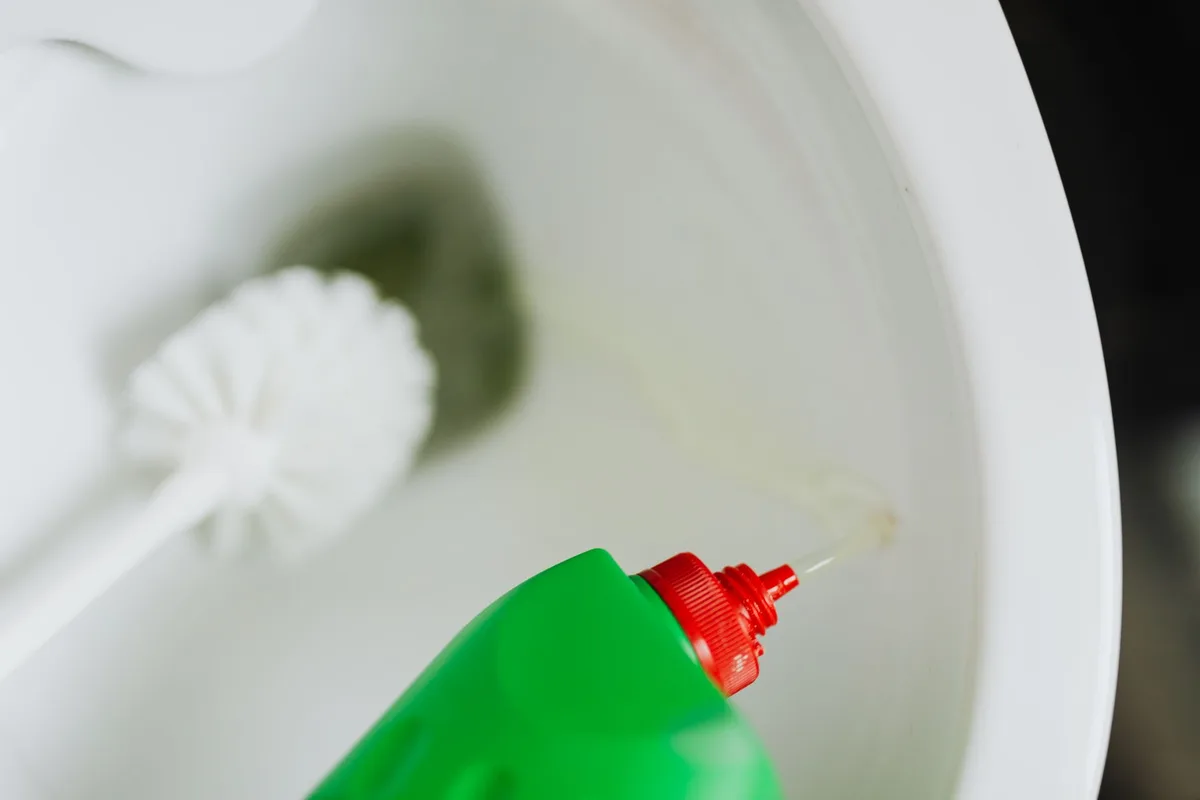
Toilet bowl stains are a common household nuisance. They’re unsightly and can make even the cleanest bathroom feel dingy. Whether it’s hard water rings, rust, mold, or just general grime, there are effective ways to tackle these stains.
This guide will walk you through everything you need to know to get your toilet bowl sparkling again. We’ll cover the causes of these stains and provide clear, step-by-step methods for their removal, using both common household items and specialized cleaners.
Before we dive into the cleaning process, let’s understand why these stains appear. Identifying the culprit helps in choosing the best approach for removal.
Understanding Toilet Bowl Stains
Most toilet bowl stains fall into a few main categories. Knowing what you’re dealing with makes the cleaning job much easier.
Hard Water Stains
These are probably the most common. If you have minerals in your water supply, like calcium and magnesium, they can build up over time. This creates a chalky, white, or brownish ring around the water line.
These mineral deposits are tough and often resistant to regular scrubbing.
Rust Stains
Rust stains are typically reddish-brown. They can come from iron in your water supply or from corrosion within your toilet tank or pipes. Like hard water stains, rust can be stubborn.
Mold and Mildew
The damp environment of a toilet bowl is a breeding ground for mold and mildew. These often appear as black, green, or pinkish/orange fuzzy spots. They’re not just unsightly; they can also contribute to unpleasant odors and potential health issues.
Organic Stains and General Grime
This is the catch-all for everyday use. Food particles, waste, and general dirt can build up, especially if the toilet isn’t cleaned regularly. These stains can range in color from yellow to brown.
No matter the type of stain, a good cleaning routine is key. We’ll explore several methods to tackle each of these.
Essential Cleaning Supplies
Before you begin, gather your supplies. Having everything on hand makes the process smoother.
- Gloves: Protect your hands.
- Toilet Brush: A sturdy toilet brush is crucial.
- Paper Towels or Rags: For wiping down the exterior and drying.
- Spray Bottle: Useful for applying cleaning solutions.
- Sponge: For scrubbing stubborn areas.
- Bucket: For mixing cleaning solutions or holding water.
For cleaning solutions, you can choose from common household items or specialized toilet bowl cleaners.
Here’s a look at what you might need:
Household Items
Many effective stain removers are already in your pantry.
- Vinegar: White vinegar is acidic and excellent for breaking down mineral deposits and mild stains.
- Baking Soda: A gentle abrasive that can help scrub away grime.
- Lemon Juice: Its acidity can help lighten stains.
- Borax: A natural cleaner and deodorizer that’s good for tough stains.
- Cola: The phosphoric acid in cola can help with rust and hard water stains.
Commercial Cleaners
There are many effective toilet bowl cleaners on the market. Choose one that targets the specific type of stain you have, if possible (e.g., rust remover, mold cleaner). Always follow the instructions on the product label carefully.
Step-by-Step Stain Removal Methods
Let’s get down to business. Here are several effective methods to banish those toilet bowl stains.
Method 1: The Vinegar and Baking Soda Power Duo
This is a fantastic, natural method for tackling most stains, especially hard water rings and general grime.
- Lower the Water Level: To get a better clean, you want to expose as much of the stained surface as possible. You can do this by turning off the water supply valve to the toilet (usually found on the wall behind the tank) and then flushing the toilet. Hold the flush lever down until most of the water drains from the bowl. Alternatively, you can use your toilet brush to push excess water down the drain.
- Apply Baking Soda: Sprinkle a generous amount of baking soda (about 1 cup) all over the inside of the toilet bowl, focusing on the stained areas. Let it sit for about 10-15 minutes.
- Add Vinegar: Pour about 1 cup of white vinegar directly over the baking soda. You’ll notice a fizzing reaction. This is the vinegar and baking soda working together to lift the stains.
- Scrub: Let the mixture sit for another 15-30 minutes (or longer for tougher stains). Then, use your toilet brush to scrub the bowl thoroughly. Pay extra attention to the stained areas. The baking soda acts as a mild abrasive, while the vinegar helps break down the deposits.
- Rinse: Turn the water supply back on and flush the toilet. You should see a significant improvement. For stubborn stains, you might need to repeat the process or let the vinegar and baking soda sit for a few hours.
Method 2: Tackling Hard Water and Rust Stains with Vinegar Soak
For those stubborn, calcified hard water rings or pervasive rust stains, a longer soak with vinegar can be highly effective.
- Drain the Bowl: As in Method 1, turn off the water supply and flush to remove as much water as possible from the bowl.
- Saturate with Vinegar: Instead of just pouring, soak paper towels in white vinegar and line the inside of the toilet bowl, especially around the waterline and on the stains. This keeps the vinegar in direct contact with the stains for an extended period.
- Let it Soak: Leave the vinegar-soaked paper towels in place for at least 2-3 hours, or even overnight for very tough stains.
- Remove and Scrub: Gently remove the paper towels. The vinegar should have softened the mineral deposits. Use your toilet brush or a sponge to scrub away the loosened stains.
- Flush: Turn the water on and flush. You can also try a paste of baking soda and vinegar to scrub any remaining residue.
Method 3: Using Borax and Vinegar
Borax is a powerful cleaning booster and deodorizer. Combined with vinegar, it’s a formidable opponent for tough stains.
- Drain the Bowl: Turn off the water supply and flush to lower the water level.
- Sprinkle Borax: Sprinkle about 1/2 cup of Borax into the toilet bowl, ensuring it coats the stained areas.
- Add Vinegar: Pour about 1 cup of white vinegar over the Borax. The fizzing action will begin.
- Let it Work: Allow the mixture to sit for at least 30 minutes (longer for tougher stains).
- Scrub and Flush: Scrub the bowl with your toilet brush, then turn the water back on and flush.
You’ll want to keep your cleaning tools in good condition. Checking how often you should replace your vacuum filter can give you a sense of how regular maintenance extends the life of your tools.
Method 4: Cola for Rust Stains
Don’t underestimate the power of that fizzy drink! The phosphoric acid in cola can be surprisingly effective against rust.
- Pour Cola: Pour a can of cola (about 12 oz) directly into the toilet bowl, aiming for the stained areas.
- Let it Sit: Let the cola sit for at least an hour, or even a few hours for tougher rust.
- Scrub: Use your toilet brush to scrub the stained areas.
- Flush: Flush the toilet to rinse. You might need to repeat this for very dark rust stains.
Method 5: Commercial Toilet Bowl Cleaners
When household items aren’t enough, or for a quick, powerful clean, commercial toilet bowl cleaners are a good option.
- Choose Wisely: Select a cleaner designed for the type of stain you’re facing. Many are formulated for general grime, while others specialize in rust or hard water.
- Follow Instructions:This is crucial. Most toilet bowl cleaners contain strong chemicals. Ensure good ventilation in the bathroom, wear gloves, and never mix different cleaning products, as this can create dangerous fumes.
- Apply: Carefully apply the cleaner around the rim of the bowl, letting it drip down to coat the sides. Most cleaners are designed to cling to the bowl surface.
- Wait: Let the cleaner sit for the time recommended on the product label.
- Scrub and Flush: Use your toilet brush to scrub the bowl, then flush to rinse. Ensure all cleaner residue is gone.
Image source: Pexels / www.kaboompics.com (Pexels License)
Dealing with Specific Problem Stains
Sometimes, a general cleaning isn’t enough. Let’s look at how to tackle some particularly stubborn stains.
Stubborn Hard Water Rings
These often require a more aggressive approach.
- Pumice Stone (Use with Caution!): A pumice stone specifically designed for cleaning toilets can be very effective. Crucially, ensure the pumice stone is wet at all times to avoid scratching your porcelain. Gently rub the stone over the hard water ring. The mild abrasive action will wear down the deposits. Do this after draining the bowl for best results.
- CLR (Calcium, Lime, and Rust Remover): For extreme cases, a product like CLR can be used. Always dilute according to the product instructions and ensure good ventilation. Apply with a sponge or cloth, let it sit for a few minutes (don’t let it dry), scrub, and rinse thoroughly. Be careful not to let it come into prolonged contact with metal parts in your toilet. You can find official usage instructions on brands’ websites, reinforcing the importance of following manufacturer guidelines.
Persistent Rust Stains
Rust can be particularly frustrating.
- Lemon Juice and Salt Paste: Mix lemon juice with salt to create a paste. Apply it directly to the rust stains, let it sit for about 30 minutes, then scrub and rinse.
- Commercial Rust Removers: If the above doesn’t work, a dedicated rust remover for toilets will likely be your best bet. Follow the product instructions precisely.
Mold and Mildew Removal
Mold needs to be thoroughly cleaned and ideally prevented from returning.
- Bleach Solution: For mold, a bleach solution can be effective. Mix 1/4 cup of bleach with 1 gallon of water. Wearing gloves and ensuring ventilation, use a sponge or cloth to apply the solution to the moldy areas. Let it sit for 15-20 minutes, then scrub with your toilet brush and flush. Never mix bleach with ammonia or other cleaners.
- Vinegar: For lighter mold spots, white vinegar can also work. Apply undiluted vinegar to the area, let it sit for 30 minutes, scrub, and flush.
Preventing Future Stains
The best way to deal with toilet bowl stains is to prevent them from forming in the first place. Regular cleaning is your best defense.
- Regular Cleaning Schedule: Aim to scrub your toilet bowl at least once a week. This prevents buildup from becoming severe. A quick scrub with a good toilet cleaner can keep stains at bay. Learning about proper maintenance for everyday items, like knowing how to choose a vacuum for hardwood floors, can set a good precedent for consistent household upkeep.
- Address Water Quality: If you have very hard water, consider a water softener for your home. This will reduce mineral buildup not just in your toilet, but throughout your plumbing.
- In-Tank Cleaners (Use with Caution): Some people use in-tank cleaning tablets. While they can help keep the bowl clean, some plumbers advise against them. They can sometimes degrade the rubber components in your toilet tank over time. If you choose to use them, select a reputable brand and monitor your tank for any signs of wear.
- Wipe Down After Use: For minor splashes, quickly wiping the inside of the bowl with a toilet brush can prevent small marks from setting.
Maintaining a Sparkling Toilet
Keeping your toilet bowl clean is an ongoing process. A few minutes of attention each week will save you hours of scrubbing later. By understanding the types of stains and armed with the right cleaning methods and supplies, you can effectively tackle and prevent those unsightly toilet bowl marks.
Remember to always prioritize safety by ensuring good ventilation and never mixing cleaning chemicals. A clean toilet is a hallmark of a well-maintained home.


Similar Posts










[…] the Hot Water: After the soap has had time to soak in, carefully and steadily pour the hot water into the toilet bowl from about waist height. The height helps create a bit of pressure, similar to a […]