How to Clean a Bidet Toilet Seat for 2026: Complete Guide
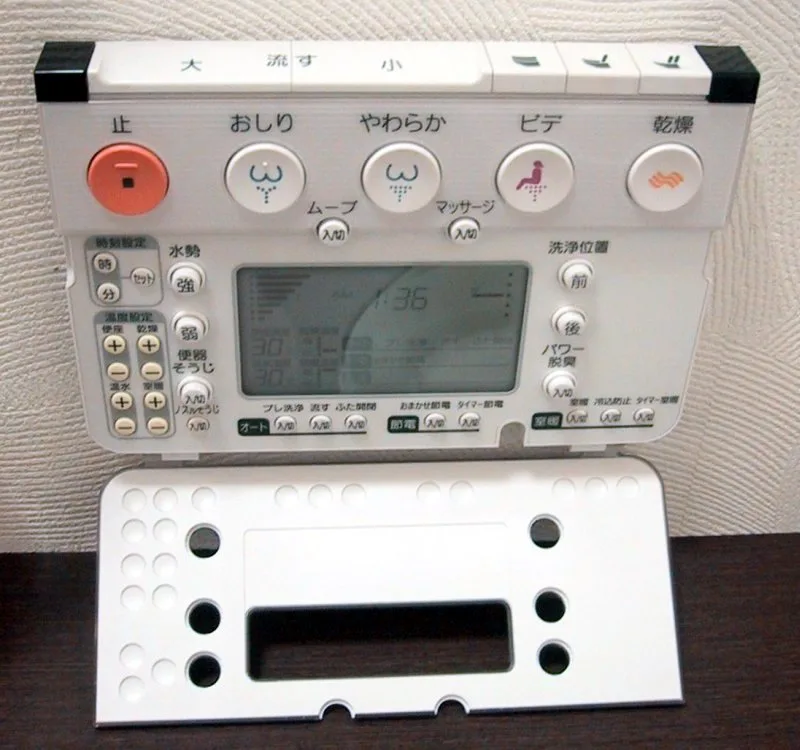
A bidet toilet seat offers a more hygienic and comfortable way to freshen up after using the toilet. But like any bathroom fixture, it needs regular cleaning to stay in top condition and prevent the buildup of germs. Keeping your bidet clean isn’t just about aesthetics; it’s about maintaining hygiene and ensuring your bidet functions properly for years to come.
Many people worry about the complexity of cleaning a bidet. The good news? It’s usually much simpler than you think.
Most modern bidet seats are designed with ease of maintenance in mind. This guide will walk you through everything you need to know to effectively clean your bidet toilet seat, from routine upkeep to tackling tougher jobs. We’ll cover the different parts of your bidet and the best methods for each.
Image source: Wikimedia Commons / User:Chris 73 (CC BY-SA)
Let’s get your bidet sparkling clean and germ-free.
Understanding Your Bidet Toilet Seat Components
Before diving into cleaning, it’s helpful to know the parts of your bidet seat that require attention. Most bidet toilet seats, whether electric or non-electric, share several key components that need regular cleaning.
- The Seat and Lid: This is the most obvious part. It’s made of plastic and comes into direct contact with you.
- The Control Panel/Remote: This is how you operate the bidet’s functions. It can accumulate fingerprints and grime.
- The Nozzle(s): This is the business end, where the water sprays from. It’s crucial to keep this clean for hygiene. Many bidets have self-cleaning functions, but manual cleaning is still important.
- The Water Supply Connection: This is where the bidet connects to your toilet’s water line. While not cleaned frequently, it’s good to be aware of it.
- The Mounting Hardware: The bolts and brackets that secure the bidet seat to the toilet bowl.
Knowing these parts helps you target your cleaning efforts effectively.
Gathering Your Cleaning Supplies
You don’t need a lot of fancy products to clean your bidet toilet seat. Most of what you need is probably already in your bathroom or kitchen.
- Soft Cloths or Microfiber Towels: These are gentle and effective for wiping surfaces without scratching.
- Mild Dish Soap or Bathroom Cleaner: A gentle, non-abrasive cleaner is best. Avoid harsh chemicals like bleach or ammonia, as they can damage the plastic and electronic components.
- Rubbing Alcohol (Isopropyl Alcohol): Great for disinfecting surfaces, especially the control panel and remote. Use with a cotton swab for precision.
- White Vinegar: A natural disinfectant and deodorizer. It can be useful for stubborn water spots or mild mildew. Dilute it with water if using on a large surface.
- Cotton Swabs (Q-tips): Perfect for reaching tight spots, like around buttons or nozzle crevices.
- A Soft Brush (like an old toothbrush): Helpful for gently scrubbing areas where grime might build up, such as around the nozzle housing or mounting bolts.
- Spray Bottle: For mixing cleaning solutions, especially diluted vinegar or water.
- Paper Towels: For drying and quick cleanups.
Important Note: Always check your bidet manufacturer’s instructions. They might recommend specific cleaning agents or methods for their particular model.
Routine Cleaning: Keeping Your Bidet Fresh Daily or Weekly
Regular, light cleaning is the easiest way to maintain your bidet toilet seat. Aim to do a quick wipe-down at least once a week, or more often if you use it frequently.
Cleaning the Seat and Lid
- Wipe Down: Use a soft, damp cloth to wipe down the entire surface of the seat and lid.
- Gentle Cleaner: If needed, dampen your cloth with a diluted solution of mild dish soap and water. Wipe down the seat and lid thoroughly.
- Rinse: Wipe away any soap residue with a clean, damp cloth.
- Dry: Use a dry microfiber cloth or paper towel to remove all moisture. This prevents water spots and keeps the plastic looking shiny.
Cleaning the Control Panel and Remote
The control panel or remote can get sticky from fingerprints.
- Disconnect (if applicable): If your bidet has a detached remote, remove the batteries if you’re going to do a thorough clean.
- Wipe: Use a slightly damp (not wet!) cloth to wipe away dust and grime.
- Disinfect: For a deeper clean, lightly dampen a cotton swab or the corner of a microfiber cloth with rubbing alcohol. Gently wipe down the buttons and the surface of the panel or remote. Alcohol evaporates quickly and is a good disinfectant.
- Dry: Ensure the panel and remote are completely dry before using again, especially if you removed batteries.
Simple Nozzle Wipe
Most bidets have a self-cleaning function for the nozzles, but a quick manual wipe can be beneficial.
- Extend Nozzle (if possible): Some bidets allow you to manually extend the nozzle. Check your manual. If not, cleaning will be limited to when it retracts.
- Gentle Wipe: With a soft, damp cloth (or a cloth lightly dampened with rubbing alcohol), gently wipe the visible parts of the nozzle when it’s extended. Be careful not to force it or damage the delicate parts.
- Retract: Ensure the nozzle retracts fully.
Deep Cleaning: Tackling Stubborn Grime and Disinfection
Once a month, or as needed, you’ll want to give your bidet a more thorough cleaning. This ensures all nooks and crannies are addressed and thoroughly disinfected.
Thorough Nozzle Cleaning
The nozzles are critical for hygiene. While many bidets have self-cleaning cycles, manual deep cleaning is a good practice.
- Activate Self-Clean: If your bidet has a self-cleaning cycle, run it as per the manufacturer’s instructions. This often flushes the nozzles with water.
- Manual Nozzle Access: Some models have a setting to extend the nozzle for manual cleaning. If yours does, extend it. If not, you’ll need to be extra careful with a cotton swab.
- Gentle Scrubbing: Use a cotton swab lightly dampened with rubbing alcohol or a diluted white vinegar solution to gently clean the nozzle tip and any visible parts. You can also use a soft-bristled brush (like an old toothbrush) dipped in your cleaning solution for any grime buildup around the nozzle housing.
- Rinse (if possible): If your bidet has a manual wash function you can use with the nozzle extended, run it with plain water for a moment to rinse away any cleaning solution or loosened debris.
- Dry: Allow the nozzle to retract and air dry as much as possible.
Cleaning Around the Base and Mounting Brackets
This is where dust and grime can accumulate.
- Lift Seat (if possible): Some bidet seats can be lifted or detached slightly to allow better access to the underside and the mounting hardware. Check your manual for how to do this safely.
- Wipe Underneath: Use a damp cloth with mild soap to wipe down the underside of the seat and the toilet bowl rim it sits on.
- Clean Brackets: Use a cotton swab or a soft brush dipped in your cleaning solution to get into the gaps around the mounting brackets and bolts.
- Rinse and Dry: Wipe with a clean, damp cloth to remove soap, then dry thoroughly with a paper towel or dry cloth.
Dealing with Water Spots and Mildew
Hard water can leave unsightly spots, and in humid bathrooms, mild mildew might appear.
- For Water Spots: Dilute white vinegar with an equal amount of water in a spray bottle. Lightly spray the affected areas (seat, lid, or even the nozzle housing if accessible and safe). Let it sit for a few minutes, then wipe with a soft cloth. Rinse with a damp cloth and dry thoroughly.
- For Mild Mildew: You can use a slightly stronger solution of diluted vinegar. For persistent spots, a dedicated bathroom mold and mildew remover specifically labeled as safe for plastic might be an option, but always test in an inconspicuous area first and ensure it’s non-toxic and rinsed thoroughly. Never use bleach directly on your bidet seat.
Special Considerations for Different Bidet Types
While the general principles apply to most bidet toilet seats, there are a few nuances depending on whether you have an electric or non-electric model, or a bidet attachment.
Electric Bidet Seats
Electric bidets have electronic components, including motors for nozzles, heaters, and air dryers.
- Waterproofing: Most electric bidets are designed to be water-resistant, but they are not waterproof. Never submerge any part of the bidet seat in water.
- Power: Always unplug an electric bidet seat from the power outlet before performing any deep cleaning. If you can’t easily reach the outlet, turn off the power at the circuit breaker for added safety.
- Control Panel: Be extra cautious with cleaning the control panel and remote. Use only a slightly damp cloth or cotton swabs with rubbing alcohol. Excessive moisture can damage the electronics.
- Drying: Ensure all electrical components and connections are completely dry before plugging the bidet back in.
Non-Electric Bidet Seats
Non-electric bidets are simpler, relying on your home’s water pressure. They typically have fewer electronic parts.
- Simplicity: Cleaning is generally more straightforward. You don’t have to worry about unplugging them or damaging electronics.
- Nozzles: Their nozzles might be manual or have a basic retraction mechanism. Focus on gently cleaning them when accessible.
Bidet Attachments
These are the simplest form of bidet, fitting under your existing toilet seat.
- Detachable: Often, these can be fully removed for easier cleaning. Unhook the water line, remove the attachment, and then clean it thoroughly with your chosen mild cleaner.
- Under Seat: If not removed, clean them like a non-electric seat, paying close attention to the spray nozzle and connection points.
Maintenance Tips for Longevity
Beyond cleaning, a few simple maintenance habits can keep your bidet toilet seat working like new.
- Regularly Check for Leaks: Periodically inspect the water connection point for any signs of drips or leaks. Tighten fittings if necessary, but be careful not to overtighten.
- Run Self-Clean Cycles: If your bidet has a self-cleaning nozzle function, use it regularly. This is your first line of defense against nozzle clogs and buildup. You might even notice a recommendation for this in how often you should replace vacuum filter in your home maintenance routine, consistency is key for all appliances.
- Address Hard Water: If you have hard water, consider using a water filter for your home. This can reduce mineral buildup not only in your bidet but also in other appliances.
- Gentle Use: Avoid sitting or leaning on the control panel or remote. Don’t force the lid or seat to close. Treat your bidet with care.
Frequently Asked Questions About Bidet Cleaning
Can I use bleach to clean my bidet seat?
No, it’s strongly advised against using bleach. Harsh chemicals like bleach can damage the plastic, discolor the seat, and potentially harm the electronic components of electric bidets. Stick to mild soaps, diluted vinegar, or rubbing alcohol.
How often should I deep clean my bidet nozzle?
A good rule of thumb is to deep clean your bidet nozzle at least once a month. If you notice any signs of residue or if its daily performance seems less than optimal, clean it more frequently. Running the self-cleaning function after each use (if available) helps immensely.
My bidet nozzle isn’t retracting properly. What should I do?
This could be due to a blockage or a mechanical issue. First, try running the self-cleaning cycle and gently cleaning the nozzle as much as possible. If it persists, consult your bidet’s manual for troubleshooting steps.
If the problem continues, contact the manufacturer or a qualified plumber. For some simpler issues, much like how to choose vacuum for hardwood floor involves understanding its mechanisms, understanding your bidet’s mechanics is the first step to fixing things yourself.
Is it safe to spray cleaning solutions directly onto the bidet seat?
For most surfaces, a light spray onto a cloth is best. For the control panel and remote, always spray onto the cloth or cotton swab, never directly onto the device. For the seat and lid, a light spray directly onto the surface is usually fine, but avoid spraying near electrical outlets or sensitive components.
Thoroughly rinse and dry all cleaned surfaces.
My bidet seat is old and has some stains. How can I remove them?
For stubborn stains on the plastic seat and lid, you can try a paste made of baking soda and water. Apply it to the stain, let it sit for 15-30 minutes, then gently scrub with a soft cloth or toothbrush. Rinse thoroughly and dry.
For the best result, regularly cleaning will prevent stains from setting in, similar to how consistent maintenance prevents issues.
Conclusion
Cleaning your bidet toilet seat is a straightforward process that ensures hygiene and prolongs the life of your fixture. By incorporating regular wiping with mild cleaners and periodic deep cleans focusing on the nozzles and hard-to-reach areas, you’ll keep your bidet fresh, functional, and hygienic. Always refer to your manufacturer’s guide for specific cleaning recommendations.
A clean bidet is a pleasure to use, offering confidence and comfort with every wash.


Similar Posts