How to Clean Velvet Curtains : Step-by-Step Guide

Velvet curtains add a touch of luxury and warmth to any room, but keeping them pristine can feel like a delicate balancing act. You might have noticed that dust and minor spills can quickly diminish their plush appeal. This article is all about how to clean velvet curtains, ensuring they retain their rich texture and elegant drape without causing damage.
We’ll cover everything from routine dusting to tackling tougher stains, so you can confidently maintain the beauty of your velvet window treatments.
When it comes to velvet, the key is always gentleness. Unlike sturdier fabrics, velvet’s pile can be easily crushed or distorted. That’s why understanding the right methods for cleaning velvet curtains is crucial for preserving their intricate beauty and ensuring they remain a stunning focal point in your home for years to come.
We’re going to dive into the best practices for both spot cleaning and a more thorough refresh.
Understanding Your Velvet Curtains: Fabric Type Matters
Before you even think about grabbing a cleaning solution, the first and most critical step in how to clean velvet curtains is understanding the specific type of velvet you’re working with. Not all velvets are created equal, and different compositions require different care. Most velvet curtains you’ll find today are either synthetic or a silk blend.
Synthetic velvets, often made from polyester or rayon, are generally more durable and forgiving when it comes to cleaning. They tend to be more resistant to water spots and can often withstand a bit more vigorous cleaning. Silk velvet, on the other hand, is exceptionally delicate.
It’s a natural fiber that can be easily damaged by moisture and harsh chemicals. Identifying this distinction will steer you away from potential disaster.
If your curtains have a care label, that’s your golden ticket. Look for symbols indicating whether they are dry clean only, hand wash, or machine washable. If there’s no label, err on the side of extreme caution.
It’s always better to test a small, inconspicuous area first, regardless of what you think the fabric can handle. I’ve found that a tiny corner near the hem or an area that’s usually hidden behind a furniture piece is perfect for this test.
Routine Care: Dusting Your Velvet Curtains
Regular maintenance is your best friend when it comes to keeping velvet curtains looking their best and minimizing the need for deep cleaning. Dust is the primary culprit that dulls velvet’s sheen and can eventually embed itself into the fibers. Fortunately, tackling dust on velvet curtains is quite straightforward.
The most effective method for routine dusting is using the upholstery attachment of your vacuum cleaner. It’s important to use this attachment on a low suction setting. You want to gently pull the dust away from the fibers, not deep into them or worse, rip them.
Always vacuum in the direction of the pile. You can feel the direction of the pile by gently stroking your hand across the fabric; one way will feel smooth, and the other will feel slightly resistant. Going against the pile can flatten or damage it.
Another excellent tool is a soft-bristled brush or a feather duster. A good quality feather duster can capture a surprising amount of dust without agitating the velvet too much. For a more targeted approach, a clean, dry microfiber cloth can also be used to gently wipe down the surface.
The trick here is to use light, sweeping motions, again, always following the direction of the pile. This simple act of dusting a couple of times a month can make a world of difference and extend the life of your beautiful velvet drapery.
Spot Cleaning Stains on Velvet Curtains
Accidents happen, and when they do, swift and proper action is key to successfully spot cleaning velvet curtains. The type of stain will dictate your approach, but the overarching principle is to act quickly and avoid over-wetting the fabric.
For water-soluble stains, like juice or some food spills, start by gently blotting the affected area with a clean, dry cloth to absorb as much of the liquid as possible. Avoid rubbing, as this can spread the stain and push it deeper into the velvet pile. If blotting alone isn’t enough, you can use a very lightly dampened cloth with cool water.
Again, dab gently. The goal is minimal moisture.
For grease or oil-based stains, you’ll need something to absorb the grease. Cornstarch or talcum powder can work wonders here. Sprinkle a generous amount of the powder over the stain and let it sit for at least an hour, or preferably overnight.
The powder will absorb the oil. Afterwards, you can gently brush away the powder or vacuum it using your upholstery attachment on a low setting. If a faint mark remains, you might need to try a specialized upholstery cleaner designed for velvet, but always test it on an inconspicuous area first.
Sometimes, a dry silk brush designed for clothing can be used to gently lift away dried-on debris or minor scuffs without the need for any liquid. It’s a bit like grooming a fine carpet. My own velvet armchair had a minor chocolate smudge once, and I was amazed at how well a gentle brushing and then a light dusting with cornstarch took care of it without leaving a trace.
Just remember, the less liquid you can use, the better, especially with more delicate velvets.
Deep Cleaning Velvet Curtains: When is it Necessary?
Deep cleaning velvet curtains isn’t something you’ll do often, and it’s often the step that makes people most hesitant. This is typically reserved for when the entire curtain has a general dinginess, an overall musty smell, or when spot cleaning isn’t enough to address the problem. For many velvet curtains, especially those that are older or made of silk blends, professional cleaning is the safest route.
However, if you have durable polyester velvet and the care label suggests it’s possible, you might consider a gentle hand wash or even a machine wash. This is where careful research and preparation become paramount. If your curtains are very large or heavy, hand washing might be impractical.
Machine washing velvet, even on a delicate cycle, carries risks. The agitation can cause the pile to mat or become uneven.
When considering such a significant cleaning, always check the manufacturer’s instructions meticulously. If there’s any doubt whatsoever, a professional cleaner experienced with velvet is your safest bet. They have the specialized knowledge and equipment to handle these luxurious fabrics without causing unintended damage.
It’s an investment to protect your investment, so to speak.
How to Wash Velvet Curtains by Hand (With Extreme Caution)
If you’ve determined that hand washing is a viable option for your synthetic velvet curtains, proceed with the utmost care. This method requires patience and a gentle touch. You’ll need a large basin or bathtub, cool water, and a mild detergent specifically designed for delicate fabrics.
Avoid any harsh chemicals or bleach, as these can strip the color and damage the fibers.
Fill your basin or tub with cool water and add a small amount of the mild detergent. Swish it around gently to create a light lather. Submerge the curtain, one section at a time if it’s too large to manage fully.
Gently agitate the water with your hands, allowing the detergent to work its way through the fabric. Again, no scrubbing or wringing! Treat it as if you’re washing a delicate silk scarf.
After a few minutes of gentle cleaning, drain the soapy water and refill the basin with clean, cool water. Rinse the curtain thoroughly, changing the water as many times as needed until all traces of detergent are gone. Squeeze out excess water very gently; do not wring or twist the fabric, as this will ruin the pile.
You can press the fabric between clean towels to absorb more moisture.
Never put hand-washed velvet in a dryer. The heat can cause shrinkage and permanently damage the pile. Instead, hang the curtains to air dry completely.
You may need to use multiple hangers or a sturdy drying rack. It’s a good idea to re-shape the curtains while they are still damp and perhaps brush through the pile gently with a soft brush as they dry to help maintain its texture. This entire process demands a slow, steady hand, and I’ve personally found that breaking it down into manageable sections makes it far less daunting.
Machine Washing Velvet Curtains: A Calculated Risk
Machine washing velvet curtains is a step that should only be considered if the care label explicitly permits it and you’re dealing with particularly robust polyester velvet. Even then, it’s a calculated risk. The goal is to minimize agitation and protect the pile at all costs.
If you opt for machine washing, always use the most delicate cycle available. This usually means a “hand wash,” “delicates,” or “wool” setting, depending on your machine. Crucially, use cold water only.
Hot water can cause shrinkage and damage the velvet’s fibers and color.
Select a mild, pH-neutral detergent. Avoid fabric softeners for this wash. Fabric softeners can coat the velvet fibers, making them appear dull and potentially changing their texture.
It’s also a good idea to wash the curtains alone or with a few other delicate items of a similar color to prevent abrasion and color transfer.
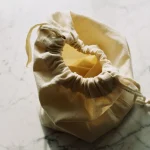
Before starting the machine wash, place the curtains inside a mesh laundry bag designed for delicates. This provides an extra layer of protection and significantly reduces friction and tumbling. Once the cycle is complete, remove the curtains immediately.
Do not leave them in the washing machine, as wrinkles can set in.
Similar to hand washing, never put machine-washed velvet curtains in the dryer. Always air dry them. Hang them on a sturdy rod or drying rack, away from direct sunlight or heat sources.
Gently brush through the pile with a soft brush as they dry to help restore its plushness and texture. This is a method I’d only use as a last resort if professional cleaning wasn’t an option, and I’d have my fingers crossed the whole time.
Drying and Re-Plumping Your Velvet Curtains
Drying is as critical as cleaning when it comes to how to clean velvet curtains. Incorrect drying can permanently set wrinkles, flatten the pile, or even shrink your beautiful fabric. As we’ve stressed, machine dryers are almost always a strict no-go for velvet.
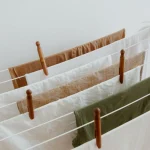
The best way to dry velvet curtains is by air drying. You can hang them back on their curtain rods, ensuring they are spread out as much as possible. If they are very heavy when wet, you might need to use multiple hooks or a sturdy line set up temporarily, ensuring they don’t stretch unevenly.
Alternatively, lay them flat on a clean, dry towel or a drying rack, again, making sure they aren’t bunched up.
While the curtains are still damp, it’s the ideal time to address any minor creases or to re-plump the nap. A soft upholstery brush or even a clean velvet brush can be used to gently brush the fabric in the direction of the pile. This helps to lift the fibers and restore their soft, luxurious feel.
For more stubborn creases, a handheld garment steamer can be used with extreme caution. Hold the steamer at least 6-8 inches away from the fabric and keep it moving constantly to avoid prolonged heat exposure on any one spot. Test this method on an inconspicuous area first!
The goal is steam, not direct heat, to relax the fibers.
Professional Cleaning: When to Call in the Experts
There are times when DIY cleaning simply won’t cut it, and it’s time to seek professional help for your velvet curtains. This is particularly true for expensive, antique, or silk velvet curtains. Professional cleaners have the specialized knowledge, equipment, and cleaning solutions to tackle delicate fabrics safely and effectively.
When choosing a dry cleaner for your velvet curtains, look for one that specifically advertises experience with fine fabrics, upholstery, or drapery cleaning. Ask them about their process for velvet. Do they use a wet cleaning method or a true dry cleaning process?
Do they have experience with the specific type of velvet your curtains are made from? A good cleaner will be transparent about their methods and provide you with clear guidance on what to expect.
Some professional cleaning services even offer pick-up and delivery, which can be a huge convenience for bulky items like curtains. While professional cleaning is often more expensive than DIY methods, it can be a worthwhile investment to protect your valuable furnishings. If your curtains are labeled “dry clean only,” this is your only safe option.
Trusting the experts is often the most sensible approach to preserving the integrity and beauty of your velvet drapery.
Restoring Velvet Curtain Shine and Softness
Over time, even with regular dusting, velvet curtains can lose some of their natural luster and become slightly stiff. Restoring that beautiful shine and softness is achievable with a few gentle techniques. One of the most effective tools, as mentioned before, is a soft upholstery brush.
Brushing the velvet in the direction of the pile regularly can help to keep the fibers standing tall and reflecting light beautifully. This simple action works wonders for maintaining that characteristic sheen. Think of it like grooming a beloved pet’s fur to keep it looking its best.
For a more targeted shine boost, you can sometimes use a steamer. Remember to use it from a distance, moving constantly, as we discussed, to impart a bit of moisture that can help relax and revive the fibers.
Another trick I’ve found helpful is using a very lightly misted cloth (almost dry) with distilled water. Gently wipe the surface of the velvet, again, always following the direction of the nap. This can help lift any surface grime that might be dulling the shine.
The use of distilled water is important because it lacks the minerals found in tap water that can sometimes leave residue. It’s a subtle difference, but with velvet, those subtle differences can be game-changers.
Dealing with Wrinkles and Crushing on Velvet Curtains
Wrinkles and crushed pile are common adversaries when it comes to velvet. They can appear from storage, from improper cleaning, or even just from the way the curtains hang. Thankfully, you can often remedy these issues with care.
The primary tool for tackling wrinkles and crushed pile on velvet curtains is steam.
A handheld garment steamer is your best friend here. As I’ve emphasized, always start on a low setting and hold the steamer at least 6-8 inches away from the fabric. Keep the steamer moving in consistent strokes, working in the direction of the nap.
The warm steam gently relaxes the fibers, allowing them to uncrush and fall back into place. It’s crucial not to get the fabric too wet, as this can lead to water spots.
For heavily crushed areas, you might need to repeat the steaming process a couple of times, always allowing the fabric to dry slightly between passes. After steaming, it’s a good idea to gently brush the nap in the direction of the pile with a soft brush. This helps to lift and realign the crushed fibers.
You might also find that simply hanging the curtains and allowing gravity to work for a few days can help relax minor wrinkles.
I recall a pair of heavy, deep blue velvet curtains I had that got quite creased in storage. I was worried they were ruined. A good session with a steamer, working patiently section by section, and then a gentle brushing brought them back to life.
It took time, but the result was well worth the effort. When it comes to how to clean velvet curtains and maintain their appearance, patience is truly a virtue.
Summary and Final Thoughts on Velvet Curtain Care
We’ve covered the essential steps and considerations for how to clean velvet curtains, from routine dusting to more intensive cleaning methods. The overarching principle, which bears repeating, is gentleness and an understanding of your specific velvet’s composition. Always check care labels, and when in doubt, test in an inconspicuous area or opt for professional cleaning.
Remember, regular dusting with a soft brush or a low-suction vacuum attachment, always moving with the pile, is your first line of defense against dust and grime. For minor spills, blot, don’t rub, and use minimal moisture. When considering deeper cleaning, hand washing or machine washing (on extreme delicate cycles with cold water) are options for some synthetic velvets, but professional cleaning remains the safest and often most effective route for delicate silks or heavily soiled items.
Steam is invaluable for refreshing pile and removing wrinkles, always used with caution and distance.
The care of velvet curtains is an ongoing process, not a one-time fix. By incorporating these gentle yet effective cleaning techniques into your routine, you can ensure your velvet curtains remain a luxurious and inviting feature in your home for years to come, their rich texture and beautiful drape preserved.


Similar Posts