How to Remove Mold From Curtains : Explained Simply

Discovering mold on your curtains can be disheartening, but don’t worry. Learning how to remove mold from curtains is a manageable task that can restore their freshness and prevent further spread. This guide breaks down how to tackle mold effectively, ensuring your home environment stays healthy and your window treatments look their best.
We’ll cover everything from identifying the type of mold to employing the right cleaning solutions for different fabrics.
Mold thrives in damp, poorly ventilated areas, and curtains are particularly susceptible due to their fibrous nature and proximity to windows, which can sometimes develop condensation. You might have noticed a musty odor or small, discolored spots on your fabric. Addressing this promptly is key to preventing it from becoming a larger, more persistent issue.
Let’s get started on bringing those curtains back to life.
Understanding Mold and Its Impact on Curtains
Before we dive into the removal process, it’s helpful to understand what mold is and why it’s a concern for your home. Mold is a type of fungus that grows in damp, warm environments. It reproduces by releasing spores, which can travel through the air and settle on surfaces.
When these spores find a hospitable environment, like the fibers of your curtains in a humid room, they begin to grow.
The visible signs of mold on curtains are usually discolored patches, often appearing as black, green, or white splotches. Beyond the unsightly appearance, mold can also significantly impact indoor air quality. Mold spores are allergens and can trigger respiratory problems, such as asthma or allergies, especially in sensitive individuals.
For this reason, it’s crucial to know how to remove mold from curtains effectively and prevent its return. I’ve found that early detection makes a monumental difference in the ease of removal.
Identifying the Type of Curtains
The best method for how to remove mold from curtains often depends on the fabric. Different materials require different cleaning approaches. Before you start scrubbing, take a moment to identify what your curtains are made of.
Are they delicate silk, sturdy cotton, synthetic polyester, or perhaps a blend?
For instance, heavy, durable fabrics like cotton or polyester can often withstand more rigorous cleaning methods. On the other hand, delicate fabrics such as silk or linen will require a gentler touch to avoid damage. Some curtains might also have special linings or embellishments that need consideration.
Always check the care label if one is available. If you’re unsure, a patch test in an inconspicuous area is always a wise first step to see how the fabric reacts to your chosen cleaning solution.
General Steps for Mold Removal from Curtains
Regardless of the fabric type, there are general steps you should follow when learning how to remove mold from curtains. Safety first is always paramount. Mold spores can be harmful, so wearing gloves and a mask is highly recommended.
Ensure the area you’re working in is well-ventilated by opening windows.
The initial step typically involves carefully removing any loose mold or dust. This can often be done by gently brushing the affected area outdoors with a soft brush, ensuring the spores don’t disperse further into your home. After this, you’ll move on to cleaning the mold with an appropriate solution.
Finally, thorough drying is critical to prevent mold from returning. We’ll break down specific solutions for different fabrics, but keep these overarching principles in mind.
Cleaning Mold from Washable Curtains
If your curtains are machine washable, you’re in luck! This is often the easiest way to tackle mold. First, as mentioned, try to brush off any loose mold outdoors.
Then, pre-treat the moldy spots with a stain remover or a diluted solution of detergent and water. Let it sit for about 15-30 minutes.
When washing, use the warmest water setting the fabric can tolerate. A standard laundry detergent should work, but for tougher mold, you can add about a cup of white vinegar or a specialized mold and mildew remover to the wash cycle. Vinegar is a natural disinfectant and can help kill mold spores.
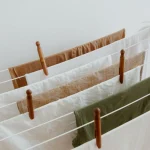
After washing, it’s essential to dry the curtains completely. Air drying is often best, especially if possible outdoors in direct sunlight, as UV rays can further help kill any remaining mold. If you must use a dryer, use a low-heat setting.
Tackling Mold on Dry-Clean Only Curtains
Dry-clean only curtains present a unique challenge. Direct washing isn’t an option, making a gentler approach necessary. For these types of curtains, it’s often best to start with a very light, dry brushing outdoors to dislodge any surface mold.
Be extremely gentle to avoid damaging the fabric.
For more stubborn spots, you might consider a specialized upholstery cleaner designed for delicate fabrics. Always follow the product’s instructions meticulously and perform a spot test first. Sometimes, a slightly damp cloth with a very mild detergent and water solution can be carefully dabbed onto the affected area.
The key here is minimal moisture. After cleaning, allow the curtains to air dry completely in a well-ventilated space without direct heat. In severe cases, or if you’re hesitant to tackle it yourself, taking dry-clean only curtains to a professional cleaner familiar with mold remediation is the safest bet.
They have the expertise and specialized solvents to handle these delicate situations.
Using Natural Cleaning Solutions for Mold
Many people prefer natural solutions when learning how to remove mold from curtains, and thankfully, several effective options exist. White vinegar is a superstar. Its acidity helps kill mold and mildew.
Mix equal parts white vinegar and water in a spray bottle. Lightly mist the affected area and let it sit for about an hour. Then, gently blot the area with a clean, damp cloth.
Another effective natural cleaner is baking soda. It acts as a mild abrasive and a deodorizer. Make a paste of baking soda and water, apply it to the moldy spots, let it dry, and then gently brush it off.
For more persistent mold, try tea tree oil. It’s a potent natural antifungal. Mix a teaspoon of tea tree oil with a cup of water in a spray bottle.
Spray the moldy areas, and let it air dry. You don’t need to rinse it off. These natural methods are generally safe for most fabrics, but a patch test is always recommended.
Advanced Techniques and Stubborn Mold
Sometimes, mold can be quite stubborn and require more advanced techniques. If simple washing or natural remedies aren’t cutting it, you might need to consider a bleach solution for white or colorfast curtains. However, this should be approached with extreme caution. Always dilute bleach significantly, typically one part bleach to ten parts water. Apply it sparingly with a cloth or sponge, and rinse thoroughly. Never mix bleach with vinegar or ammonia, as this creates toxic fumes.
For very old or deeply ingrained mold, professional cleaning might be the only viable option. They have specialized equipment and treatments that can often remove mold without damaging the fabric, which is especially important for antique or valuable curtains. Remember, when learning how to remove mold from curtains, patience and persistence are key.
Don’t be discouraged if the first attempt doesn’t yield perfect results.
Dealing with Mold on Different Curtain Styles
The style of your curtains can also influence the removal process. For instance, sheer curtains are delicate and often made of synthetic materials like polyester or nylon. These usually respond well to gentle washing in cold water with a mild detergent.
Avoid harsh scrubbing.
Blackout curtains or those with thermal linings can be trickier. The lining material might be more susceptible to damage or may trap moisture, making it harder to dry thoroughly. If your blackout curtains are washable, follow the care instructions carefully, and ensure the lining dries completely to prevent mold regrowth within its layers.
Valances and decorative elements might also require individual attention, so assess each part of the curtain separately.
Prevention is Key: Stopping Mold Before It Starts
Once you’ve mastered how to remove mold from curtains, the next crucial step is prevention. Mold thrives on moisture and poor air circulation. Identifying and addressing the source of excess moisture is paramount.
Is there condensation on your windows? Is the room particularly humid?
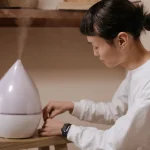
Improving ventilation is one of the best preventive measures. Use exhaust fans in bathrooms and kitchens after use, and open windows regularly to allow fresh air to circulate. Dehumidifiers can also be very effective in damp climates or rooms.
Regularly cleaning your curtains, even when you don’t see mold, can help remove dust and potential mold spores before they have a chance to grow. A quick vacuum with an upholstery attachment can go a long way.
When to Call a Professional
While many mold issues on curtains can be handled at home, there are times when professional intervention is necessary. If you suspect a large area of mold, or if the mold is recurring despite your best efforts, it might indicate a more significant underlying moisture problem in your home that needs addressing. Professional mold remediation services have specialized equipment to detect, remove, and prevent mold growth effectively.
Furthermore, if your curtains are made of very delicate or expensive materials, or if they are antique, it’s often wiser to consult a professional cleaner who specializes in fabric restoration. They can assess the situation and use the most appropriate methods without risking damage. Don’t hesitate to seek expert help if you feel overwhelmed or unsure about how to proceed safely and effectively.
Final Thoughts on Curtain Mold Remediation
Learning how to remove mold from curtains effectively is a vital skill for maintaining a healthy home environment and preserving your window treatments. By understanding your fabric type, employing the right cleaning solutions, whether natural or commercial, and prioritizing thorough drying, you can banish mold and its musty odor. Remember that consistent prevention, through good ventilation and moisture control, is your strongest ally against future mold infestations.
Your curtains, and your lungs, will thank you for it.


Similar Posts