How to Dispose Vacuum Cleaner
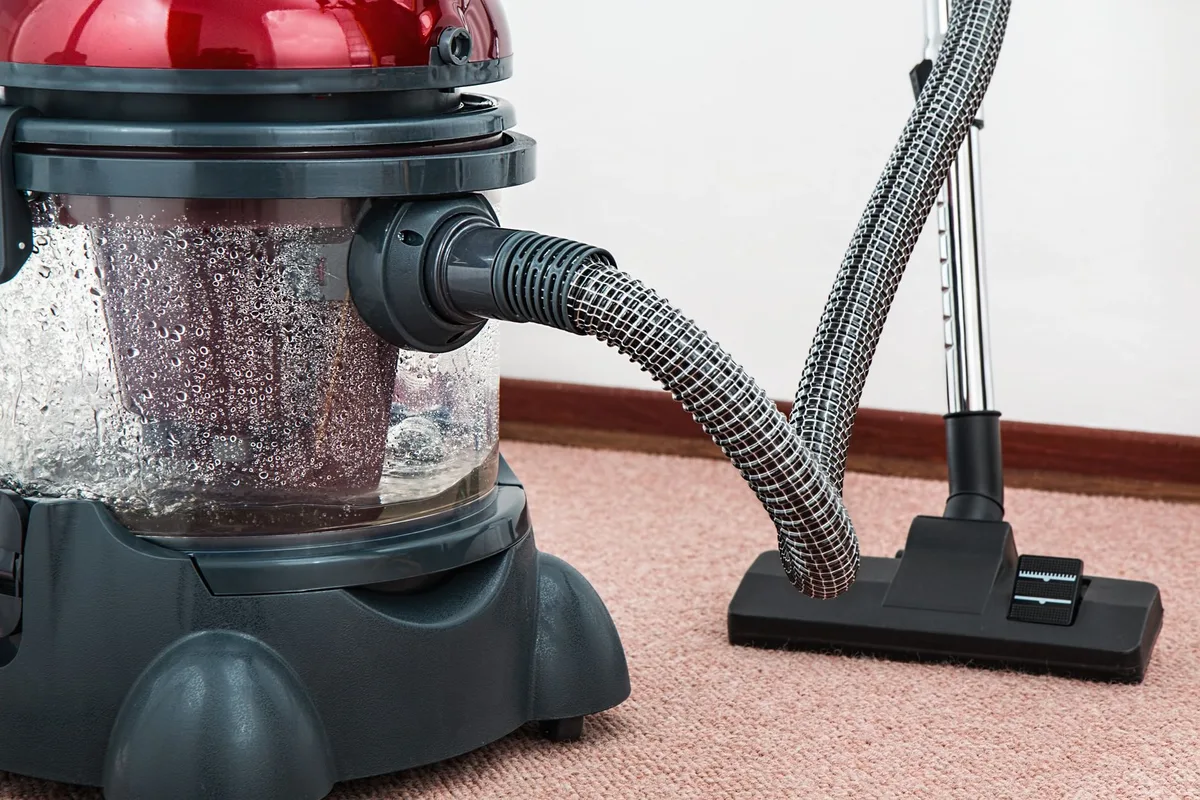
Let’s be honest. That old vacuum cleaner sitting in your garage isn’t doing anyone any good. Maybe it finally gave up after a decade of faithful service.
Maybe you upgraded to something smarter and quieter. Either way, you’re stuck with a bulky machine that doesn’t fit in your regular trash bin. And you know tossing it in the dumpster isn’t the right move.
I’ve been there. I’ve hauled dead vacuums to the curb, only to second-guess myself. So I dug into the real rules.
Here’s what I learned about how to dispose of a vacuum cleaner properly, without guilt, fines, or extra hassle.
First Things First: Can You Donate or Sell It?
Before we talk disposal, ask yourself one question: Does this thing still work? If the motor hums, the brushroll spins, and it sucks up dirt, someone out there probably wants it. Vacuum cleaners are surprisingly valuable to people on a tight budget.
Check local thrift stores, buy-nothing groups on social media, or places like Facebook Marketplace. Even an older model with basic features is better than sweeping floors by hand. I’ve dropped off vacuums at Habitat for Humanity ReStore locations before.
They take working appliances, and the money supports a good cause.
If the vacuum has visible damage, cracked housing, frayed cord, missing parts, donation isn’t an option. Nobody wants a fire hazard. That’s when you move into proper disposal territory.
Step 1: Empty the Dustbin Completely
This sounds obvious. But you’d be surprised how many people skip it. If your vacuum has a bagless bin, dump all the dust and debris into your household trash.
If it uses disposable bags, seal the bag and toss it. Do not leave a half-full bag inside the machine.
Why does this matter? Two reasons:
First, dust bunnies contain allergens, pet dander, and who-knows-what from your floors. Leaving that inside means it can spill during transport or storage. Second, many recycling facilities require appliances to be clean and free of biological material.
A vacuum full of old dust and hair is essentially contaminated waste to them.
I usually take my vacuum outside, open the bin over a trash bag, and tap it a few times to knock loose anything stuck inside. Compressed air works great for stubborn corners.
Step 2: Clean or Replace Filters
Modern vacuums have HEPA filters, foam filters, or pre-motor filters. If you’re disposing of the vacuum, you’ve got a choice. Toss those filters in the regular trash.
But here’s a better idea: remove and recycle whatever you can.
Some filters are recyclable through specialized programs. The EPA’s guidelines on electronic waste cover components like filters and plastic housings. Check your local recycling rules, some facilities accept the plastic frame of a filter even if the media itself goes to landfill.
If the filters are washable (many foam and fabric types are), give them a rinse first. That keeps the rest of your trash cleaner and reduces odor in your bin.
Step 3: Remove the Battery (Cordless Models Only)
This is critical. If you’re disposing of a cordless stick vacuum or a robot vac, that lithium-ion battery is hazardous waste. You cannot throw it in the regular trash.
Period.
Lithium batteries cause fires in garbage trucks and recycling facilities all the time. I’ve seen the news reports. It’s not worth the risk.
Here’s what to do:
- Look for the battery release latch or screws
- Remove the battery pack carefully
- Tape over the terminals with electrical tape
- Take it to a battery recycling drop-off
Most big-box home improvement stores have battery recycling bins near the front entrance. Best Buy accepts them too. Your local household hazardous waste facility will also take them.
Some municipalities even offer curbside pickup for batteries if you bag them separately.
Do this before anything else. Once the battery is out, the rest of the vacuum is much safer to handle.
Step 4: Check If Parts Are Recyclable
Vacuum cleaners are made of metal, plastic, copper wire, and circuit boards. That’s a mix of recyclable and non-recyclable materials. Here’s how it breaks down:
| Component | What It’s Made Of | Recyclable? |
|---|---|---|
| Body/housing | ABS plastic or polypropylene | Sometimes — check local codes |
| Power cord | Copper wire inside rubber/vinyl | Yes, via e-waste recyclers |
| Motor | Copper windings, steel, magnets | Yes, via e-waste recyclers |
| Brushroll | Plastic with nylon bristles | No — goes to landfill |
| Hose | PVC or rubber | Rarely recyclable |
| Circuit board | Mixed materials with precious metals | Yes, via e-waste recyclers |
| Wheels | Hard plastic or rubber | Usually no |
The bad news: most curbside recycling programs won’t take a whole vacuum cleaner. They’re not designed for mixed-material appliances. But that doesn’t mean it all goes to landfill.
Many e-waste recyclers will take the entire machine and separate the valuable materials. Copper from the motor windings, aluminum from the housing, steel from the frame, it all gets recovered. The plastic often gets shredded and used in new products.
Step 5: Find an E-Waste Drop-Off Location
This is the simplest option for most people. Electronics recycling centers accept vacuum cleaners. They’re classified as “small household appliances” under most e-waste regulations.
Here’s how to find one near you:
- Search “electronics recycling near me”
- Call your local waste management department
- Check the website of your city or county
- Use the recycling locator at Earth911
Most drop-offs are free. Some charge a small fee for items with refrigerants or large appliances, but vacuums rarely fall into that category. Call ahead to confirm hours and any size limits.
I’ve used county-run e-waste events twice now. They set up in a parking lot on a Saturday morning. You drive up, pop your trunk, and they unload everything.
Easy and painless.
Step 6: Consider a Retail Take-Back Program
Here’s a hack not everyone knows about: some stores that sell vacuums will take your old one when you buy a new one. It’s called a take-back program.
Best Buy runs a solid program. They accept vacuums under 50 pounds at their customer service counters. There’s a small recycling fee (usually $25 or so), but it covers the whole machine including batteries if you leave them in.
You don’t even need to buy anything new.
Dyson has a recycling program too. If you’re buying a new Dyson, they’ll send you a prepaid shipping label to return your old one. They handle the dismantling and recycling themselves.
Vacuum repair shops sometimes accept old machines for parts. I called a local shop once, and they were happy to take a broken vacuum off my hands. They harvested the motor, switches, and cord for repairs.
Free disposal for me, cheap parts for them.
What About Landfill Disposal?
Let me be clear: throwing a vacuum cleaner in the trash is legal in many places. But it’s rarely the best option.
Landfills are filling up fast. Electronics and appliances contain materials that don’t break down. Plastic housings will sit there for centuries.
The copper wire could have been recycled into new products. And if that battery finds its way into a landfill, it can leak toxic chemicals into groundwater over time.
If you absolutely must put it in the trash, at least follow these rules:
- Remove the battery first
- Break it down into smaller pieces if possible
- Tape over any sharp edges
- Check your local trash service rules, some require bulky item pickup appointments
Many garbage collection services offer “bulk item pickup” a few times per year. You set the vacuum out on the curb on a specific day, and they take it separately from regular trash. Call your provider to ask.
Recycling vs. Landfill: Which Is Better for You?
I’m not here to guilt you. But the numbers speak for themselves.
The EPA estimates that less than 30% of small household appliances get recycled. The rest heads to landfills. That’s millions of vacuums every year.
Each one contains copper, aluminum, and steel that could be reused. The energy saved by recycling copper is enormous, about 85% less than mining and refining new ore.
Plus, many vacuums contain small amounts of hazardous materials. Old models might have lead solder on circuit boards. Some have mercury switches.
Batteries contain cobalt, lithium, and nickel. These shouldn’t be in the ground.
If you have a local e-waste drop-off within 20 miles of your home, it’s worth the drive. You’re keeping toxins out of the environment and feeding valuable materials back into the supply chain. That’s a win-win.
Special Cases: Robot Vacuums and Stick Vacs
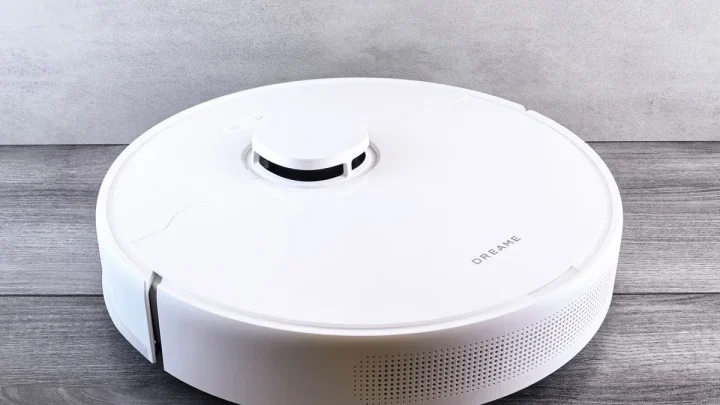
Robot vacuums present a unique challenge. They’re packed with electronics, sensors, circuit boards, and a lithium battery. They’re also small and easy to toss in the trash without thinking twice.
Don’t do it. Robot vacuums are full e-waste. The battery is almost always built-in and requires tools to remove.
But it’s worth the effort.
For stick vacuums (cordless models), the battery is the main concern. Many stick vacs have removable battery packs that pop off with a button press. Treat these exactly like a power tool battery.
Recycle them at any battery drop-off point.
Some stick vacs use sealed battery packs that aren’t user-serviceable. In that case, the whole unit is hazardous waste. Take it to an e-waste facility that handles lithium batteries.
They’ll deal with the disassembly.
Step-by-Step Quick Reference
If you want the shortest path from “broken vacuum” to “done,” here’s the workflow I recommend:
- Empty the dustbin into household trash
- Remove filters and check if they’re recyclable
- Extract the battery (if cordless) and recycle it separately
- Cut the power cord (optional, but makes the unit less likely to be reused unsafely)
- Drop the rest at an e-waste facility or use a retail take-back program
- Recycle the cardboard packaging if you just bought a replacement
That’s it. The whole process takes about 15 minutes, most of which is the drive to the recycling center.
Common Mistakes to Avoid
I’ve made some of these mistakes myself. Learn from them.
Mistake #1: Leaving the dustbin full. It’s gross, it’s messy, and it can attract pests if the vacuum sits in your garage or shed before disposal.
Mistake #2: Forgetting the battery. This is the single biggest safety issue. A lithium battery in the trash can spark a fire during compaction or transport. Always remove it.
Mistake #3: Assuming curbside recycling accepts it. Most single-stream recycling programs explicitly exclude small appliances. Putting a vacuum in your blue bin contaminates the whole load.
Mistake #4: Throwing it out as “bulk trash” without checking rules. Some municipalities require you to schedule pickup in advance. If you just set it on the curb without notice, it might sit there for weeks.
Mistake #5: Selling a damaged vacuum. If the cord is frayed, the motor smells like burning, or the housing is cracked, don’t sell it. You’re passing a hazard to someone else. Recycle it instead.
What About the Box Your New Vacuum Came In?
If you just bought a replacement vacuum, you’re probably looking at a big cardboard box full of styrofoam and plastic bags. Recycle the cardboard. The styrofoam is trickier, many curbside programs don’t accept it.
Check with your local recycling center or drop it at a styrofoam collection point.
Some packing materials are actually made from recycled plastic. That’s good, but it doesn’t mean you can recycle them again easily. Most plastic film (like the bag wrapped around the vacuum) goes to special drop-offs at grocery stores, not curbside bins.
Can You Repurpose a Broken Vacuum?
This is more of a DIY project than a disposal strategy. But I’ve seen people turn old vacuums into shop vacs, dust collectors for woodworking, or even leaf blowers. If you’re handy, the motor and fan assembly have plenty of life left.
But honestly, most people just want the thing gone. If you’re not a tinkerer, don’t feel bad about recycling it. Not every broken appliance needs to become a weekend project.
The Bottom Line
Disposing of a vacuum cleaner doesn’t have to be complicated. Empty it, remove the battery, and take it to an e-waste center. That’s the safe, legal, and environmentally responsible way to do it.
You’ve got options. Donation if it works. Recycling if it doesn’t.
Retail take-back if you want the easiest route. And for the love of clean floors, don’t just toss it in the trash without removing that battery.
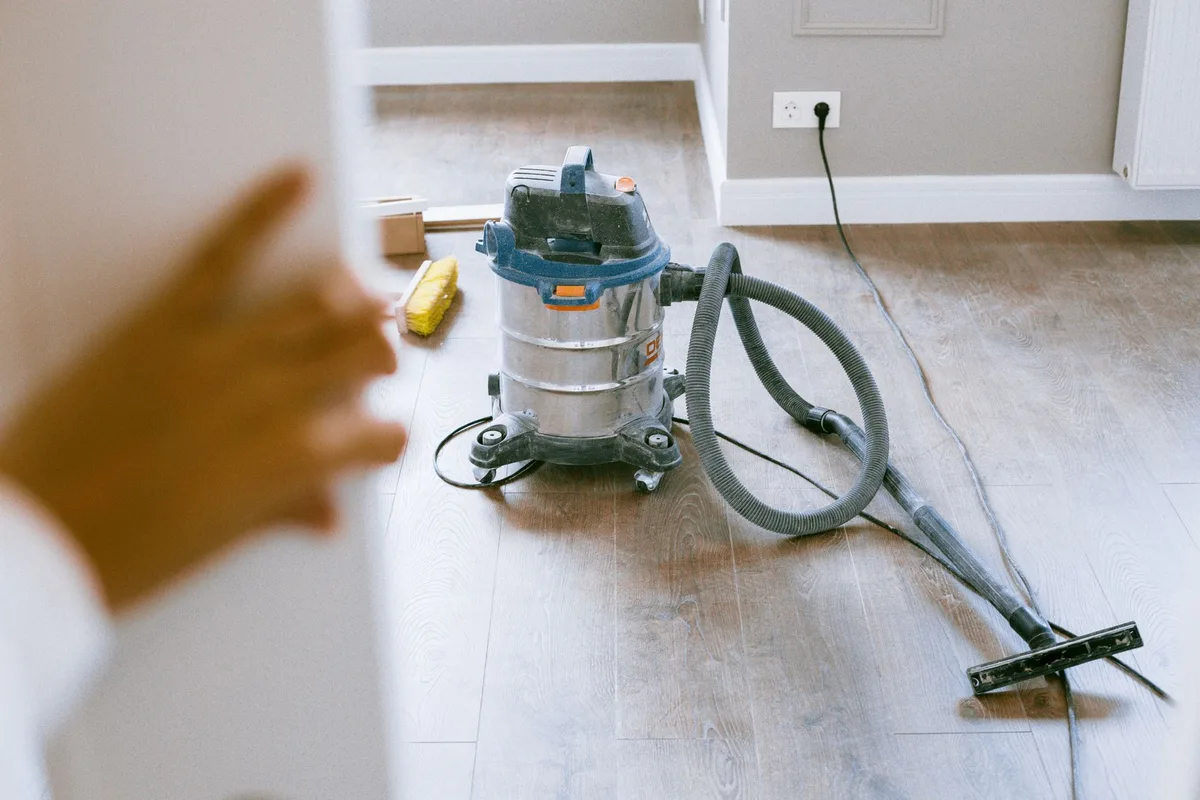
If you’re standing in your garage right now staring at a dead vacuum, you know what to do. Go empty the bin. Pop out the battery.
Find your nearest e-waste drop-off. It’ll take you less time than scrolling through social media, and you’ll sleep better knowing you did it right.
Your old vacuum served you well. It deserves a proper send-off.


Similar Posts