How to Organize Toys With Storage Baskets
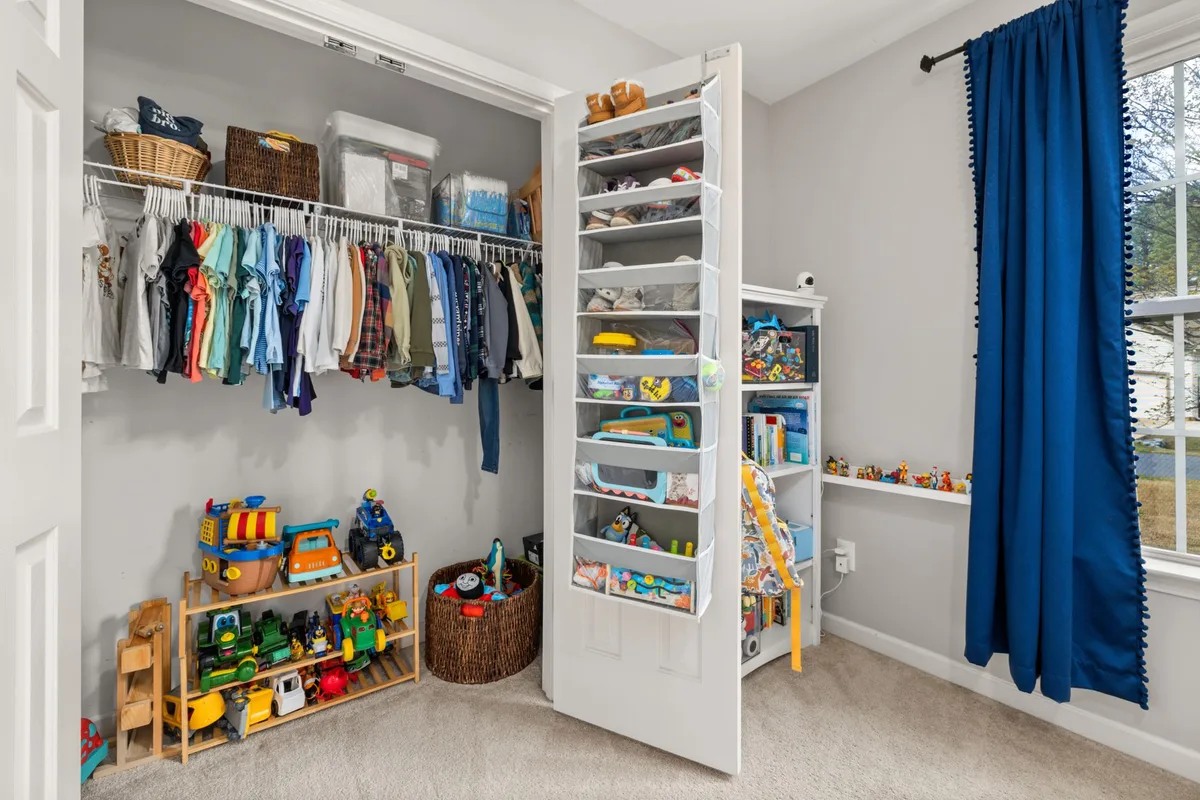
Image source: Pexels / Curtis Adams (Pexels License)
Let’s be honest. Toy clutter is a beast. One minute your living room looks presentable.
The next minute it’s a Lego minefield with stray doll shoes hiding under the couch. I’ve been there. More times than I care to count.
The good news? You don’t need a custom-built playroom or a massive renovation budget. You need storage baskets.
That’s it. The right baskets, used the right way, can transform chaos into order in an afternoon.
I’ve organized toys for dozens of families. I’ve tested every basket material, size, and system out there. What works isn’t always what looks prettiest in a catalog.
This guide is the real deal, no fluff, no sponsored nonsense. Just practical steps that actually stick.
Why Storage Baskets Work Better Than Anything Else
Bins and boxes have been around forever. But storage baskets specifically hit a sweet spot that other solutions miss.
First, baskets are portable. A kid can grab a whole basket of blocks and carry it to the rug. When playtime ends, everything goes back in the same basket.
No sorting tiny pieces into separate compartments. No fighting with lids that don’t line up.
Second, baskets breathe. Plastic totes trap smells and moisture. Baskets, especially woven ones, let air circulate.
That matters when you’re storing stuffed animals or dress-up clothes that kids have sweated into.
Third, baskets look like furniture. A pile of plastic bins screams “daycare.” A set of matching storage baskets says “intentional design.” You can keep them in your main living space without feeling like you’re running a preschool.
Choosing the Right Storage Baskets
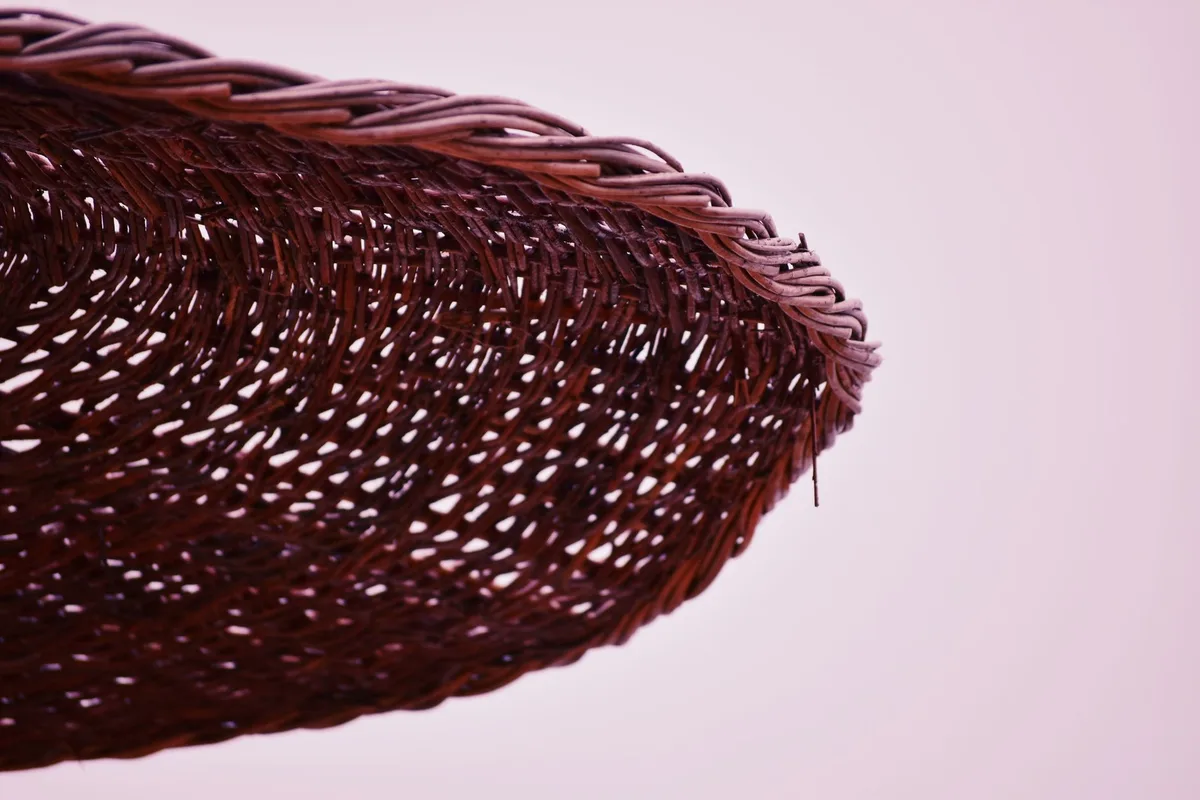
Image source: Pexels / Diana ✨ (Pexels License)
Not all baskets are created equal. I’ve made the mistake of buying cheap, flimsy baskets that collapsed under the weight of wooden trains. Don’t do that.
Here’s what actually matters.
Material Matters
Woven seagrass or water hyacinth, These are my top pick for most homes. They’re sturdy, lightweight, and natural-looking. The weave is tight enough that small pieces don’t fall through.
They hold up to daily abuse. Bonus: they’re sustainable.
Cotton rope baskets, Soft, washable, and kid-friendly. Great for stuffed animals or larger toys. But they lack structure.
Don’t use them for heavy items like wooden blocks or marble runs.
Metal wire bins, Industrial look, very durable, easy to see contents. Downside: they get cold to the touch and can pinch little fingers. Also, tiny toys escape through the wire gaps.
Fabric bins with cardboard inserts, Cheap and cute. That’s the only good thing I can say. They sag, they tear, and they absorb every spill.
Avoid these for long-term use.
Size and Shape Strategy
Big baskets are tempting. You think “one basket for everything.” That’s a trap. When one massive basket holds all the toys, kids dump the whole thing to find one pink pony.
Then nothing gets put back.
Rule of thumb: use medium baskets that hold one category of toys each. Blocks in one. Dolls in another.
Cars in a third. The basket should be shallow enough that a child can see everything inside without digging.
Square or rectangular baskets utilize shelf space better than round ones. Round baskets leave triangular dead zones on shelves. I learned that the hard way.
Safety First
If you have toddlers, check for sharp edges, loose weaves that could trap fingers, and any small parts on decorative trim. Babies put everything in their mouths. Make sure your baskets are non-toxic and free of loose fibers.
The Consumer Product Safety Commission has guidelines on toy storage safety. Check for stability too, a basket that tips over onto a toddler is a hazard. Wide bases are your friend.
The Sorting System That Actually Works
Before you buy a single basket, you need a sorting strategy. I’ve seen people buy gorgeous baskets, bring them home, and then just toss everything in randomly. That’s not organization.
That’s organized chaos.
Category Rules
Sort toys by how kids actually play with them, not by age or brand. Here are the categories I use:
- Building toys, blocks, Legos, magnetic tiles, Lincoln Logs
- Vehicles, cars, trucks, trains, planes
- Dolls and figures, action figures, Barbies, Little People, animal sets
- Art supplies, crayons, markers, play-doh, coloring books (these need their own basket because they’re messy)
- Puzzles and games, keep these separate from everything else so pieces don’t get lost
- Stuffed animals, one basket per kid, or one big basket for the household
- Miscellaneous small toys, anything that doesn’t fit elsewhere goes in a catch-all
The One-Basket Rule
Here’s a rule I enforce with every family I help. Each toy category gets exactly one basket. If the basket overflows, something has to go.
This prevents the slow creep of clutter.
When a basket gets too full, donate or sell the toys that your kids have outgrown. I know that’s hard. But your kids will play better with fewer toys that are easy to find and put away.
Step-by-Step Organization Process
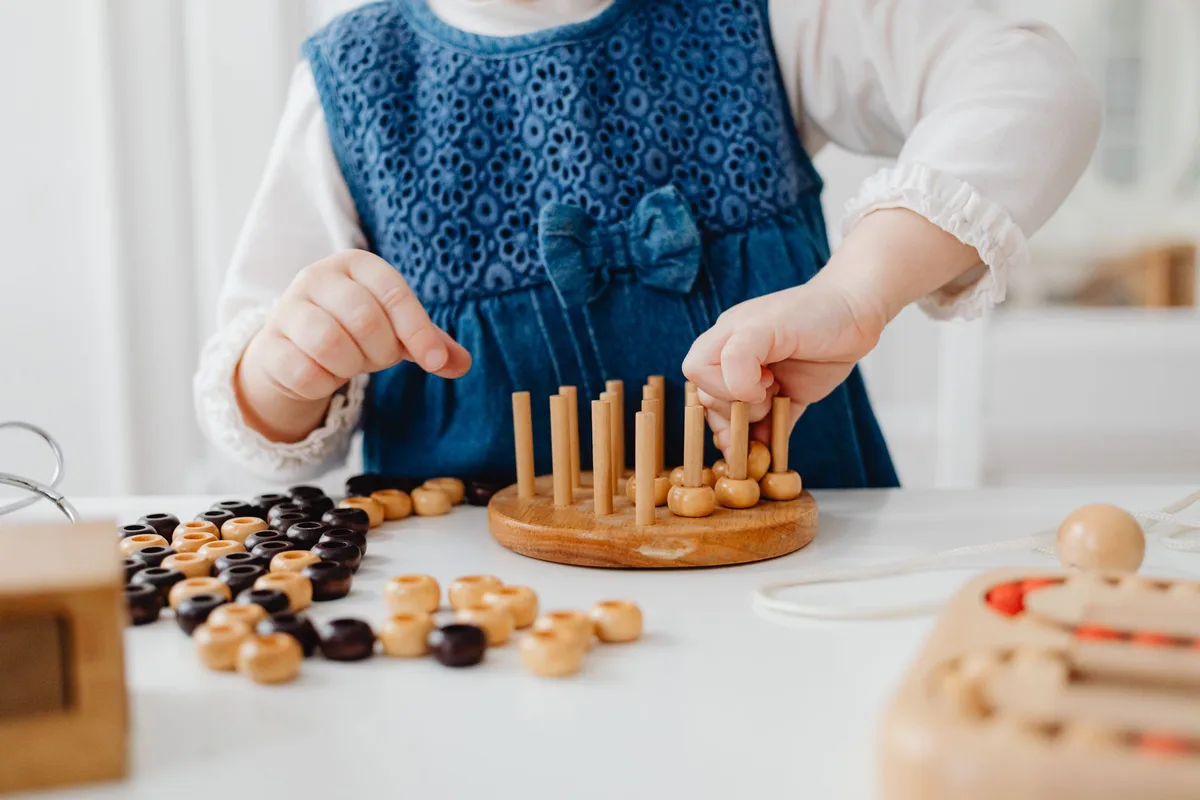
Image source: Pexels / www.kaboompics.com (Pexels License)
Ready to actually do this? Clear a Saturday morning. Put on music.
Get the kids involved if they’re old enough. Here’s the exact process I use.
Step 1: Empty Everything
Take every single toy out of every bin, shelf, and corner. Dump it all in the middle of the floor. Yes, it will look worse before it looks better.
That’s okay.
This is the painful part. But you need to see what you actually own. Half the toys in most homes are broken, missing pieces, or way past the age range.
Step 2: Sort Into Piles
Create piles for each category I listed above. Also make a “trash” pile for broken toys and a “donate” pile for toys your kids no longer use.
Be ruthless here. If a toy hasn’t been touched in six months, it goes. Your kids won’t miss it.
I promise.
Step 3: Match Toys to Baskets
Now assign each category pile to a specific basket. Think about how often the toys get used. Daily-use toys go in baskets that are easy to reach.
Seasonal or occasional toys can go higher up.
For Legos and other small-piece toys, use baskets with tight weaves or solid bottoms. Things like Mega Bloks or Duplos can handle a more open weave.
Step 4: Label Everything
Labels are not optional. They’re the difference between a system that lasts and a system that falls apart in three days.
You have options here:
- Fabric labels that attach with Velcro, easy to swap when categories change
- Chalkboard labels, write with chalk or chalk markers, wipe clean when needed
- Clear pouches, slip a picture card inside so pre-readers know what goes where
- Directly on the basket, use a label maker or permanent marker for a permanent solution
Label both the basket and the shelf spot where it lives. That double-labeling trains everyone in the household to return items to the correct spot.
Step 5: Set Up the Zone System
Where you place baskets matters as much as what’s inside them. Organize your space into play zones:
- Building zone, near a flat surface like a table or rug
- Quiet play zone, for puzzles, books, and calm activities
- Active play zone, for balls, ride-on toys, and movement-based play
- Art zone, near a washable surface or easy-to-clean floor
Put the corresponding baskets in each zone. That saves steps during cleanup. Kids don’t have to walk across the house to put blocks away.
Making the System Kid-Friendly
Storage baskets only work if your kids actually use them. I’ve seen beautiful setups that parents maintain alone while kids just dump toys everywhere else. That’s not the goal.
Make It Easy
The golden rule of kid organization: if it’s hard, they won’t do it. Baskets should be open-top. No lids, no complicated closures.
A child should be able to drop a toy in without opening anything.
Baskets should sit on low shelves or directly on the floor. If a basket is above shoulder height for a four-year-old, it’s a parent-only basket. That’s fine for some things, but most toys should be accessible.
Teach the System
Spend fifteen minutes teaching your kids how the system works. Show them which basket holds which toys. Practice together.
Make it a game.
For younger kids, use picture labels. Take photos of the toys that go in each basket. Print them out and attach them to the front.
Even a two-year-old can match a picture.
Establish a Cleanup Routine
Set a specific time for cleanup every day. Right before dinner works well. Or right before bath time.
Consistency matters more than duration.
Use a timer. Challenge your kids to beat the clock. “Can we get all the toys in their baskets before the timer goes off?” That turns cleanup into play.
Maintenance and Rotation Strategies
A toy organization system isn’t a one-time project. It needs maintenance. But that maintenance should take five minutes a day, not a whole weekend.
Daily Reset
At the end of each day, do a quick sweep. Walk through the house with a laundry basket. Grab every toy that’s out of place.
Take it back to the play area and sort into the correct baskets.
This daily habit keeps the system from degrading. I do it while I’m waiting for my coffee to brew. It takes almost no time.
Weekly Tune-Up
Once a week, check for broken toys, missing pieces, and baskets that are overflowing. Pull out anything that needs to be trashed or donated. Adjust your categories if play patterns have changed.
Toy Rotation
Here’s a game-changer I learned from a professional organizer. Don’t keep all toys out at once. Store about half of them in a closet or basement.
Rotate them every few weeks.
Why? Kids get bored seeing the same toys every day. When you rotate, old toys feel new again.
Plus, fewer toys mean easier cleanup and less overwhelm.
Use larger storage baskets or bins for the off-rotation toys. Label them clearly. Swap them out every three to four weeks.
Common Mistakes and How to Avoid Them
I’ve made every mistake in the book. Let me save you the trouble.
Buying Too Many Baskets
More baskets doesn’t equal more organization. It equals more baskets. Be intentional.
Buy only what you need for your categories. Leave empty shelf space. Empty space is your friend.
Ignoring the Flow of Traffic
Think about how your family moves through the house. Don’t put the art supply basket in the living room if your kids do art at the kitchen table. Put baskets where the play actually happens.
Choosing Style Over Function
Those adorable tiny baskets from the home goods store? They hold about four Hot Wheels cars. That’s it.
Don’t buy baskets based on looks alone. Check the dimensions. Imagine what you’ll actually store in them.
Forgetting About Grown Toys
Kids grow. Their toys change. A system that works for a toddler will fail for a seven-year-old.
Expect to revisit your setup every six to twelve months.
Adapting for Different Spaces
Not everyone has a dedicated playroom. Here’s how to make baskets work in tight spaces.
Living Room
Use a storage ottoman that doubles as a coffee table. Inside, keep a few medium baskets for the most-used toys. Everything else stays in the kids’ bedroom.
A narrow shelf unit against the wall can hold individual baskets. Each basket holds one toy category. The whole setup takes up less space than a single armchair.
Small Bedroom
Go vertical. Use wall-mounted shelves with small baskets. Keep the floor clear for play.
Under-bed storage baskets are perfect for rotating toys.
Apartment Living
Collapsible fabric baskets are your friend. They store flat when not in use. Use them for temporary toy storage that can be tucked away when company comes over.
Final Thoughts on the Basket System
Toy organization isn’t about perfection. It’s about making your daily life easier. Storage baskets give you a simple, flexible system that actually works with how kids play.
The key is keeping it simple. Fewer categories. Accessible baskets.
Consistent routines. That’s the formula.
Start with one zone. Maybe just the blocks and vehicles. Get that working before you tackle the whole house.
Small wins build momentum.
Your living room doesn’t have to look like a toy store exploded. With the right baskets and a little effort, you can have a space that’s both kid-friendly and grown-up-friendly.
And honestly? That feeling when you walk into a room and don’t step on a single stray Lego? That’s worth every minute you spend organizing.
*Ready to start? Pick one category of toys today. Find a basket that fits.
Label it. Put the toys away. That’s it.
One basket at a time.*


Similar Posts












[…] about cleaning. Dust collects in woven baskets like crazy. If you’re in a dusty area or have allergies, pick smooth materials like felt, leather, or […]