How to Dry Curtains After Washing : Complete Guide
TOPIC LOCK: How to dry curtains after washing.
How to Dry Curtains After Washing for 2026: Complete Guide
So, you’ve tackled the washing, and now your curtains are clean and fresh. That’s fantastic! But the next crucial step, how to dry curtains after washing, can feel a bit daunting.
Getting it wrong means battling stubborn wrinkles, potential shrinkage, or even mildew. I’ve found that understanding a few key principles makes all the difference. Whether your curtains are delicate velvet, sturdy linen, or practical polyester, the method you choose to dry them will impact their longevity and appearance.
Let’s dive into the best ways to ensure your drapes are perfectly dry and ready to hang, looking their absolute best.
Understanding Curtain Fabric and Drying Methods
Before we even think about reaching for the dryer or a clothesline, it’s vital to understand what your curtains are made of. Different fabrics have vastly different drying needs. A heavy, lined damask curtain will require a different approach than a sheer, lightweight voile.
Ignoring the fabric type is a common mistake that can lead to irreparable damage.
For instance, natural fibers like linen and cotton are prone to shrinking, especially when exposed to high heat. Synthetics, like polyester and nylon, are generally more forgiving but can melt or warp if dried improperly. Velvet, with its unique pile, needs careful handling to avoid crushing the texture.
Always, always check the care label. It’s your best friend in this process, offering specific instructions tailored to your exact curtain material. If the label is long gone or illegible, a cautious approach is always best.
When in doubt, air drying is usually the safest bet.
The Golden Rule: Always Check the Care Label
I can’t stress this enough: the care label is your definitive guide. It’s sewn into your curtains for a reason. Manufacturers know the specific fiber content and construction of their products, and they provide instructions to help you care for them properly.
You’ll typically find symbols or text indicating recommended washing temperatures, whether machine drying is allowed, and at what heat setting.
Ignoring this small piece of fabric can be a costly error. A simple symbol can save you from a ruined set of drapes. For example, a symbol with a square and a circle inside, with a cross through it, means no tumble drying.
A circle with a single dot indicates low heat, while two dots mean medium heat. If the symbol is just a square and circle, it’s typically safe to tumble dry, but always proceed with caution. Remember, even if machine drying is permitted, it’s not always the best option.
Machine Drying: Pros, Cons, and Best Practices
Machine drying can be a speedy solution, particularly for larger, heavier curtains. It’s efficient and can help to fluff up fibers and reduce some wrinkles. However, there are significant risks involved.
High heat is the arch-nemesis of most curtain fabrics. It can cause shrinkage, melt synthetic fibers, and set in wrinkles that are incredibly difficult to remove.
If your care label permits machine drying, I strongly recommend using the lowest heat setting available, often labeled as ‘delicate’ or ‘air fluff’. It’s also wise to dry curtains on their own, or at least with other items of similar weight and fabric type. Overloading the dryer can lead to uneven drying and increased creasing.
A fantastic tip I’ve picked up is to remove curtains from the dryer while they are still slightly damp. This is key! It allows you to take advantage of the residual heat to finish the drying process while minimizing the chance of excessive wrinkling or shrinkage.
You can then hang them immediately, allowing gravity to do some of the wrinkle-fighting work. This method often results in a smooth, refreshed look without the need for ironing.
Another consideration is the size of your curtains. Larger, heavier drapes might not tumble well in a standard dryer, leading to bunching and poor air circulation. In such cases, air drying is a much safer and more effective alternative.
Always ensure your dryer is large enough to accommodate the curtains comfortably for even drying.
Air Drying: The Safest and Most Gentle Method
When in doubt, air drying is your champion. It’s the gentlest approach and significantly reduces the risk of shrinkage, heat damage, or texture alteration. While it takes longer than machine drying, the results are often superior, with fewer wrinkles and a natural drape.
There are several effective ways to air dry your curtains. One of the most common methods is to hang them on a clothesline. If your curtains are lightweight, you can use clothespins to secure them, but be mindful that this can leave small indentations.
For heavier curtains, or to avoid pin marks, you can drape them over the line or use a rod.
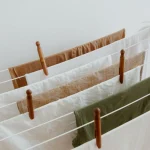
Another excellent option is to hang them on a sturdy drying rack. This allows for good air circulation around the fabric. For delicate curtains, consider laying them flat on towels on a clean surface to prevent stretching.
If you have the space, hanging curtains back on their rods or rails immediately after washing and gently stretching them can be a remarkably effective drying method. This utilizes the weight of the curtains to help them retain their shape and minimize wrinkles as they dry. It’s particularly good for heavier materials.
I’ve found this method is often all that’s needed for my linen drapes, saving me a lot of ironing. Ensure the rods are secure and able to bear the weight of wet fabric.
For those living in humid climates, or if you’re short on drying space, consider using a fan or a dehumidifier. Placing a fan near your air-drying curtains can significantly speed up the process by circulating air. Position it strategically so it blows air across the fabric without being too intense, which could cause uneven drying or stretching.
A dehumidifier works by removing moisture from the air, creating a drier environment conducive to faster drying.
Dealing with Difficult Fabrics: Velvet, Silk, and Lined Drapes
Some curtain fabrics require extra special care. Velvet, with its luxurious pile, is notoriously tricky. Machine drying is almost always a no-go, as the heat and tumbling action can crush, flatten, or even melt the fibers, irrevocably damaging its soft texture.
The best way to dry velvet curtains is by air drying. Hang them carefully on a sturdy rod or rack, ensuring they don’t stretch or distort. Avoid direct sunlight, as it can fade the rich color of velvet.
I’ve found that gently brushing the pile with a soft garment brush once completely dry can help restore its plushness.
Silk curtains are another delicate matter. They are prone to water spots and can be damaged by harsh chemicals or high heat. Always opt for air drying for silk.
It’s best to lay them flat on clean towels, changing the towels as they become damp, or hang them on a padded hanger. Avoid wringing or twisting silk, as this can weaken the fibers. Again, keep them away from direct sunlight and heat sources.
If you’ve washed silk curtains, you’ve likely used a very gentle detergent, so the drying process should reflect that gentleness.
Lined curtains, often made from heavier materials, present their own set of challenges. The lining and the main fabric might have different drying properties, which can lead to uneven shrinkage or stretching. If machine drying is permitted by the care label, use a very low heat setting and remove them while slightly damp.
However, air drying is generally the preferred method. Hang them on a sturdy rod or drying rack, ensuring good air circulation around both the face fabric and the lining. You might need to adjust them periodically to ensure even drying and prevent the lining from bunching up.
Sometimes, carefully pulling the fabric taut as it dries can help maintain its intended shape.
Wrinkle Removal: Ironing vs. Steaming vs. Hanging
Once your curtains are dry, you might still be battling with wrinkles. How you tackle them depends on the fabric and your preferred method.
Ironing: This is a classic wrinkle-removal technique, but it comes with caveats. Always check the care label for the appropriate heat setting. For delicate fabrics like silk or synthetics, use the lowest heat setting and consider ironing on the reverse side.
For natural fibers like cotton and linen, a slightly higher heat might be needed, but still proceed with caution. It’s often best to iron curtains while they are still slightly damp. Dampness helps the fibers relax and allows wrinkles to smooth out more easily.
Using a pressing cloth between the iron and the curtain can protect delicate fabrics from scorching or developing a shine. I’ve found that using a spray bottle of water to lightly mist stubborn wrinkles while ironing can be incredibly effective.
Steaming: A clothes steamer is a fantastic tool for refreshing and de-wrinkling curtains without the direct contact of an iron. It’s particularly good for delicate fabrics, velvet, and lined curtains. Simply hang your curtains as usual, and use the steamer, holding it a few inches away from the fabric.
Work your way down the curtain, allowing the steam to gently relax the fibers and release the wrinkles. This method is also excellent for curtains that are too large or cumbersome to iron. You can also use a steamer to give a quick refresh to curtains that have been hanging for a while, without fully washing them.
Hanging: Sometimes, the best wrinkle-removal strategy is simply allowing gravity to do the work. As mentioned before, hanging curtains back on the rod while they are still slightly damp can allow them to straighten out naturally. Ensure they are hung smoothly, with no major creases.
This method is highly effective for many fabrics, especially heavier ones, and is a great way to avoid heat altogether. For very stubborn creases, you might need to gently pull the fabric taut as it hangs, or even use a few large, non-rusting clips in inconspicuous places to help stretch them out.
Preventing Mildew and Mustiness
One of the biggest concerns with drying curtains, especially if they’ve been washed in a machine or are hung in a humid environment, is the development of mildew or a musty smell. This usually happens when curtains are not dried thoroughly or are stored while still damp.
The first line of defense is ensuring complete dryness. If air drying, make sure there’s good airflow. Using fans or dehumidifiers can be a huge help.
If machine drying, even on a low setting, ensure you don’t over-dry them to the point of brittleness; slightly damp is better for the final air dry or hanging stage.
If your curtains do develop a musty odor, try re-washing them with a mild detergent and a cup of white vinegar added to the rinse cycle. Vinegar is a natural deodorizer and disinfectant. After this, air dry them completely in a well-ventilated area, perhaps outdoors on a bright, breezy day (but out of direct, harsh sunlight for most fabrics).
For persistent odors, you might consider a specialized fabric refresher, but always test it on an inconspicuous area first. Proper and complete drying is the ultimate preventative measure.
The Importance of Proper Hanging After Drying
You’ve washed them, you’ve dried them, and now it’s time to hang them. This final step is crucial for maintaining the appearance and shape of your curtains.
When rehanging, ensure the curtain rod or track is securely fastened. Gently spread the curtains along the rod, avoiding bunching them up too tightly. If they were ironed or steamed, this is when you’ll see the results of your efforts.
If you air-dried them on the rod, simply ensure they are hanging straight.
I’ve found that for pleated curtains, taking a few moments to arrange the pleats neatly as you hang them makes a significant difference in how polished they look. For heavier drapes, double-check that the rod and brackets can support the weight, especially when the fabric is still settling into its final hang. This step is about presenting your clean curtains in the best possible light, completing the transformation from wash-day to window dressing.
When to Call the Professionals
While most curtain washing and drying can be managed at home, there are times when professional cleaning and drying are the better choice. Extremely delicate fabrics like antique silks, intricate tapestries, or heavily embellished curtains might be best left to dry cleaners who specialize in fabric care. If you’re unsure about the fabric type or its reaction to water and drying, or if the care label is missing and the curtains are valuable, it’s wise to err on the side of caution.
Professionals have the expertise and specialized equipment to handle these items without risk of damage. They can ensure that how to dry curtains after washing is handled by those who are best equipped for sensitive materials, preserving your investment.
A Final Thought on Curtain Care
Ultimately, the secret to beautifully dried curtains lies in a mindful approach. It’s about respecting the fabric, understanding its needs, and choosing a drying method that prioritizes its preservation. Whether you opt for the gentle embrace of air drying, the efficiency of a low-heat machine cycle with careful timing, or the targeted refinement of steaming, paying attention to the details ensures your curtains not only dry thoroughly but also retain their beauty and function for years to come.
It’s a small investment of time and care that pays dividends in the finished look of your home, a constant reminder that even the most functional items deserve a touch of luxury in their upkeep. By mastering how to dry curtains after washing, you’re not just drying fabric; you’re preserving the aesthetic of your living space.


Similar Posts