How to Remove Wrinkles From Curtains

You’ve just hung your brand-new curtains, or perhaps you’ve washed and re-hung your existing ones, only to be met with a sea of unsightly wrinkles. That’s a common frustration, and thankfully, learning how to remove wrinkles from curtains is entirely achievable. Whether they’re made of delicate linen, heavy velvet, or standard polyester, there are practical, effective methods you can employ right at home to restore their smooth, polished appearance.
Don’t let creased fabric detract from your room’s decor; with a few simple techniques, you can achieve the crisp, elegant look your windows deserve.
Understanding Curtain Fabric and Wrinkles
Before we dive into the solutions, it’s helpful to understand why those wrinkles appear in the first place. Curtains are constantly exposed to movement, opening and closing, drafts, and even the way they’re folded during transport or storage. Different fabrics react to these stresses in unique ways.
For instance, natural fibers like cotton and linen are prone to creasing due to their fiber structure. Synthetic materials like polyester might hold their shape better but can still develop stubborn folds, especially after washing. The key to tackling wrinkles effectively lies in understanding the material of your curtains and choosing the gentlest, most appropriate method.
Think about your favorite shirt, some fabrics bounce back effortlessly from a wash, while others seem to permanently hold onto every crease. Curtains are no different. Identifying the fabric type is your first step to successful wrinkle removal.
You can usually find this information on the care label attached to the curtain. If there’s no label, do a quick burn test (carefully! a tiny thread will do) or simply feel the texture. Cotton and linen are soft and matte; silk is smooth and lustrous; polyester feels slightly slick and may have a sheen.
This knowledge empowers you to select the right tools and temperatures to avoid damaging your window treatments.
Steaming: The Go-To Method for Wrinkle Removal
For many curtain fabrics, steaming is the most effective and safest way to banish wrinkles. It uses moisture and heat to relax the fabric fibers, allowing them to revert to their original smooth state without direct contact from a hot iron, which can sometimes cause scorching or permanent marks. This method is particularly excellent for delicate fabrics or those with intricate textures.
There are a few ways to achieve this. A handheld garment steamer is incredibly convenient. You simply hang your curtains, fill the steamer with distilled water (to prevent mineral buildup), and glide the steamer head over the wrinkled areas.
Keep it moving to avoid overheating any single spot. I’ve found that for very deep-set wrinkles, a second pass, sometimes from the back of the fabric, can do the trick. Remember to always follow the manufacturer’s instructions for your specific steamer.
If you don’t have a handheld steamer, a vertical steam setting on your iron can also work. Hang your curtains and hold the iron a few inches away from the fabric, directing the steam onto the wrinkles. Be very careful not to touch the fabric directly with the hot iron, as this can cause damage.
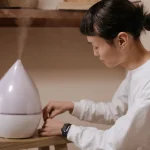
Another DIY approach involves hanging your curtains in the bathroom while you take a hot, steamy shower. Close the bathroom door and let the room fill with steam. This method isn’t as targeted as a steamer but can certainly help relax minor creases, especially in lighter fabrics.
Using an Iron: Delicate Touch and Caution
While steaming is often preferred, ironing can be an effective way to remove wrinkles from curtains, especially if they are made from durable materials like cotton or polyester blends. However, it requires a delicate touch and a careful approach to avoid heat damage. The golden rule here is to always use the lowest heat setting appropriate for the fabric and to employ a pressing cloth.
Start by checking the care label on your curtains to determine the recommended iron setting. If no label exists, it’s safest to start with the lowest heat setting and gradually increase it if needed. For synthetic fabrics like polyester, a very low heat is crucial, as they can melt easily.
Cotton and linen can usually handle a bit more heat, but caution is still advised. Before ironing the entire curtain, always test a small, inconspicuous area to ensure the fabric isn’t scorching or developing an undesirable sheen.
A pressing cloth is your best friend when ironing curtains. This is typically a piece of cotton fabric, like an old tea towel or pillowcase, placed between the iron and the curtain. The pressing cloth diffuses the heat, protecting the curtain fabric from direct contact with the hot iron.
This significantly reduces the risk of scorching, melting, or creating shiny patches. Iron in a gentle, even motion, avoiding prolonged pressure on any single spot. It’s often easier to iron curtains while they are still hanging if you can safely access them, or remove them and lay them flat on a large ironing surface.
When ironing panels while they are hanging, using a lightweight ironing pad or board that you can slide behind the curtain can be a game-changer.
Washing and Drying Techniques for Wrinkle Prevention
The best way to manage curtain wrinkles is often to prevent them from forming in the first place. This starts with how you wash and dry them. Proper laundering techniques can significantly reduce the need for extensive wrinkle removal later on.
When washing curtains, always refer to the care label. Many curtains, especially those made of polyester or cotton blends, can be machine washed. Use a gentle cycle with cold or lukewarm water.
Avoid using hot water, as it can cause shrinkage and set in wrinkles. For delicate fabrics like silk or linen, handwashing or a quick, gentle cycle on your washing machine’s delicate setting with cold water is best. Always use a mild detergent.
Excessive detergent can leave residue that attracts dirt and can make fabrics more prone to wrinkling.
During the spin cycle, don’t over-spin. A high-speed spin can wring out too much moisture, leading to deep creases. A shorter, gentler spin cycle is usually sufficient.
After washing, it’s crucial to remove curtains promptly from the washing machine. Don’t let them sit in a damp pile, as this is a surefire way to set in wrinkles.
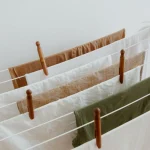
Air drying is almost always the superior method for preventing wrinkles. If possible, re-hang your curtains immediately after washing, while they are still damp. As they dry, gravity will work with the residual moisture to pull out many of the creases.
Smooth them down with your hands as they hang. If you must use a dryer, opt for the lowest heat setting or an air-only cycle. Remove them while they are still slightly damp and proceed to hang them or iron them immediately.
I’ve found that even with synthetics, pulling them out of the dryer while just kissed with humidity and hanging them up straight away makes a world of difference compared to letting them tumble dry completely.
DIY Solutions: Fabric Softener and Water Sprays
Sometimes, you don’t need a high-tech gadget or a full wash cycle to tackle a few stubborn wrinkles. Simple household items can often do the trick. Fabric softener and a spray bottle of water are surprisingly effective DIY solutions for minor creases.
For a quick touch-up, you can create a DIY wrinkle-releasing spray. Mix about a tablespoon of liquid fabric softener with two cups of water in a spray bottle. Gently shake the mixture until combined.
Lightly spritz the wrinkled areas of your curtains, taking care not to oversaturate the fabric. As the fabric softens and the moisture evaporates, the wrinkles should begin to fall out. This works particularly well on lighter fabrics.
I recommend testing this on an inconspicuous spot first, just to be sure there are no adverse reactions with your specific curtain material, especially if they have a delicate dye or finish.
Another simple method is to just use plain water. Dampen a clean microfiber cloth or sponge and gently wipe down the wrinkled areas. The moisture will help relax the fibers, and you can then smooth the fabric with your hands.
For more stubborn wrinkles, spray the area with plain water and then gently iron with a pressing cloth on a low heat setting, as described previously. The combination of moisture and a controlled amount of heat can be very effective. It’s a low-risk, low-effort approach for those times when you just need a quick fix before guests arrive.
Alternative Methods: Shower Steam and Travel Steamers
Beyond dedicated garment steamers, other heat and moisture-based methods can work wonders for removing wrinkles from curtains. Leveraging the steam from a hot shower is a fantastic, free, and eco-friendly option for lighter creases, and portable travel steamers offer convenience on the go or for smaller curtain jobs.
If you have lightweight curtains, such as sheer or voile panels, that have just a few minor wrinkles, the steam generated from a hot shower can be surprisingly effective. Simply hang the curtains in your bathroom, close the door securely, and run a hot shower for about 15-20 minutes. The humidity and steam will gently relax the fabric fibers.
Once the steam has done its work, you can then gently smooth the curtain panels with your hands. This is a passive method that requires no direct effort, making it ideal for a quick refresh. I’ve used this trick just before hosting a party when I noticed my living room sheers had picked up a few stray creases, and it worked like a charm.
For those who travel frequently or have apartments with limited space for a full-sized steamer, a portable travel steamer can be an excellent investment. These compact devices are designed for quick touch-ups and are perfect for tackling curtain wrinkles without the hassle of setting up a full ironing board. They work on the same principle as larger steamers, using heated steam to relax fabric fibers.
Just fill the small water reservoir, plug it in, and let it heat up for a minute or two. Then, hold the steamer a few inches from the fabric and glide it over the wrinkled areas. They are particularly handy for refreshing curtains that you don’t want to take down or for last-minute wrinkle emergencies.
Professional Cleaning and Specialty Curtains
For very delicate, antique, or elaborately designed curtains, or if you have a large number of panels that are significantly wrinkled, professional cleaning might be the best course of action. Dry cleaners have specialized equipment and expertise to handle a wide range of fabrics and finishes without causing damage. They can often remove stubborn wrinkles and stains that home methods might struggle with.
When considering professional cleaning, always look for a cleaner experienced with draperies and window treatments. They can advise you on the best cleaning method for your specific curtain material, whether it’s dry cleaning, wet cleaning, or a specialized sanitizing process. It’s worth the investment for peace of mind, especially if your curtains are made from materials like silk, velvet, or intricate brocades.
They can also often re-press or steam them to perfection once cleaned.
For specialty curtains, like blackout curtains or those with flame-retardant treatments, always adhere strictly to the manufacturer’s care instructions. These materials can be sensitive to heat or specific cleaning agents. Blackout linings, for example, can sometimes delaminate or lose their effectiveness if subjected to excessive heat or harsh chemicals.
Always err on the side of caution and consult cleaning professionals if you’re unsure how to best care for them and remove wrinkles from your curtains.
The Role of Fabric Finish and Curtain Weight
The type of fabric finish and the overall weight of your curtains play a significant role in how easily they wrinkle and how best to remove those wrinkles. A heavier, tightly woven fabric will generally hold its shape and resist creasing better than a lightweight, loosely woven material.
Consider velvet curtains. Their pile structure helps to mask minor wrinkles, and they are often best steamed rather than ironed to avoid crushing the pile. Linen, on the other hand, is a beautiful natural fiber that is prone to wrinkling.
While this can be part of its charm, you’ll likely need to steam or iron it carefully with a pressing cloth to achieve a crisp look. Sheer curtains, being very lightweight, are susceptible to developing creases and are usually best refreshed with steam, either from a garment steamer or the shower method.
Densely woven, heavier fabrics like damask or brocade might require more focused steaming or careful ironing using a pressing cloth on a slightly higher heat setting (still being mindful of the fabric content). When dealing with the weight and finish of your curtains, always remember that gentler methods are usually the safest starting point. It’s better to take a little longer with a low-heat steam or a delicate ironing technique than to risk damaging the fabric with excessive heat or aggressive handling.
Understanding the physical properties of your curtain material is fundamental to a successful wrinkle removal process.
Preventing Future Wrinkles: Proactive Measures
Once you’ve successfully removed wrinkles from your curtains, wouldn’t it be great if you could keep them looking smooth for longer? Proactive measures can significantly reduce the frequency of this chore. It’s all about being smart with how you handle and maintain your window treatments.
One of the simplest yet most effective strategies is to hang your curtains properly. Ensure they are installed on sturdy rods and that the fabric hangs evenly. Avoid overcrowding the rod, which can cause the fabric to bunch up and crease.
If your curtains are particularly heavy, consider using double rods or sturdy hardware to support their weight and allow them to hang without undue stress. Regularly smooth them out with your hands, especially near the edges and folds. This minor daily adjustment can prevent minor creases from becoming major wrinkles.
When you’re not using your curtains extensively, or if they’re for a room that doesn’t get much traffic, consider keeping them partially drawn. This reduces the amount of direct sunlight they are exposed to, which can weaken fibers and make them more prone to creasing over time. If you need to remove curtains for washing or storage, fold them loosely and place them in a breathable fabric bag or box.
Avoid tightly packing them, as this will only create more stubborn wrinkles. I’ve also found that a light spritz of a fabric refresher spray, the kind designed for clothing, can sometimes help maintain a fresh scent and a bit of smoothness between washes. It’s a small step that contributes to their overall appearance and longevity.
When it comes to tackling those stubborn creases, learning how to remove wrinkles from curtains effectively involves understanding your fabric, choosing the right tools, and employing gentle techniques. Whether you opt for the power of steam, the precision of an iron with a pressing cloth, or simple DIY sprays, the goal is always to restore the elegant drape of your window treatments. With a little care and the right approach, your curtains can look beautifully smooth and enhance the aesthetic of any room.


Similar Posts