How to Measure Lamp Shades
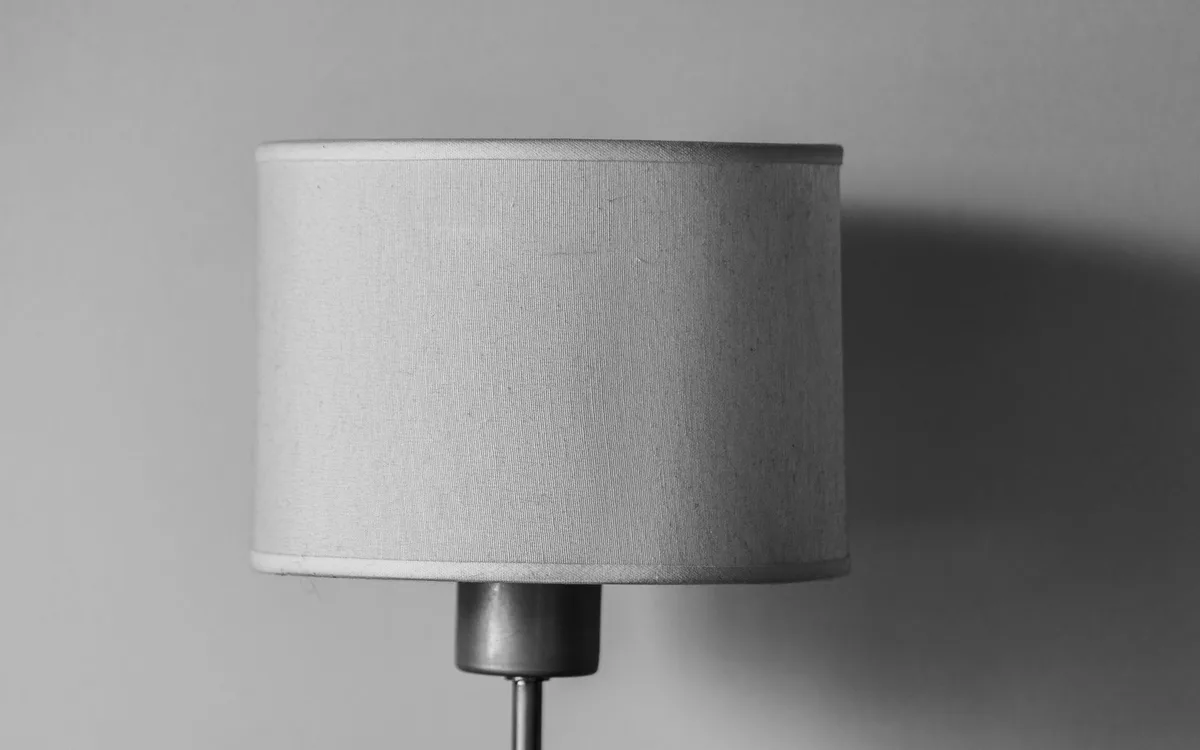
You’ve found the perfect lamp base, but the shade is either missing, damaged, or just not working with the room. Or maybe you’re trying to replace a shade that’s been knocked off one too many times. Either way, you need to know how to measure lamp shades correctly.
It’s not complicated, but it’s easy to mess up. One wrong number and your new shade won’t sit right, won’t fit the harp, or will look ridiculous.
I’ve been in this situation more times than I care to count. The good news is that with a tape measure and about five minutes, you’ll have all the dimensions you need. This guide walks you through every step, from the tools you’ll need to handling odd-shaped shades and fitters.
Let’s get it right the first time.
Image source: Pexels / Alex Dos Santos (Pexels License)
Why Accurate Measurement Matters
Lamp shades do more than just decorate. They control light direction, reduce glare, and protect your eyes. A shade that’s too large can overwhelm the base.
One that’s too small leaves the socket exposed and creates harsh shadows. A shade that doesn’t sit level wobbles and looks sloppy.
Beyond aesthetics, fit is a safety issue. A shade that doesn’t attach snugly can tip or fall, especially with high-traffic areas or kids. If the shade is too tight against the bulb, heat builds up and can damage the shade or even start a fire.
Getting the numbers right keeps your lamp safe and your room looking polished.
Most lamp shade replacements fail because people only measure one dimension. They grab the top diameter and call it done. That’s not enough.
You need to capture the full shape: top width, bottom width, slant height (or vertical height), and the fitting type. I’ll break each of those down in just a moment.
Tools Needed
Before you start, grab these four items. You probably already have them in the house.
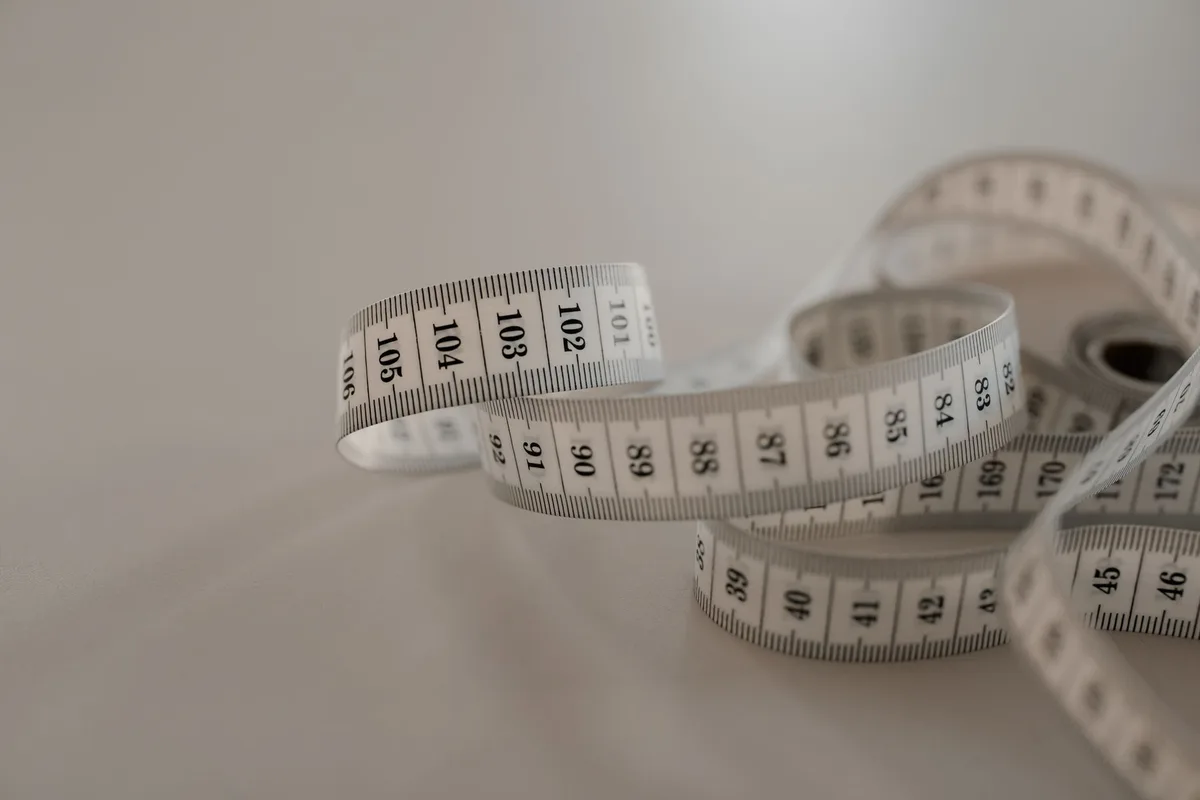
Image source: Pexels / Ron Lach (Pexels License)
- Flexible tape measure, A fabric or plastic sewing tape is best. A rigid ruler won’t work well for curved edges.
- Notepad and pen, Write down every measurement as you go. Trust me, you’ll forget.
- A straightedge or ruler, Useful for checking vertical height and for marking straight lines.
- A helper (optional), Holding the tape steady across a wide shade can be tricky. Another pair of hands helps, but you can manage alone.
That’s it. No special tools. No apps.
Just good old-fashioned measuring.
Step-by-Step Measurement Guide
Every standard lamp shade has three critical dimensions. Some shades need a fourth if they use a specific fitting method. Let’s go through each one.
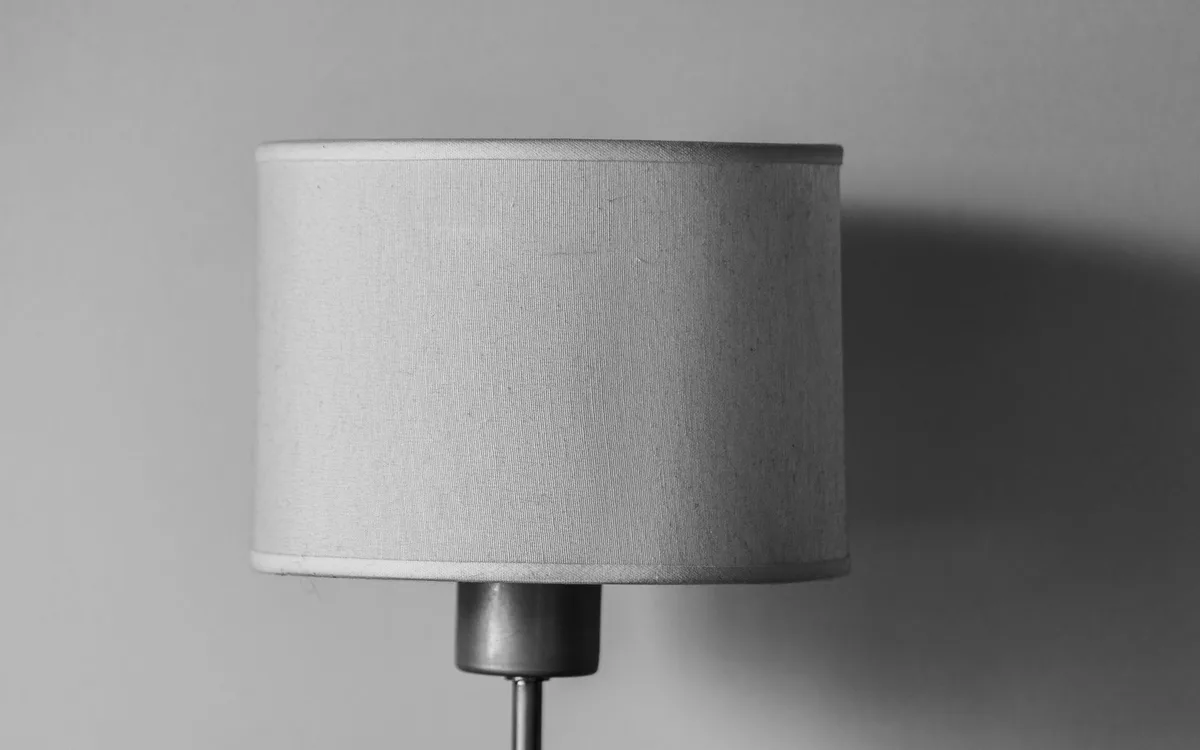
Image source: Pexels / Alex Dos Santos (Pexels License)
Measure the Top Diameter
Lay the shade flat on a table with the narrow end facing up. Place your tape measure across the top opening, going through the exact center. Read the measurement from edge to edge.
If your shade has a spider fitting (the three-wire frame that sits inside the shade), measure from the inside edge of one side to the inside edge of the opposite side. Some shades have a built-in washer or ring. In that case, measure the diameter of the ring itself, because that’s what contacts the harp.
Top diameter is typically between 4 and 12 inches for table lamps. Floor lamps often use wider top openings.
Measure the Bottom Diameter
Flip the shade over so the wide end faces up. Again, place the tape across the bottom opening, through the center. Measure from one outside edge to the other.
This is the measurement most people get wrong. They eyeball it or guess based on the shade’s shape. Don’t do that.
Take the time to cross the exact center. A 0.5-inch error can make the shade look completely off once mounted.
Bottom diameter is usually the largest dimension. It determines how much light spills downward and how the shade fills the space around the base.
Measure the Slant Height (or Vertical Height)
This is where confusion often creeps in. There are two ways to measure height, and they serve different purposes.
Slant height, This follows the slope of the shade. Hold your tape measure along the side, from the top edge to the bottom edge. If the shade is a perfect trapezoid, the slant height tells you how much fabric or metal you need for a replacement.
Vertical height, This is the straight line from the top rim to the bottom rim, perpendicular to the table. To get it, stand the shade upright on a flat surface. Place a straightedge across the top opening.
Then measure from the flat surface up to the straightedge.
Which one matters more? If you’re buying a new shade to fit an existing lamp base, you almost always need the vertical height. That’s what determines whether the shade sits at the right level above the bulb.
Slant height is more useful for sewing or crafting a new shade from scratch.
I measure both and write them down. It takes ten extra seconds.
Measure the Harp / Fitter Size
A lamp harp is the U-shaped metal bracket that goes around the bulb and supports the shade. Most table lamps use a spider fitting that rests on top of the harp. You need to know two things:
Harp height, Measure from the harp saddle (the flat part on top of the socket) to the top of the harp. Standard harp sizes range from 5 to 12 inches. If you’re replacing the shade and keeping the harp, measure it.
Fitter type, Common options include: , Spider fitter, Three metal arms with a center washer. Sits on top of the harp.
, Clip-on fitter, A clip that attaches directly to the bulb. Common on smaller shades.
, Uno fitter, A threaded ring that screws onto the socket. No harp needed.
, Harp fitter, The shade has a hole that goes over the top of the harp and rests on the harp’s finial.
Check which fitter your shade uses. If you don’t have the original shade, look at the lamp base. The socket type and presence of a harp tell you exactly what fitter you need.
Note the Shape
Shapes aren’t a measurement per se, but they affect fit. A drum shade has straight sides. An empire shade slopes outward from top to bottom.
A bell shade flares out more dramatically. A coolie shade has a very shallow slope.
Write down the shape too. It helps when browsing replacement shades online, because many listings combine dimensions with shape filters.
Special Cases: Shades That Aren’t Standard
Not every lamp shade follows the simple top-bottom-slant formula. Here are the common outliers you’ll run into.
Chandelier Shades (Candle Covers)
Chandelier shades are small, often tapered, and designed to fit over candle bulbs. To measure these, use the same three dimensions but on a miniature scale. Top diameter is usually 2, 4 inches.
Bottom diameter is 3, 6 inches. Slant height is around 3, 5 inches.
The fitting matters even more here. Most chandelier shades use a clip-on fitter (plastic or metal clips that grip the bulb). Some use a screw-on washer that attaches to the candelabra base.
If you’re buying replacements, bring one original shade with you or match the clip style exactly.
Clip-On Shades
Clip-on shades skip the harp entirely. They have a metal clip (or two clips) that snaps over the light bulb. When measuring, you still need top and bottom diameters and slant height.
But also check the clip size. Common clip openings fit standard A19 bulbs (about 2.4 inches wide) or smaller candelabra bulbs.
A clip that’s too loose will fall off. One that’s too tight can break the bulb or strain the clip’s spring.
Uno Threaded Fitters
Some shades have a built-in threaded ring that screws directly onto the lamp socket. These are often called “uno” fitters. To measure, you need the diameter of the fitting itself.
Standard uno fitters are 1-1/2 inches or 1-5/8 inches in diameter. Measure across the threaded ring, not across the shade opening.
If the threads are stripped or the ring is bent, you can’t just screw on a new shade. You may need to replace the entire socket or buy an adapter.
Common Mistakes to Avoid
I’ve seen lots of people get these wrong, and I’ve made a few myself. Here’s what trips people up most often.
Only measuring one side. Shades aren’t always perfectly symmetrical, especially older ones or handmade pieces. Measure the top and bottom diameters in at least two different directions (rotated 90 degrees) to confirm consistency. If they differ, use the larger measurement.
Confusing slant height with vertical height. As I said earlier, they’re not the same. If you buy a shade based on slant height and your lamp needs vertical height, the shade may hang too high or too low. Always confirm which height the retailer uses in their listing.
Forgetting the fitter. You can have the perfect dimensions, but if the shade doesn’t attach to the harp or socket, it’s useless. Write down the fitter type before you start browsing.
Not accounting for the bulb. A shade with a top diameter that’s too narrow can trap the bulb inside. This creates heat buildup and makes bulb changes a nightmare. Leave at least 1 inch of clearance between the bulb and the inside of the shade.
Measuring the shade while it’s still on the lamp. It’s almost impossible to get an accurate diameter with the shade mounted. The harp, the bulb, and the angle all throw off the reading. Remove the shade first, always.
Tips for Buying Replacement Shades
Now that you’ve got your numbers, here’s how to put them to use.
Shop specific dimensions, not just size labels. Retailers often group shades as “small,” “medium,” or “large,” but those labels vary wildly. Go straight to the product specs. Most reputable sellers list top diameter, bottom diameter, and height in inches.
Match the fitter. Check the product description for words like “spider,” “clip-on,” “uno,” or “harp.” If it doesn’t say, contact the seller before buying.
Consider the material. A shade’s material affects how it attaches. Heavy metal shades need sturdier harps. Fabric shades may warp if the fitter isn’t snug.
Plastic shades can melt if placed too close to high-wattage bulbs.
Bring the original shade if possible. When shopping in physical stores, take the old shade with you. Lay it side by side with potential replacements. Sometimes a slight difference in taper makes the new shade look odd.
For more detailed guidance on lamp shade types and fitting compatibility, check out the measurement guides at Lamps Plus. They have a handy visual chart that shows each dimension clearly.
If you’re working with a chandelier or a unique fixture, the American Lighting Association’s resource pages offer additional advice on special fittings.
Frequently Asked Questions
How do I measure a lamp shade for a floor lamp?
The process is identical. Measure top diameter, bottom diameter, and height. Floor lamp shades tend to be larger, often with bottom diameters of 16 inches or more.
The harp is usually taller too. Use the same steps, just expect bigger numbers.
What if my shade is tapered differently on top vs. bottom?
That’s normal for empire or bell shapes. Measure both diameters precisely. The difference between them determines the taper angle.
When shopping, look for shades that have a similar top-to-bottom ratio, not just the same bottom diameter.
Can I use a shade with a different fitter than my lamp?
Sometimes yes, but it requires an adapter. For example, you can buy a spider-to-uno converter ring. But adapters add height and change the shade’s position.
It’s usually cleaner to buy a shade with the correct fitter.
How do I measure a square or rectangular lamp shade?
Measure the length and width of the top opening and the bottom opening separately. For height, measure the shortest side (if the shade has straight sides) or the slant height if it slopes. The fitting is still a standard spider or clip-on.
What’s the most common mistake people make?
Not measuring the harp height. People nail the shade dimensions but then the shade doesn’t rest properly because the harp is too short or too long. Always measure the harp from saddle to top, and compare it to the shade’s vertical height.
Where can I find lamp shades with specific dimensions?
Many online retailers let you filter by top diameter, bottom diameter, and height. Use those filters. If you’re after a very specific size, consider custom shades from a local craftsperson or a specialized shade maker.
Final Check Before You Click Buy
Before you finalize that order, run through this quick checklist:
- Top diameter measured (through center)
- Bottom diameter measured (through center)
- Vertical height measured (not slant)
- Fitter type confirmed (spider, clip-on, uno, harp)
- Harp height measured (if applicable)
- Bulb clearance checked (at least 1 inch)
That’s it. You now know exactly how to measure lamp shades like a pro. No guesswork, no returns.
Your lamp will look great, function safely, and fit right the first time.
So grab that tape measure, the old shade, and get your numbers down. The perfect replacement is just a few inches away.


Similar Posts