How to Dust a Pleated Lamp Shade

Dust happens. It settles on everything, and those delicate pleats on your lamp shades are magnets for it. But you absolutely can clean them without causing damage, you just need to know the right techniques.
This guide will walk you through exactly how to dust a pleated lamp shade so you can restore its original beauty and ensure your lighting always looks its best. Let’s get those lamps looking less like forgotten relics and more like the stylish focal points they are meant to be.
When you’re facing a lamp shade covered in a fine layer of dust, it can seem daunting. Those intricate folds can trap particles, making traditional dusting methods feel too harsh. The thought of snagging a delicate thread or crushing a perfectly formed pleat is enough to make anyone hesitate.
I know I’ve felt that way, staring at a lamp shade and wondering if it was even worth the risk of a deep clean. But with the right approach, it’s surprisingly simple and rewarding.
Understanding Your Pleated Lamp Shade
Before we dive into the actual dusting, let’s take a moment to appreciate what makes these shades unique. Pleated lamp shades, often found in silk, linen, or even heavier fabrics, are designed to add a touch of elegance and diffused light. The pleats themselves can be sharp and crisp or soft and flowing, depending on the style.
This variation is key because it dictates how gently you need to approach the cleaning process.
The fabric type is your first clue. Silk and fine linens require the utmost care, almost like handling an antique textile. Heavier cottons or synthetic blends might be a bit more forgiving, but you still don’t want to be aggressive.
Think of it like grooming a prized botanical specimen; precision and a light touch are everything. Knowing your material means you’re already one step ahead in preventing any accidental tears or marks.
Essential Tools for Dusting Pleated Shades
Gathering the right tools is half the battle when it comes to effectively how to dust a pleated lamp shade. You don’t need anything fancy or expensive, just a few carefully selected items that prioritize gentleness. Using the wrong tool is where most problems begin, so let’s equip ourselves properly.
First and foremost, you’ll want a vacuum cleaner with a brush attachment. This is non-negotiable for effectively removing dust without direct friction. Ensure the brush bristles are soft and clean; a stiff or dirty brush can actually push dust deeper into the fabric or even cause snags.
I always give my brush attachment a quick once-over before I bring it anywhere near a lamp shade, especially if it’s been used on floors.
Next, consider a lint roller. For lighter dust or specific stubborn spots (more on that later), a lint roller can be a godsend. Again, opt for one with a gentle adhesive, and test it on an inconspicuous area first if you’re at all concerned about the fabric.
A soft-bristled paintbrush or a cosmetic brush (like a clean powder brush) can also be invaluable. These are fantastic for meticulously getting into the nooks and crannies of the pleats where even a vacuum brush might struggle. You’re essentially using it to gently coax dust out.
Finally, a can of compressed air can be surprisingly useful for dislodging dust particles, particularly from very delicate or tightly packed pleats. A quick puff can send dust flying, making it easier to then vacuum or brush away.
The Gentle Vacuuming Technique
The most effective and safest way to dust most pleated lamp shades involves your vacuum cleaner. This might sound a bit drastic if you’re envisioning a powerful suction ripping through delicate fabric, but with the correct settings and attachment, it’s incredibly efficient. The trick is to use the lowest suction setting your vacuum offers and always, always use the soft brush attachment.
Begin by positioning the lamp shade so it’s stable and accessible. You might need to remove it from the lamp base, which is often the easiest and safest approach. Then, start at the top of the shade and work your way down.
Gently glide the brush attachment over the fabric, moving with the direction of the pleats whenever possible. Don’t press down hard; let the bristles do the work. You’ll see the dust lifting away instantly.
I’ve found that slightly angling the brush can help get into the crease of each pleat. It’s a methodical process, but the results are dramatic. For shades made of very fine materials, you might even consider holding the vacuum hose a slight distance away from the shade, letting the air flow loosen the dust, then following up with the brush attachment at close range.
This adds an extra layer of protection.
The key here is consistent, gentle movement. Don’t linger too long in one spot, and avoid trying to suck up larger debris, focus solely on the dust. If your vacuum has an upholstery setting, that’s often a good starting point for suction power.
Tackling Stubborn Spots and Fine Dust
Sometimes, a routine vacuum isn’t quite enough, or you notice a few more persistent dust bunnies clinging to the fabric. This is where your lint roller and soft brushes come into play. For those areas where the vacuum brush might not reach effectively, a clean, soft-bristled paintbrush is your best friend.
Dip the brush lightly into the pleats, using a light, flicking motion to dislodge any clinging dust. Work in small sections, and then follow up with the vacuum cleaner on its lowest setting to suck up the loosened particles. This two-step approach is surprisingly effective for achieving a truly deep clean without any wear and tear on the shade.
A lint roller can also be a quick fix. For a lampshade that’s not heavily soiled, a few gentle rolls can pick up surface dust and pet hair in seconds. Apply minimal pressure; you’re just trying to get the sticky surface to adhere to the dust, not to press it into the fabric.
I sometimes use a lint roller on my wardrobe doors before tackling the lamp shades, just to pick up any stray fibers from my clothes that might transfer.
If you have a can of compressed air, you can use it to blow dust away from very intricate or delicate areas before vacuuming. Hold the can upright and use short bursts, directing the air away from the shade initially to dislodge particles, then use your vacuum to capture them. It’s like giving the shade a gentle, targeted puff of fresh air.
When to Consider a Deeper Clean (and How to Do It Safely)
There will be times when dusting isn’t sufficient. Perhaps your lamp shade has a slight water stain, a minor food spill, or just a general dinginess that dusting alone can’t rectify. This is where a deeper clean comes into play, and it requires even more caution.
First things first: always check the manufacturer’s care instructions. If you don’t have them, err on the extreme side of caution. For most fabric lamp shades, especially those with delicate pleats, spot cleaning is the safest bet.
Avoid full immersion washing at all costs, as this can warp the frame, loosen glue, and damage the fabric irreversibly.
For spot cleaning, you’ll want a very mild detergent, think a tiny drop of dish soap or a specialized fabric cleaner that you’ve tested in an inconspicuous area. Dampen a clean, white cloth with the solution (you want it barely damp, not wet). Blot the affected area gently from the outside in.
Never rub, as this can spread the stain or damage the fabric fibers.
After treating the spot, use a separate clean cloth dampened only with water to blot away any soap residue. Then, allow the shade to air dry completely. You might use a hairdryer on a cool setting, held at a distance, to speed up the process.
I remember one time a smudge appeared on my favorite silk shade after a rather enthusiastic fly swatting incident. I fretted for days, imagining I’d have to replace the whole thing, but a carefully executed spot clean with a damp cloth and a tiny bit of gentle soap saved it.
Dealing with Specific Fabric Types: Silk, Linen, and Synthetics
The material of your pleated lamp shade significantly influences the cleaning approach. Each fabric has its own unique properties that demand specific care. Understanding these differences is crucial for successful cleaning and preservation.
Silk Shades: These are the prima donnas of the lamp shade world. They are incredibly delicate and prone to water spots, so extreme caution is necessary. For dusting, your soft brush and vacuum on the lowest setting are your absolute best friends. If you need to spot clean, use a specialized silk cleaner or a water-free spot remover and test it thoroughly in an hidden area first. Never use water directly on silk for cleaning, as it can leave permanent rings. Professional cleaning might be the safest option for significant issues.
Linen Shades: Linen is a bit more robust than silk but still requires a gentle touch. Dusting with the brush attachment on your vacuum or a soft paintbrush is effective. For spot cleaning, mild soap and water can work, but always blot and avoid saturating the fabric. Wrinkles can be a common issue with linen; once dry, you can sometimes use a handheld steamer from a distance to gently refresh the pleats, but again, test this first.
Synthetic Blends (Polyester, Rayon, etc.): These are generally the most forgiving. While still avoiding harsh chemicals or excessive moisture, you’ll find they can withstand a bit more general dusting and even some light spot cleaning with soapy water. However, always start with the least invasive method, dry dusting, and proceed with caution. High heat can sometimes melt or warp synthetic fibers, so use cool settings on any steamers or hair dryers.
Choosing the right method for your specific fabric means you’re not just cleaning; you’re preserving the integrity and beauty of the shade for years to come. It’s like choosing the right polish for fine furniture, the wrong one can cause irreparable damage.
Preventing Future Dust Buildup
Once you’ve achieved a beautifully dusted lamp shade, you’ll naturally want to keep it that way. While complete dust prevention is impossible, there are several proactive steps you can take to significantly reduce the amount of dust that accumulates. This makes future cleaning much faster and easier.
Regular, light dusting is the most effective preventative measure. Don’t wait until a thick layer of dust has settled. A quick once-over with a feather duster or a soft brush once a week, or at least every couple of weeks, will make a world of difference.
Think of it as a gentle maintenance routine rather than a deep clean.
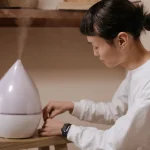
Air purifiers are also fantastic allies in the fight against dust. By trapping airborne particles, they reduce the amount of dust that has the chance to settle on surfaces, including your precious lamp shades. I’ve noticed a significant reduction in surface dust in rooms where I run an air purifier regularly.
It’s a silent hero in keeping your home cleaner.
If you have pets, this is especially important. Pet dander is a major contributor to household dust. Regularly grooming your pets and vacuuming their spaces can help minimize the amount of dander circulating in the air and settling on surfaces.
Finally, consider the placement of your lamp shades. While you can’t always control this, keeping lamps away from open windows that are frequently used or areas with a lot of foot traffic (which can stir up dust) can help. If a lamp is in a particularly dusty area, you might just need to be a bit more diligent with your regular light dusting.
Final Thoughts on Maintaining Your Pleated Lampshade
Keeping your pleated lamp shades looking pristine doesn’t have to be a daunting task. With the right tools and a gentle approach, you can effectively how to dust a pleated lamp shade, removing accumulated dust without causing any damage. Remember to always start with the gentlest method, a soft brush attachment on your vacuum on its lowest setting, and only move to more intensive techniques if absolutely necessary.
By understanding your shade’s fabric, using appropriate tools like soft brushes and lint rollers, and employing gentle techniques, you can ensure your lighting fixtures remain elegant and inviting. Regular, light dusting and considering preventative measures like air purifiers will make all the difference in maintaining their beauty over time. It’s about treating these items with the respect their craftsmanship deserves, ensuring they continue to cast a beautiful glow in your home.


Similar Posts