How to Protect Storage Bins From Pests
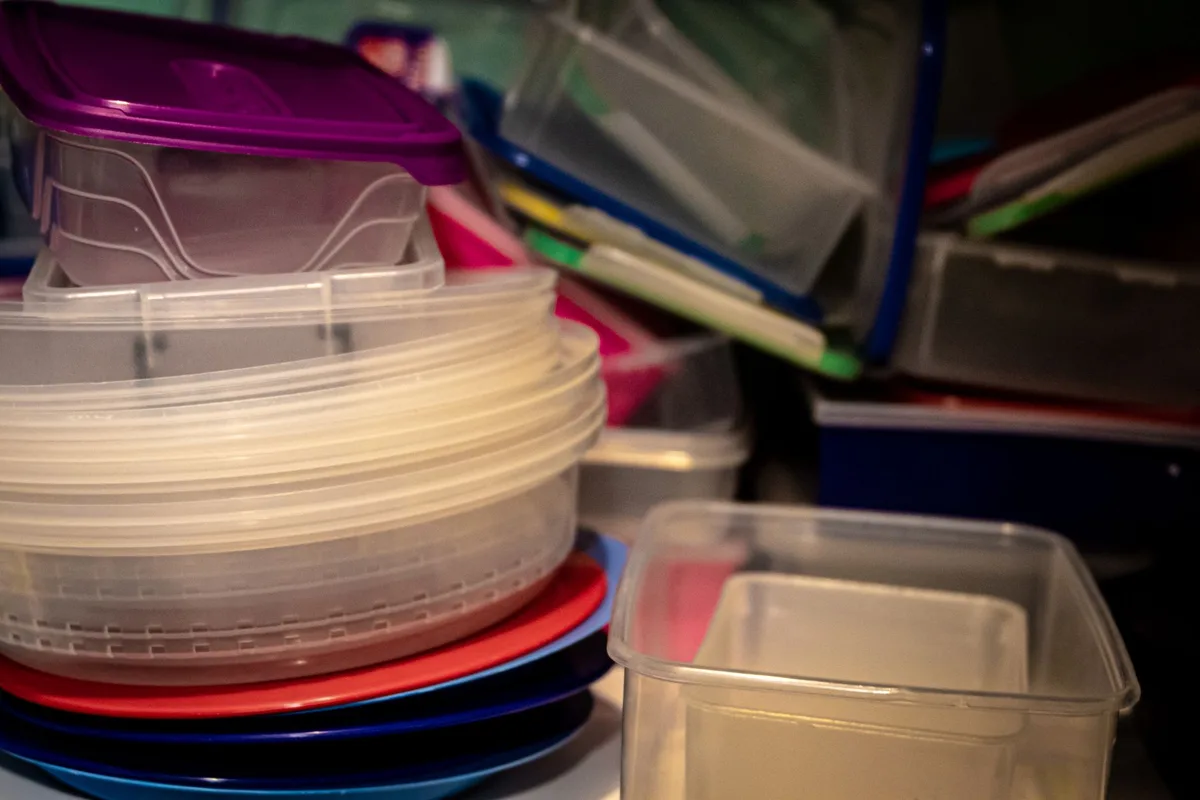
That’s right, your storage bins are a prime target for unwanted guests. We’re talking about pantry moths, ants, rodents, and all sorts of creepy crawlies. They’re tiny, they’re persistent, and they can turn your carefully organized belongings into a messy, contaminated disaster.
But don’t worry, you can fight back. This guide will show you exactly how to protect your storage bins from pests, keeping your valuables safe and sound.
We’ll break down effective strategies, from choosing the right bins to creating a pest-proof environment. You’ll learn about natural deterrents, common problem areas, and what to do if pests do get through. It’s all about smart prevention and quick action.
Understanding the Threat: Why Pests Love Storage Bins
Pests aren’t just randomly choosing your storage bins. They’re attracted by specific things: food sources, shelter, and easy access. Understanding this helps you lock down those vulnerabilities.
What Attracts Pests to Storage?
- Food Scraps and Crumbs: Even tiny specks of food can be a feast. Think about what you store. Grains, cereals, dried fruits, pet food, these are all incredibly attractive. And if your bins aren’t sealed tightly, crumbs from nearby areas can drift in.
- Moisture: Damp environments are a magnet for many pests, especially insects like silverfish and cockroaches. Food containers that aren’t completely dry, or stored in humid areas, are problematic.
- Shelter and Nesting Materials: A dark, undisturbed storage bin can look like a perfect place for pests to build a nest. Cardboard packaging, fabric items, and even paper can be used as nesting materials by rodents and certain insects.
- Accessibility: If a bin has cracks, gaps, or a lid that doesn’t seal properly, pests can easily get inside. They’re resourceful and will exploit any weakness.
Common Pests Targeting Storage Areas
Knowing your enemy is half the battle. Here are some of the usual suspects you’ll find poking around your storage bins:
- Ants: They’re tiny and can march through the smallest openings. They’re usually looking for food and water.
- Pantry Moths (Indian Meal Moths): These are notorious for infesting stored dry goods like flour, cereal, and pasta. You might see the moths themselves or a fine webbing inside the bin.
- Weevils: Small beetles that bore into grains and cereals, often laying their eggs inside. You might not notice them until you open the product.
- Rodents (Mice and Rats): They can chew through packaging and even some plastics. They’re looking for food and a safe place to hide.
- Cockroaches: These scavengers will eat almost anything and thrive in dark, warm places. Gaps in storage bins are an open invitation.
- Silverfish: These fast-moving insects love humidity and feed on starchy materials, including paper, glue, and fabrics.
Choosing the Right Storage Bins for Pest Prevention
The bin itself is your first line of defense. Not all storage solutions offer the same level of protection.
Image source: Pexels / Magda Ehlers (Pexels License)
Airtight Seal is Key
This is non-negotiable. Look for bins with lids that create a truly airtight seal. This means:
- Gasket Seals: Many good quality plastic or metal bins have a rubber or silicone gasket that lines the rim of the lid. When the lid is closed, this gasket compresses, effectively sealing out tiny insects and moisture.
- Secure Latches: Latches that clamp down firmly help ensure the gasket stays compressed. Test how tight the latches feel. If they’re flimsy, they might not provide enough pressure.
- Interlocking Lids: Some designs have lids that fit snugly into the bin’s rim, creating a tight fit without a separate gasket. While better than nothing, a gasket seal is generally superior.
Material Matters: Plastic vs. Metal vs. Glass
- High-Quality Plastic Bins: Many modern plastic bins are designed with pests in mind. Look for BPA-free, food-grade plastics that are thick and durable. While rodents can chew through some softer plastics, most common pantry pests won’t be able to penetrate a solid, well-sealed plastic bin. Stackable designs are great for organization, but make sure the seal is good on each bin.
- Metal Tins and Containers: Metal is an excellent barrier against chewing pests like rodents. If you store dry goods like flour, sugar, or pet food, metal containers with tight-fitting lids are a fantastic choice. Ensure there are no sharp edges or rust spots where moisture could cause damage and create entry points.
- Glass Jars with Airtight Lids: For smaller or high-value items, glass jars with metal lids (often with a rubber or plastic seal inside) are also very effective. They’re easy to see inside, keep things fresh, and pests can’t get through them. Be mindful of breakage, though.
Avoid Cardboard and Paper Packaging
While convenient for initial purchase, cardboard boxes and paper packaging are a pest’s best friend. They offer easy entry points for insects and can be chewed through by rodents. Always transfer dry goods from their original packaging into your chosen pest-proof storage bins as soon as possible.
Storing Items Correctly Inside Your Bins
It’s not just about the bin itself. How you pack and what you store inside also plays a crucial role.
Pre-Sort and Clean Items Before Storing
Before anything goes into a bin, inspect it.
- Inspect for Infestation: Check packaged goods for signs of damage, tiny holes, or webbing. If you find any, discard the product immediately and safely, preferably outside your home.
- Wipe Down Containers: Ensure that any containers you’re moving into storage are clean and dry. Wipe off any dust, dirt, or sticky residues.
- Remove Original Packaging: As mentioned, get rid of flimsy cardboard boxes and paper bags. Transfer contents to your secure bins.
Portion Control: Don’t Overfill
Packing bins too full makes it harder to seal them properly. You also risk damaging the contents or the bin’s seal. Leave a little space at the top for the lid to close flush.
Consider Desiccants for Moisture Control
If you’re storing items in a potentially humid area, or storing things prone to moisture damage (like important documents or certain fabrics), consider adding a desiccant packet. These small packets absorb moisture and can help deter silverfish and other moisture-loving pests. Make sure the desiccant is not accessible to pets or children.
Strategic Placement: Where You Store Your Bins
The location of your storage bins is as important as the bins themselves.
Elevate Them Off the Floor
This is a golden rule, especially for items stored in basements, garages, or sheds. Pests often travel along the floor. Elevating your bins makes them less accessible and harder to reach.
- Shelving Units: Use sturdy metal or plastic shelving units. Make sure there are no gaps on the shelves where small pests can hide underneath.
- Pallets: For larger, heavier items, stored in areas like garages, placing bins on wooden or plastic pallets can lift them clear of the floor.
- Cinder Blocks: A simple and effective method is to place bins on sturdy cinder blocks.
Keep Them Away From Walls and Potential Entry Points
Don’t push your storage bins right up against walls, especially if there are cracks or gaps in the foundation. Pests often use wall perimeters to travel. Leave a few inches of space to inspect and clean behind them.
Avoid Areas with High Moisture and Humidity
Basements, attics, and garages can be prone to humidity. If possible, store sensitive items in drier parts of your home. If you must use these areas, ensure your bins are exceptionally well-sealed and consider dehumidifiers for the general space.
Group Similar Items Together
Storing similar types of items together not only helps with organization but also with pest management. If you notice an issue in one area, you can isolate and treat that specific group of items without affecting others.
Natural Pest Deterrents for Storage Areas
You don’t always need harsh chemicals. Many natural ingredients can help keep pests away from your storage bins.
Essential Oils
Certain essential oils are known to repel common pests. You can use these in a few ways:
- Cotton Balls: Place a few drops of essential oil on cotton balls and place them inside the storage bin or around the area. Refresh the oils every few weeks.
- Sprays: Mix a few drops of oil with water and a little bit of white vinegar or rubbing alcohol. Lightly spray the exterior of the bins or the shelves.
Effective Essential Oils:
- Peppermint Oil: Great for repelling ants, spiders, and mice.
- Eucalyptus Oil: Can deter moths and other insects.
- Lavender Oil: Known to repel moths and flies.
- Tea Tree Oil: Has broad insecticidal properties.
Diatomaceous Earth (Food Grade)
Food-grade diatomaceous earth (DE) is a natural powder made from fossilized aquatic organisms. It works by scratching the exoskeleton of insects, causing them to dehydrate and die.
- How to Use: Lightly sprinkle a thin layer of food-grade DE around the base of shelves, under bins, or in any cracks and crevices where pests might enter. Crucially, do not create thick piles, as pests may just walk over them. A thin dusting is more effective. Avoid inhaling the dust. Wear a mask when applying it in enclosed spaces. Keep DE away from stored food items directly, and out of reach of pets and children.
Bay Leaves
Bay leaves are a classic pantry staple that can also deter moths and weevils. Scatter a few dried bay leaves inside your bins (not directly on food, but perhaps tucked into a corner or a small breathable sachet). Replace them about once a month.
Vinegar Traps
While not directly protecting the bin, vinegar traps can help monitor and reduce the population of fruit flies and certain other small insects in the general storage area. Place a small dish with apple cider vinegar and a drop of dish soap. The vinegar attracts them, and the soap breaks the surface tension so they drown.
Regular Inspection and Maintenance: Your Ongoing Strategy
Prevention isn’t a one-time job. It requires ongoing vigilance.
Schedule Routine Check-ups
Make it a habit to inspect your storage bins regularly, perhaps once a month or every few months, depending on where they’re stored and what you keep in them.
- Check the Bins Themselves: Look for any signs of damage, cracks, or warping. Ensure the seals are still intact and functioning.
- Inspect the Contents: Open a few bins and visually inspect the items inside. Look for any signs of pests, webs, droppings, damaged packaging, or the pests themselves.
- Check the Surrounding Area: Look for any signs of pests in the general storage area, droppings, chew marks, or insect trails.
Clean Your Storage Area
A clean storage environment is a less inviting environment for pests.
- Sweep and Vacuum Regularly: Keep the floors and shelves clean. Vacuuming can pick up stray eggs or small insects.
- Wipe Down Shelves and Bin Exteriors: Use a damp cloth to clean off dust and potential food residue.
- Address Spills Immediately: If any food or liquid spills in the storage area, clean it up thoroughly right away.
Rotate and Use Stored Items
If you’re storing food items like pet food or pantry staples, try to use older items first. This helps prevent them from sitting around for too long, which can make them more attractive for pests over extended periods.
What to Do If Pests Get Through
Even the best prevention can sometimes fail. Don’t panic if you find pests. Act quickly!
Isolate the Infested Item
If you find pests inside a specific bin or on a specific item, remove that item from the storage area immediately. This prevents the infestation from spreading to other bins or parts of your home.
Discard Infested Items Safely
Seal the infested item (and its packaging) in a plastic bag and discard it in an outdoor trash bin. Don’t just move it to another part of your house or garden.
Clean the Contaminated Bin and Area Thoroughly
- Empty the Bin: Remove everything from the affected bin.
- Wash with Hot, Soapy Water: Clean the bin and its lid thoroughly with hot, soapy water. You can also use a mild bleach solution (1 part bleach to 10 parts water).
- Dry Completely: Ensure the bin is completely dry before returning items to it.
- Clean the Storage Location: Clean the shelves and surrounding area where the bin was kept.
Consider Professional Pest Control
For persistent or widespread infestations, it may be time to call in a professional pest control service. They can identify the source of the problem and implement a more targeted treatment plan.
Protecting your storage bins from pests is an ongoing process, but it’s well worth the effort. By choosing the right bins, storing items wisely, maintaining your storage areas, and acting quickly if a problem arises, you can keep your belongings safe from even the most determined invaders.


Similar Posts