How to Wash Humidifier
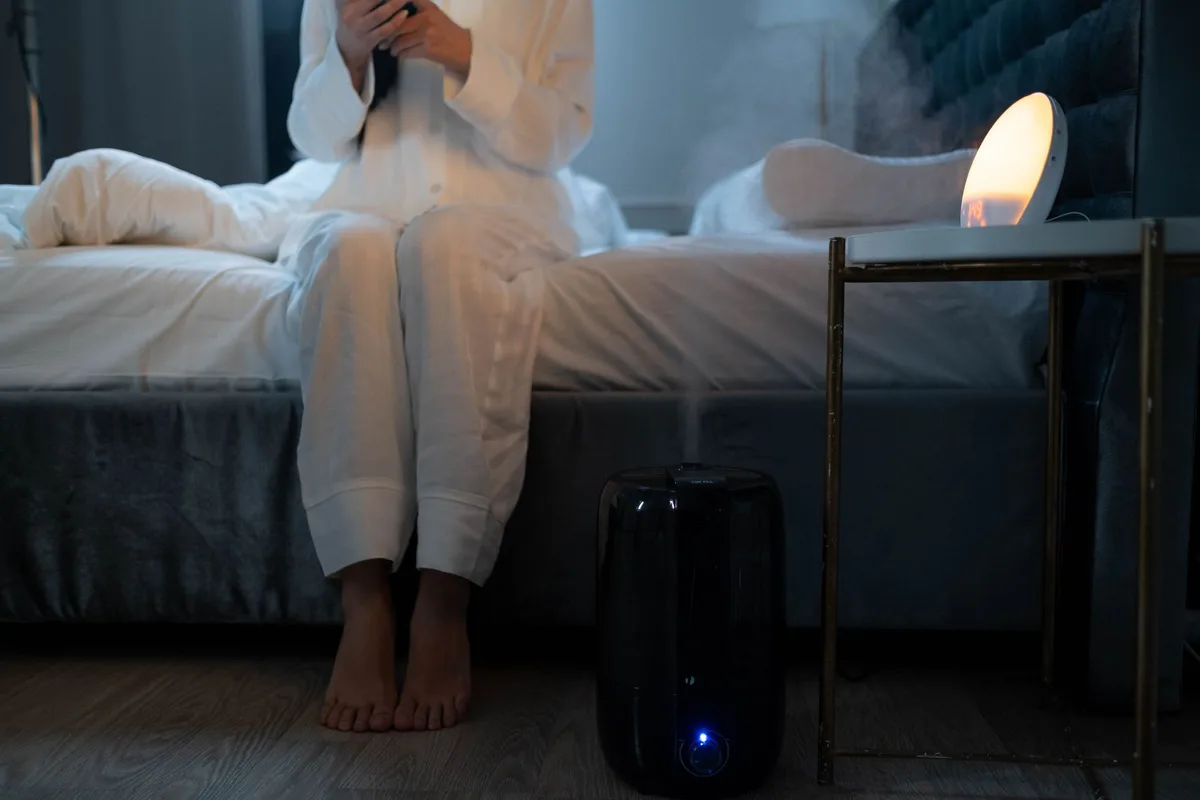
Learning how to wash humidifier units correctly keeps the air in your bedroom clean and safe. A neglected tank becomes a breeding ground for bacteria and mold within 48 hours. That biofilm then aerosolizes into the mist you breathe all night.
The fix is a simple routine that takes less than five minutes a day.
Per CDC guidance, standing water between 77 and 113 degrees Fahrenheit encourages Legionella growth. Manufacturer specifications indicate weekly disinfection with an EPA-registered product reduces microbial load by 99.9 percent. Let’s walk through the exact steps for each humidifier type.
Quick Answer
Empty the tank daily. Rinse with clean water. Dry completely.
Once a week descale with vinegar or citric acid. Disinfect with an EPA-registered solution for ten minutes. Rinse three times.
Air dry fully before reassembly. Follow the specific method for your humidifier type.
Why Proper Humidifier Cleaning Protects Your Lungs
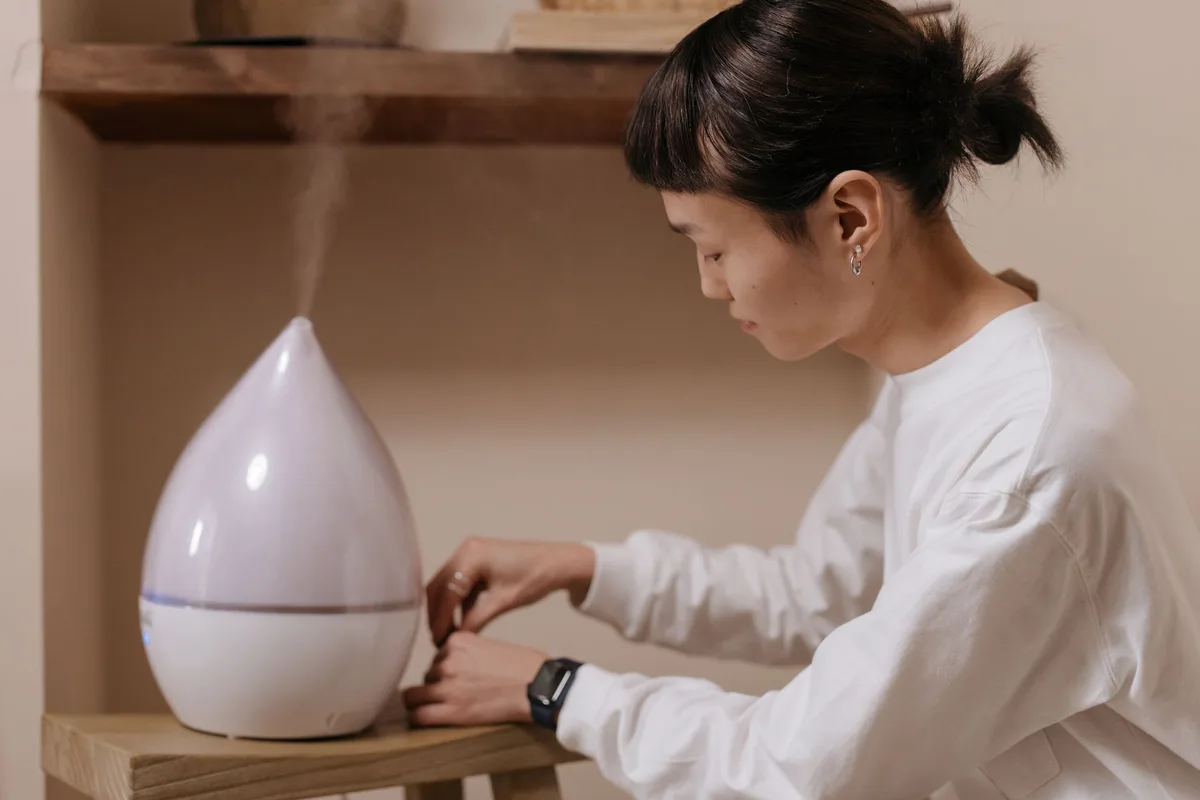
A dirty humidifier does more than smell musty. It disperses viable microbes directly into your breathing zone. Ultrasonic models create fine droplets that carry bacteria deep into the lower airways.
Evaporative units trap moisture in wicks where biofilms mature undisturbed. Steam vaporizers concentrate minerals that damage heating elements and reduce output.
Humidifier fever is a real clinical syndrome. Symptoms include fever chills cough and shortness of breath four to eight hours after exposure. Hypersensitivity pneumonitis can develop with repeated inhalation of contaminated mist.
Children elderly individuals and anyone with asthma face higher risk. The EPA recommends cleaning portable humidifiers every third day at minimum. Daily emptying and drying is the single most effective prevention step.
Humidifier Types and the Parts That Need Attention
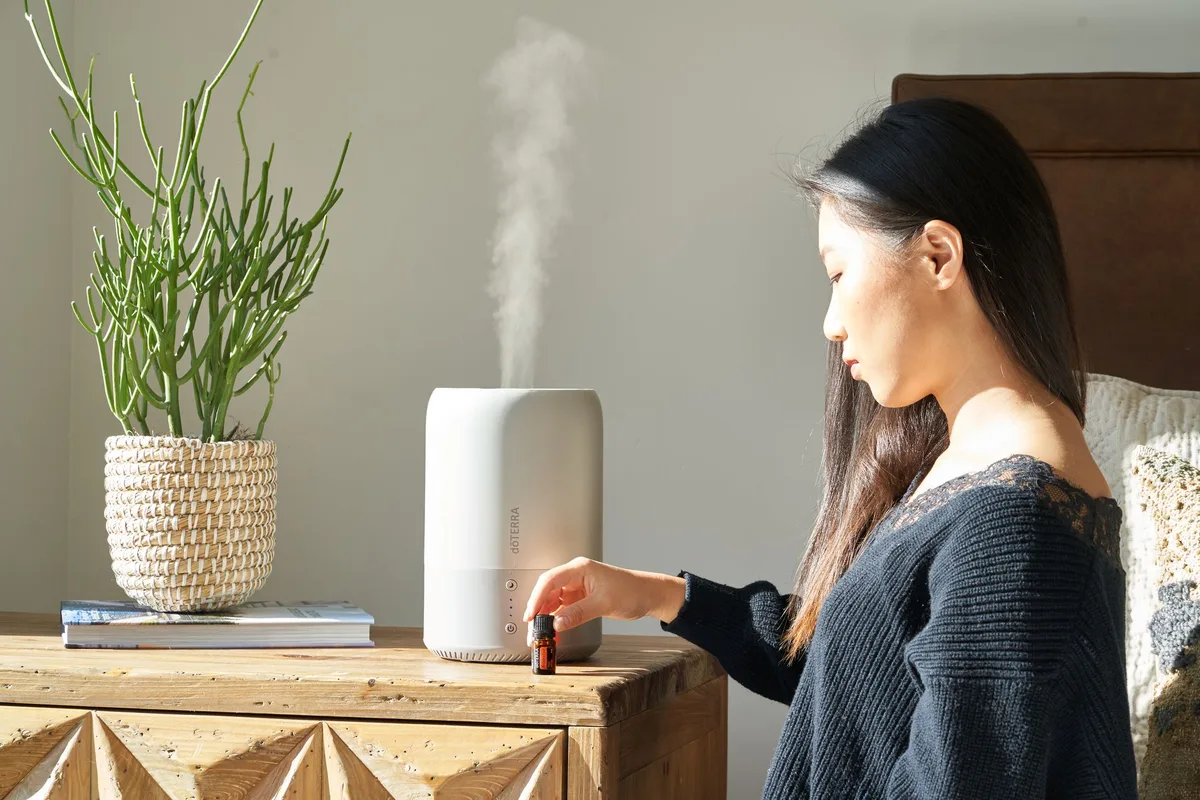
Each humidifier design concentrates contamination in different components. Knowing your type determines the cleaning priority.
Ultrasonic humidifiers use a metal nebulizer disc that vibrates at high frequency. The disc surface and the water tank interior collect mineral scale and biofilm. The mist nozzle or spout also traps residue.
Never submerge the base electronics.
Evaporative humidifiers pull air through a saturated wick filter. The wick itself holds the highest microbial load. The water reservoir and the fan housing interior also need attention.
Wick filters are consumable and must be replaced not just cleaned.
Steam vaporizers boil water in a heating chamber. Mineral deposits coat the heating element and the chamber walls. The steam outlet and any condensing cup accumulate scale.
No wick or disc exists but the heating element is fragile.
Impeller humidifiers use a rotating disc to fling water at a diffuser. The diffuser screen and the tank interior collect slime. These are less common but still require weekly disinfection.
| Humidifier Type | Primary Contamination Site | Consumable Part | Cleaning Frequency |
|---|---|---|---|
| Ultrasonic | Nebulizer disc tank nozzle | Demineralization cartridge | Daily rinse weekly deep clean |
| Evaporative | Wick filter reservoir | Wick filter | Daily rinse weekly deep clean filter swap 30 to 60 days |
| Steam Vaporizer | Heating element chamber | None | Weekly descale monthly deep clean |
| Impeller | Diffuser screen tank | None | Daily rinse weekly deep clean |
What Grows Inside a Dirty Humidifier: Health Risks You Can’t See
Pink slime in tank corners is usually Serratia marcescens. This bacterium thrives in damp phosphate-rich environments. It forms a visible biofilm but the invisible load is far larger.
Pseudomonas aeruginosa and Mycobacterium species also colonize humidifier reservoirs. These pathogens resist simple rinsing.
White dust on furniture signals mineral aerosolization. Ultrasonic units fed with hard water eject calcium and magnesium particles into the air. These particles measure in the PM2.5 range and penetrate deep into lungs.
Studies link chronic exposure to respiratory irritation.
Legionella pneumophila grows in warm stagnant water. The CDC documents outbreaks linked to poorly maintained humidifiers in healthcare settings. Home units pose lower risk but the same biology applies.
Water temperature between 77 and 113 degrees Fahrenheit with nutrients creates ideal conditions.
Mold spores from Aspergillus and Penicillium species enter the tank from ambient air. They germinate on wet surfaces within 24 hours. Spores then aerosolize during operation.
Allergic individuals react to concentrations as low as 100 spores per cubic meter.
Daily Rinse Routine: The 30-Second Habit That Prevents Biofilm
Morning routine takes less than one minute. Unplug the unit. Remove the tank.
Dump any remaining water. Rinse the tank interior with clean tap water. Swirl vigorously to dislodge loose biofilm.
Shake out excess droplets. Wipe the tank opening and cap with a clean paper towel. Invert the tank on a dish rack to air dry completely.
Do not leave water sitting in the base. Empty the base reservoir if your model has one. Wipe the base interior with a dry cloth.
Leave the base open to air dry. Reassemble only when every surface is bone dry. Damp reassembly restarts the colonization clock immediately.
If you use the humidifier again that night refill with fresh distilled or demineralized water. Tap water introduces new minerals and microbes daily. Distilled water costs pennies per gallon and eliminates white dust risk.
A gallon lasts two to three nights in a typical bedroom unit.
Weekly Deep Clean: Descale, Disinfect, Dry — By Humidifier Type
Weekly deep cleaning has three phases. Descale to remove mineral buildup. Disinfect to kill microbes.
Dry fully to prevent regrowth. The exact method varies by humidifier type. Follow the branch that matches your unit.
Ultrasonic: Nebulizer Disc Safety and Acid Limits
The nebulizer disc is the heart of an ultrasonic humidifier. Acid soaks longer than five minutes etch the metal surface. Etched discs produce less mist and eventually fail.
Use white vinegar at full strength or a 1:1 water mix. Submerge only the disc area for five minutes maximum. A soft toothbrush removes loosened scale.
Never use CLR or harsh descalers.
Tank and nozzle soak in vinegar for 20 minutes. Scrub interior corners with a bottle brush. Rinse all parts until vinegar smell disappears.
Disinfect with an EPA-registered product. Submerge tank and nozzle for the full label dwell time usually ten minutes. Triple rinse with clean water.
Air dry inverted for at least two hours.
Evaporative: Wick Filter Handling and Rotation
Remove the wick filter before any liquid treatment. Acid destroys the paper or cellulose structure. Rinse the filter under cool running water only.
Rotate the filter front to back each time you refill. This extends life by evening wear. Replace the filter every 30 to 60 days depending on water hardness and run time.
Soak the empty tank and base in vinegar for 20 minutes. Scrub all surfaces. Rinse thoroughly.
Disinfect tank and base with EPA-registered solution for ten minutes. Do not soak the filter in disinfectant. Triple rinse all plastic parts.
Air dry completely. Install a fresh or rotated filter only when everything is dry.
Steam Vaporizer: Heating Element Descaling Protocol
Steam units need descaling not disinfection as the primary step. Boiling kills most microbes but minerals insulate the heating element. Mix 30 grams of citric acid per liter of warm water.
Fill the heating chamber. Let soak for 30 minutes. Do not power on during soak.
Dump solution. Scrub element gently with a soft cloth. Rinse chamber three times.
Wipe the exterior and steam outlet with a vinegar-dampened cloth. Rinse wipe. No disinfectant soak needed for the chamber.
The steam outlet and any condensing cup can soak in vinegar for 10 minutes. Rinse well. Dry all parts before reassembly.
Run one cycle with plain water before bedtime use to flush any trace residue.
Water Choice Matters: Distilled, Tap, and Demineralization Cartridges
Distilled water is the gold standard for any humidifier. It contains virtually zero dissolved minerals. That means no white dust on furniture and no scale on the nebulizer disc or heating element.
A gallon costs under one dollar at most grocery stores. One gallon runs a typical bedroom unit for two to three nights.
Tap water varies wildly. Hard water above 120 ppm calcium carbonate guarantees white dust with ultrasonic models. It also accelerates scale buildup on steam heating elements.
Softened water replaces calcium with sodium which still aerosolizes as fine particles. If you must use tap water, an evaporative humidifier is the safest choice because the wick traps most minerals.
Demineralization cartridges reduce but do not eliminate minerals. They use ion-exchange resin that exhausts after 30 to 60 fills. Manufacturer specs confirm cartridges cut white dust by roughly 80 percent.
They do not remove bacteria or dissolved gases. Replace cartridges on schedule or they become bacterial incubators.
Reverse osmosis water sits between distilled and tap. Home RO systems typically leave 10 to 50 ppm total dissolved solids. That is low enough for most ultrasonic units but not zero.
Check your membrane rejection rate annually. A failing membrane passes more minerals than you expect.
| Water Type | Mineral Content | White Dust Risk | Best For |
|---|---|---|---|
| Distilled | < 1 ppm | None | All types especially ultrasonic |
| RO Filtered | 10 to 50 ppm | Very Low | Ultrasonic evaporative steam |
| Tap Softened | High sodium | Low | Evaporative only |
| Tap Hard | > 120 ppm | High | Evaporative with frequent wick changes |
CPAP Humidifier Chambers: Medical-Grade Cleaning Standards
CPAP humidifier chambers demand stricter protocol than room units. You breathe that air directly into your lungs under positive pressure. Daily empty rinse and air dry is non-negotiable.
Use distilled water only. Tap water leaves mineral deposits that harbor bacteria inside the heated chamber.
Weekly soak in a 1:3 white vinegar to water solution for 20 minutes. That ratio is strong enough to descale but gentle on the plastic chamber. Rinse three times with distilled water.
Some manufacturers approve top-rack dishwasher sanitize cycles. Check your specific model manual first. ResMed and Philips Respironics both allow dishwasher cleaning for current chambers.
Replace the chamber every six to twelve months. Plastic micro-scratches from cleaning become biofilm anchors. Insurance typically covers replacement on a 90-day schedule.
Do not stretch it. A compromised chamber risks pneumonia in vulnerable users.
Never add essential oils or scent pads to a CPAP chamber. Oil residues coat the heating plate and the hose interior. They also degrade silicone seals.
The FDA has not evaluated any additive for inhalation under CPAP pressure. Stick to plain distilled water.
Common Cleaning Mistakes That Damage Units or Release Toxins
Bleach and vinegar mixed creates chlorine gas. That gas damages lungs and corrodes humidifier plastics. Never combine them.
Choose one disinfectant path per cleaning session. Rinse fully before switching.
Undiluted bleach soaks longer than ten minutes degrade seals and crack tank walls. Use one teaspoon of 8.25 percent bleach per gallon of water. That yields 200 ppm.
Ten minutes dwell time. Triple rinse. Smell should be gone before reassembly.
Essential oils in the tank dissolve plastic and clog ultrasonic discs. They also create volatile organic compounds when aerosolized. The EPA warns against inhaling oil droplets deep into alveoli.
Use a separate diffuser if you want scent.
Boiling water poured into a cold plastic tank causes thermal shock cracks. Hairline fractures leak onto electronics. Use warm tap water for rinsing not boiling.
Let the tank reach room temperature before filling.
Scrubbing the nebulizer disc with abrasive pads or steel wool ruins the protective coating. A soft toothbrush only. Pressure damages the piezoelectric crystal.
Manufacturer warranties void if disc shows mechanical scrubbing marks.
Reassembling while damp restarts mold growth in hours. Every surface must be bone dry. Two hours minimum inverted drying at 70 degrees Fahrenheit and 40 percent relative humidity.
Overnight is better.
When to Replace Filters, Tanks, or the Entire Unit
Wick filters last 30 to 60 days in hard water areas. In soft water they may reach 90 days. Visual cues: yellowing edges stiff texture musty odor even after rinsing.
Replace immediately if mold spots appear. Do not attempt to bleach a wick filter.
Demineralization cartridges expire by fill count not calendar. Most rate 30 to 40 gallons. Track refills or set a phone reminder.
An exhausted cartridge releases captured minerals back into the tank.
Tank plastic clouds or cracks after two to three years of daily cycles. Stress cracks near the cap threads leak. Cloudiness means microscopic crazing that traps biofilm.
Replace the tank not the whole unit if the base works.
Ultrasonic nebulizer discs lose output after 12 to 18 months of daily use. Mist volume drops 30 percent or more. The disc itself is rarely user-replaceable.
At that point a new unit costs less than a repair shop visit.
Steam heating elements last five plus years with monthly descaling. Scale buildup that resists citric acid means the element coating has failed. Unit replacement is the only fix.
End-of-Season Storage: Preventing Next Season’s Mold Bloom
Empty every drop of water. Shake the tank and base vigorously. Wipe all interior surfaces with a clean microfiber cloth.
Leave all parts disassembled in a dry ventilated space for 24 hours minimum. Residual moisture in crevices is enough to seed mold.
Do not store the wick filter inside the humidifier. Remove it. Rinse well.
Air dry completely. Store in a sealed zip bag in a cool dark place. A damp wick in a closed unit grows mold that spreads to the base plastic.
Run a final vinegar soak on tank and base before storage. Twenty minutes. Rinse triple.
Dry fully. This removes any mineral residue that would attract moisture from ambient humidity.
Store the unit in its original box or a plastic tote with the lid slightly ajar. Sealed plastic bins trap humidity. A cardboard box breathes.
Add a silica gel packet if your storage area exceeds 60 percent relative humidity.
Label the box with the date and any parts due for replacement. Next season you will know the wick filter and demineralization cartridge need fresh starts. A Sharpie on the box saves a forgotten maintenance task.
Quick-Reference Cleaning Checklist by Humidifier Type
Print this table and tape it near your humidifier. It condenses every protocol into a scannable grid.
| Task | Ultrasonic | Evaporative | Steam Vaporizer | Impeller |
|---|---|---|---|---|
| Daily empty rinse dry | Yes | Yes | Yes | Yes |
| Weekly vinegar soak tank | 20 min | 20 min | 30 min citric acid | 20 min |
| Weekly vinegar soak disc/element | 5 min max | N/A filter only | 30 min heating element | 10 min diffuser |
| EPA disinfect dwell | 10 min | 10 min tank base | Not required | 10 min |
| Filter replacement | Cartridge 30 to 40 gal | Wick 30 to 60 days | None | None |
| Dry time before reassembly | 2 hrs min | 2 hrs min | 1 hr min | 2 hrs min |
| Storage prep | Full dry 24 hrs | Remove wick store dry | Full dry 24 hrs | Full dry 24 hrs |
Ultrasonic owners: never soak the nebulizer disc beyond five minutes. Evaporative owners: never acid-soak the wick. Steam owners: skip disinfectant, descale monthly.
Impeller owners: treat the diffuser screen like a nebulizer disc.
Frequently Asked Questions
Can I clean my humidifier with just vinegar?
Vinegar descales well but does not disinfect to EPA standards. Use vinegar for mineral removal then follow with an EPA-registered disinfectant for the full label dwell time.
How often should I replace the wick filter?
Every 30 to 60 days in hard water areas. Up to 90 days with softened or distilled water. Replace sooner if edges yellow or a musty odor persists after rinsing.
Is it safe to run a humidifier without cleaning for a week?
No. Biofilm forms within 48 hours. Legionella and mold spores aerosolize after three to four days of stagnant water.
Daily empty rinse dry is the minimum.
Can I put bleach in my humidifier tank?
Only diluted: one teaspoon 8.25 percent bleach per gallon water. Ten minute soak. Triple rinse until zero bleach smell.
Never mix with vinegar.
Why does my ultrasonic humidifier leave white dust?
Your water has high dissolved minerals. Switch to distilled water or install a demineralization cartridge. Evaporative units trap minerals in the wick instead.
How do I know if my nebulizer disc is worn out?
Mist output drops 30 percent or more. The disc surface shows pitting or clouding. Most discs last 12 to 18 months of daily use.


Similar Posts