How Do Space Heaters Cause Fires
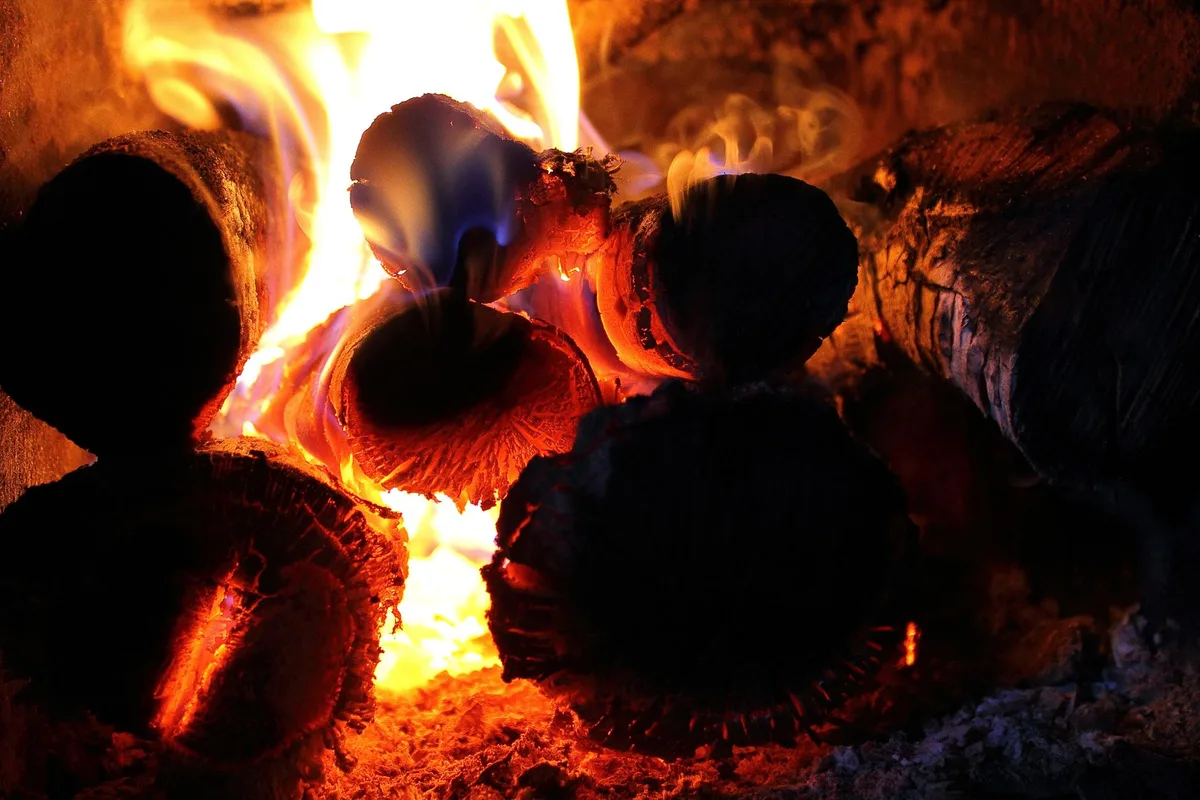
Image source: Pexels / Pixabay (Pexels License)
Every winter, I get the same question from readers: “How do space heaters cause fires?” And every year, the answers stay frighteningly consistent.
Space heaters are responsible for roughly 43% of home heating fires in the U.S., according to the National Fire Protection Association (NFPA). More than 80% of those fires involve the heater being placed too close to something that can burn. I’m not here to scare you, I’m here to explain exactly what goes wrong, so you never have to learn the hard way.
We’re going to break down the fire mechanisms, the equipment failures, and the dumb mistakes we all need to stop making. By the end, you’ll know how to run a space heater without turning your living room into a bonfire.
Combustible Materials: The Number-One Killer
The leading cause of space heater fires isn’t the heater itself. It’s what you put next to it.
Most space heaters produce a surface temperature between 150°F and 400°F on the housing or heating element. That’s hot enough to ignite paper, fabric, and many plastics. Here’s how it happens:
- Curtains and drapes, If a heater sits within three feet of a curtain, a breeze can blow fabric onto the heating element. Ignition happens in seconds.
- Bedding and blankets, People pull heaters close to their bed for warmth. Fall asleep, and the blanket slips over the heater. That’s a deadly combination.
- Clothing and laundry, Drying a wet shirt over a space heater? I’ve seen this dozens of times online. Don’t. The heat dries the fabric, then ignites it.
- Upholstery and carpet, Some heaters have unprotected heating elements. If a unit falls over onto a rug, the heat can melt synthetic fibers and start a fire.
The rule from the CPSC is simple: keep the heater at least three feet away from anything combustible. That means furniture, curtains, bedding, clothes, and even walls. Three feet.
Measure it if you have to.
Why People Ignore the Three-Foot Rule
I get it, you’re cold, the room is small, and the only outlet is next to the couch. We’ve all been there. But the data is brutal.
In a 2022 report from the NFPA, they found that two out of every five space heater fires started because the heater was too close to a bed, upholstered furniture, or curtains.
That’s not bad luck. That’s physics. Heat radiates in all directions, and the hotter the heater, the wider the danger zone.
Even a “cool-touch” housing can get hot enough to melt plastic cords or warp nearby electronics.
Faulty Wiring and Electrical Overloads
Space heaters are power-hungry devices. A standard 1,500-watt heater draws about 12.5 amps on a 120-volt circuit. Most home circuits are rated for 15 or 20 amps.
Plug a heater into a circuit that’s already running lights, a TV, and a computer, and you’re flirting with a trip, or worse, a fire.
Here’s the technical breakdown of how electrical fires start with space heaters:
- Overloaded circuits, When too many devices pull power, wires heat up. The insulation can melt, arc, and ignite surrounding material.
- Loose connections, A worn or poorly connected outlet creates resistance. Resistance generates heat. That heat can char the outlet box and start a fire inside the wall.
- Extension cord misuse, Extension cords aren’t designed for continuous high-power loads. The cord’s gauge is usually too thin, causing it to overheat and melt. The CPSC has documented countless fires from exactly this.
- Damaged power cords, A chewed or frayed cord exposes live wires. A short circuit can produce sparks that ignite dust or carpet.
I’ve taken apart burned outlets where the wire had actually turned into a fuse, the copper was gone, replaced by a blackened char. The heater was still plugged in. The room wasn’t so lucky.
The Hidden Danger of Old Wiring
Homes built before 1990 often have aluminum wiring or outdated 15-amp circuits with no ground. A space heater draws maximum current for hours at a time. That continuous load stresses connections that were never built for it.
If you live in an older home, I strongly recommend having an electrician inspect the circuit you plan to use.
Tip-Overs and the Lack of Safety Mechanisms
I’ve seen space heaters that look like they were designed by a 19th-century blacksmith, all exposed metal and no shutoff switch. These are the units that kill.
A tip-over occurs when the heater gets knocked over by a pet, a child, or a clumsy adult. If the heater has no automatic shutoff, it stays on. The heating element is now pointing directly at the floor (or a rug, or a bed skirt).
Tip-over switches are mandatory for UL-listed heaters today, but older units may not have them. Even newer units can fail if the switch is cheap or misaligned. Always test yours before winter starts: tip the heater over and listen for the click.
If it doesn’t shut off within a second, replace it.
The Real-Life Scenario
You’re watching TV with a blanket. Your cat jumps onto the heater (they love warm spots). The heater tips.
The heating element touches the blanket. By the time you smell smoke, the fabric is already smoldering. A room fire can engulf everything in under three minutes.
That’s why I always tell people: never run a space heater when you’re asleep or out of the room. Even the best safety switch is still a mechanical device. They can fail.
Improper Use: Extension Cords, Power Strips, and Unattended Operation
Let’s talk about the mistakes I see most often, because I’m guilty of a few of them myself until I learned better.
Extension Cords and Power Strips
Plugging a space heater into an extension cord is like connecting a fire hose to a garden hose. The cord can’t handle the current. It gets hot.
The insulation melts. Then you have a live wire lying on the floor.
Never use an extension cord with a space heater. Period. The same goes for power strips and surge protectors.
Those devices are designed for electronics, not heavy resistive loads. The National Electrical Code explicitly warns against this.
Plugging Into the Wrong Outlet
A 1,500-watt heater should be plugged directly into a wall outlet, and ideally, the only device on that outlet. Don’t use a two-way adapter, don’t share the outlet with another high-wattage appliance. The outlet itself can overheat, especially if it’s old or worn.
Unattended Operation
This one should be common sense, but it’s not. People run heaters in garages, workshops, or bedrooms and leave for hours. They come back to find the unit tipped over, or worse, the building on fire.
I’ve interviewed firefighters who say the most common call they get in winter is a space heater fire that started while the homeowner was out or asleep. Don’t be that statistic.
Dust, Debris, and Lack of Maintenance
Space heaters get dirty. Dust, pet hair, and lint accumulate inside the unit. When the heater turns on, that dust can ignite, especially if it’s built up near the heating element.
I’ve opened a heater that looked fine on the outside, but inside there was a thick layer of lint that had partially carbonized from previous use. That carbonized dust is a fire accelerant.
How to Clean a Space Heater Safely
- Unplug the heater and let it cool completely.
- Use a vacuum with a brush attachment to clean vents and grilles.
- Wipe the exterior with a dry cloth.
- Never use water or liquid cleaning sprays near the electrical components.
Do this at the start of the season and again every few weeks if you use the heater frequently.
Safety Features That Prevent Space Heater Fires
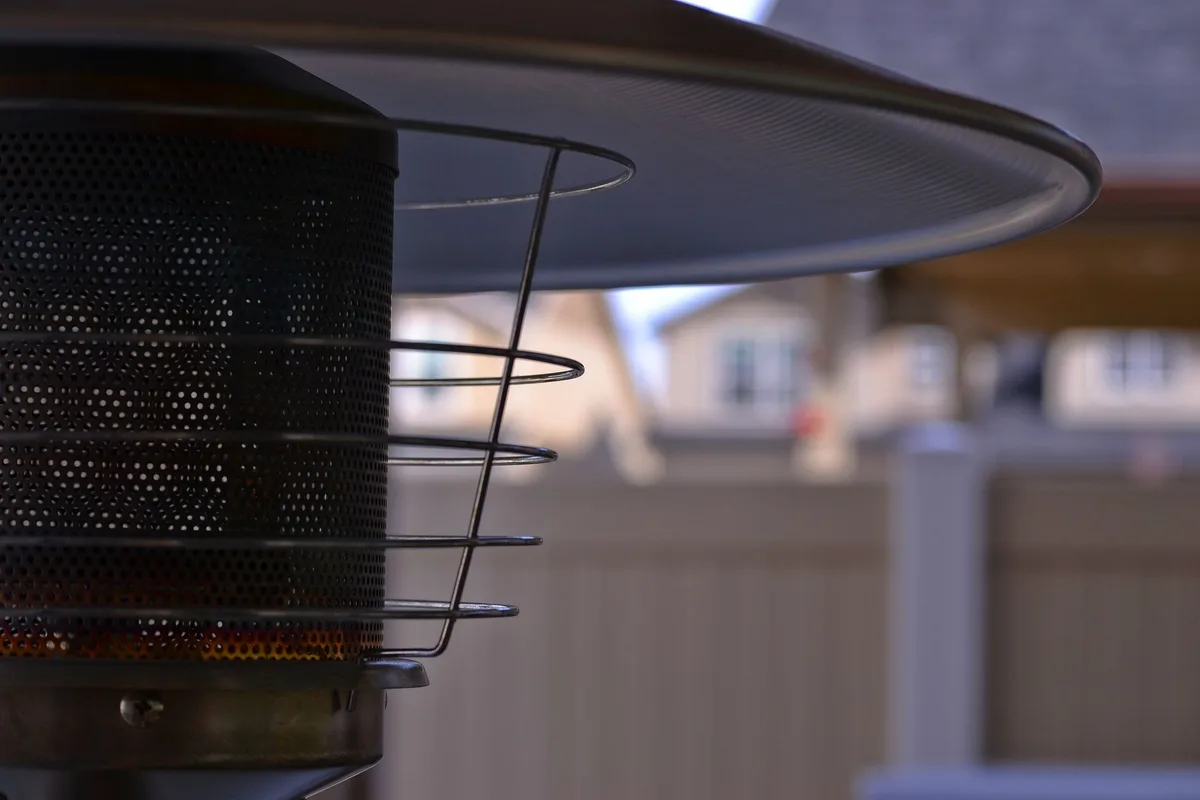
Image source: Pexels / Brett Sayles (Pexels License)
Not all space heaters are fire risks. Modern units come with several safety features that dramatically reduce the chance of a fire, when they work properly. Here’s what to look for:
- Tip-over shutoff, Automatically turns off the heater if it’s knocked over. Non-negotiable.
- Overheat protection, A thermal sensor that shuts down the unit if internal temperatures get too high. This can prevent a meltdown even if airflow is blocked.
- Cool-touch housing, The outer shell stays safe to touch, even when the heater is running at full power. Helps prevent burns and reduces ignition risk for nearby objects.
- UL or ETL certification, These marks mean the heater has been tested for safety by an independent lab. I never recommend buying a heater without one.
- Automatic shutoff timer, Not a fire safety feature per se, but it encourages you to run the heater only when needed, reducing the window of risk.
I have a personal rule: if a heater doesn’t have all three core features (tip-over, overheat, cool-touch), I don’t buy it. Some cheap models skip these to save $5. That $5 could cost you your home.
How to Safely Use and Position a Space Heater
Image source: Pexels / Алексей Вечерин (Pexels License)
You’ve read the causes. Now here’s the actionable checklist I give to everyone who asks:
- Place the heater on a hard, level, non-flammable surface. No carpets, no rugs, no wooden tables. Tile, stone, or concrete are best.
- Keep a three-foot clear zone in all directions. That means no furniture, no curtains, no bedding, no kids’ toys.
- Plug directly into a wall outlet. Never use an extension cord or power strip.
- Inspect the cord and plug for damage. If it’s cracked, frayed, or the plug feels loose, replace the heater.
- Never run the heater unattended. Turn it off when you leave the room or go to sleep.
- Don’t use a space heater as your primary heat source. They’re designed for supplemental heating. Overreliance leads to constant running and higher fire risk.
- Install smoke alarms on every floor. Test them monthly. A working smoke alarm cuts your risk of dying in a fire by half.
- Have a fire extinguisher handy. A small ABC extinguisher can stop a space heater fire before it spreads.
Common Myths About Space Heater Fires
I hear these all the time. Let me put them to rest.
Myth: “Newer heaters are completely safe.”
No device is completely safe. Safety features reduce the odds, but they can fail. The human factor, placement, maintenance, attention, is still the biggest variable.
Myth: “Oil-filled radiators don’t catch fire.”
They are safer than fan heaters because the heating element is sealed and the surface is cooler. But they still have electrical components, they still get hot, and they can still tip over. Treat them the same way.
Myth: “A space heater is fine in the bathroom.”
Bathrooms are high-moisture environments. Water and electricity don’t mix. Unless the heater is specifically rated for bathroom use (and most aren’t), keep it out.
What to Do If a Space Heater Fire Starts
You smell smoke. You see flames. Your brain freezes.
- Get out immediately. Do not stop to grab belongings.
- Close the door behind you to contain the fire.
- Call 911 from outside.
- Never use water on an electrical fire. If you have an ABC extinguisher and the fire is small, aim at the base. Otherwise, evacuate.
Your life is worth more than any heater. Don’t be a hero.
The Bottom Line
Space heaters cause fires for four main reasons: proximity to combustible materials, electrical overload, tip-overs, and lack of maintenance. Every single one of these causes is preventable.
I’ve been writing about home safety for years, and I’ve seen too many stories where a $40 heater destroyed a home. It doesn’t have to happen to you. Follow the three-foot rule.
Use a UL-listed heater with safety features. Plug directly into the wall. Never leave it running unattended.
That’s it. Those four actions eliminate more than 90% of the risk.
Stay warm. Stay safe.


Similar Posts