How Do You Dehumidify a Basement
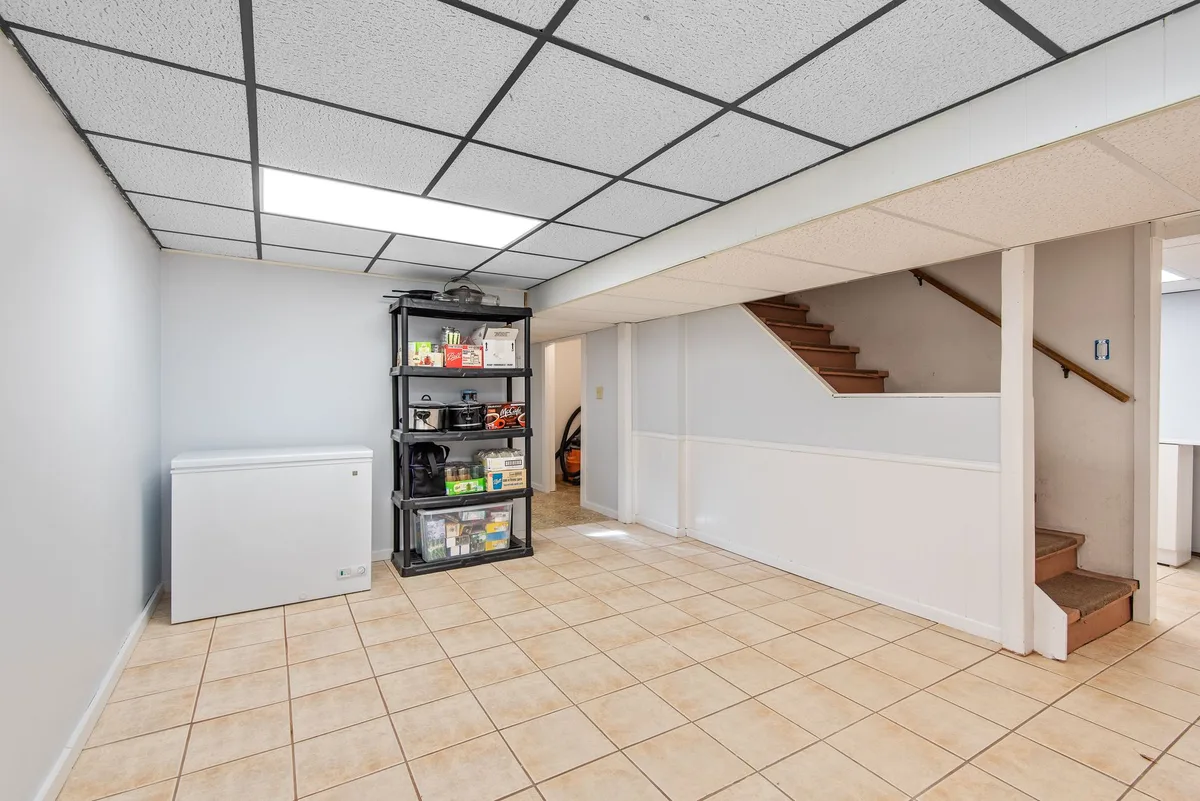
A damp basement smells musty, feels cold, and can ruin anything you store down there. I’ve seen mold eat through drywall, warp floor joists, and turn a finished rec room into a health hazard. The fix isn’t magic, it’s a solid dehumidification plan.
Below is the step‑by‑step system I use on every job.
Why Basement Moisture Matters
Water vapor migrates through concrete, seeps in from grading errors, and condenses on cool surfaces. Relative humidity above 60 % fuels mold, dust mites, and wood rot. The EPA warns that indoor humidity over 60 % can trigger asthma and allergies [EPA Indoor Air Quality].
Keeping the space at 30‑50 % protects structure, belongings, and health.
Assessing Your Basement’s Humidity
Grab a reliable hygrometer. Place it at breathing height, away from vents and direct sunlight. Log readings for 48 hours.
If the average sits above 55 %, you need active dehumidification. Note temperature swings, cold walls pull moisture from warm air, so a cold basement often reads higher than a heated one.
Choosing the Right Dehumidifier Size
Capacity is rated in pints per day at 80 °F/60 % RH. Undersized units run constantly, waste electricity, and never hit target. Oversized units short‑cycle, leaving pockets of damp air.

Rule of thumb
- 500 sq ft, moderate dampness → 22‑30 pint unit.
- 1,000 sq ft, high dampness → 35‑50 pint unit.
- 1,500 sq ft, very wet → 50‑70 pint unit or two smaller units.
Check the Energy Star label for real‑world performance. A 50‑pint Energy Star model often pulls 35 pints in a 65 °F basement. That’s the number you design around.
Setting Up Continuous Drainage
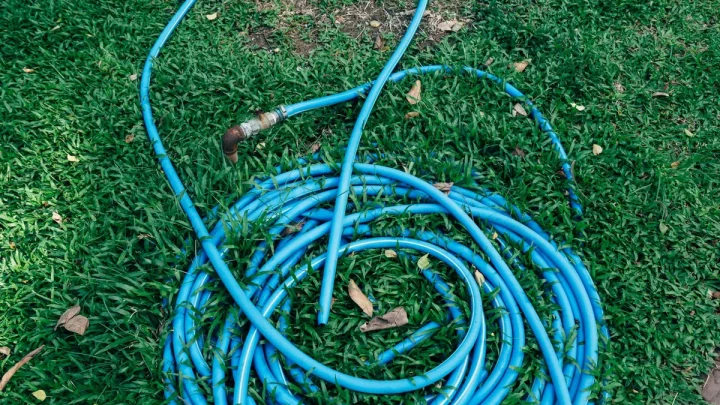
Emptying a bucket every few hours gets old fast. Most modern units accept a garden‑hose connection that gravity‑feeds to a floor drain or sump pit.
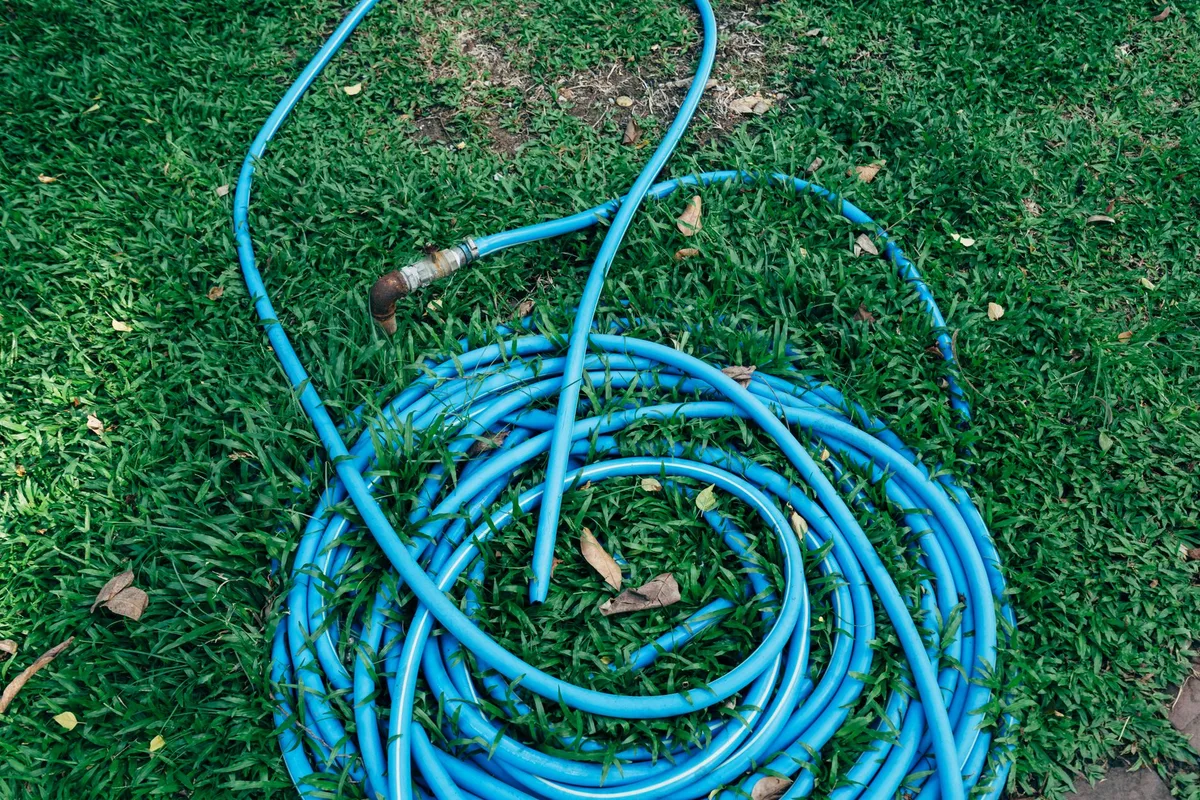
Installation steps
- Locate a floor drain or install a condensate pump if the drain sits above the unit.
- Attach ½‑in. ID vinyl hose to the unit’s drain port.
- Run hose downhill, avoid kinks, secure with zip ties.
- Test: run the unit, verify steady flow, no leaks.
A condensate pump adds $40‑$70 but lets you drain to a utility sink or outside. Size the pump for the unit’s maximum output (usually 1‑2 gpm).
Placement and Airflow Tips
- Center the unit in the largest open area.
- Keep at least 12 in. clearance on all sides.
- Point the discharge grille toward the center of the room, not at a wall.
- Run a low‑speed box fan on the opposite side to push dry air across the space.
- Close exterior vents during humid months; open them when outside dew point drops below indoor dew point.
Maintenance and Filter Care
A clogged filter cuts airflow 30‑40 %. Clean the washable filter every two weeks during heavy use. Vacuum the coil fins annually with a soft brush.
Check the drain hose for algae, flush with a 1:10 bleach solution if you see slime. Replace the filter per manufacturer schedule (usually 6‑12 months).
Supplemental Strategies
Dehumidifiers handle the symptom; source control stops the cause.
Seal the envelope
- Apply silane‑siloxane sealer to concrete walls and floor.
- Caulk rim joist penetrations, pipe chases, and window wells.
- Install a vapor barrier (6‑mil polyethylene) under any new slab or on dirt floors.
Improve grading and drainage
- Slope soil ½ in. per foot away from foundation for the first 6 ft.
- Extend downspouts 5‑10 ft from the house.
- Add a French drain or exterior waterproofing membrane if water pools at the footing.
Ventilation
- Install an ERV or HRV if you finish the basement.
- Run a dedicated bath fan on a timer (15 min/hour) to pull stale air out.
- Use a dehumidifier with a built‑in humidistat set to 45 %, it cycles only when needed.
Common Mistakes to Avoid
- Buying by price alone, Cheap units lack defrost cycles and freeze up below 65 °F.
- Ignoring temperature, A 30‑pint unit at 55 °F delivers ~15 pints. Size for the coldest expected temperature.
- Running without a drain, Bucket overflow shuts the unit off; you lose hours of drying.
- Blocking airflow, Stacking boxes against the intake starves the compressor.
- Setting humidistat too low, 30 % dries wood, cracks trim, and spikes electricity. 45 % is the sweet spot.
FAQ
How long until the basement feels dry?
Most spaces drop 10‑15 % RH in the first 24 hours if the unit is sized right. Full stabilization takes 3‑5 days.
Can I use a portable air conditioner instead?
ACs dehumidify only while cooling. In a cool basement they short‑cycle and pull far less moisture than a dedicated dehumidifier.
Do I need a dehumidifier in winter?
If you heat the basement, indoor humidity can still climb from showers, cooking, and respiration. Run the unit whenever RH exceeds 50 %.
What about a whole‑house dehumidifier?
Great for finished basements tied to HVAC. Install in the return duct, set to 45 %, and let the furnace blower distribute dry air.
Is a desiccant wheel better?
Desiccants work well below 50 °F but cost 2‑3× more to run. For most residential basements a refrigerant unit with a defrost cycle is cheaper and simpler.
Bottom Line
Measure, size, drain, place, maintain. Add source‑control sealing and smart ventilation. Follow that loop and your basement stays dry, healthy, and usable year‑round.


Similar Posts