How Do You Sanitize a Humidifier
How do you sanitize a humidifier without damaging the unit or leaving harmful residue? The answer changes completely depending on whether you own an ultrasonic, evaporative, steam, or whole-house model. Manufacturer specifications indicate that using vinegar on a steam-unit electrode voids the warranty and corrodes the heating element.
Per EPA guidance, only registered disinfectants can claim 99.9 percent kill rates for bacteria and viruses. This guide walks you through the decision tree so you match the right chemistry and workflow to your specific hardware.
ASHARE Standard 55 sets the indoor humidity target at 30 to 50 percent relative humidity for health and comfort. Ultrasonic units running on hard water above 7 grains per gallon will coat surfaces with white mineral dust within days. Let’s start by identifying your unit type and then branch into the exact steps each design requires.
Why Sanitizing Your Humidifier Matters More Than You Think
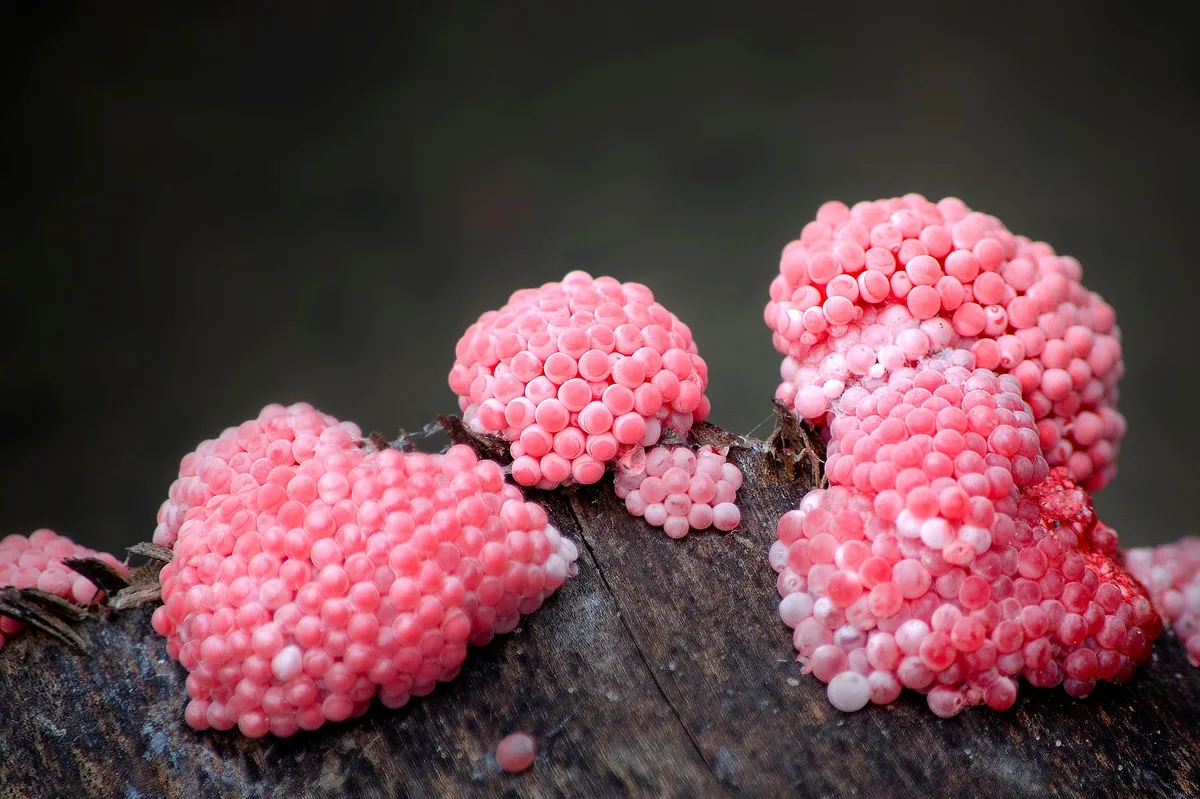
A neglected tank becomes a biofilm reactor. Pink slime, Serratia marcescens, colonizes corners and transducer surfaces within 48 hours of standing water. Legionella can amplify in warm mist reservoirs held between 77 and 108 degrees Fahrenheit.
Humidifier fever, a hypersensitivity pneumonitis, sends dozens of users to clinics each winter when contaminated mist is inhaled. Daily rinsing removes loose particles but does not dissolve mineral scale or kill established colonies. Weekly deep cleaning with the correct agent breaks the cycle before aerosolized pathogens reach your lungs.
Quick Answer: The Method Depends Entirely on Your Humidifier Type
Ultrasonic and evaporative portables need a vinegar descale followed by a bleach or peroxide disinfect. Steam units require manufacturer-approved descaler only, never vinegar or bleach on electrodes. Whole-house systems need pad replacement, tray scrubbing, and drain-line flushing.
Match the workflow to your hardware or you risk damage and incomplete sanitation.
Descaling vs Disinfecting: Two Different Jobs, Two Different Chemicals
Descaling dissolves calcium carbonate and magnesium deposits. White distilled vinegar at a 1:1 ratio with water works for 30 minutes on plastic tanks and ultrasonic transducers. Disinfecting kills bacteria, mold, and viruses.
Unscented chlorine bleach at one teaspoon per gallon of water achieves EPA disinfection in 10 minutes. Three percent hydrogen peroxide works as a milder alternative with the same contact time. Never mix vinegar and bleach, the reaction releases chlorine gas.
Rinse three times after each chemical step until no odor remains.
| Step | Agent | Ratio | Contact Time | Purpose |
|---|---|---|---|---|
| Descale | White vinegar | 1:1 with water | 30 minutes | Dissolve mineral scale |
| Disinfect | Chlorine bleach | 1 tsp / gallon water | 10 minutes | Kill bacteria and viruses |
| Disinfect (alt) | Hydrogen peroxide 3% | Full strength | 10 minutes | Kill bacteria, no chlorine odor |
Identify Your Unit: Ultrasonic, Evaporative, Steam, or Whole-House
Look at the mist output and internal parts. Ultrasonic units have a metal diaphragm (transducer) that vibrates at high frequency, mist is cool and visible. Evaporative models use a wick filter and fan, mist is invisible vapor.
Warm mist and steam units boil water, mist is hot and visible. Whole-house systems mount on the HVAC supply plenum with a water panel or steam canister. Check the model label on the base or chassis.
The owner’s manual lists the type in the specifications section.
Branch 1: Ultrasonic Humidifiers — Transducer Care, White Dust, and Daily Rinse
Unplug the unit. Remove the tank and cap. Empty all water.
Fill the tank with 1:1 vinegar solution. Let sit 30 minutes. While the tank soaks, pour vinegar into the base until the transducer is covered.
Wait 30 minutes. Scrub the transducer gently with a soft brush, never use metal tools. Dump the base.
Rinse tank and base three times with clean water. Disinfect: fill tank with bleach solution (1 tsp/gal). Swirl to coat all surfaces.
Pour bleach solution into base. Wait 10 minutes. Triple rinse everything.
Wipe dry with a microfiber cloth. Refill with distilled water if your tap water exceeds 7 gpg hardness. Run the unit for 10 minutes to flush residual odor.
Daily: empty, rinse, wipe dry, refill. Weekly: full descale and disinfect cycle. Replace the demineralization cartridge every 30 to 60 days if equipped.
Branch 2: Evaporative (Wick) Humidifiers — Filter Rotation, No Chemicals on Media
Unplug the unit. Remove the tank and set aside. Lift out the wick filter.
Rinse the filter under cool running water only. Do not use vinegar, bleach, or soap, chemicals degrade the antimicrobial coating and leave residue that off‑gasses into the air. Rotate the filter end‑to‑end each week to even out wear.
Replace the filter every 30 to 60 days or when mineral crust resists rinsing. Clean the tank and base with the standard vinegar descale and bleach disinfect steps described earlier. Scrub the fan blades and air intake vents with a soft brush.
Reassemble and refill with fresh water. Daily: empty tank, rinse, wipe dry. Weekly: full tank and base clean plus filter rinse and rotation.
Branch 3: Warm Mist & Steam Units — Electrode Safety, Manufacturer‑Only Descalers
Steam humidifiers boil water using submerged electrodes or a heating element. Vinegar and bleach attack the metal surfaces and void the warranty. Use only the descaling powder or liquid specified in the manual, typically a citric‑acid or sulfamic‑acid formula.
Mix the descaler with water in the fill cup. Pour into the heating chamber. Let sit for the time stated in the instructions, usually 20 to 30 minutes.
Drain through the unit’s drain valve or tip the unit over a sink. Rinse the chamber three times with clean water. Do not disinfect the boiling chamber with bleach; the heat during operation provides sanitization.
Wipe the exterior and mist nozzle with a damp cloth. Daily: empty and rinse the water reservoir. Weekly: run the manufacturer’s descaling cycle.
End of season: complete descale, full dry, store with chamber open.
Branch 4: Whole‑House Systems — In‑Duct Access, Pad Replacement, Drain Line Flush
Turn off power to the furnace and humidifier. Shut the water supply valve. Remove the cover panel.
Slide out the evaporative pad (water panel). Discard the old pad, do not attempt to clean it. Scrub the distribution tray and scale control insert with a plastic brush and vinegar solution.
Flush the drain line with a cup of vinegar followed by hot water to clear algae and mineral sludge. Inspect the solenoid valve and float assembly for leaks. Install a new pad matching the model number (for example Aprilaire 10, 35, 400, or 800 series).
Reassemble, restore water and power, and run a test cycle. Check the humidistat setting, target 35 to 45 percent RH in winter. Annual pad replacement is mandatory.
Schedule professional service if the solenoid fails or the drain line backs up repeatedly.
Frequency Workflow: Daily Rinse, Weekly Deep Clean, End‑of‑Season Shutdown
Daily takes two minutes. Empty the tank. Rinse with cold water.
Wipe the tank interior and base with a clean cloth. Refill with fresh water, distilled if your tap is hard. Weekly deep clean follows the branch‑specific steps above.
Set a calendar reminder for the same day each week. End‑of‑season shutdown: run the weekly deep clean one final time. Dry every component completely, leave the tank cap off, wick discarded, base open to air.
Store the unit in a dry closet. Do not store with water inside. Before next season: inspect for cracks, replace the wick or pad, flush the whole‑house drain line, and verify humidistat calibration with a standalone hygrometer.
Water Decisions: When Distilled Is Non‑Negotiable vs Tap + Descaling Schedule
Ultrasonic nebulizers turn dissolved minerals into fine white dust that settles on furniture and enters lungs. If your water hardness exceeds 7 grains per gallon (120 ppm), use distilled water, period. Evaporative wicks trap minerals in the filter, so tap water is acceptable with weekly filter rinses and 30‑day replacements.
Steam units boil water; minerals stay in the chamber as scale. Descale weekly with the manufacturer’s agent. Whole‑house systems connect to the supply line; a bypass humidifier with a scale‑control insert handles moderate hardness.
For very hard water (>15 gpg), install a point‑of‑use water softener or use a steam canister model that isolates minerals. Distilled water costs $1 to $2 per gallon and eliminates white dust entirely.
Chemical Selection: Vinegar Soak, Bleach Disinfect, Peroxide Option, Commercial Packets
White distilled vinegar (5 percent acetic acid) is the standard descaler for plastic tanks and ultrasonic transducers. Mix one part vinegar with one part water. Soak 30 minutes.
Unscented chlorine bleach (5.25 to 6 percent sodium hypochlorite) is the standard disinfectant. Use one teaspoon per gallon of cool water. Soak 10 minutes.
Rinse until no chlorine smell remains. Three percent hydrogen peroxide works as a fragrance‑free alternative. Pour full strength into the tank and base.
Soak 10 minutes. Rinse well. Commercial citric‑acid or sulfamic‑acid packets (such as Essick Air 1970 or manufacturer‑branded descalers) dissolve scale faster than vinegar and leave less odor.
Follow package dilution. Do not use essential oils, colloidal silver, or “antimicrobial” cartridges as substitutes for the descale‑disinfect cycle, EPA does not register them for humidifier sanitation.
| Agent | Role | Ratio | Contact Time | Best For |
|---|---|---|---|---|
| White vinegar | Descale | 1:1 water | 30 min | Ultrasonic, evaporative tanks |
| Chlorine bleach | Disinfect | 1 tsp / gal | 10 min | All plastic components |
| Hydrogen peroxide 3% | Disinfect | Full strength | 10 min | Sensitive users, no chlorine odor |
| Citric/sulfamic acid packets | Descale | Per package | 15–30 min | Heavy scale, steam chambers |
Mistakes That Damage Units or Leave Biofilm Behind
Running vinegar through a steam humidifier corrodes the electrodes and voids the warranty. Soaking a wick filter in bleach destroys the antimicrobial treatment and leaves chemical residue. Using a metal scrubber on the ultrasonic transducer pits the ceramic surface and kills mist output.
Skipping the triple rinse after bleach leaves chlorine gas that off‑gasses into the room. Storing the unit wet guarantees pink slime and mold bloom by next season. Topping off the tank daily without emptying the old water concentrates minerals and bacteria.
Adding essential oils to the tank gums up the transducer and voids most warranties. Putting the tank in the dishwasher warps plastic and melts seals.
Long‑Term Maintenance: Wick Life, Transducer Hours, Pad Seasons, Humidistat Checks
Evaporative wicks last 30 to 60 days or roughly 500 runtime hours. Replace when white crust resists rinsing or airflow drops. Ultrasonic transducers are rated for 5,000 to 10,000 hours with proper descaling.
Output drops gradually as mineral buildup dampens vibration. Whole‑house evaporative pads (Aprilaire 10, 35, 400, 800 series) require annual replacement before heating season. Steam canisters last one to two seasons depending on water hardness.
Check the humidistat calibration each fall with a standalone digital hygrometer, target 35 to 45 percent RH. Clean the humidistat sensor with a cotton swab and isopropyl alcohol if readings drift. Inspect the solenoid valve and drain line for leaks during the annual pad swap.
Safety Lines: No Mixing Chemicals, Ventilation, GFCI, Warranty Red Lines
Never mix vinegar and bleach, the reaction releases chlorine gas that irritates lungs and eyes. Work in a ventilated area when using bleach; open a window or run the bathroom fan. Wear gloves and eye protection.
Plug portable units into a GFCI outlet. Whole‑house systems must be on a dedicated circuit per NEC 422.13. Do not submerge the base of an ultrasonic unit, water in the electronics causes shock hazard and fire risk.
Using vinegar on steam electrodes, bleach on wicks, or essential oils in any tank voids the manufacturer warranty. Keep the unit on a level, waterproof surface at least 12 inches from walls and fabrics. Unplug before every cleaning step.
Frequently Asked Questions
Why does my humidifier get pink slime so fast?
Pink slime is Serratia marcescens, an airborne bacterium that thrives in standing water. It forms visible biofilm within 48 hours. Daily emptying and weekly disinfecting with bleach or peroxide breaks the cycle.
Can I use tap water in my ultrasonic humidifier?
Only if your water hardness is below 7 grains per gallon (120 ppm). Hard water creates white mineral dust and coats the transducer. Use distilled water or a demineralization cartridge otherwise.
Is it safe to add essential oils to the tank?
No. Oils coat the transducer, degrade plastic, and void warranties. Use a separate diffuser designed for oils.
Can I clean the tank in the dishwasher?
Most manufacturers prohibit it. High heat warps tanks and melts seals. Hand wash with vinegar and bleach solutions instead.
How often should I replace the whole‑house humidifier pad?
Once per heating season, typically in October. A clogged pad reduces output and can leak water into the furnace.
What’s the right way to clean a CPAP humidifier chamber?
Empty daily. Wash with mild soap and water. Disinfect weekly with a 1:3 white vinegar to water soak for 30 minutes.
Rinse thoroughly. Replace the chamber every six months per manufacturer guidelines.
Decision Guide: Match Your Unit, Water, and Schedule to the Right Workflow
Start by identifying your humidifier type from the label or manual. If the mist is cool and visible with a metal disc in the base, you have an ultrasonic, follow Branch 1 with vinegar descale, bleach or peroxide disinfect, and distilled water if hardness exceeds 7 gpg. If the unit has a replaceable wick filter and a fan with invisible mist, you have an evaporative, follow Branch 2 with filter rinse only, no chemicals on the media, and weekly rotation.
If the mist is hot and the unit boils water, you have a steam model, follow Branch 3 with manufacturer descaler only, never vinegar or bleach on electrodes. If the system mounts on your furnace ductwork, you have a whole-house unit, follow Branch 4 with annual pad replacement, tray scrub, and drain flush.
Next, check your water hardness. Municipal reports or a $10 test strip kit will tell you the grains per gallon. Below 7 gpg: tap water works for evaporative and steam units; ultrasonic still benefits from distilled.
Above 7 gpg: ultrasonic requires distilled or a demineralization cartridge; evaporative needs strict 30‑day filter changes; steam needs weekly descaling; whole-house may need a scale‑control insert or softener.
Finally, pick a frequency you will actually keep. Daily rinse takes two minutes, set a phone reminder. Weekly deep clean takes 15 minutes, pick a consistent day.
End‑of‑season shutdown takes 20 minutes, do it the first warm weekend in April. Write the steps on a sticky note and tape it to the unit. Consistency beats intensity every time.


Similar Posts