How to Choose Airtight Storage Containers for Pantry
Keeping your pantry organized and your food fresh is a game-changer. It saves you money, reduces waste, and makes meal prep a breeze. At the heart of a smart pantry setup?
Airtight storage containers. But with so many options out there, how do you pick the ones that actually work? Let’s dive in.
You want containers that seal out air and moisture. This keeps your dry goods like flour, sugar, pasta, and cereal from going stale or getting pests. It also protects your spices and baking ingredients from losing their flavor.
Choosing the right ones might seem simple, but a few key features make a big difference.
We’ll break down exactly what to look for. We’ll cover materials, sealing mechanisms, sizes, and even how to maintain them. By the end, you’ll be a pantry storage pro, ready to make smart choices that benefit your kitchen and your food.
Why Airtight is Non-Negotiable for Pantry Storage
Let’s talk about why “airtight” isn’t just a buzzword. It’s the most crucial factor for pantry staples.
Battling Moisture and Humidity
Your pantry isn’t always a climate-controlled paradise. Humidity can creep in. This is a killer for dry goods.
Flour can clump. Sugar can turn into a brick. Cereal loses its crunch.
And spices? They’ll just fade away. Airtight containers create a barrier.
They lock in the original dryness of your food and lock out moisture.
Preventing Staling and Flavor Loss
Ever opened a bag of chips a day later and found them soggy? That’s air doing its work. Air contains oxygen, which causes oxidation.
Oxidation makes food go stale. It also degrades flavors and aromas. For things like coffee beans, tea leaves, or even your favorite cookies, this is a disaster.
Airtight seals preserve that fresh taste and smell.
Keeping Pests at Bay
No one wants unwelcome guests in their pantry. Ants, weevils, or moths can easily find their way into loosely sealed bags or boxes. Airtight containers create a physical barrier that pests can’t penetrate.
This is essential for maintaining food safety and hygiene.
Extending Shelf Life
Simply put, by controlling exposure to air and moisture, you significantly extend how long your pantry items stay good. That means fewer trips to the grocery store and less food thrown away because it spoiled too soon. It’s a win for your wallet and the planet.
Key Features to Look for in Airtight Containers
Now that we know why airtight is so important, let’s get into the what. What should you be scrutinizing on those store shelves or online listings?
Material Matters: Glass, Plastic, Stainless Steel?
The material your container is made of impacts durability, safety, and price.
Plastic Containers: The Popular Choice
Plastic containers are often lightweight and less expensive. They come in a huge variety of shapes and sizes.
- Pros: Affordable, lightweight, shatter-resistant. Many are stackable, which is a huge space-saver. Clear plastic lets you see contents easily.
- Cons: Some plastics can stain or absorb odors over time. Cheaper plastics might not seal as effectively. There are also concerns about BPS and BPA leaching from certain types of plastic, especially when heated. Always look for BPA-free options.
- Best for: Cereal, pasta, rice, crackers, snacks.
Glass Containers: The Premium Pick
Glass is a fantastic choice for a pristine pantry. It’s non-reactive and doesn’t absorb odors or stains.
- Pros: Durable, transparent, no chemical leaching, easy to clean, doesn’t retain odors or stains. Looks great on open shelving.
- Cons: Heavier than plastic. Can break if dropped. Often more expensive than plastic. Lids are usually plastic or metal, and their airtightness is key.
- Best for: Flour, sugar, grains, dried beans, and anything prone to staining or strong odors.
Stainless Steel Containers: The Durable Option
Stainless steel offers a robust and elegant solution. They’re practically indestructible.
- Pros: Extremely durable, won’t break, opaque (which can be good for light-sensitive items like coffee or tea), modern look.
- Cons: You can’t see the contents without opening them (unless they have a clear window). Can be a bit pricier. Lids are still crucial for airtightness.
- Best for: Coffee beans, bulk spices, larger items, or where extreme durability is needed.
Sealing Mechanisms: The Heart of Airtightness
The lid is where the magic happens. How it seals determines its effectiveness.
Clamp Lids with Gaskets
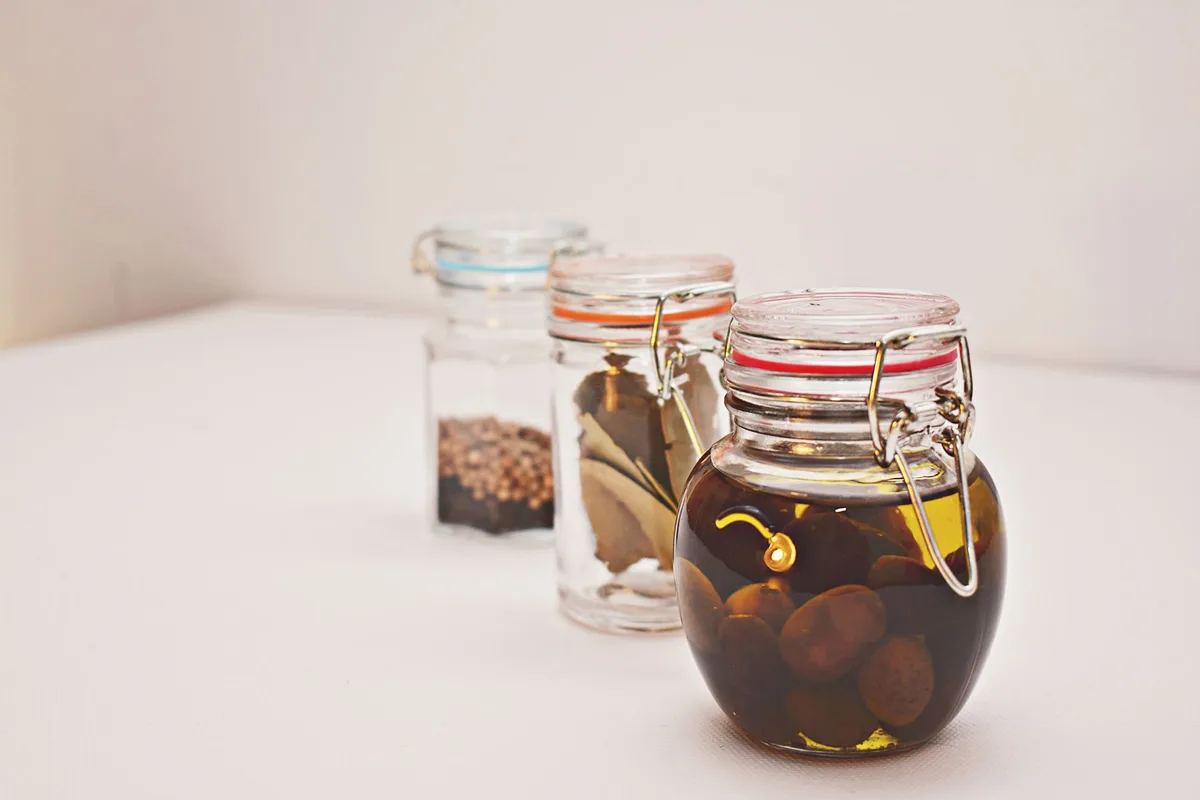
These are common on glass containers. A lid clamps down, and a rubber or silicone gasket creates the seal.
- How it works: A wire bail or a sturdy clamp presses the lid down. The gasket compresses against the rim, forming an airtight barrier.
- What to look for: A flexible, food-grade silicone gasket is best. Check that the clamp is strong and easy to operate. Ensure the gasket fits snugly without gaps.
Screw-Top Lids
Found on many plastic and some glass jars.
- How it works: Threads on the lid and the container engage, creating pressure.
- What to look for: A well-formed thread is important. Some have an inner liner or gasket for better sealing. Ensure the lid screws on smoothly and tightens securely.
Lids with Pinch or Snap Closures
Often seen on square or rectangular plastic containers.
- How it works: The lid has a lip that fits over the container’s rim. You press down in key areas to snap it shut.
- What to look for: Look for lids with multiple locking points or a full perimeter seal. A good quality, flexible plastic lid is essential. Many of these are designed to be leak-proof which often translates to airtight, but not always. Check descriptions carefully.
Integrated Vacuum Seals
Some high-end plastic containers use a pump mechanism or a one-way valve to remove air.
- How it works: You press a button or use a small pump to draw air out, creating a stronger vacuum seal.
- What to look for: Ensure the pump mechanism is simple to use and the valve is durable. These offer the best protection against oxidation.
Shape and Stackability: Maximizing Pantry Space
Your pantry is a finite space. Efficient containers make all the difference.
Square and Rectangular: The Space Savers
These shapes are designed to fit snugly next to each other. They eliminate wasted space that round containers create.
- Benefit: You can fit more into the same shelf footprint. They create neat, uniform rows.
- Considerations: Make sure the corners are easy to reach for scooping out contents.
Round Containers: For Specific Needs
Sometimes round is better, especially for bulk items or things you scoop a lot of.
- Benefit: Easy to scoop from. Can be more visually appealing in some cases.
- Considerations: They leave more dead space on shelves. They might not stack as efficiently unless designed specifically to nest.
Stackability
Containers that stack securely on top of each other are a pantry dream.
- What to look for: Lids designed with a rim or a slightly recessed top surface create stability. Ensure the bases also fit well together, preventing slippage. This is crucial for creating vertical storage.
Clear vs. Opaque: Seeing Your Stock
Being able to see what you have at a glance is incredibly helpful.
- Clear Containers: Ideal for most pantry items. You can quickly check levels, identify contents, and ensure you’re using older items first.
- Opaque Containers: Best for items sensitive to light, like coffee beans, tea leaves, or some spices. They can also offer a more uniform, streamlined look if you prefer a less cluttered visual.
Size Matters: Not Too Big, Not Too Small
Think about what you store. Buying containers that are too large leads to too much air space once partially used. Too small and you’re constantly refilling.
- Common Sizes: Look for standard sizes for flour (5 lb), sugar (4 lb), rice (1-2 lb bags), pasta (1 lb boxes), cereals, and smaller containers for spices or baking chips.
- Buying in Sets: Many sets offer a variety of sizes, which can be a cost-effective way to start. Just ensure the mix suits your typical pantry needs.
Choosing Containers for Specific Pantry Staples
Not all pantry items have the same storage needs. Here’s a quick guide to match containers to your goods.
Flour and Sugar
These are notorious for clumping and attracting moisture.
- Look for: Large, square or rectangular containers (5lb flour, 4lb sugar). Glass is excellent here to avoid odors. For plastic, ensure a very robust, airtight seal. A wide opening makes scooping easy.
Pasta and Rice
These dry goods can go stale and are prone to pests if not sealed.
- Look for: Medium to large containers. Rectangular shapes are great for stacking. Clear plastic is good so you can see the contents and levels.
Cereal
The arch-nemesis of freshness.
- Look for: Tall, narrow containers often work well for cereal boxes. Again, a tight seal is paramount to combat staleness. Some brands market specific cereal dispensers that are airtight.
Baking Supplies (Chips, Nuts, Dried Fruit)
These can dry out, lose flavor, or become sticky.
- Look for: Smaller to medium containers. Clear is best so you can easily identify what’s inside. Ensure a strong seal to keep them fresh.
Spices and Herbs
These need protection from light and air to retain their potency.
- Look for: Small, airtight jars. Opaque containers or storing clear jars in a dark cabinet works. Many spice rack systems have airtight components.
Snacks (Crackers, Pretzels)
Air is the enemy of crispness.
- Look for: Containers that fit the intended snack quantity. A very reliable seal is key. Square or rectangular containers work well for stacking.
Maintenance and Care for Lasting Airtightness
Even the best containers need a little love to keep performing.
Cleaning Tips
- Wash Regularly: Wash containers after each use, especially if storing food items that are oily or have strong smells.
- Hand Wash Recommended: For most airtight containers, especially those with detailed lid mechanisms or silicone gaskets, hand washing is best. This preserves the gasket’s integrity and prevents damage to specialized seals. Use warm, soapy water.
- Check Gaskets: Inspect silicone or rubber gaskets for wear and tear. If they become cracked, brittle, or misshapen, they won’t seal properly and should be replaced. Some brands sell replacement gaskets.
- Drying is Key: Ensure containers and lids are completely dry before refilling. Any residual moisture can encourage mold growth or affect the seal. Air drying upside down on a drying rack is often effective.
Storage of Empty Containers
- Store Lids Separately (Sometimes): For some types of containers, storing the lid slightly ajar or separate from the base can help prevent the gasket from becoming permanently compressed and losing its seal over time. This is particularly true for very rigid plastic lids or those with strong clamping mechanisms.
- Stack Wisely: If stacking nested containers, place them so the bases don’t scratch the interiors. For stackable containers, ensure they fit securely to avoid them tipping over.
The Best Airtight Storage Containers: Brands to Consider
While specific product models change, some brands consistently deliver quality and airtight performance for pantry storage.
- OXO Good Grips: Known for their POP containers, which feature a simple push-button mechanism for sealing and unsealing. They’re durable, stackable, and come in a wide range of sizes. The push-button also helps lift the lid slightly for easier opening. You can find detailed information on their product line and sealing technology on their official website.
- Rubbermaid Brilliance: These offer a sleek design with clear, durable plastic. They boast a unique locking lid system designed for a truly airtight and leak-proof seal. The stackable design and clear visibility are big pluses.
- Anchor Hocking: A long-standing name in glass storage. Their glass containers, often with clamp-tight lids and silicone gaskets, are excellent for preserving food and resisting odors. They offer a classic, robust option for the pantry.
- LocknLock: These containers are famous for their four-latch system on the lid, providing a very secure and airtight seal. They’re often made from BPA-free plastic and are very durable.
- Progressive International: Offers a range of intelligent pantry storage solutions, including their collapsible containers and specialized dispensers. They focus on functionality and space-saving designs.
When shopping, always check reviews specifically mentioning the airtightness and ease of use of the lid mechanism for the particular model you’re considering.
Making the Switch: Gradual or All at Once?
Deciding to upgrade your pantry storage can feel like a big project. You don’t have to do it all in one go.
Start Small: Target Problem Areas
- Identify Your Biggest Frustrations: Are your bags of flour always clumping? Is your cereal never fresh? Start by replacing those specific items. Buy a few good quality airtight containers for your most problematic staples first.
Buy in Sets for Value
- Cost-Effective: Pantry container sets often offer better value per container than buying individuals. They also ensure a consistent look and feel throughout your pantry.
- Variety: Sets usually include a range of sizes, which is great for stocking different types of goods.
Invest in Quality Over Quantity
- Long-Term Savings: A few high-quality, truly airtight containers will last longer and perform better than many cheap, flimsy ones. Think of it as an investment in reducing food waste and enjoying fresher food.
Final Thoughts on Perfect Pantry Storage
Choosing the right airtight storage containers is more than just organizing your shelves. It’s about protecting your food, saving money, and making your kitchen work better for you. By focusing on the materials, the sealing mechanism, and the shape that best suits your needs, you can transform your pantry from a cluttered mess into a model of efficiency and freshness.
Happy storing!


Similar Posts