How to Choose Wall Sconces for a Dark Hallway
A dark hallway isn’t just a passageway; it’s a wasted opportunity. It can feel unwelcoming, even a little eerie. But with the right lighting, that neglected space can transform into a stylish, functional, and safe part of your home.
Wall sconces are a fantastic solution for hallways, offering both ambient and accent lighting without taking up precious floor space. Picking the perfect ones, however, can feel a bit daunting, especially when you’re battling persistent shadows.
That’s where I come in. I’ve spent years testing and assessing lighting solutions, and I know exactly what it takes to banish darkness and inject personality into those often-overlooked corridors. This isn’t just about brightness; it’s about creating atmosphere, enhancing safety, and choosing fixtures that complement your home’s aesthetic.
In this comprehensive guide, we’ll dive deep into everything you need to know about selecting wall sconces for your dark hallway. We’ll cover the crucial factors like light output, beam direction, style, size, and installation, ensuring you make informed choices that truly light up your life.
Understanding the Challenge: Why Hallways Get Dark and the Sconce Solution
Hallways are notoriously dark for a few key reasons. They often lack natural light sources like windows. Their elongated shape means any available light from adjacent rooms gets diluted as it spreads.
And, let’s be honest, they’re frequently an afterthought in home design. This darkness can lead to a sense of unease, make navigation tricky, and even hide dust bunnies in plain sight.
This is precisely why wall sconces are such a smart choice. Mounted on the walls themselves, they bring light closer to where you need it, eliminating harsh shadows. They’re versatile, offering options that can provide general illumination, highlight artwork, or create a soft, inviting glow.
Unlike pendant lights or ceiling fixtures, they don’t hang down, preventing potential bumps and grazes in narrow passages.
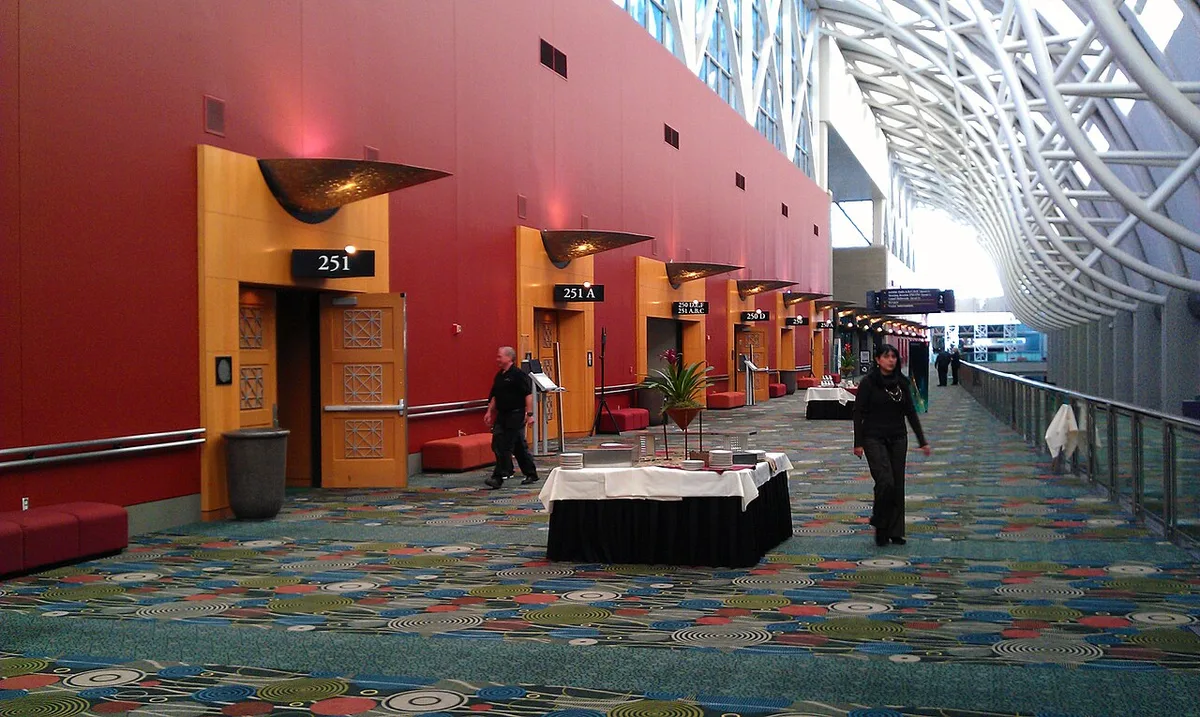
Image source: Wikimedia Commons / Ricardo630 (CC BY-SA)
The Power of Up-Lighting and Down-Lighting
When choosing sconces for a dark hallway, consider how they direct light.
- Up-lighting: These sconces cast light upwards towards the ceiling. This is brilliant for bouncing light back down, creating a diffused and even illumination across the entire space. It can make your hallway feel larger and less claustrophobic. Think of it as creating a softer, more ambient glow.
- Down-lighting: Conversely, down-lighting directs light towards the floor. This is excellent for task lighting, guiding your steps and illuminating the path ahead, which is crucial for safety. It can also create dramatic accent lighting if aimed at specific features.
- Combinations: Many sconces offer both up and down-lighting, providing a balanced approach. This is often the most effective for dealing with the multifaceted challenge of a dark hallway.
Key Factors for Choosing the Right Wall Sconces
Let’s break down the essential elements you need to consider. Get these right, and you’re well on your way to a beautifully lit hallway.
1. Light Output (Lumens): More Isn’t Always Better, But It’s Important
This is where many people get stuck. They think “dark hallway = bright light.” While some brightness is necessary, overdoing it with a single, harsh light source can create glare and make the space feel sterile.
- Lumens vs. Watts: Lumens measure the actual brightness of a light source, while watts measure energy consumption. For lighting selection, always focus on lumens.
- Recommended Lumens for Hallways: For general ambient lighting in a hallway, aim for somewhere between 50-100 lumens per linear foot. For a darker hallway or one where you need more confident navigation, lean towards the higher end.
- Layering Light: The secret to a well-lit space isn’t one super-bright fixture, but the strategic layering of light. Your sconces will provide ambient and accent light, and you might even consider an additional overhead light or a strategically placed floor lamp if the hallway is particularly wide.
- Dimmers are Your Best Friend: Always, always opt for sconces that can be used with a dimmer switch. This gives you complete control over the mood and brightness, allowing you to adjust as needed. We’ve found that dimmers are a non-negotiable for creating comfortable ambiance.
2. Beam Direction: Guiding Light Where You Need It
The direction a sconce shines its light is fundamental to its function in a dark hallway.
- Uplighting for Diffusion: As mentioned, sconces that cast light upwards are excellent for creating a softer, more pervasive illumination. They fill the space with a gentle glow and can make the ceiling feel higher. This is particularly helpful in making a dark hallway feel more open.
- Downlighting for Navigation: In a long, potentially narrow hallway, down-lighting sconces are vital for safety. They cast a direct beam onto the floor, clearly marking the path and reducing the risk of trips and falls, especially when you’re carrying something or it’s late at night.
- A Combination Approach: For the most effective solution to a dark hallway, consider sconces that offer both up and down-lighting. This provides a good balance of ambient illumination and directional light, addressing both aesthetic and practical needs.
3. Style and Design: Beyond Just Light
Your hallway sconces are decorative elements too. They should complement your home’s existing decor.
- Modern & Minimalist: Think clean lines, geometric shapes, and materials like brushed nickel, chrome, or matte black. These often feature frosted glass or simple diffusers.
- Traditional & Classic: Look for ornate details, richer metals like brass or bronze, and materials like seeded glass or alabaster. These can add a touch of timeless elegance.
- Industrial: Raw materials like iron, exposed bulbs (with proper shielding for safety), and utilitarian designs fit this aesthetic.
- Transitional: This style blends elements of modern and traditional, offering a versatile appeal that can bridge different design schemes.
- Material Matters: Consider the materials. Metal finishes (brushed nickel, oil-rubbed bronze, polished chrome, brass) will reflect light differently than materials like wood or fabric shades. Glass types (clear, frosted, seeded, textured) also play a significant role in how light is dispersed.
- Scale and Proportion: This is crucial. A tiny sconce in a grand hallway will look lost. An oversized fixture in a narrow passage will overwhelm the space. We’ll cover sizing in more detail shortly.
4. Size and Scale: Making a Statement, Not a Statement of Clutter
This is a common pitfall. Too small, and the sconce is ineffective. Too big, and it makes a narrow hallway feel cramped.
Sizing Your Sconces
- Height: The general rule of thumb for hallway sconces is to mount them at an eye level that’s comfortable for most people. Typically, this is 60-66 inches from the floor to the center of the sconce. However, if you have particularly tall ceilings, you might go a bit higher, and if your ceilings are lower, you might come down slightly. Always consider the average height of people in your household and any artwork you might be mounting nearby.
- Width/Diameter: The width of the sconce should be proportionate to the width of the hallway.
- Narrow Hallways (3-4 feet wide): Opt for sconces that are 4-8 inches wide. They should project from the wall without encroaching too much on the walkway.
- Medium Hallways (5-6 feet wide): You can go slightly larger, with sconces ranging from 8-12 inches wide.
- Wider Hallways (6+ feet wide): Here, you have more flexibility. Sconces from 10-15 inches wide can work well, and you might even consider a pair of more substantial fixtures.
- Projection from the Wall: For safety, especially in narrow hallways, choose sconces that don’t project too far. A projection of 4-8 inches is usually sufficient. You don’t want anyone to bump their head or shoulder into them.
Spacing Your Sconces
- Hallway Length: The number of sconces depends on the length of your hallway. A good starting point is to place them every 6-10 feet. You want enough to provide consistent illumination without making the hallway look cluttered.
- Visual Balance: Your goal is to create a sense of rhythm and balance. Imagine a line down the center of your hallway. The sconces should ideally be placed equidistant from the doorways or architectural features in the hallway. If you have a piece of art, position a sconce to highlight it.
- Avoid Shadowing: Ensure that one sconce doesn’t cast a shadow on the other, or on a significant feature you want illuminated.
5. Bulb Type and Color Temperature: The Nuances of Light Quality
The type of bulb you choose significantly impacts the final look and feel of your hallway.
- LEDs are the Standard: For energy efficiency, longevity, and a vast range of options, LEDs are the way to go. They also generate less heat, which is a safety bonus.
- Color Temperature (Kelvins, K): This describes the color of the light itself.
- Warm White (2700K, 3000K): This is akin to traditional incandescent bulbs. It creates a cozy, inviting atmosphere, perfect for living areas and hallways where you want a welcoming feel. This is usually the best choice for a dark hallway where you want to avoid a harsh, clinical look.
- Cool White/Daylight (4000K, 5000K+): This mimics natural daylight and can make a space feel brighter and more energetic. While good for task areas, it can feel a bit stark and uninviting in a residential hallway, especially at night.
- Brightness (Lumens per bulb): Even with LEDs, lumen output per bulb varies. Consider how many bulbs each sconce takes. A fixture with two 400-lumen bulbs will provide more overall light than one with a single 800-lumen bulb, though the distribution might differ.
- Dimmable Bulbs: Absolutely essential. Make sure the bulbs you choose are explicitly stated as dimmable, and pair them with a compatible dimmer switch. You’ve probably seen how frustrating it is when you can’t adjust lighting, so don’t fall into that trap.
6. Installation Type and Electrical Considerations
This is where you might need professional help.
- Hardwired vs. Plug-In:
- Hardwired: These sconces connect directly to your home’s electrical wiring. They offer the cleanest look as there are no visible cords. Installation typically requires an electrician, especially if you’re adding new wiring.
- Plug-In: These sconces come with a cord and plug that you plug into a standard wall outlet. They’re much easier to install yourself and are a great option if you can’t or don’t want to alter your wiring. You can often conceal the cord using cord covers or by running it behind furniture.
- Existing Wiring: If you have existing junction boxes in your hallway walls, you’re in a good position for hardwired sconces. If not, you’ll need to run new wiring, which is best left to an electrician.
- Bathroom/Exterior Ratings: If your hallway is adjacent to a bathroom or leads directly outside, ensure you select sconces with appropriate safety ratings (e.g., damp-rated or wet-rated). While less common for internal hallways, it’s worth considering if moisture or humidity is a factor.
- Dimmer Switches: As stressed multiple times, ensure all your sconces and bulbs are compatible with dimmer switches. This often means using LED-compatible dimmers.
Practical Tips for Banishing Hallway Darkness with Sconces
Here are some actionable strategies to make your dark hallway shine.
Layering Your Lighting Strategy
Don’t rely solely on your sconces. Think of them as a primary light source, but consider other elements:
- Ambient (General) Lighting: This is where your upward-shining or diffused sconces come in. They provide the overall illumination.
- Task Lighting: If your hallway has a specific purpose, like a reading nook or a place to find your keys, consider a down-lighting sconce or a small, directional task lamp.
- Accent Lighting: Use sconces to highlight artwork, mirrors, or architectural features. This adds visual interest and depth.
Highlighting Features with Accent Sconces
Even in a dark hallway, there might be elements you want to draw attention to.
- Artwork: A small, focused sconce directed at a painting or photograph can turn a blank wall into a gallery.
- Mirrors: Placing a sconce above or beside a mirror can not only illuminate your reflection but also bounce light around the hallway, making it feel brighter and more spacious.
- Architectural Details: If your hallway has interesting moldings, a textured wall, or a niche, a strategically placed sconce can emphasize these features.
The Importance of Dimmers (Again!)
I can’t stress this enough. Dimmers are the key to versatility. They allow you to:
- Set the Mood: Go from bright and functional for moving through the space to a soft, ambient glow for quiet evenings.
- Save Energy: Dimming lights reduces energy consumption.
- Extend Bulb Life: Generally, dimming helps prolong the lifespan of bulbs.
Choosing the Right Location for Maximum Impact
Think about the flow of traffic and the focal points of your hallway.
- Mid-Wall Placement: For most hallways, placing sconces roughly equidistant from the ends of the hallway, and spaced about 6-10 feet apart, creates a pleasing rhythm.
- Near Doors: Avoid placing sconces directly beside doorways where they might cast unflattering shadows on people entering or exiting.
- Highlighting Features: If you have a prominent piece of art or a console table, center a sconce to illuminate it.
Common Pitfalls to Avoid
When choosing wall sconces for a dark hallway, there are a few common mistakes to steer clear of.
Over-Reliance on a Single Light Source
A single, blindingly bright fixture in the center of the hallway will likely create harsh shadows and feel unwelcoming. Layering light through multiple sconces (and potentially other sources) is far more effective.
Ignoring Scale and Proportion
Putting tiny sconces in a large hallway, or overly grand ones in a narrow space, will throw off the visual balance. Always consider the dimensions of your hallway and the fixtures.
Forgetting About Bulb Color Temperature
A cool, blueish light (high Kelvin rating) can make a hallway feel sterile and uninviting. Stick to warm white (2700K-3000K) for a cozy, welcoming atmosphere.
Not Considering Dimmers
This is a missed opportunity for control and ambiance. Always plan for dimmable sconces and bulbs.
Inadequate Light Output
Choosing sconces with insufficient lumen output will simply leave your hallway dim, defeating the purpose. Calculate your needs based on the hallway’s size.
Maintaining Your Hallway Sconces
Just like any other home fixture, your sconces will benefit from occasional maintenance.
Cleaning
- Glass Shades: Dust regularly with a soft, dry cloth. For stubborn smudges, use a glass cleaner on a cloth, not directly sprayed onto the fixture, and wipe clean.
- Metal Finishes: Dust with a soft, dry cloth. For more thorough cleaning, use a mild soap and water solution on a damp cloth, then dry completely to prevent water spots. Avoid abrasive cleaners that can scratch the finish.
- Bulb Replacement: When a bulb finally gives out, ensure you replace it with the same type and wattage (or lumen equivalent) recommended by the manufacturer. If using LEDs, this is infrequent.
Checking Electrical Connections
This is more for hardwired fixtures. If you notice flickering or intermittent operation, it might indicate a loose connection. This is a job for a qualified electrician.
Ensure your dimmer switch is also functioning correctly and is compatible with your bulbs. We’ve noticed that sometimes the issue isn’t the fixture itself, but a faulty dimmer.
How Often Should You Replace Vacuum Filter / Is It Time For a Lighting Upgrade?
While not directly about sconces, proper maintenance in other areas of your home can indirectly affect the perception of brightness. A clean home feels brighter. (https://apleoption.com/how-often-should-you-replace-vacuum-filter/) So, while your sconces might be great, always consider the overall upkeep of your living space.
Frequently Asked Questions About Hallway Sconces
Q1: How many lumens do I need for a dark hallway?
For a dark hallway, aim for 50-100 lumens per linear foot for general ambient lighting, leaning towards the higher end of that range for better illumination. Remember to also factor in the beam direction and consider if you need to supplement with task or accent lighting.
Q2: Should I use up-lighting or down-lighting sconces for a dark hallway?
A combination of both is often ideal. Uplighting bounces light off the ceiling, creating diffusion and making the space feel larger. Down-lighting provides direct illumination for safe navigation, especially at floor level.
Q3: Can I install wall sconces myself?
If you’re comfortable with basic electrical work and are using plug-in sconces, then yes. For hardwired sconces, especially if you need to run new wiring, it’s strongly recommended to hire a qualified electrician for safety and compliance.
Q4: What is the best color temperature for hallway lights?
For a warm and inviting atmosphere, warm white (2700K, 3000K) is generally the best choice. It mimics traditional incandescent bulbs and avoids a harsh, sterile feel often associated with cooler tones in residential settings.
Q5: How far apart should hallway sconces be?
A good rule of thumb is to space them every 6-10 feet, ensuring they are balanced and visually appealing along the length of the hallway. Consider the placement of doors and architectural features to avoid awkward shadowing.
Q6: What if my hallway is very narrow?
In narrow hallways, opt for sconces with a smaller footprint and a limited projection from the wall to avoid creating an obstacle. Plug-in sconces can be a good choice as they may offer more placement flexibility without major wiring changes.
Conclusion: Lighting Your Way to a Brighter Home
Choosing wall sconces for a dark hallway is an exciting opportunity to enhance both the function and aesthetics of your home. By carefully considering the light output, beam direction, style, scale, and bulb type, you can transform a dim, unwelcoming space into a well-lit, inviting, and safe passage.
Don’t underestimate the power of thoughtful lighting. With the right sconces, your hallway will no longer be a forgotten corner but a functional and stylish extension of your home’s living area. Remember to prioritize dimmable options, consider the overall ambiance, and don’t be afraid to consult a professional for installation if needed.
Here’s to illuminating your hallways and making every step a bright one!


Similar Posts