How High Should Living Room Wall Sconces Be
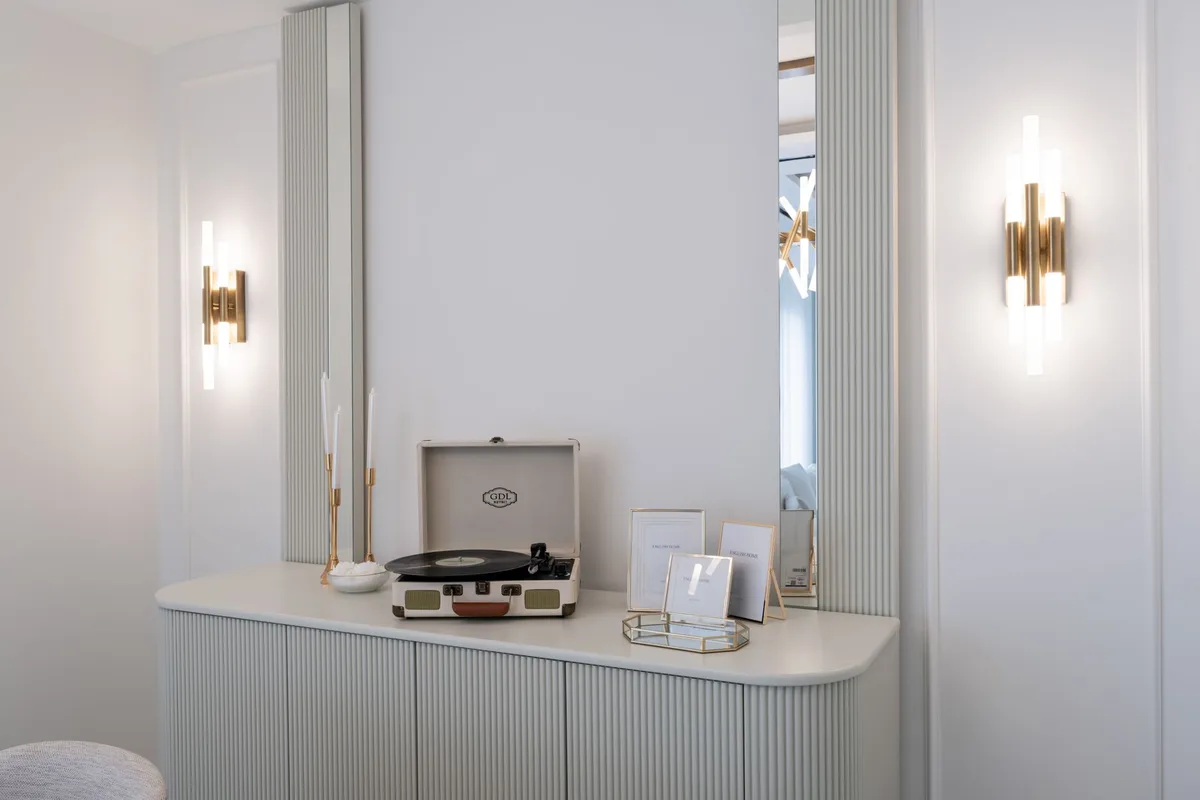
Image source: Pexels / Yunus Tuğ (Pexels License)
Getting the height of your living room wall sconces just right is crucial for both aesthetics and functionality. Too high, and they can feel disconnected from the main living space. Too low, and they might be an awkward obstacle or cast light in an unflattering way.
It’s a common question, and for good reason. This isn’t about guesswork; it’s about understanding how light interacts with space, how to create ambiance, and how to ensure your sconces serve their purpose without becoming an eyesore.
We’ve all been in rooms where the lighting just feels… off. Maybe the sconces are battling with the overhead lights, or they’re so high they barely illuminate anything meaningful. The goal for your living room sconces is to complement your decor, provide gentle ambient or task lighting, and contribute to a welcoming atmosphere.
This guide will walk you through the considerations, offer clear guidelines, and help you achieve sconce perfection in your living space.
Understanding the Purpose of Living Room Wall Sconces
Before we dive into precise measurements, let’s nail down what living room wall sconces are actually for. They’re not typically your primary light source. Think of them as accent pieces, mood setters, and subtle task enhancers.
- Ambient Lighting: Sconces can contribute to the overall glow of a room, softening harsh overhead lights and creating a warm, inviting ambiance. They fill in shadows and make a space feel more complete.
- Accent Lighting: They can highlight architectural features, artwork, or decorative elements on your walls. Their placement and the way they project light can draw attention to specific areas.
- Task Lighting (Limited): While not ideal for reading, a well-placed sconce can provide sufficient light for activities like passing through a hallway or for general illumination in a seating area where intense light isn’t needed.
- Decorative Element: Even when switched off, well-chosen sconces can add style and personality to your walls, acting as sculptural pieces.
The height you choose directly impacts how effectively they fulfill these roles. A sconce meant for accenting artwork will be placed differently than one intended to add gentle ambient light to a seating area.
The Golden Rule: Eye Level is Key
When we talk about wall sconces, especially in living areas, a common and widely accepted guideline is to mount them at “eye level.” But what does that really mean, and how do you apply it?
Think about where your eyes naturally fall when you’re standing or sitting in the room. For standing eye level, a common recommendation is around 60 to 66 inches from the floor to the bottom of the sconce. This measurement is often cited for hallways or general wall illumination.
However, for living rooms, we need to be a bit more nuanced.
- Sitting Eye Level: When people are seated, their eye level is lower. If your sconces are primarily for ambiance while guests are sitting, you might want to consider a slightly lower placement.
- Light Direction: The direction the light shines (upward, downward, or both) is critical. A sconce with a strong upward throw might be placed higher to prevent direct glare, while one with a downward throw might be lower to effectively illuminate a surface or seating area.
Never forget this: The primary consideration is where the light lands and how it contributes to the room’s overall illumination and mood, not just the physical height of the fixture itself.
Standard Guidelines for Living Room Sconce Height
While “eye level” is a great starting point, real-world application requires more specific measurements. Here are the commonly recommended heights and the reasoning behind them.
H3: General Ambient Lighting
For sconces intended to provide general ambient light and add a warm glow to the walls, you’ll often see recommendations falling between 60 and 72 inches from the floor to the bottom of the sconce.
- Why this range? This height generally positions the light source well above the average seated eye level, preventing glare while still allowing the light to spread effectively across the wall and into the room. It also ensures the sconces don’t feel too low and potentially obstruct traffic flow or the view of wall decor.
- Consider the sconce’s design: If the sconce has a shade that diffuses light, you might opt for the higher end of this range. If it’s a more open design, the lower end might be suitable.
H3: Accent Lighting for Artwork or Features
When your sconces are specifically designed to illuminate artwork, mirrors, or other wall features, the placement becomes more about the target than general eye level.
- Above Artwork: If you’re placing sconces on either side of a piece of art, the bottom of the sconce is typically positioned 6 to 12 inches above the top of the artwork. This allows the light to cast downwards onto the art without being so high that it creates harsh shadows immediately above.
- Directly Illuminating: Some sconces are designed for direct downward or upward projection. In these cases, the height is determined by the desired coverage. For a downward-facing sconce highlighting a console table or a specific wall section, you might position the bottom of the sconce around 65 to 70 inches from the floor.
- The “Rule of Thirds” Principle: While not a strict rule for sconces, visualizing the wall in thirds can help. Placing sconces in the upper third of the wall can create a sense of height and elegance, especially for taller ceilings.
H3: Sconces Near Seating Areas
If you’re placing sconces near a sofa or chairs, especially if they’re intended to provide a touch of light for ambient conversation or as a soft glow when reading (though not ideal for primary reading light), you might bring them down slightly.
- Lowered Placement: Consider positioning the bottom of the sconce around 58 to 62 inches from the floor. This is still generally above seated eye level, preventing direct glare, but brings the light source a bit closer to the seating area for a more intimate feel.
- Avoid Glare: Always test this by standing and sitting in the intended spot. Can you see the bulb directly? Does the light create uncomfortable glare on the TV screen or on people’s faces? Adjust as needed.
Factors Influencing Your Sconce Height Decision
The numbers are a great starting point, but your unique living room has its own personality and practicalities. Here’s what else to consider:
H3: Ceiling Height
This is a big one. A sconce that looks perfect on a standard 8-foot ceiling can feel strangely high or low on a soaring 12-foot ceiling, or conversely, too dominant in a room with a lower ceiling.
- High Ceilings (9 ft+): You have more flexibility. You can often place sconces higher, perhaps in the upper third of the wall, to maintain visual balance and avoid them looking lost. A height of 66 to 72 inches or even higher (measured from the floor to the bottom of the sconce) can work well, especially if the sconce itself is a substantial fixture with a good upward spread of light.
- Standard Ceilings (8 ft): Stick closer to the standard guidelines. The 60 to 66-inch range for the bottom of the sconce is generally safe and effective to prevent the room from feeling visually cramped or too low.
- Low Ceilings (Below 8 ft): This is tricky. You want to add light and style without making the room feel smaller or the sconces feel like they’re about to hit you. A slightly lower placement, perhaps 56 to 60 inches, can work if the sconce is designed to cast light upwards, drawing the eye up. Always opt for sconces that are not overly bulky.
H3: Furniture Placement and Scale
Where are your sofas, chairs, and tables positioned? The scale of your furniture dictates the scale of your sconces and their ideal height.
- Above Large Furniture: If sconces are flanking a large sofa or a bookshelf, consider the visual line they create with the furniture. They should feel like they belong as part of that grouping. A common technique is to align the top of the sconce with the top of the furniture’s back, or slightly above. For instance, if a sofa back is 35 inches high, the bottom of the sconce might be around 60-65 inches from the floor to sit appropriately above it.
- With Console Tables: If a sconce is intended to illuminate a console table, ensure the light is directed downwards onto the table’s surface and objects displayed there. The bottom of the sconce should generally be 10-15 inches above the top of the console table.
- Scale of Fixtures: A very large, statement sconce might need to be mounted slightly higher on a tall wall to feel balanced. A delicate, small sconce might look best at a slightly lower, more intimate height. Always think about the overall visual weight.
H3: Room Layout and Traffic Flow
Consider how people move through the living room. You don’t want sconces to be a head-knocking hazard.
- Hallway-like Areas: In openings or pathways within your living room, ensure sconces are mounted high enough to be comfortably out of the way. The 60-66 inch standard is usually sufficient, but if you have particularly tall people in your household or frequent guests, err on the higher side.
- Seating Areas: As mentioned, placement near seating requires careful consideration to avoid glare and ensure comfortable light levels.
H3: Sconce Style and Light Direction
Not all sconces are created equal. Their design dramatically impacts how and where they cast light, and thus where they should be placed.
- Uplighting Sconces: These are designed to cast light upwards, bouncing off the ceiling to create a soft, diffused ambient light. To maximize this effect and avoid glare, they are often mounted a bit higher, around 65-72 inches from the floor to the bottom. The upward light helps make the ceiling feel higher.
- Downlighting Sconces: These cast light downwards, perfect for accenting a fireplace mantel, a console table, or a reading nook. They might be positioned lower, around 60-65 inches, or adjusted based on what they are intended to illuminate directly.
- Up/Down Sconces: These cast light in both directions. The height needs to balance the upward diffusion with the downward accent. The standard 60-66 inch range is often a good compromise, allowing both effects to work harmoniously.
- Open or Exposed Bulb Sconces: If the bulb is visible and the light source is direct, you’ll want to mount these higher up, around 66-72 inches, to prevent anyone from looking directly into a bright light. Consider using frosted bulbs or dimmers to soften the output.
- Shade or Diffuser Sconces: If the sconce has a substantial shade that diffuses light effectively, you might be able to go slightly lower, perhaps 58-64 inches, as the shade will soften the direct glare.
Practical Tips for Installing Living Room Wall Sconces
Once you’ve decided on the ideal height, the installation itself is just as important.
H3: Measure Twice, Drill Once
This old adage couldn’t be more relevant.
- Mark the Wall: Hold the sconce up to the wall (or use a template if provided) at your chosen height. Lightly mark where the mounting bracket will go and where screws will be drilled.
- Use a Level: Ensure your marks are perfectly level before drilling. A crooked sconce is a glaring aesthetic mistake.
- Check for Wires: If you’re not installing into an existing junction box, be absolutely sure you know where electrical wires and plumbing are located within the wall. Use a stud finder with an AC detection feature, or consult an electrician.
H3: The Importance of Dimmers
For living room sconces, adding a dimmer is almost non-negotiable. It allows you to adjust the light intensity for different moods and times of day. A bright, high sconce can become a gentle glow with a dimmer, and a lower sconce can be dimmed to prevent eye strain.
This flexibility is key to truly mastering your living room’s ambiance.
H3: Consider Bulb Luminosity
The brightness of the bulb (measured in lumens) is as important as the wattage. For ambient living room lighting, you generally want lower lumen bulbs (e.g., 400-800 lumens per sconce) to create a soft, inviting atmosphere. Avoid overly bright bulbs that can create a stark, hospital-like feel.
H3: Symmetry vs. Asymmetry
Most living room sconces are installed in pairs symmetrically on either side of a fireplace, a window, or a piece of furniture. This creates balance and visual harmony. However, in some modern designs, an asymmetrical placement might be a deliberate choice to highlight a particular feature or create a specific artistic effect.
This requires a keen eye for proportion and balance.
Frequently Asked Questions About Living Room Sconce Height
H3: What is the standard height for wall sconces in a living room?
The standard height for the bottom of a living room wall sconce is generally between 60 to 66 inches from the floor. This is often referred to as “eye level” when standing. However, this can vary based on ceiling height, furniture, and the specific design and purpose of the sconce.
H3: Should sconces be higher or lower than a doorway?
Generally, wall sconces should be mounted above the top of a doorway. This avoids visual clutter at eye level and maintains a clean architectural line. If the sconce is functional lighting for a hallway leading into the living room, ensure it’s at least 6 inches above the door frame.
H3: How do I determine the right height if I have very high or very low ceilings?
For high ceilings (9 ft+), you can often mount sconces higher, around 66-72 inches or more, to maintain a sense of proportion. For low ceilings (below 8 ft), aim for slightly lower, 56-60 inches, especially if the sconce casts light upwards, to avoid making the room feel cramped and to draw the eye up.
H3: Can I mount sconces at different heights in the same room?
While typically mounted symmetrically at the same height, you can use different heights if there’s a clear functional or aesthetic reason. For example, a sconce placed to highlight a piece of art might be lower than a general ambient sconce on another wall. However, this should be done thoughtfully to maintain overall harmony.
H3: I have a bright, exposed bulb sconce. How high should I mount it?
Exposed bulb sconces can cause glare. To mitigate this, mount them higher, typically 66 to 72 inches or even slightly more from the floor to the bottom of the fixture. Using a dimmer and choosing a lower lumen bulb can also help manage the intensity.
Conclusion: Lighting Your Living Room with Confidence
Finding the perfect height for your living room wall sconces is a blend of established guidelines and personal intuition. By understanding the purpose of each fixture, considering your room’s unique architectural features, and paying attention to how light interacts with space, you can achieve a beautifully lit and inviting living area. Remember the general rule of 60-66 inches for standing eye level as a starting point, but don’t be afraid to adjust based on your ceiling height, furniture scale, and the specific design of your sconces.
Measure carefully, use a level, and consider the impact of dimmers and bulb choice. With these principles in mind, you’ll be well on your way to creating a living room that glows with style and comfort.


Similar Posts