How to Remove Hard Water Stains From Toilet
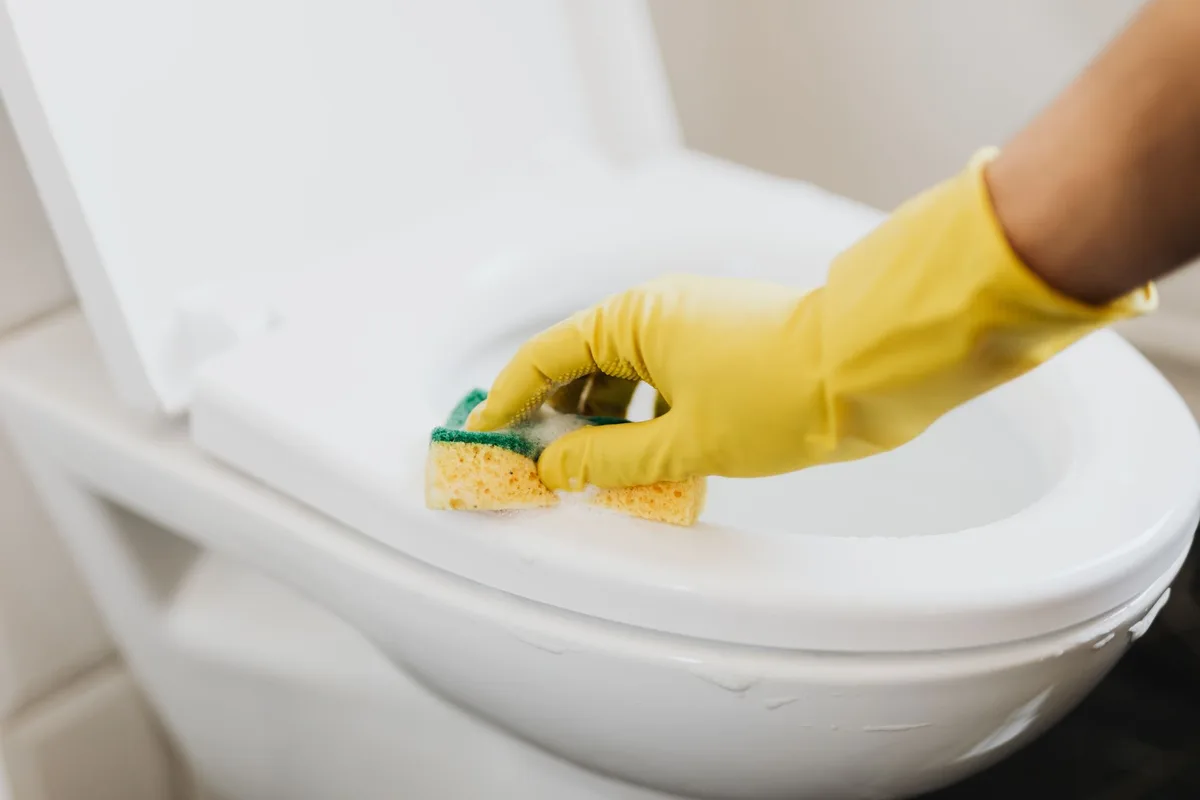
Those stubborn, rust-colored rings and chalky white deposits in your toilet bowl aren’t just unsightly; they’re a tell-tale sign of hard water. While you can’t change your home’s water supply overnight, you can banish these mineral-based eyesores for good. We’ve all been there, staring into the bowl, wondering how to tackle those tough stains.
Fear not! This guide breaks down the most effective methods for removing hard water stains from your toilet, turning a tiresome chore into a simple victory.
Understanding Hard Water Stains
Before we dive into scrubbing, let’s quickly understand what we’re up against. Hard water contains high concentrations of dissolved minerals, primarily calcium and magnesium. When this water evaporates, it leaves these minerals behind.
In a toilet bowl, these deposits build up over time, forming those familiar rings and cloudy film. The longer they’re left, the harder they become to remove.
The Simple Solutions: Everyday Household Items
You don’t always need fancy chemicals. Often, the ingredients you have in your pantry can work wonders on toilet stains. These methods are generally safe for most toilet surfaces and are friendly to your wallet and the environment.
Vinegar: The Acidic All-Star
White vinegar is a fantastic natural cleaner. Its acidity helps break down mineral deposits.
How to use it:
- Empty the bowl: For maximum contact, turn off the water supply to the toilet and flush. This will lower the water level, exposing the stains. You can also use a plunger to push out any remaining water.
- Pour generously: Pour undiluted white vinegar directly onto the stained areas. Be generous, especially if the stains are extensive.
- Let it soak: Allow the vinegar to sit for at least 30 minutes. For tougher stains, you can leave it overnight.
- Scrub: Use a toilet brush to scrub away the softened stains.
- Flush: Turn the water supply back on and flush the toilet. Repeat if necessary.
Pro Tip: For stains above the waterline, soak paper towels in vinegar and stick them to the sides of the bowl. This keeps the vinegar in contact with the stain.
Baking Soda and Vinegar: A Powerful Duo
Combining baking soda with vinegar creates a fizzing reaction that can help lift stubborn grime.
How to use it:
- Empty the bowl: Just like with straight vinegar, lower the water level first.
- Sprinkle baking soda: Sprinkle a generous amount of baking soda over the stained areas.
- Add vinegar: Slowly pour white vinegar over the baking soda. It will start to fizz.
- Let it work: Let the mixture bubble and work its magic for about 15-30 minutes.
- Scrub and flush: Scrub with your toilet brush and then flush.
Lemon Juice: The Natural Freshener and Cleaner
The citric acid in lemon juice can also help dissolve mineral stains. Plus, it leaves a pleasant fresh scent.
How to use it:
- Empty the bowl: Lower the water level.
- Apply lemon juice: Pour undiluted lemon juice or a lemon juice concentrate onto the stains.
- Let it sit: Allow it to soak for at least 30 minutes, or longer for tough stains.
- Scrub and flush: Scrub with a toilet brush and then flush.
Tougher Stains Need Tougher (But Still Safe) Solutions
Sometimes, household items need a little help. If vinegar and baking soda aren’t cutting it, it’s time to bring out slightly more potent, yet still safe, cleaners.
Borax Paste: An Effective Spot Treatment
Borax is a mineral that’s excellent at breaking down tough stains and is a common ingredient in many cleaning products.
How to use it:
- Empty the bowl: Lower the water level.
- Make a paste: Mix about 1/4 cup of borax with just enough water or vinegar to form a thick paste.
- Apply the paste: Spread the paste directly onto the hard water stains.
- Soak and scrub: Let it sit for at least 30 minutes. Then, scrub with a toilet brush and flush.
Oxalic Acid-Based Cleaners: For Stubborn Rust and Mineral Rings
Products containing oxalic acid are specifically designed to tackle rust and hard water stains. These are often the most effective for deeply set mineral deposits.
How to use it:
- Safety first: Always wear rubber gloves and ensure good ventilation when using these products. Read and follow the manufacturer’s instructions carefully.
- Empty the bowl: Lower the water level in the toilet bowl.
- Apply the cleaner: Apply the oxalic acid cleaner directly to the stains.
- Let it dwell: Allow the cleaner to sit for the time recommended on the product label. This is usually between 10-20 minutes.
- Scrub: Use a toilet brush to scrub the stains.
- Flush thoroughly: Flush the toilet multiple times to ensure all cleaner residue is removed.
Important Note: When using commercial cleaners, always test a small, inconspicuous area first to ensure it doesn’t damage the toilet’s finish. We want to remove stains, not the toilet bowl itself!
Image source: Pexels / www.kaboompics.com (Pexels License)
The Power Tools: When Brushes and Scrapers are Needed
For incredibly stubborn stains, you might need a little more elbow grease or a tool to physically scrape away the deposits.
Pumice Stone: A Gentle Abrasive
A pumice stone designed for cleaning toilets can be very effective. Crucially, use a stone specifically made for this purpose. A general-purpose pumice stone might be too harsh and could scratch your porcelain.
How to use it:
- Wet everything: Ensure both the pumice stone and the toilet bowl surface are thoroughly wet. This is critical to prevent scratching.
- Gently rub: Gently rub the pumice stone over the hard water stains. You’ll see the stone wear down, which is normal.
- Work in small sections: Focus on one area at a time.
- Rinse and check: Wipe away residue and check your progress.
- Flush: Once stains are gone, flush the toilet.
Caution: Always use gentle pressure. If you hear grinding or scraping sounds that aren’t the stain dissolving, ease up.
Scrapers: For Extreme Cases
In very rare and extreme cases of calcification, a plastic scraper or putty knife might be necessary. Again, the key is to use a material that is less hard than the porcelain.
How to use it:
- Soften first: Always try softening the stains with vinegar or a cleaner first.
- Use a plastic tool: Hold the scraper at a low angle to the porcelain.
- Gently chip away: Carefully chip away at the thickest deposits.
- Be patient: This method requires patience and a very gentle touch.
- Clean up: Once the bulk is removed, follow up with a cleaning paste or liquid cleaner and your toilet brush.
Preventing Future Hard Water Stains
The best offense is a good defense. Once you’ve got your toilet sparkling, you’ll want to keep it that way.
Regular Cleaning is Key
A quick clean with a toilet brush and a mild cleaner (like vinegar) at least once a week can prevent mineral buildup from becoming a major problem. Don’t let stains set in.
Consider a Water Softener
If hard water is a persistent issue throughout your home, installing a whole-house water softener is the most effective long-term solution. This system removes the minerals before they even enter your plumbing. While an initial investment, it pays off by protecting your fixtures, appliances, and surfaces from mineral damage.
You can find more information on water softening systems on manufacturer websites like this one.
Toilet Bowl Cleaners with Maintenance Properties
Some toilet bowl cleaners are formulated to not only clean but also to inhibit future buildup. Look for products that mention helping to prevent rings or mineral deposits.
Common Questions About Removing Toilet Stains
Can I use bleach to remove hard water stains?
Bleach is a powerful disinfectant but it’s not very effective at breaking down mineral deposits like hard water stains. In fact, when bleach reacts with certain minerals (like iron, which can be present in hard water), it can sometimes make rust-colored stains worse. It’s best to stick to acidic cleaners for mineral stains.
How often should I clean my toilet?
To prevent severe hard water stains and maintain hygiene, aim to clean your toilet bowl at least once a week. A quick brush with an acidic cleaner is usually enough for maintenance.
Will these methods damage my toilet?
The methods described, especially those using vinegar, baking soda, and lemon juice, are generally safe for porcelain. When using pumice stones or scrapers, a gentle touch is key to avoid scratches. Always follow product instructions for commercial cleaners and test in an inconspicuous spot if you’re unsure.
What’s the difference between hard water stains and rust stains?
Hard water stains are typically white, chalky, or gray, resulting from mineral deposits. Rust stains are reddish-brown and are usually caused by iron in the water or even from corroding internal toilet parts. While both are mineral-related, some treatments, like oxalic acid, are particularly effective for rust.
Is it safe to mix cleaning products?
Never mix different cleaning products, especially cleaners containing bleach with those containing ammonia or acids. Dangerous fumes can be released. For hard water stains, sticking to one method at a time or using recommended combinations like vinegar and baking soda is the safest approach.
Tackling hard water stains in your toilet doesn’t have to be a daunting task. With the right approach, whether it’s a simple pantry staple or a targeted cleaner, you can restore your toilet’s pristine appearance. Regular maintenance is your best friend in keeping those mineral invaders at bay, ensuring a cleaner, more pleasant bathroom.


Similar Posts