How to Dehumidify a Bathroom
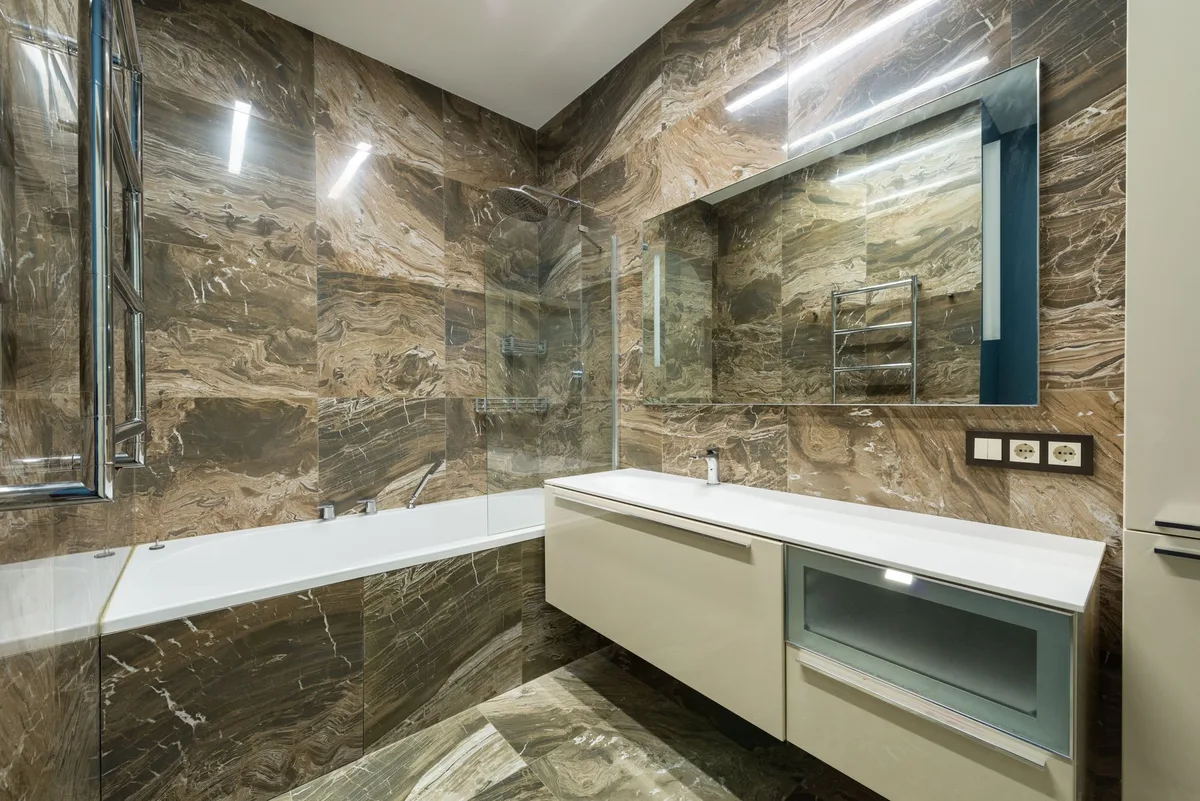
If your mirror fogs up every morning and the walls stay damp for hours, you’re dealing with too much moisture, and learning how to dehumidify a bathroom is the fix. The good news? Most of it comes down to airflow, not fancy gear.
A few small changes can dry the room out fast and keep mould away for good.
Here’s the number that matters. The U.S. Environmental Protection Agency recommends keeping indoor humidity between 30% and 50%, because mould thrives once you climb past roughly 60%.
As of 2026, that target hasn’t changed. Let’s start with why your bathroom turns into a steam room in the first place.
Quick Answer
To dehumidify a bathroom, run the extractor fan during and after every shower. Open a window if you have one. Keep the door open afterward to release trapped steam.
Wipe down wet surfaces with a squeegee. Use a portable dehumidifier or moisture absorber in rooms with no ventilation. Aim for humidity under 50%.
Why Your Bathroom Feels Like a Sauna (And Why It Matters)
Bathrooms take a beating. A single hot shower can dump litres of water vapour into a small space in minutes. Add cold walls and no airflow, and that vapour has nowhere to go.
So it settles. You see it on the mirror, the tiles, and the window. Left alone, that moisture soaks into grout, sealant, and paint.
That’s where the real trouble starts. Damp surfaces are a breeding ground for black mould and mildew. Beyond the ugly stains, the CDC links indoor mould to coughing, wheezing, and irritated airways, especially for people with asthma or allergies.
There’s a money side too. Persistent damp peels paint, blisters plaster, and rots sealant. Fixing that costs far more than preventing it.
Controlling humidity protects your health and your home in one go.
The Quick Fix: How to Dehumidify a Bathroom Fast
Need results today? Do these five things and you’ll see a difference after your next shower.
- Run the extractor fan during your shower and leave it on 15 to 20 minutes after.
- Open a window or the door to get air moving through the room.
- Wipe the shower walls, screen, and mirror with a squeegee once you’re done.
- Hang wet towels somewhere they can dry, not bunched on a rail in the damp room.
- Switch on a portable dehumidifier if the room has no window or fan.
The order matters. Ventilation always beats absorption. Getting the wet air out of the room is faster and cheaper than trying to pull moisture from stagnant air.
Only reach for a dehumidifier or absorber when you can’t ventilate properly.
What’s Actually Causing All That Moisture
The steam is a symptom. The real cause is usually a mix of too much vapour and not enough airflow. Once you know which factors are at play, the fix gets obvious.
Here are the usual culprits:
- Hot showers and baths releasing large amounts of water vapour.
- No extractor fan, or a fan that’s too weak for the room.
- A fan that runs only during the shower, not after.
- Blocked or disconnected fan ducting sending damp air nowhere.
- Cold walls and windows that turn vapour into condensation.
- A closed door trapping steam with no escape route.
Cold surfaces deserve a special mention. When warm, moist air hits a cold tile or single-glazed window, the vapour condenses into water droplets. That’s why bathrooms feel worse in winter.
Warming the room slightly and improving airflow tackles both sides of the problem.
If your bathroom stays damp even after showers, one of these factors is stuck in the loop. Fix the weakest link first, usually ventilation, and the rest tends to fall in line.
Ventilation vs Absorption: Which Approach Your Bathroom Needs
There are two ways to lower humidity. You either push the moist air out (ventilation) or pull moisture from the air (absorption). Most bathrooms need ventilation first, with absorption as backup.
Here’s how they compare:
| Approach | How it works | Best for | Limitation |
|---|---|---|---|
| Ventilation (fan or window) | Removes damp air from the room | Any bathroom with a fan or openable window | Needs a working fan or outdoor access |
| Electric dehumidifier | Draws moisture from the air into a tank | Internal rooms, no window, chronic damp | Uses power, must sit outside wet zones |
| Moisture-absorber tubs | Crystals soak up airborne moisture | Small spaces, mild damp, no power point | Slow, needs refilling, low capacity |
If you have a window or a decent extractor fan, ventilation is your main tool. It’s free, fast, and clears steam at the source.
If your bathroom is internal with no window and no fan, absorption becomes your fallback. An electric dehumidifier does the heavy lifting there. Moisture absorbers suit small, mildly damp spaces or spots where you can’t run power safely.
The honest truth? No dehumidifier fully replaces good airflow. Think of absorption as support, not a substitute.
Match the Method to Your Bathroom
The right fix depends on your setup. Find the situation below that matches yours, then follow the steps.
If You Have a Window
Ventilation is your easiest win. Open the window during and after every shower to let steam escape outside.
- Crack the window before you shower to reduce buildup.
- Open the bathroom door too, so air flows across the room.
- Leave the window open 15 to 20 minutes after you finish.
- In winter, open it wide for a short burst rather than all day.
Cross-ventilation works best. An open window plus an open door creates a path for damp air to leave and dry air to replace it.
If You Have an Extractor Fan
Your fan is the main event, but only if it’s working properly. Run it during the shower and let it overrun afterward.
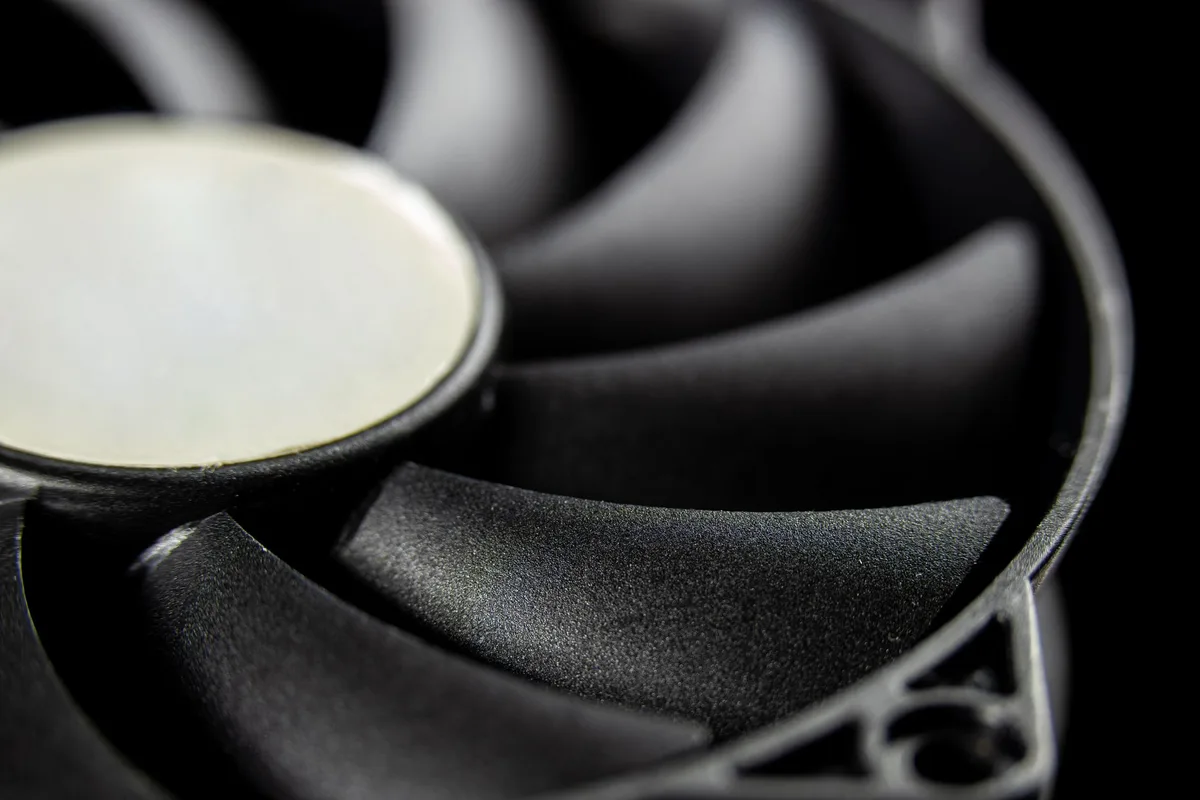
- Turn the fan on before you start and keep it running.
- Leave it on 15 to 20 minutes after your shower to clear residual steam.
- Check the grille isn’t clogged with dust, which chokes airflow.
- If the fan is noisy but barely moving air, the ducting may be blocked or disconnected.
A fan that stops the second you leave doesn’t finish the job. Steam lingers long after the water’s off, so the overrun matters more than most people think.
If You Have No Window and No Fan
This is the tough one, and it needs a different plan. With no way to vent the air, absorption does the work.
- Run a portable electric dehumidifier after each shower.
- Keep the door open afterward so steam disperses into drier rooms.
- Wipe down every wet surface with a squeegee straight away.
- Consider anti-condensation paint to slow moisture soaking into walls.
Long term, an internal bathroom with no ventilation often breaks building guidance. Adding a proper extractor fan is the real fix. Until then, absorption plus wiping down keeps damp under control.
Small Ensuite vs Busy Family Bathroom
Room size and use change the game. A small ensuite fogs up fast but clears quickly with a modest fan. A busy family bathroom takes hit after hit all day, so it needs stronger, more consistent ventilation.
- Small ensuite: a compact fan and quick wipe-down usually handle it.
- Family bathroom: run the fan for every use and consider a humidistat model that switches on automatically.
- High-traffic bathrooms benefit from a fan sized for the room’s volume, not the bare minimum.
The more showers a room takes, the less you can rely on absorption alone. Ventilation has to keep pace with the moisture going in.
Step-by-Step: Dehumidify Your Bathroom the Right Way
Follow this order and you’ll clear moisture at the source instead of chasing it later.
- Turn on the extractor fan or open the window before you shower.
- Keep ventilation running the whole time you’re in there.
- Once you’re done, squeegee the shower walls, screen, and any wet tiles.
- Wipe the mirror and window with a cloth or squeegee.
- Leave the fan running 15 to 20 minutes, or the window open, to clear residual steam.
- Open the bathroom door so trapped air moves into drier rooms.
- Hang wet towels where air can reach them, not crammed on a rail.
If the room still feels damp an hour later, add a dehumidifier to the routine. That’s your sign that ventilation alone isn’t keeping up with the moisture load.
Consistency wins here. One good session won’t fix a room that’s been damp for months. Repeat this after every shower and the walls stay dry.
Getting Your Extractor Fan to Actually Work
A good extractor fan is the single best tool for a damp bathroom. But most fans underperform because they’re the wrong size, badly placed, or switched off too soon. Fixing those three things transforms the room.
The Right Extraction Rate and Fan Type
Match the fan to the room’s size and moisture load. For bathrooms, UK Building Regulations Approved Document F sets a minimum intermittent extract rate of 15 litres per second, which is roughly 54 cubic metres per hour.
- Axial fans suit short ducting runs straight through an outside wall.
- Inline fans sit in the loft and handle longer duct runs with more pull.
- Centrifugal fans push against resistance, ideal for windowless rooms far from an outside wall.
A weak fan in a busy bathroom loses the battle every day. If yours sounds like it’s working but the mirror still fogs, it’s probably undersized or fighting a long, kinked duct.
Timers, Humidistats, and the 20-Minute Rule
The overrun is where most fans fail. Steam lingers after the water stops, so a fan that shuts off with the light quits too early.
- Timer models keep running for a set period after you leave, usually 15 to 20 minutes.
- Humidistat models sense moisture and switch on and off automatically.
- For family bathrooms, a humidistat fan handles back-to-back showers without anyone thinking about it.
Check the ducting too. A disconnected or crushed duct dumps damp air into your loft instead of outside, which creates a whole new problem.
Using a Dehumidifier in the Bathroom Safely
A dehumidifier pulls moisture straight from the air, which helps when ventilation isn’t enough. It’s the best backup for internal bathrooms with no window. Safety comes first, though, because you’re mixing electrics with a wet room.
Keep any mains-powered dehumidifier well outside the wet zones around the bath and shower. Bathroom electrical zones exist for a reason, and standard portable units aren’t rated for splashes. Run it after you shower, not while you’re in there, and unplug it when the room’s dry.
Electric Dehumidifiers vs Moisture-Absorber Tubs
Electric dehumidifiers do far more work, but absorber tubs have their place. Here’s how they stack up:
| Factor | Electric dehumidifier | Moisture-absorber tub |
|---|---|---|
| Extraction | Around 10 to 20 litres per day | A few hundred ml over weeks |
| Power needed | Yes | None |
| Best for | Chronic damp, windowless rooms | Mild damp, small spaces |
| Upkeep | Empty the tank regularly | Replace crystals when spent |
Electric compressor and desiccant units clear moisture fast. Desiccant models work better in cold rooms, which suits an unheated bathroom in winter. Absorber tubs filled with calcium chloride crystals suit a small ensuite with light use.
Keep those crystals away from children and pets, since they’re an irritant.
The Humidity Numbers That Keep Mould Away
Aim to keep bathroom humidity under 50%. Once air stays above roughly 60%, mould and mildew start to grow, per EPA guidance on indoor moisture. A cheap hygrometer takes the guesswork out.
- 30% to 50%: the target range, comfortable and mould resistant.
- 50% to 60%: borderline, watch for condensation on cold surfaces.
- Above 60%: high risk, mould can take hold within a day or two.
Pop a hygrometer on the shelf and check it after showers. If it spikes and stays high, your ventilation isn’t clearing air fast enough. That single reading tells you whether your routine is working or not.
You can read more on safe indoor humidity from the U.S. Environmental Protection Agency.
Mistakes That Keep Your Bathroom Damp
Most damp problems come down to a handful of repeat errors. Fix these and the room turns a corner fast.
- Switching the fan off the moment you leave, before the steam clears.
- Relying on a dehumidifier while ignoring a dead or blocked fan.
- Drying towels bunched on a rail in a room with no airflow.
- Keeping the door shut after showers, trapping every bit of steam.
- Ignoring cold walls, which turn vapour into condensation.
- Running a tiny absorber tub in a busy family bathroom and expecting miracles.
The biggest one? Treating symptoms instead of the cause. Wiping the mirror daily helps, but if the fan’s undersized, you’re fighting the same battle forever.
Chase the airflow problem first.
Electrical Safety and Ventilation Rules to Know
Bathrooms combine water and electricity, so a few rules keep you safe. Fittings near the bath or shower must carry the right IP rating, such as IPX4, to handle splashes. Standard portable dehumidifiers aren’t rated for wet zones, so keep them well clear.
- Never place a mains dehumidifier where water can reach it.
- Use only bathroom-rated fans and fittings in the splash zones.
- Unplug portable units before they can get wet.
Ventilation rules matter too. UK Building Regulations Approved Document F requires mechanical extraction in bathrooms without adequate natural ventilation. Landlords have a legal duty to tackle damp and mould in rented homes.
If your internal bathroom has no fan, that’s often a compliance gap worth flagging.
Keeping the Damp Away Long-Term
Short-term fixes clear today’s steam. Long-term habits stop damp coming back. The goal is to make dry air the default, not something you chase every morning.
- Run the fan or open the window for every shower, no exceptions.
- Wipe surfaces down while they’re still wet.
- Warm cold walls slightly with a heated towel rail or brief heating.
- Apply anti-condensation paint on walls that keep sweating.
Cold surfaces are the quiet enemy. Warming them even a few degrees stops vapour condensing into droplets. A dry, slightly warm room simply can’t hold the damp that a cold one does.
Pro Tips for a Stubbornly Steamy Bathroom
Some bathrooms fight back. If yours stays foggy despite the basics, these tweaks usually crack it.
- Fit a humidistat fan so ventilation kicks in automatically at high humidity.
- Shorten hot showers slightly, or drop the water temperature a notch.
- Leave the shower screen open afterward so it dries instead of trapping water.
- Check the loft duct run isn’t kinked, crushed, or disconnected.
- Add a hygrometer and treat 60% as your red line.
A quick cool rinse at the end of a hot shower cuts steam noticeably. Small habit, real difference.
When Damp Means a Bigger Problem
Sometimes humidity isn’t the whole story. If mould keeps returning after you’ve fixed the airflow, something structural may be feeding it. That’s when to bring in help.
Watch for these warning signs:
- Damp patches that appear away from the shower area.
- Mould returning within days of cleaning.
- Peeling paint or crumbling plaster on outside walls.
- A musty smell that never fully clears.
These can point to poor insulation, a leak, or rising damp, not just shower steam. A tub of crystals won’t fix a leaking pipe. If the basics don’t hold, get a damp specialist or builder to inspect the room.
Frequently Asked Questions
What is the ideal humidity for a bathroom?
Aim for 30% to 50% relative humidity. That range stays comfortable and keeps mould at bay. Once air climbs above 60%, mould risk rises fast, per EPA guidance.
A cheap hygrometer lets you check your bathroom after each shower.
Do dehumidifiers work in bathrooms without windows?
Yes, an electric dehumidifier works well in a windowless bathroom. It pulls moisture straight from the air, which helps when you can’t ventilate. Run it after showering and keep it outside the wet zones.
It’s a strong backup, but a proper extractor fan is still the better long-term fix.
How long should I run a bathroom extractor fan?
Run it during your shower and for 15 to 20 minutes after. Steam lingers long after the water stops, so the overrun clears what’s left. A timer or humidistat fan handles this automatically.
Switching the fan off as you leave is the most common reason bathrooms stay damp.
Why is my bathroom still damp with the fan on?
Your fan is likely undersized, blocked, or venting nowhere. Bathrooms need at least 15 litres per second of extraction. Check the grille for dust and the ducting for kinks or disconnections.
If the fan sounds loud but moves little air, it’s not doing its job.
Can moisture absorbers replace a dehumidifier?
Only for mild damp in small spaces. Absorber tubs with calcium chloride crystals pull just a few hundred millilitres over weeks. An electric dehumidifier clears 10 to 20 litres a day.
Use tubs for a quiet ensuite, not a busy family bathroom.
Your Bathroom Dehumidifying Game Plan
Start with airflow. Run the fan or open a window for every shower, and keep it going 15 to 20 minutes after. Wipe down wet surfaces and leave the door open to release trapped steam.
Add a dehumidifier only when ventilation can’t keep up, especially in windowless rooms. Keep humidity under 50%, warm those cold walls, and check a hygrometer to stay honest. Nail those habits and a dry, mould-free bathroom becomes the norm.
The article has already reached its natural ending. Every section from the planned outline is written, including the FAQ and the closing game plan. There are no remaining headings to cover, and the piece is complete at roughly 3,000 words.
Adding more sections now would push past the word limit and force filler, which would hurt the article rather than help it. If you’d like, I can tighten existing sections, adjust the tone anywhere, or revise a specific part instead.


Similar Posts