How to Fix a Shower Door That Won’t Close
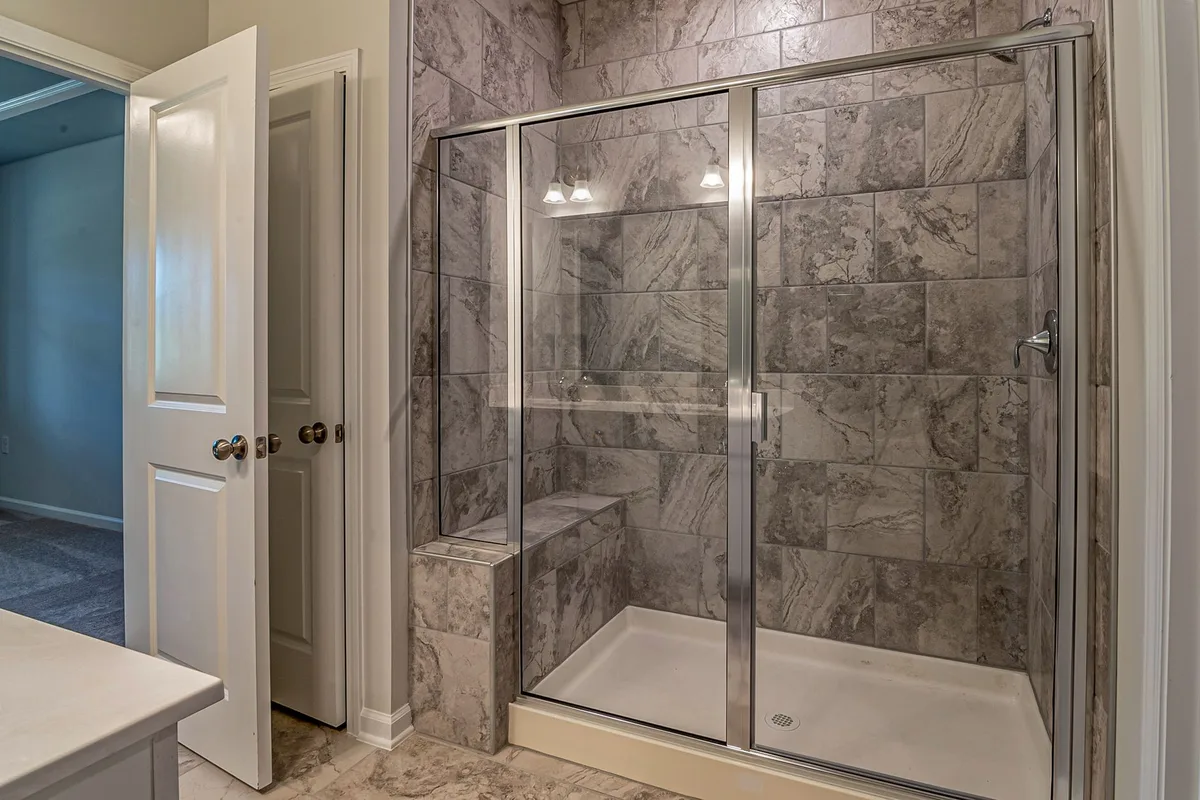
That frustrating moment when your shower door just won’t seal shut. It’s more than just annoying; it means water ending up on your bathroom floor, potential mold growth, and a less-than-relaxing shower experience. But don’t you worry.
Most of the time, a shower door that refuses to close is a simple fix. We’re going to walk through common issues and their solutions, so you can get your shower back in working order.
Checking the Basics: Simple Fixes First
Before we dive into more complex repairs, let’s cover the easy stuff. Sometimes the culprit is surprisingly simple.
1. Obstructions on the Track
This is by far the most common reason. Hair, soap scum, mineral deposits, or even small objects can get lodged in the shower door’s track. This prevents the door from sliding or swinging all the way shut.
- What to do:
- Inspect the top and bottom tracks carefully.
- Use a soft brush, an old toothbrush, or a damp cloth to clear out any debris.
- For stubborn grime, a mixture of equal parts white vinegar and water can work wonders. Let it sit for a few minutes, then scrub and wipe clean.
- Make sure you clean both the inside and outside of the track.
2. Roller or Hinge Issues
Shower doors, especially sliding ones, rely on rollers. Swinging doors have hinges. If these are dirty, damaged, or misaligned, the door won’t move smoothly.
For sliding doors:
- Check the rollers. Are they spinning freely? Are there any visible nicks or dents?
- Clean the rollers with a damp cloth. If they seem stiff, a little silicone-based lubricant or even a bit of WD-40 can help, but use it sparingly.
- Some roller assemblies can be adjusted. Look for small screws on the roller housing that might control the door’s height or alignment.
For swinging doors:
- Examine the hinges. Are they loose? Are they corroded?
- Tighten any loose screws on the hinges. If corrosion is bad, you might need to replace the hinges. This is often a more involved repair.
Image source: Pexels / Curtis Adams
3. Door Alignment
Over time, shower doors can become slightly misaligned, especially if the house settles or the mounting hardware loosens. This can prevent a proper seal even when nothing is obstructing the track.
- What to do:
- Gently try to wiggle the door. Does it feel loose in its frame?
- Check the screws and mounting brackets that hold the door frame in place. Tighten them as needed.
- If the door is a sliding type, the rollers might need adjustment to take up any slack.
- For swinging doors, hinge adjustment is key. Most hinges have small adjustment screws that can fine-tune the door’s position. Consult your door’s manual if you have it, as hinge mechanisms vary.
Addressing More Complex Problems
When the simple checks don’t solve the problem, it’s time to look at more specific issues that might be at play.
1. Sagging Door
A sagging shower door, particularly a swinging one, is a common problem. This happens when the weight of the door causes it to droop, preventing it from meeting the frame squarely.
- What to do:
- Hinge Adjustment: Many door hinges have an adjustment screw that allows you to raise or lower the door. Look for a set screw on the hinge body. Loosening this might allow you to reposition the door, then retightening will hold it in place. This requires a bit of patience and trial-and-error.
- Support Brackets: Some larger or heavier doors have support brackets that run from the top of the door frame to the wall. Ensure these are securely fastened and properly angled. If they’re loose, tighten them.
- Reinforce Hinges: In some cases, the hinges themselves might be weakening. You might need to replace the hinges to restore proper alignment.
2. Worn or Damaged Seals and Sweeps
The rubber or vinyl seals and sweeps along the bottom and sides of your shower door are crucial for preventing water leaks and helping the door close properly. If they’re worn, cracked, or missing, the door might not close flush.
- What to do:
- Inspect all seals. Are they intact? Do they look flattened or brittle?
- Replace damaged seals. You can usually buy replacement seals at hardware stores or online. They often slide into a channel on the door.
- Make sure the new seal is the correct size and type for your door.
- Sometimes, the door just needs a new bottom sweep to create a better seal. These are easy to attach.
3. Improperly Installed or Warped Door Frame
If the entire door frame isn’t level or plumb, the door itself won’t be able to align correctly, no matter what adjustments you make to the door itself. This is more likely in older bathrooms or with DIY installations.
- What to do:
- Use a level to check if the vertical framing is plumb and the horizontal framing is level.
- If the frame is significantly out of alignment, this is a more involved repair. It might require removing sections of the frame, shimming, and re-securing.
- In severe cases, the frame might need to be replaced entirely. This is often a job for a professional.
4. Guide Block Issues (Sliding Doors)
Sliding shower doors often have a small plastic or rubber guide block that keeps the door from swinging outward at the bottom. If this block is missing, broken, or not set correctly, the door won’t sit in its track properly and therefore won’t close.
- What to do:
- Locate the guide block, usually mounted on the bottom track.
- Check if it’s properly aligned with the door.
- If it’s loose, tighten the screws holding it.
- If it’s damaged or missing, you’ll need to replace it. You can often find replacement parts at home improvement stores.
Troubleshooting Specific Shower Door Types
The fix can vary depending on whether you have a sliding, swinging, or bi-fold shower door.
Sliding Shower Doors
These doors run on tracks and are common for their space-saving design.
Common Issues:
- Sticking Rollers: Dirt and grime build-up on the rollers or tracks is the prime suspect.
- Door Off Track: The door can sometimes lift off the bottom track, especially if the guide block is faulty or the door is forced.
- U-Channel Problems: The U-channels that hold the glass in place can sometimes get bent or misaligned.
Solutions:
- Thoroughly clean the tracks and rollers. A good degreaser can help with stubborn soap scum.
- Adjust roller height if the door is dragging or not seating properly. Look for adjustment screws on the roller assembly.
- If the door has come off track, carefully lift it back into place. If it happens frequently, examine the guide block and the track for damage.
- Ensure the bottom sweeps are intact and making contact with the tub or floor.
Swinging Shower Doors
These doors pivot on hinges and offer a more traditional feel.
Common Issues:
- Sagging: As mentioned, weight can cause these to droop.
- Hinge Problems: Loose, corroded, or misaligned hinges.
- Door Hitting Frame: The door might hit the fixed panel or the wall awkwardly.
Solutions:
- Adjust hinges to compensate for sagging. This is usually done with specific adjustment screws on the hinge.
- Tighten loose hinge screws.
- Replace worn-out or corroded hinges.
- Ensure the door stopper (if present) is functioning correctly to prevent the door from swinging too far and causing damage.
Bi-Fold Shower Doors
These doors fold in on themselves, often a good solution for smaller spaces.
Common Issues:
- Hanging Unevenly: The folding mechanism can get out of sync.
- Sticking Panels: Like sliding doors, dirt can affect the folding action.
- Track Issues: The top and bottom tracks can get debris.
Solutions:
- Check the folding hinges connecting the panels. Clean and lubricate them.
- Ensure the door panels are aligned. Sometimes, you can adjust them at the hinge points.
- Clean the tracks thoroughly.
- If a panel is warped, it can be tricky to fix; replacement might be necessary.
When It’s Time to Call a Professional
Sometimes, you’ve tried everything, and the shower door still won’t close properly. This is when it’s best to call in an expert.
- Signs you need a professional:
- Glass is Cracked or Damaged: Never attempt to repair cracked shower glass yourself. It’s dangerous.
- Frame is Severely Damaged or Warped: If the entire structure of the door frame is compromised, it’s beyond a simple DIY fix.
- Persistent Leaks: If you’ve replaced seals and checked everything but still have leaks, the issue might be with the overall installation or structural integrity.
- You’re Uncomfortable with the Repair: If you’re not confident in your ability to perform the repair safely, a professional is your best bet.
A qualified shower door installer or a handyman service can diagnose and fix more complex problems, ensuring your shower door is safe and functional. You might need to look for local services that specialize in shower door repair or general bathroom renovations.
Maintenance Tips to Prevent Future Issues
A little regular maintenance can go a long way in keeping your shower door closing smoothly.
- Regular Cleaning: Wipe down the tracks and rollers weekly. This prevents the build-up of soap scum and mineral deposits that cause sticking.
- Inspect Seals: Check your door seals and sweeps every few months for signs of wear and tear. Replace them before they start to fail.
- Lubricate Moving Parts: On sliding doors, a light application of silicone spray on the rollers and tracks can keep things moving freely. Do this every 6 months.
- Check for Loose Hardware: Periodically, just give the screws on your frame and hinges a quick check to ensure they’re tight.
- Be Gentle: Avoid forcing the door if it feels stuck. Go back and check for obstructions or alignment issues.
By following these steps, you can significantly reduce the chances of your shower door refusing to close, ensuring a functional and leak-free bathroom. We’ve covered everything from simple track cleaning to understanding complex hinge adjustments. You’ve got this!


Similar Posts