How to Lock Trash Can Lid
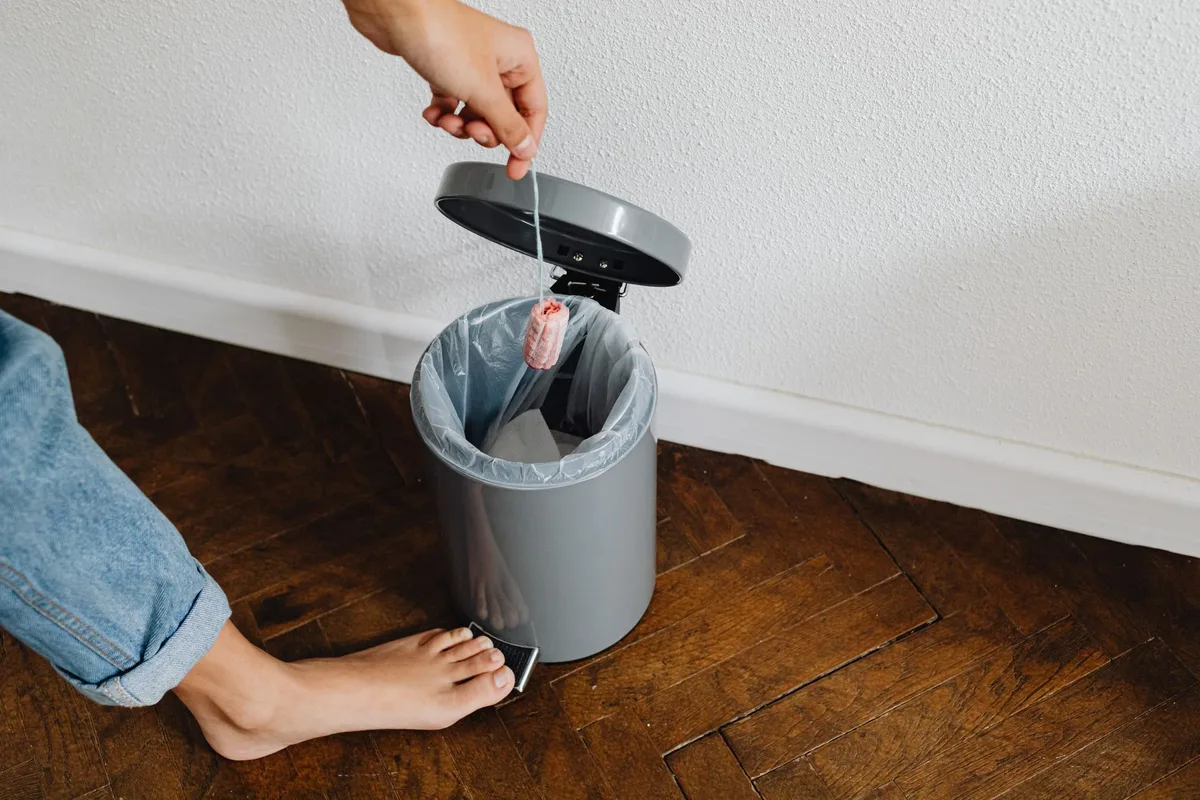
Image source: Pexels / www.kaboompics.com (Pexels License)
Let me guess. You’ve stepped outside to grab the garbage bag, and half the contents are scattered across the driveway. Or worse, raccoons, bears, or stray dogs turned your bin into an overnight buffet.
You’re done with that mess.
I get it. A trash can that won’t stay shut is more than an annoyance. It’s a health hazard, an eyesore, and an open invitation to every critter in the neighborhood.
The fix? Locking the lid. Not with a padlock and key, that’s overkill and almost impossible to use on pick-up day.
I mean a proper lid lock or securing method that keeps the lid on tight, lets the garbage truck dump it cleanly, and still lets you toss in a bag of coffee grounds without wrestling with hardware.
In this guide I’ll walk you through every proven way to lock a trash can lid, from a simple bungee cord to a permanent latch system. By the end you’ll know exactly which method fits your bin, your budget, and your local wildlife.
Why You Need to Lock Your Trash Can Lid
Before we dive into the how, let’s talk about the why. Because the right lock solves more than one problem.
Stop Animals From Getting In
Raccoons are clever. Bears are strong. Dogs are persistent.
And seagulls are… everywhere. An unlocked lid is basically a buffet sign. When animals learn that your trash can is an easy meal, they come back, and they bring friends.
Locking the lid is the most effective first line of defense.
The USDA Wildlife Services recommends securing trash cans to reduce human-wildlife conflict. Bears that get into garbage become habituated and dangerous. Raccoons get into attics.
Locking the lid protects both you and the animals.
Keep Trash Inside During Wind
Ever had a gust of wind blow the lid off and send your pizza boxes down the street? Locking the lid prevents that. It keeps everything inside until the truck shows up.
Prevent Spills on Collection Day
When the garbage truck lifts your can, the lid can pop open if it’s not secured. That sends trash flying everywhere, or worse, the lid gets cracked or lost. A locked lid stays closed through the whole ride.
Deter Theft and Tampering
Less common, but real. Someone might steal your lid for their own bin, or dump their trash in yours. A lock adds a small but effective deterrent.
How to Lock a Trash Can Lid: 7 Proven Methods
I’ve tested most of these on standard 32-gallon to 96-gallon wheeled carts. The right choice depends on your animal pressure, budget, and how often you want to mess with the lock. Let’s go method by method.
1. Using a Bungee Cord – The Quick Fix
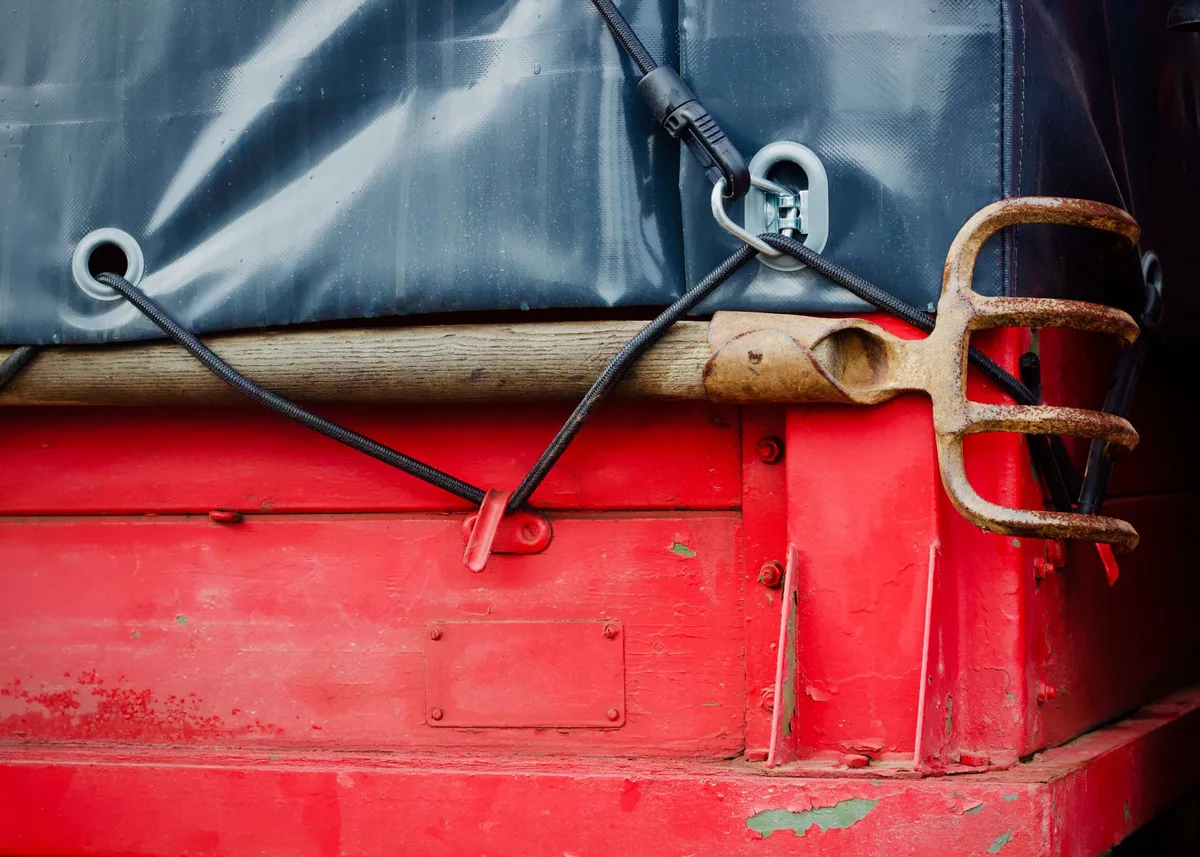
Image source: Pexels / Peter Dyllong (Pexels License)
This is the method I recommend to anyone who needs a solution in 30 seconds. A bungee cord is cheap, easy, and surprisingly effective against moderate animal pressure.
What you need: One heavy-duty bungee cord (12 to 18 inches long). The hooks should be metal, not plastic.
How to do it:
- Hook one end of the bungee cord to the handle on the front of the trash can.
- Stretch the cord over the top of the lid, directly across the handle area.
- Hook the other end to the handle on the back of the trash can (or to the frame under the rim).
- Make sure the lid is pulled down snug. You should feel tension.
Pro tip: For wheeled carts, you can hook the bungee to the wheels or the axle underneath. That stops animals from pushing the lid up from the side.
Pros: Fast, no tools, works on any trash can.
Cons: Bungees degrade in sunlight. Check them every few months. Some animals can bite through thin cords.
Not foolproof against bears.
When to use it: Raccoons, opossums, dogs. Also good for windy areas. Skip this if you have bears or very determined coyotes.
2. Installing a Trash Can Latch – The Permanent Solution
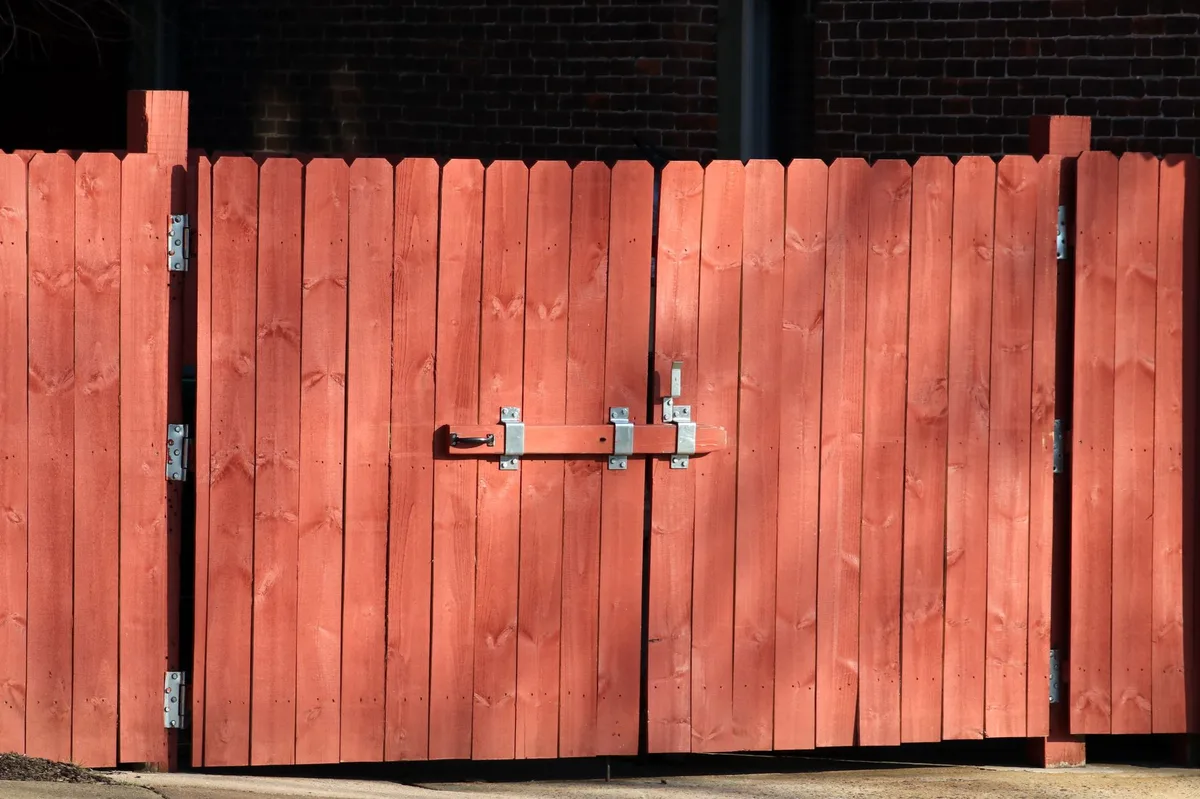
Image source: Pexels / Gene Samit (Pexels License)
A purpose-built latch is the gold standard. These are made specifically for trash can lids. They attach to the lip of the can and the lid itself.
They hold tight, last for years, and still allow easy opening with one hand.
What to buy: Look for a “trash can lid lock” or “bear-resistant latch” online. Brands like Snapped, Universal, and Bear-Proof are common. Prices run $10 to $25.
How to install it (takes about 5 minutes):
- Open the latch kit. It usually comes with two plastic brackets, a locking loop, and screws.
- Hold one bracket against the front rim of the trash can, below the lid. Mark the screw holes.
- Drill pilot holes (if your can is metal) or just screw directly into plastic bins. Most modern wheeled carts are HDPE plastic, you can use self-tapping screws.
- Attach the bracket. Repeat for the second bracket on the opposite side (or one bracket for a single-lock system).
- Snap the locking loop over the lid’s edge. Adjust the tension so the lid pulls down tightly.
- Test it. Open and close a few times to make sure the mechanism works smoothly.
Does it work? Yes. A well-installed latch can resist raccoons, coyotes, and even black bears. Many bear-resistant trash cans use exactly this kind of latch.
Pros: Permanent, reliable, easy to use daily.
Cons: Requires a small amount of drilling. Not removable in seconds (good for security, bad if you want to quickly change lids).
When to use it: Any situation where you want a set-it-and-forget-it solution. Best for wheeled carts, but works on standard round cans too.
3. Rope or Paracord – The Free Alternative
Don’t have a bungee cord? Grab a length of rope. Paracord works great.
The trick is to tie a knot that holds but still releases quickly.
How to do it:
- Tie one end of the rope to the front handle or rim.
- Run the rope over the lid, through the lid handle if there is one.
- Go around the back of the can, under the rim.
- Bring the rope back over the lid to the front.
- Pull tight and tie a slip knot or a quick-release knot (like a taut-line hitch).
Why this works: You can tension the rope exactly. A slip knot lets you untie it in one pull on collection day.
Pros: Zero cost. Universally available.
Cons: Knots can loosen over time. Rope can fray. Takes more effort to open and close.
When to use it: Temporary fix, or when the hardware store is closed.
4. Trash Can Weight or Clip – The No-Tool Option
Several companies make clip-on weights that fit over the lip of the lid. They’re basically heavy plastic clamps that add downward pressure. No screws, no drilling.
How to use:
- Position the clip over the front edge of the lid.
- Press down until it snaps around the rim and lid together.
- To remove, just pull it off.
Pros: Super easy to install and remove. Portable (take it to the curb and take it back).
Cons: Not as secure as a latch. Animals with strong paws can sometimes pop them off. Can get lost if you forget to remove it on trash day.
When to use it: Apartment dwellers or anyone who doesn’t want permanent changes to their can.
5. DIY Locking Mechanism – When You Want to Build
I’m not a fan of overcomplicating things, but sometimes the screw holes don’t line up or you need something custom. Here’s a simple DIY approach:
What you need: A small carbineer (carabiner) or a spring clamp. A 1/4-inch bolt, two washers, and a wing nut.
How to do it:
- Drill a hole through the front lip of the lid and through the rim of the can (aligned).
- Insert the bolt from the inside out.
- Place a washer, then the carbineer or clamp, then another washer.
- Screw on the wing nut. Tighten by hand.
- The carbineer acts as a hook that you can flip open to release the lid.
Pros: Fully customizable, extremely strong.
Cons: Requires drilling two holes. You permanently modify the can.
When to use it: Heavy animal pressure (bears) or when you want absolute security.
6. Padlock and Hasps – The Heavy-Duty Option
I’m listing this one last because it’s rarely practical for household trash. But for industrial, commercial, or extremely high-pressure animal areas, it works.
You install a metal hasp on the front of the lid and a matching hasp on the can body. Then use a padlock to secure them together.
Pros: Maximum security.
Cons: Trash collectors won’t be able to open it unless you leave it unlocked on pick-up day. Most garbage trucks will break the hasp if they try to lift the can with it locked. Not recommended unless you coordinate with your waste hauler.
7. Bear-Resistant Locking System – The Gold Standard
If you live in bear country, you need more than a bungee cord. Many municipalities require bear-resistant trash cans that meet specific standards (like the Interagency Grizzly Bear Committee certification). These cans come with integrated locking mechanisms.
What to do: Check with your local waste management company. Many offer bear-resistant carts for a small fee or deposit. If you buy your own, look for models with a rotating handle that a bear can’t figure out.
Pros: Proven to work against bears (and everything else). Often covered by warranty.
Cons: Expensive ($100 to $200). Heavy. Not all waste services will lift them.
Choosing the Right Lock Method
Here’s a quick breakdown to help you decide:
| Animal Pressure | Recommended Method | Cost | Effort |
|---|---|---|---|
| None / wind only | Bungee cord | $5 | 1 minute |
| Raccoons, opossums | Latch or clip-on weight | $10–$25 | 5 minutes |
| Dogs, coyotes | Latch or paracord | $0–$25 | 5 minutes |
| Bears | Bear-resistant can + latch | $100+ | 15 minutes |
| Extreme wind | Rope + slip knot | $0 | 2 minutes |
Installation Tips That Make a Difference
I’ve installed dozens of these. A few tricks separate a good lock from a great one.
Clean the rim first. Dirt and grease prevent adhesives and latches from gripping. Wipe down the lip of the can and the lid edge with rubbing alcohol.
Test fit before drilling. Hold the latch in place. Open and close the lid to make sure the locking hook aligns with the bracket.
Use stainless steel screws. The ones that come with cheap latches rust. Spend an extra $1 on stainless. It’s worth it.
Don’t overtighten. Plastic bins can crack if you wrench screws too hard. Snug is enough.
Check your waste hauler’s rules. Some companies won’t pick up cans with aftermarket locks. Ask before you install anything permanent. Most will accept latches as long as the lid can be opened by the truck’s automated arms.
How to Unlock Your Trash Can on Pick-Up Day
This is where people mess up. They lock the lid, then forget to unlock it on collection day. The garbage truck either skips the can or (worse) rips the lid off.
For bungee cords: Unhook one end before you roll the can to the curb. Or leave the bungee attached but loose enough that it won’t interfere with the truck’s lift arms.
For latches: Most have a simple release, push a button or lift a tab. Release it before placing the can out.
For clips: Remove the clip entirely and keep it at your back door.
What NOT to do: Never use a padlock or a lock that requires a key on a can you leave out for collection. The driver will either break it or refuse service.
Common Mistakes and How to Avoid Them
I see these over and over.
Using a thin bungee cord. The thin ones snap easily. Go with 1/4-inch or thicker cord.
Forgetting to check the cord. Sunlight destroys rubber. Inspect your bungee every month. Replace at the first sign of cracking.
Installing a latch too high. The latch should grab the lid’s edge, not the top surface. If it only touches the lid’s top, it can slide off.
Not securing the hinge. On wheeled carts, the lid hinges at the back. Some animals figure out how to lift from the hinge side. If your latch only locks the front, consider a second latch for the hinge.
Leaving the lid unlocked at night. I’ve done it. The raccoons love me. Set a habit, lock the lid every time you add trash.
What About DIY Modifications to Existing Cans?
Yes, you can drill into your current bin. Most wheeled carts are made from high-density polyethylene (HDPE). It’s tough but drillable.
Use a sharp drill bit and go slow to avoid cracking.
For metal trash cans, you’ll need a metal drill bit and a punch to start the hole. Lubricate with oil.
External Resources and Standards
If you want to dive deeper into wildlife-resistant trash management, the National Park Service has guidelines on bear-resistant containers. They cover field-tested designs that meet rigorous standards. Even if you don’t live in bear country, the engineering principles apply to any animal.
For general waste management best practices, consult your local municipality’s solid waste department. Many offer free bins or rebates for bear-proof lids.
Frequently Asked Questions
Will a locked lid stop a bear?
Only if you use a bear-resistant latch or certified can. A bungee cord won’t hold a bear. Bear-resistant locks require the animal to press two buttons simultaneously or apply rotation, things bears can’t do.
Can I lock a round trash can?
Yes. A bungee cord works best because it wraps around the circumference. For latches, you need a flat lip on the rim.
Some round cans have a flange, those work with universal latches.
Does locking the lid damage the can?
Not if you install correctly. Drilling small holes doesn’t weaken the structure. Bungee cords and clips cause no damage.
What if my trash can doesn’t have handles?
You can still use a bungee cord by hooking under the rim. Some latches attach directly to the rim without needing handles.
How do I lock a commercial dumpster?
Dumpsters typically use built-in locking bars or padlock loops. Contact your waste service for the correct key or combination. This is a different system from residential cans.
Will the garbage truck still pick up my can?
Usually yes, as long as the lock is disengaged before the truck arrives. If you leave a permanent latch engaged, the automated arm may struggle. Check with your hauler first.
Conclusion
Locking your trash can lid is one of those small upgrades that makes a huge difference. It saves you from cleaning up messes, keeps animals safe, and makes your property look better. The method you choose depends on your specific problem, but in every case, the cost and effort are minimal compared to the frustration of a scattered trash pile.
Start with a bungee cord if you need an instant fix. Move up to a latch if animals keep winning. And if you live in bear country, invest in a certified bear-resistant system.
Whatever you pick, install it carefully, check it regularly, and unlock it on collection day.
Your trash stays inside. The wildlife stays outside. And your mornings stay peaceful.


Similar Posts