How to Make Trash Can Smell Better
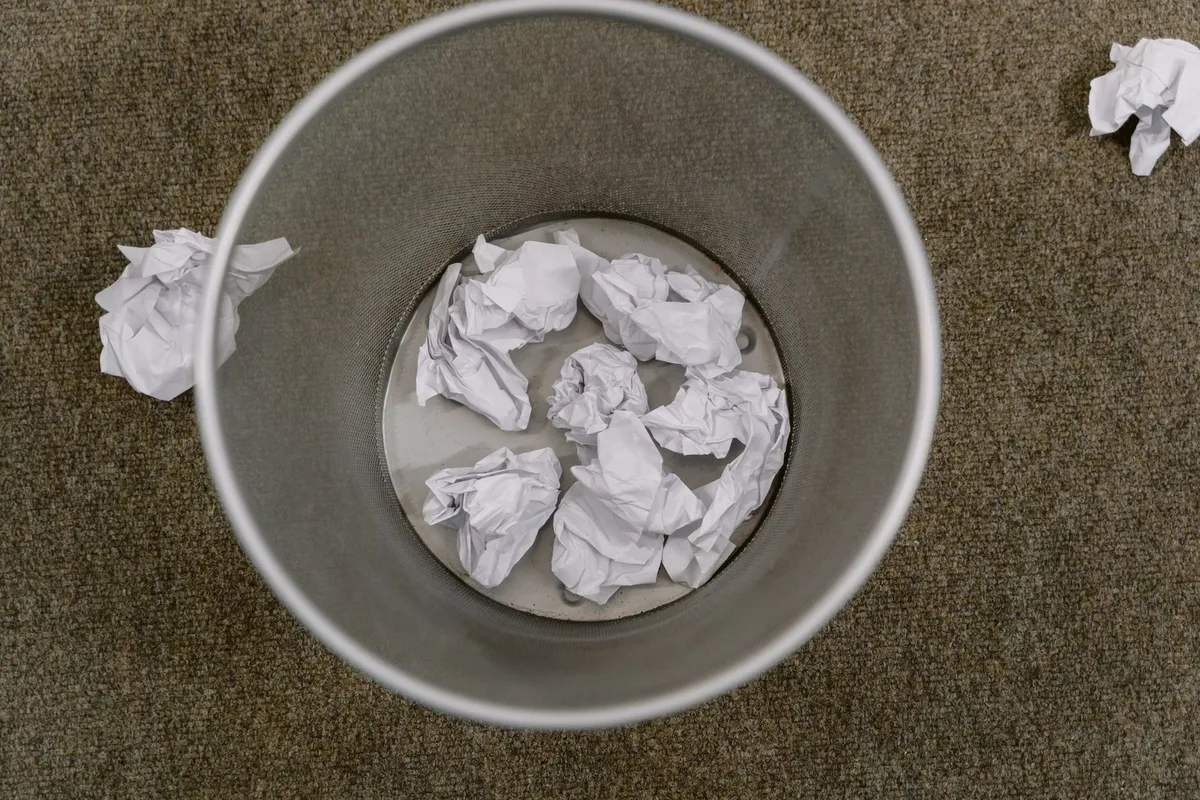
Let’s be honest. That sour, rotten wave that hits you when you open the trash can lid? It’s a bad start to any day.
You’ve tried air fresheners. You’ve tried double-bagging. Nothing sticks.
The smell always creeps back.
I’ve spent years testing every method, from baking soda bombs to bleach soaks, and I’m going to show you exactly how to make your trash can smell better for good. No gimmicks. No $30 gadgets.
Just real solutions that work.
Image source: Pexels / Tima Miroshnichenko (Pexels License)
Why Your Trash Can Stinks So Bad
First, know your enemy. A trash can isn’t just a bin. It’s a humid, dark incubator for bacteria, mold, and fungus.
Every time you toss food scraps, you add fuel. Microbes feast. They break down organic matter and release volatile compounds, the stuff that smells like rotten eggs, rancid fat, or sour milk.
Even if you take out the bag, those microbes cling to the interior surface. The plastic or metal stays warm. Moisture from leaking bags or wet scraps creates a biofilm.
That’s the invisible slimy layer laughing at your Febreze spray.
The longer you ignore the can itself, the worse it gets. A clean bag in a dirty can is like a fresh pillowcase on a moldy mattress. You need to attack both the source and the surface.
Daily Habits That Stop Odors Before They Start
Prevention is ten times easier than scrubbing. Build these three habits into your routine, and you’ll cut odor at the root.
Rinse Before You Toss
That empty tuna can? Rinse it. The yogurt container with a spoonful left inside?
Rinse it. Liquid residue is the #1 cause of trash can stink. Water alone won’t do it, use a quick spray of diluted white vinegar (1:1 with water) over wet items before they go in.
I keep a small spray bottle under the sink. One spritz on any messy waste, and the acidity neutralizes the breakdown process. The vinegar smell evaporates within seconds.
Squeeze Out the Air
Bags trap air pockets. Those pockets let moisture condense inside the liner. Before you tie the bag, push all the air out.
A flat bag creates less surface area for mold to colonize. It also stops the “balloon effect” that pushes trash up against the lid.
Use a Lid Liner (Seriously)
Most people skip this, but it’s a game-changer. A paper towel or a thin reusable cloth liner placed under the lid absorbs condensation and catches drips from the lid’s underside. You just swap it out every few days.
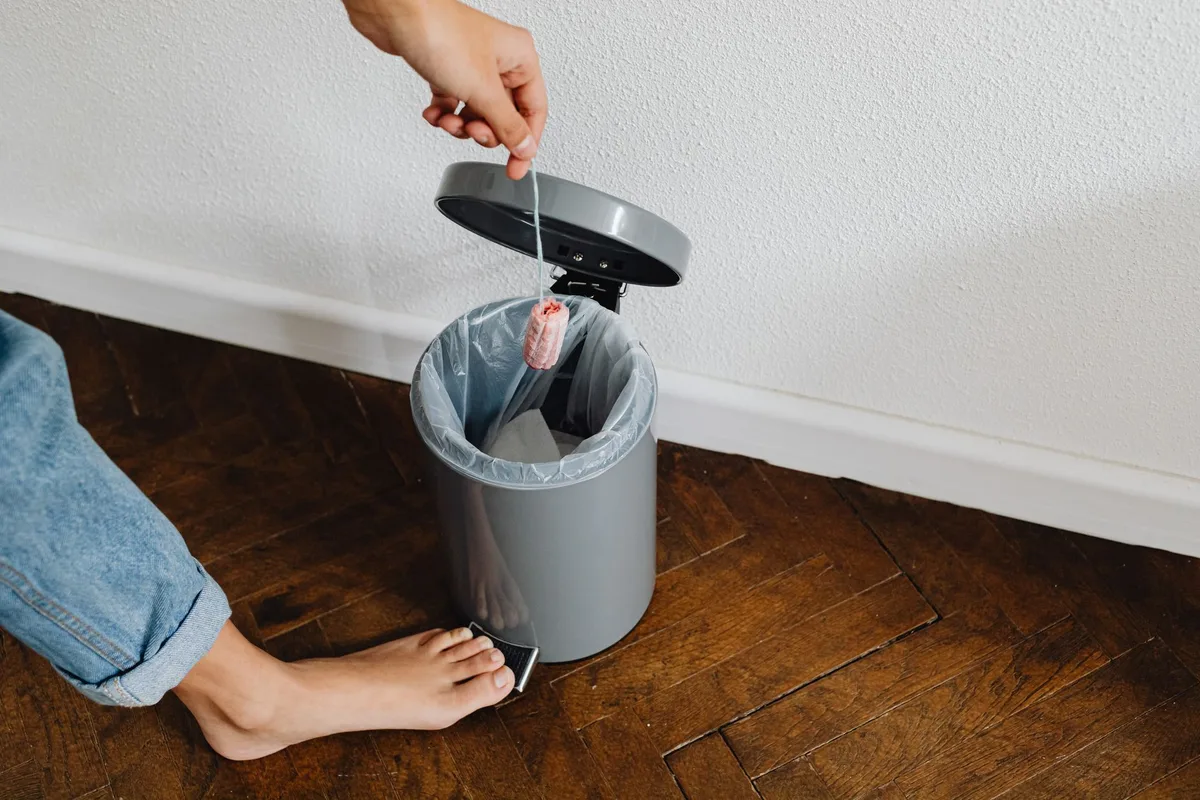
Image source: Pexels / www.kaboompics.com (Pexels License)
Deep Clean Your Trash Can (The Right Way)
You need to deep clean the can itself, not just the bag, at least once a month. If you notice a smell even with a fresh bag, it’s time.
Here’s my exact method:
Empty and spray. Take the can outside. Hose down the interior to remove loose debris. Then spray the entire inside with a 50/50 mix of white vinegar and warm water. Vinegar kills most odor-causing bacteria without the harsh fumes of bleach.
Scrub with baking soda. Sprinkle a generous layer of baking soda over the wet vinegar. The fizzy reaction lifts grime. Use a stiff-bristled brush, one you never use for dishes, to scrub every crevice, the rim, and the lid seams.
Let it sit for 10 minutes. Give the baking soda time to deodorize. It’s a mild alkali that neutralizes both acidic and alkaline smells. Fact: baking soda works as a buffer, pulling odor molecules out of the plastic.
Rinse and dry. Rinse with a garden hose. Then dry the can completely before you put a new bag in. I leave it upside down in the sun for an hour. Sunlight is a natural UV disinfectant. No sun? Use a microfiber cloth to wipe it dry. Moisture equals odor.
For stainless steel cans, skip the vinegar if you have a sensitive coating, use dish soap and water instead. But for most plastic bins, vinegar is safe and cheap.
Pro tip: Once a year, do a bleach soak (1 cup bleach per gallon of water) to kill deep-set mold. Bleach is harsh but necessary if you see black spots. Always rinse thoroughly afterward.
Natural Deodorizers That Actually Work
You’ve probably tried sticking a dryer sheet in the bottom. It masks the smell for about two hours. Then it smells like floral rot.
Real deodorizers absorb or neutralize, not just cover.
Baking Soda (The King)
Image source: Pexels / Zafer Erdoğan (Pexels License)
Sprinkle a thin layer of baking soda across the bottom of the trash can under the bag. I use about ¼ cup. It absorbs moisture and odors passively.
Replace it every time you change the bag. Cost? Pennies.
If you want extra power, mix baking soda with a few drops of tea tree oil. Tea tree is antimicrobial. Together they form a barrier against the microbes that cause smell.
Activated Charcoal
Charcoal is porous. It traps odor molecules physically. Buy a small mesh bag of activated charcoal (sold for aquarium filters) and toss it in the can.
It lasts about three months. You can recharge it in direct sunlight for a day.
Coffee Grounds
Used coffee grounds have a double effect. The coarse texture absorbs moisture. The strong coffee scent masks without clashing.
Let the grounds dry on a tray first (wet grounds can mold), then spread them at the bottom. Replace every week.
Citrus Peels + Salt
Drop a few dried lemon or orange peels into the bottom of the bag. Add a tablespoon of coarse salt. The salt draws out moisture; the citrus oils break down grease.
It won’t work miracles on a week-old fish delivery, but for everyday kitchen trash it’s solid.
Commercial Products vs. DIY: Which Is Better?
I’ve tested dozens of store-bought odor eliminators. The truth: most are overpriced and underperforming. Sprays with “enzyme” labels often contain mostly water and fragrance.
Gel beads release synthetic perfumes that clash with garbage smells, think lavender over rotting cabbage.
The two commercial products I actually recommend:
- Charcoal-based deodorizer packs (like Moso Natural). No fragrance, just absorption. They work for up to two years. One pack in your trash can and one in the garage can. Worth the $20.
- Trash can cleaning tablets (like Affresh). Drop one in a can full of water and let it fizz. It breaks down the biofilm. Use it every six weeks if you don’t want to scrub.
DIY beats commercial for routine maintenance. It’s cheaper, non-toxic, and you control the ingredients. Commercial wins for those “I don’t have time to scrub” moments.
For reference, the Centers for Disease Control and Prevention recommends cleaning and disinfecting high-touch surfaces, including trash can lids, regularly to reduce germ spread. Their cleaning guidelines emphasize that you don’t need harsh chemicals, soap, water, and regular disinfecting work fine.
When to Just Replace the Can
Sometimes a clean just isn’t enough. Plastic gets scratched over time. Those microscopic scratches trap organic material that no amount of scrubbing can reach.
After two or three years of heavy use, throw it out.
Here’s how to know it’s time:
- The plastic has a permanent yellow or brown stain that won’t fade.
- You smell something even after a deep clean with bleach.
- The lid doesn’t seal properly (gaps let smells escape).
- There’s a crack or hole where liquid can leak into the outer layer.
Replace with a heavy-duty, smooth-walled plastic can. Avoid ribbed or textured interiors, they’re impossible to clean. Stainless steel is best if you can afford it; steel doesn’t absorb odors the way plastic does.
Seasonal Tips: Summer vs. Winter Trash Can Odors
Summer: Heat accelerates bacterial growth. Double your deodorizer doses. Take out the trash every other day, not every three days.
Freeze food scraps that would rot quickly (like chicken bones) and toss them in the trash only on collection day.
Winter: Cold slows bacterial activity, but humidity from rain and snow seeps into bags. Wipe the can’s exterior after bringing it back from the curb. Use a waterproof liner, those cheap grocery bags leak easily.
If you use a compost bin, winter is the time it gets especially stinky. Add a layer of sawdust or shredded newspaper to absorb moisture.
Frequently Asked Questions
How often should I clean my trash can?
At minimum, once a month. If you toss raw meat or seafood regularly, every two weeks. Spray with vinegar after each bag change as a quick refresh.
Can I use bleach every time?
No. Bleach is corrosive to plastic over time. Use it only for periodic deep sanitization (every 3, 4 months).
For weekly cleaning, stick to vinegar and baking soda.
Does the size of the can matter?
Yes. A huge 50-gallon can holds more trash, but it also holds more air and moisture. Odors accumulate slower, but they also get stronger because there’s more surface area for bacteria.
For kitchen use, a 13-gallon can is the sweet spot, easy to clean, easy to lift.
Final Word
Making your trash can smell better isn’t complicated. It’s about consistency. Rinse your waste.
Use baking soda. Clean the can itself. Replace it when it’s worn out.
That’s the whole system.
I’ve been using this exact routine for years. My kitchen trash can smells like nothing, literally nothing. No lemon.
No bleach. No smell at all. That’s the goal.
A trash can that does its job without announcing itself.
Try the vinegar and baking soda deep clean this weekend. You’ll feel the difference the moment you open the lid the next day. And once you get in the habit, you’ll never go back to masking sprays.
Your nose, and everyone who walks into your kitchen, will thank you.


Similar Posts