How to Organize Bags in Closet
I’ve seen more than a few closets that look like a handbag war zone. Bags stacked sideways, straps tangled, dust settling on neglected totes. If yours is one of them, you’re not alone.
The good news? Organizing bags in a closet isn’t complicated. It just takes a system that matches how you actually use them.
In this guide, I’ll walk you through every step, from sorting your collection to choosing the right storage, keeping your bags in shape, and making sure the system lasts. No filler, no fluff. Just practical solutions that work.
Why Bag Organization Matters
Let’s be honest: a pile of bags on the closet floor does more than annoy you. It wrecks the bags. Leather gets crushed.
Straps kink. Dust and light fade the finish. And every time you need a specific bag, you have to dig through a heap, which means you’ll probably end up grabbing the same one on top.
Organizing your bags serves three real purposes:
- Protection. Proper storage prevents creases, color transfer, and structural damage. That $200 tote or your favorite vintage clutch lasts years longer.
- Accessibility. When every bag has a designated home, you grab what you need in ten seconds, not ten minutes.
- Space efficiency. A well-planned system can double your storage capacity without buying a bigger closet.
The National Association of Productivity and Organizing Professionals (NAPO) emphasizes that “the right storage approach reduces decision fatigue and protects your investment.” Their members see firsthand how a chaotic bag collection drains time and money. You don’t have to be a pro organizer to fix it.
Assess Your Bag Collection First
Before you buy a single storage bin or hook, you need to know exactly what you’re working with. Pull every bag out of your closet. I mean every single one, including the beach totes stuffed in the garage, the gym bag behind the door, and that dusty backpack you haven’t touched since 2019.
Lay everything on a clean surface. Now sort into three piles:
- Keepers, bags you use regularly (at least once a month). These need prime, easy-to-reach spots.
- Occasional, bags you use a few times a year (formal clutches, travel bags, seasonal styles). They can live in harder-to-reach zones.
- Release, bags that are damaged beyond repair, out of style, or that you simply never grab. Donate, sell, or trash them.
I always recommend being ruthless. If you haven’t used a bag in the past twelve months, it’s taking up precious real estate. Let it go.
You’ll free up space for the bags you actually love.
Once you have your keepers and occasional bags, group them by type: totes, crossbodies, clutches, backpacks, duffels. This grouping will drive your storage decisions.
Choose the Right Storage Solutions
Now the fun part, picking the hardware. The key is matching the storage style to the bag type and the closet architecture. Here’s what I’ve found works best for each scenario.
Shelves and Cubbies
If you have a reach-in closet with adjustable shelves, clear acrylic shelf dividers are your best friend. They keep bags upright and prevent them from dominoing into a heap. For deeper shelves, use shelf risers to create a second layer for smaller clutches or pouches.
For walk-in closets, consider adding custom cubbies. A 12-inch cube can hold one medium tote or two smaller crossbodies placed side by side. Cubbies are especially good for occasional bags because you can stack them vertically without crushing anything.
Hooks and Hangers
Sturdy hooks on the inside of closet doors or on a rod work great for bags with handles or long straps. Just make sure the hook is padded or covered in felt; bare metal can leave pressure marks on leather.
For bags that you use daily, I prefer over-the-door hanging organizers with individual pockets. They’re a lifesaver in small closets. One organizer can hold up to eight small to medium bags.
The downside? They can get crowded. Stick to lightweight bags (crossbodies, clutches, small backpacks) and avoid stuffing heavy totes that will pull the organizer off the door.
Clear Bins and Boxes
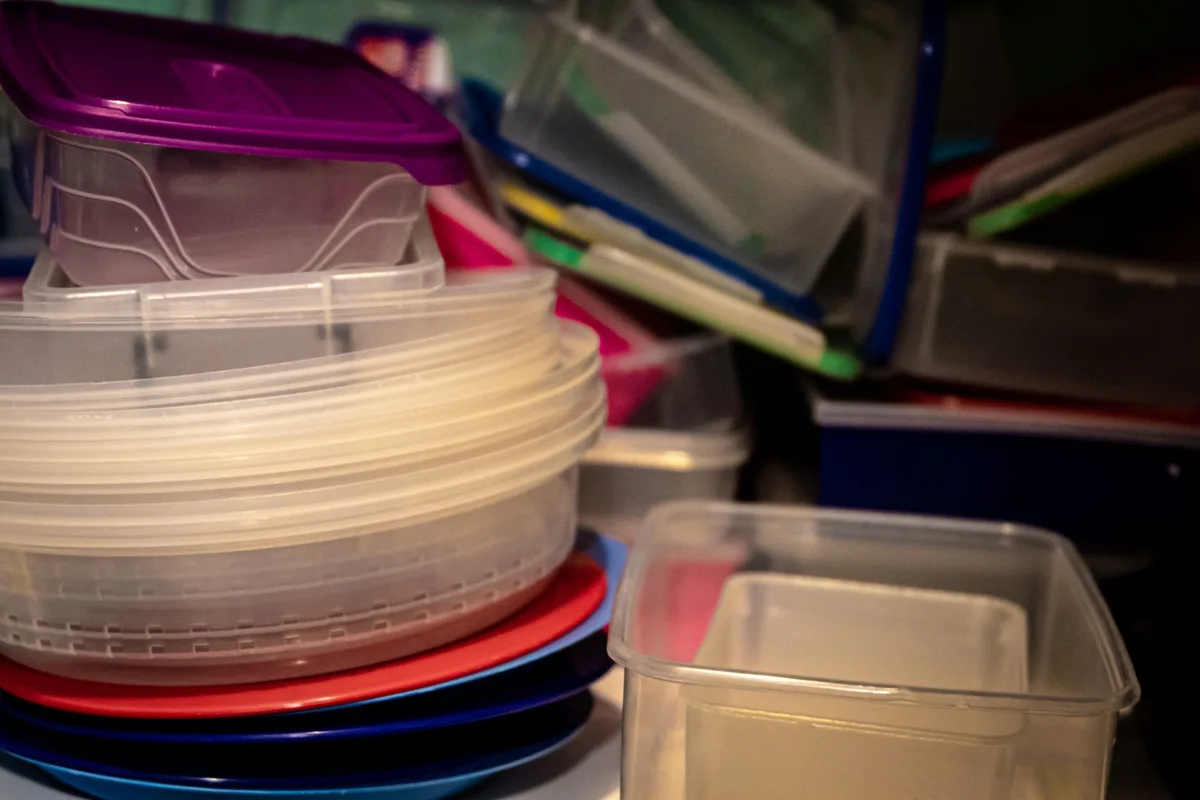
For the occasional or seasonal bags, clear storage bins are the gold standard. You can see what’s inside without digging. Choose bins that are deep enough to hold the bag without squishing it, and wide enough that you don’t have to fold the handles inside (folding creates creases).
Airtight boxes are great for leather bags because they block dust and humidity. But never store leather in plastic for long periods without breathable fabric; trapped moisture can cause mold. Use acid-free tissue paper to stuff the bags so they hold their shape, then place them in the bin with the dust bag (if you have one) loosely covering them.
Tension Rod and Vertical Storage
If your closet has extra space above the rod, install a second tension rod or a shelf specifically for bags. Place small clutches and wristlets on the tension rod using S-hooks. For taller boots or backpacks, vertical storage on a dedicated shoe rack or a boot shelf works well.
Organize Your Bags
You’ve sorted your collection and chosen your storage tools. Now it’s time to actually place the bags.
Start with the Most-Used Zone
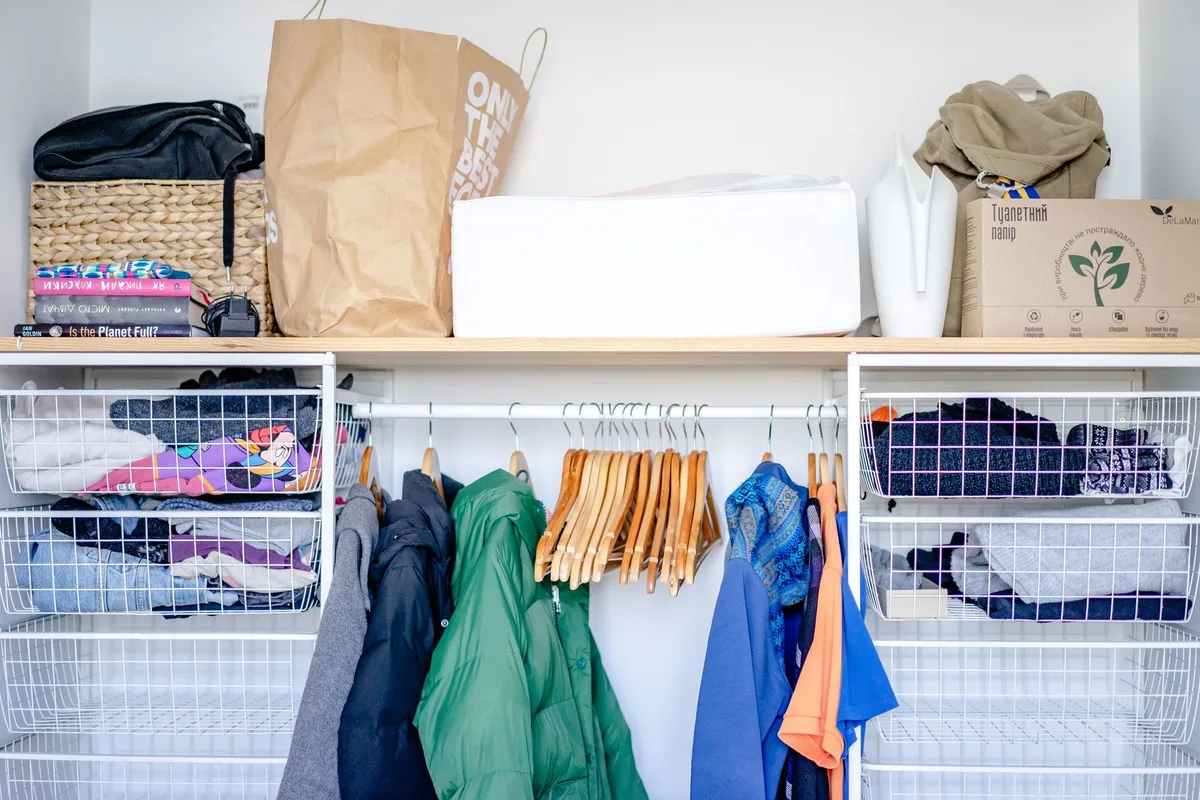
The prime zone is at eye level, usually the middle shelf of a reach-in or the most accessible section of a walk-in. This is where your daily keepers live. Arrange them handle-out, so you can grab and go.
If you have multiple totes, stand them in a row with the largest at the back and smaller ones in front. For crossbody bags, hang them from hooks or drape them over a padded hanger.
I like to keep a small “outfit bag” area, a designated spot for the bag I’m using today. When I come home, I put the day’s bag back in its home and pick tomorrow’s. That simple habit keeps the system from devolving into chaos.
Group by Occasion
Within your keeper zone, cluster bags by use case. For instance:
- Work totes and laptop bags together
- Casual crossbodies and weekenders
- Evening clutches and date-night bags
This way you don’t have to scan the whole collection when you’re in a rush. You know exactly which section to reach for.
Store Seasonal Bags Away
Bags you only use during certain seasons (straw totes in summer, heavy leather satchels in winter) go higher up or lower down, basically, the less accessible spots. Use clear bins labeled by season. If you have a tall closet, a sturdy step stool is worth every penny for accessing the top shelf.
The “One In, One Out” Rule
This isn’t just a mantra. It’s a boundary. When you buy a new bag, one old bag has to leave.
That keeps your collection at a manageable size. I keep a small bin in my closet labeled “Donate” and toss in any bag I haven’t used in six months. When the bin fills up, it goes to the thrift store.
Tips for Long-Term Care
Organizing bags isn’t a one-and-done project. You need to maintain both the system and the bags themselves. Here are the maintenance habits that actually matter.
Condition Leather Regularly
Leather bags need moisture, especially if you store them in a dry climate. Use a leather conditioner every three to four months, following the manufacturer’s instructions. Never use saddle soap on delicate finishes.
And always test on a hidden area first.
Stuff Bags to Keep Shape
Empty bags collapse and develop creases. Stuff each bag with acid-free tissue paper or clean, dry cloths. Avoid newspaper; the ink can transfer.
For structured bags like tote handles, use rolled-up T-shirts or small pillows to maintain the shape.
Keep Hardware Clean
Metal zippers, clasps, and rivets can tarnish. Wipe them with a soft cloth after each use. For stubborn tarnish, use a gentle metal polish designed for jewelry.
Never let moisture sit on hardware, especially if it’s brass or nickel.
Rotate Your Collection
Even your favorite bag needs a break. Rotating bags reduces wear on straps, handles, and seams. If you have ten bags, aim to use each one at least every two months.
That spreads the stress evenly and lets you catch any damage early.
Protect from Sun and Humidity
Direct sunlight fades colors, and high humidity encourages mold. Store bags away from windows and vents. If you live in a humid area, consider a small dehumidifier in your closet or silica gel packs inside the bins.
Just keep the silica packs from touching the bag directly.
Maintain the System
The biggest mistake I see is people set up a beautiful organization system and then forget about it. Within a week, bags start piling up on the floor again. Here’s how to keep the peace.
Weekly Reset
Take five minutes every Sunday to return any stray bag to its designated home. Check that the daily bag zone is still tidy. If something is out of place, fix it immediately.
That tiny weekly habit prevents the system from breaking down.
Seasonal Deep Clean
Twice a year, I usually do spring and fall, pull everything out again. Vacuum the shelves and bins. Wipe down any dust or spills.
Reassess your collection: are there bags you haven’t touched since the last deep clean? If so, it’s time to let them go.
Adjust as Your Collection Changes
Your bag needs will evolve. A new job might mean more totes; a new lifestyle might mean more backpacks. Don’t be afraid to tweak the system.
Move the prime zone if your most-used bag changes shape. Swap out bins if you need more vertical space.
Involve the Whole Closet
Bag organization works best when it integrates with the rest of your closet. If your shoes and clothes are chaotic, the bag system will feel like a lonely island. Spend a few minutes organizing adjacent areas; your daily routine will feel smoother overall.
For more detailed strategies on closet layout and shelving, the University of Minnesota Extension offers practical guidance on maximizing storage in small spaces. Their research-based approach aligns with what I’ve found in real-world closets.
Final Thoughts on Organizing Bags in Closet
A well-organized bag collection doesn’t require a massive walk-in or a custom designer. It requires three things: honesty about what you actually use, storage that protects your bags, and a simple habit of putting things back.
Start by sorting your bags. Choose the right shelves, hooks, or bins. Group them by how often you use them.
And maintain the system with a weekly reset. That’s it. No complex rules, no expensive gadgets.
Your bags are an investment in style, function, and sometimes sentiment. Give them a home that treats them right. And when you open that closet door every morning, you’ll see a tidy, ready collection.
That feeling is worth the hour it takes to set it up.
Now go clear that pile off the floor. You’ll thank yourself next time you’re running late.


Similar Posts