How to Store Shoes in Closet
I’ve spent years helping people turn chaotic closets into calm, functional spaces. And the one thing I keep coming back to? Shoes.
They’re the biggest clutter culprit in most closets. You’ve got sneakers, loafers, heels, boots, sandals, and somehow they all end up in a pile by the door or shoved onto a shelf that collapses under the weight.
But here’s the good news: learning how to store shoes in a closet isn’t complicated. It just takes a little planning and the right approach. In this guide, I’ll walk you through every step, from assessing your space and picking the right storage to keeping your shoes protected and accessible.
No fluff, no filler. Just practical, tested advice.
Image source: Pexels / Curtis Adams (Pexels License)
Why Smart Shoe Storage Matters
You might think shoe storage is just about tidiness. It’s more than that. Proper storage extends the life of your shoes.
It saves you time in the morning when you’re scrambling to find a matching pair. And it protects your closet from dust, odors, and even pests.
When you store shoes correctly, you’re also protecting your investment. A quality pair of leather boots or running shoes can cost hundreds of dollars. Leaving them stacked on the floor or jammed into a bin crushes the shape, damages the material, and invites moisture damage.
The American Podiatric Medical Association (APMA) recommends keeping shoes in a cool, dry place and avoiding direct sunlight or heat sources. That’s exactly what a well-organized closet provides, if you do it right.
Assess Your Closet Space Before You Buy Anything
Before you buy a single storage bin or rack, take a hard look at your closet. I’ve seen people rush out and buy a over-the-door organizer only to find it doesn’t fit their doors or their boots.
Measure everything. Height, width, depth of the floor space. Also measure the height of each shelf. Standard closet shelves are about 12 inches deep, but many are shallower.
That matters for shoe boxes and boot racks.
Identify your shoe types. Count your pairs. Separate them by category: everyday sneakers, work shoes, dress shoes, boots, sandals, specialty shoes (like hiking boots or heels). Each category has different storage needs.
Check the floor. Is it level? Is there a heat vent or radiator that could dry out leather? Avoid placing shoes directly on concrete in basements, moisture wicks up.
Look at the door. Can you hang an over-the-door organizer without blocking the door swing? Some closets have sliding doors, which don’t allow over-the-door storage.
Once you’ve done this assessment, you’ll know exactly what you’re working with. That’s the foundation for every decision that follows.
Choose the Right Shoe Storage Solutions
Now comes the fun part, picking the actual storage system. There’s no one-size-fits-all answer. It depends on your closet layout, your shoe collection, and your budget.
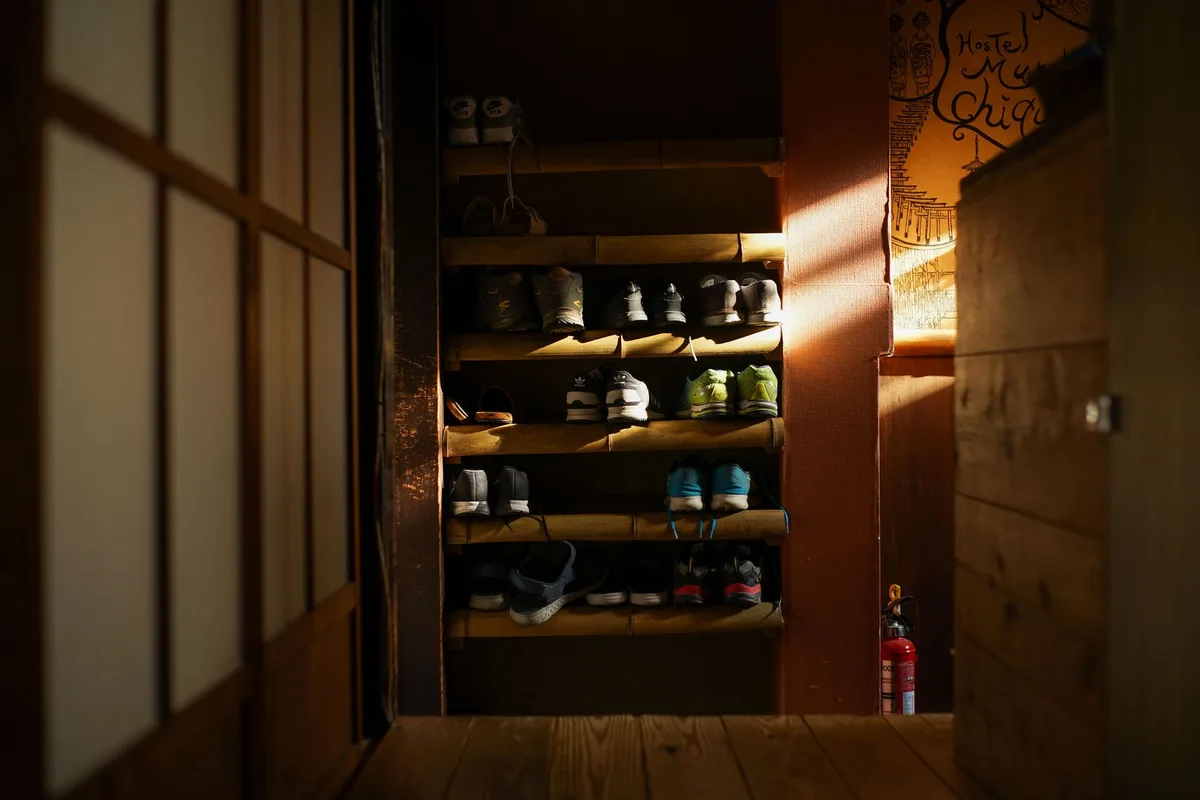
Image source: Pexels / Ngeow Shen Sin (Pexels License)
1. Shoe racks and shelves
These are the most common solution. You can get freestanding racks, stackable shelves, or built-in units. Look for sturdy materials, metal or solid wood, not flimsy wire that sags under heavy boots.
Best for: Frequent-use shoes, sneakers, loafers, flats.
Pros: Easy access, visible, no bending required for lower shelves.
Cons: Takes up floor space, not ideal for tall boots or delicate heels.
2. Over-the-door organizers
These hang on the back of the closet door. They come in clear pockets, fabric pockets, or metal baskets. They’re great for small closets with no floor space.
Best for: Lightweight shoes like sandals, flip-flops, kids’ shoes.
Pros: Uses wasted vertical space, easy to install, inexpensive.
Cons: Not for heavy boots, can warp door over time, limited capacity.
3. Hanging shoe bags
These are fabric bags with multiple compartments that hang from a closet rod. They’re like a vertical drawer.
Best for: Seasonal shoes, heels, flats, or shoes you don’t wear daily.
Pros: Keeps shoes dust-free, saves floor space, portable.
Cons: Can be tricky to access, not ideal for bulky shoes, bags can get heavy on the rod.
4. Under-bed shoe storage
If your closet is tiny, under-bed storage is a lifesaver. Use flat bins, rolling drawers, or specialized shoe boxes that slide under the bed frame.
Best for: Off-season shoes, rarely worn pairs, bulkier items like boots.
Pros: Out of sight, frees up closet space, protects from dust.
Cons: Requires bending or kneeling, not daily-access friendly.
5. Shoe cubbies and modular systems
These are custom or semi-custom units with individual cubbies. You can stack them, add drawers, or build them into a closet system.
Best for: Large collections, families with multiple people.
Pros: Extremely organized, each pair has its own spot, scalable.
Cons: Expensive, takes up significant floor space, needs assembly.
6. Open shelf risers
These are small plastic or metal risers that sit on an existing shelf, doubling the shelf height so you can store two rows of shoes.
Best for: Closets with fixed shelves, maximizing vertical space.
Pros: Inexpensive, easy to install, works with most shelf sizes.
Cons: Not as sturdy for heavy boots, can tip if not level.
Organize by Frequency of Use
This is the single most important rule of shoe storage. Organize your shoes by how often you wear them. It’s the same principle that works for kitchen cabinets and dresser drawers, but most people ignore it with shoes.
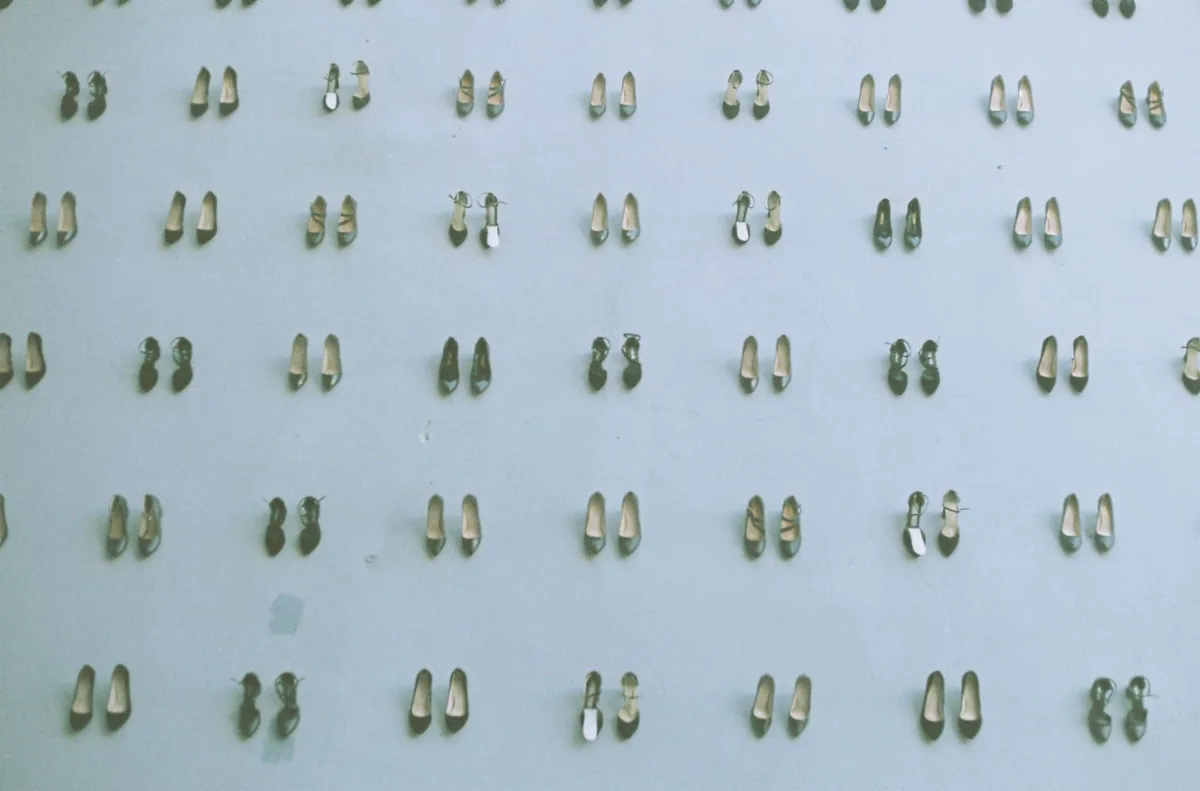
Image source: Pexels / Oguz Kagan Cevik (Pexels License)
Everyday shoes, the ones you grab at least three times a week, go in the most accessible spots. This means the bottom shelf at eye level, or the front of the rack, or the floor by the door. No shuffling through boxes.
Weekly shoes, work shoes, date-night heels, weekend sneakers, go on the next shelf down or in the middle of the rack.
Occasional shoes, formal wear, hiking boots, rain boots, go higher up, on the top shelf, or in storage bins.
Seasonal shoes, winter boots, summer sandals, snow boots, go into under-bed storage or high shelves. Rotate them out as the seasons change.
I recommend grouping pairs together. Don’t mix left and right shoes randomly. Keep each pair side by side or stacked together.
That way you can grab and go.
Protect Your Shoes
Storage isn’t just about placement. It’s about preservation. Here’s how to protect your shoes while they’re stored.
Clean before storing. Dirt, salt, and sweat break down materials over time. Wipe down leather with a damp cloth, brush suede, and air out sneakers. Let them dry completely before putting them away.
Use shoe trees. Wooden shoe trees maintain the shape of leather shoes and absorb moisture. They’re a game-changer for dress shoes and boots. For sneakers, you can use tissue paper or inexpensive plastic shoe shapers.
Keep them dry. Never store damp shoes. If you’ve worn them in the rain, stuff them with newspaper and let them dry away from direct heat. Moisture in a closed closet leads to mildew and odor.
Add cedar blocks or sachets. Cedar repels moths and absorbs moisture. It also keeps the closet smelling fresh. Lavender sachets work too, but avoid strong synthetic fragrances that can transfer to the leather.
Use shoe bags for delicate pairs. Satin, patent leather, or suede shoes should go in individual cloth bags. This prevents scuffs and scratches from rubbing against other shoes.
Rotate your shoes. Even if you love a pair, don’t wear them two days in a row. Let them rest at least 24 hours to air out and regain shape. That’s why having a rotation system works.
Seasonal Rotation: Keep Your Closet Lean
You don’t need all your shoes accessible year-round. Seasonal rotation is the secret to a clutter-free closet.
Twice a year, do a full swap. In spring, move winter boots, snow shoes, and insulated boots to storage. Bring out sandals, sneakers, and lightweight loafers. In fall, reverse the process.
Store off-season shoes properly. Clean them first. Use shoe trees or stuffing. Place them in clear plastic bins with lids.
Label the bins “Winter Boots” or “Summer Sandals.” Stack them on the top shelf or under the bed.
Don’t forget to condition leather. Before storing leather boots for the season, apply a leather conditioner. This prevents cracking during the months they’re not being worn.
Check your off-season shoes before the next season. When you pull them out, inspect for damage, mold, or pests. It’s easier to fix a problem early than to find a ruined pair when you need them.
Maximize Vertical Space
Most closets have wasted vertical space. The floor is used, maybe one shelf, but the area above that shelf is often empty. Here’s how to use it.
Install a second rod. If your closet has a single rod, consider adding a second rod below it (for shorter shoes like flats and sneakers). That doubles your hanging shoe storage instantly.
Use stacking shoe racks. Many racks are designed to stack on top of each other. You can stack two or three high, as long as the lower rack is stable.
Hang shoe bags on the back of the door. That’s pure vertical space you’re not using otherwise.
Use tension rods for boots. A tension rod installed horizontally near the top of the closet can hold boots by the shaft. You can hang them upside down from the rod using clips or simply drape the boots over the rod. This keeps the boots upright and saves floor space.
Add a shelf above the door. Yes, even above the door frame. That’s prime real estate for boxes of off-season shoes.
Maintain Accessibility
An organized closet is useless if you can’t access your shoes easily. I’ve seen beautiful setups where the owner has to move a pile of boxes to get to a single pair. Don’t let that happen.
Keep the most-used shoes at waist height or below. Your daily sneakers should be at foot level. Your office heels should be at hip level. Rarely used shoes should be above shoulder height.
Use clear containers. If you use boxes, make them clear or label them with the shoe type and size. No guessing.
Avoid deep stacking. Don’t stack more than two shoeboxes high. You’ll never want to pull the bottom one out.
Leave a gap. If you’re using a shoe rack, don’t cram every pair in. Leave a little breathing room. That makes it easier to slide a pair out without knocking over the whole rack.
Consider a pull-out drawer for the floor. These are great for sneakers and sandals. You can pull the drawer out, see everything, and grab a pair without bending down into a dark corner.
Common Mistakes to Avoid
I’ve made every mistake in the book. Here’s what not to do.
Storing shoes in plastic bags. Plastic traps moisture. Shoes can develop mold or mildew. Use breathable cloth bags or open air.
Piling shoes on top of each other. That crushes the shoes on the bottom. Boots lose their shape, sneakers get flattened, and heels can snap.
Overloading a shelf. A shelf that’s too heavy will sag or break. Stick to the weight limit. Spread shoes across multiple shelves.
Ignoring odor. If you store smelly shoes, that smell spreads to the entire closet. Use baking soda sachets or cedar blocks. Better yet, clean the shoes thoroughly before storing.
Not rotating shoes. Wearing the same pair every day ruins them. Rotate. Your shoes will last twice as long.
Buying storage before measuring. I can’t stress this enough. Measure first. Then buy.
The number one complaint I hear is “I bought this shoe rack and it doesn’t fit.”
Frequently Asked Questions
How many pairs of shoes should I keep in my closet?
There’s no magic number. But a good rule: if you can’t store them all neatly without stacking on the floor, you have too many. Aim for a collection that fits your storage system comfortably.
Should I keep shoes in their original boxes?
Original boxes are fine if you label them clearly. But they’re not ideal for daily access because you have to open and close them. Better to use clear plastic bins or open shelving for everyday shoes.
Can I store shoes in a garage or attic?
Not recommended. Extreme temperatures and humidity damage shoes. Leather dries out and cracks.
Sneakers can warp. A climate-controlled closet is best.
How do I store high heels?
Keep heels upright. Don’t pile them on their side. Use a hanging shoe bag with compartments designed for heels, or a shelf with a lip to prevent them from falling.
How do I store boots without them sagging?
Use boot shapers or stuff them with rolled-up magazines. Store them upright on a boot rack or hang them from a tension rod.
How often should I clean my shoe storage?
Wipe down shelves and bins every three months. Vacuum the closet floor. This prevents dust buildup and keeps everything fresh.
Final Thoughts
Storing shoes in a closet doesn’t have to be a headache. It’s about working with your space, choosing the right storage, and being consistent. Start with a clean-out.
Measure your closet. Decide on a system that fits your lifestyle. Then commit to the rotation and maintenance.
I’ve seen people transform a “shoe explosion” into a serene, organized closet in a single weekend. It’s one of the most satisfying home organization projects you can do. Your shoes will last longer, your mornings will be simpler, and your closet will finally feel like a sanctuary instead of a storage dump.
Take the first step today. Grab a tape measure, pull out all your shoes, and start sorting. You’ve got this.


Similar Posts