How to Pick a Toilet Seat for Kids
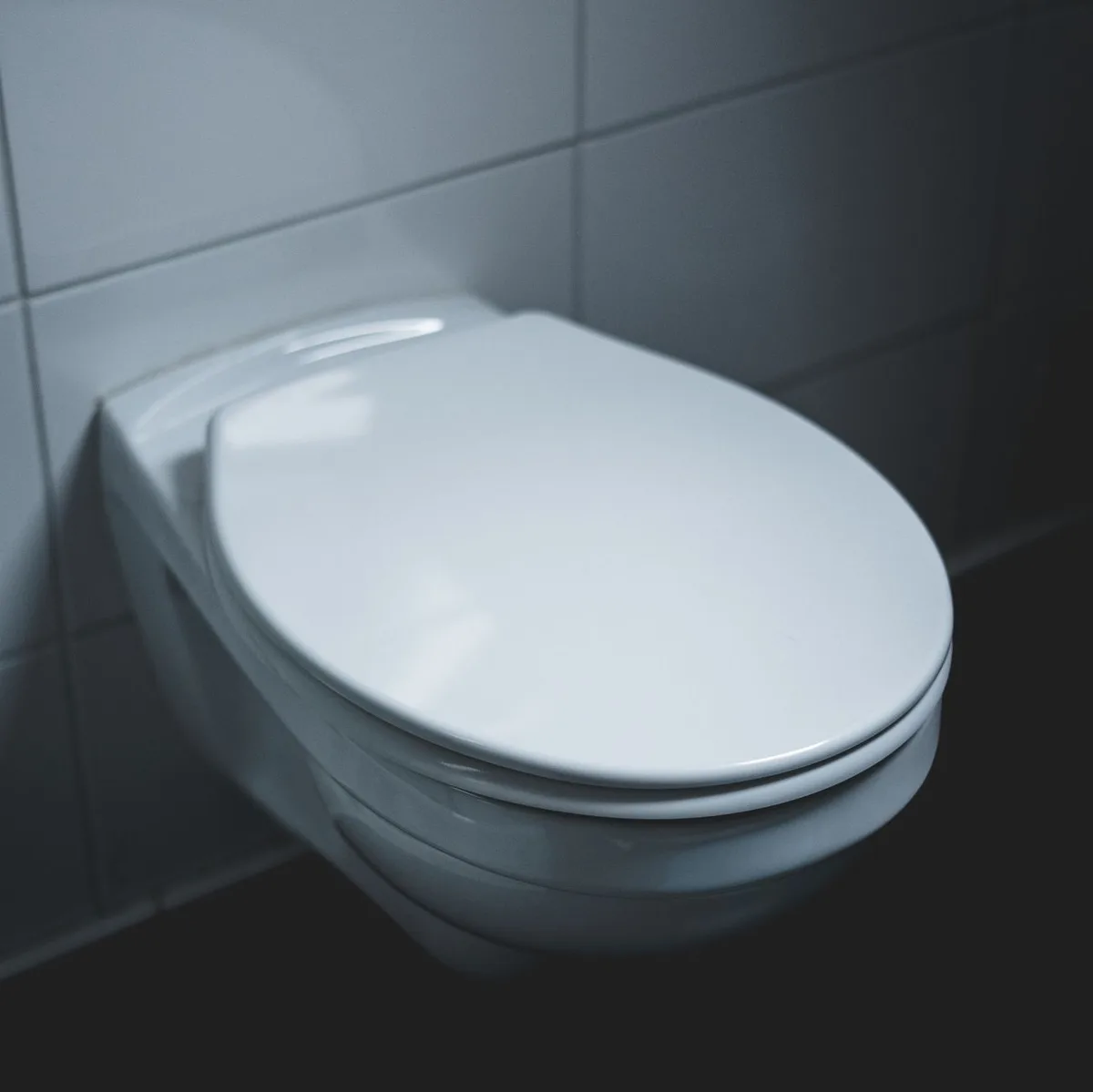
Potty training is a huge milestone! It’s a journey filled with excitement, a few inevitable accidents, and the need for the right tools. One of the most important tools?
A kid-friendly toilet seat. Picking the perfect one can make all the difference. It needs to be comfortable, safe, and easy for your child to use.
Let’s dive into how to choose the best toilet seat for your child. We’ll cover everything from materials to special features.
Why a Special Toilet Seat Matters
Standard adult toilet seats aren’t designed for small children. They’re too big, too hard, and can feel intimidating. A specialized child toilet seat offers comfort and confidence.
It bridges the gap between a potty chair and a regular toilet. This makes the transition smoother for both of you.
A well-chosen seat helps your child feel secure. It prevents them from sliding off. It also makes them feel more independent.
They can get on and off themselves. This is a big confidence booster during potty training.
Key Features to Look For
When you’re shopping for a toddler toilet seat, certain features stand out. These are the things that make a real difference in daily use and potty training success.
Size and Fit
This is the most crucial factor. The seat must fit snugly on your adult toilet. It shouldn’t wobble or slide.
Many toddler seats are designed to fit most standard toilets.
Check the dimensions before you buy. Look for seats with a rounded interior that matches your toilet bowl shape. Some seats have adjustable mounts to ensure a secure fit.
A loose seat is a safety hazard. It can make your child feel unsteady, leading to fear.
Comfort and Ergonomics
Comfort is king for little ones. A seat that’s too hard or cold can be off-putting. Many kid-friendly seats are made of soft, molded plastic or have a padded vinyl cushion.
Consider the shape. Does it support your child’s body well? Some seats have a contoured design.
This offers better support and prevents them from leaning too far forward or backward. The goal is to make sitting on the toilet a pleasant experience.
Safety First: No Slips or Pinching
Safety is non-negotiable. You want a seat that’s stable and won’t pinch little fingers.
Non-slip grips are essential. These keep the seat from moving around during use. Most good quality toddler seats have rubberized feet or grippers on the underside.
Splash guards are another important safety feature, especially for boys. They help direct urine into the bowl, preventing messes.
Look for seats with smooth edges. Avoid any that have sharp points or could easily trap little fingers. Some seats have a “no-pinch” design for the lid.
This is a nice safety touch.
Ease of Cleaning
Potty training can get messy. You’ll be cleaning this seat often. So, choose one that’s easy to wipe down.
Smooth, non-porous materials are best. Plastic is generally the easiest to clean. Avoid seats with too many nooks and crannies where bacteria can hide.
Look for seats where the lid, if present, opens and closes easily. Some seats are designed to be removed entirely for thorough cleaning. That’s a huge plus.
You can find good options that are simple to sanitize.
Durability and Material
You want a seat that will last. Kids can be tough on things! Most toddler toilet seats are made from durable plastic.
Look for sturdy, BPA-free plastic. This ensures it’s safe for your child and tough enough to withstand daily use. Check reviews for comments on how well the seat holds up over time.
Lid and Standalone Options
There are two main types of kid-friendly toilet seats:
- Standalone Seats: These are full, self-contained seats that rest on top of your adult toilet seat. They often have their own integrated lid. They are typically very stable and easy for kids to use.
- Seat Inserts/Toppers: These are smaller rings that you place over your existing toilet seat. They offer a smaller opening for your child. They are usually more portable and take up less space.
Consider which type best suits your needs. Standalone seats can be more comfortable and secure. Seat inserts are great for travel or smaller bathrooms.
Image source: Pexels / Jonas Thomann (Pexels License)
Types of Toddler Toilet Seats Explained
Let’s dig a little deeper into the different styles available. Understanding these options will help you narrow down your choices.
The Classic Padded Seat
This is a popular choice for good reason. Padded seats offer a soft, comfortable surface. They often feature a built-in splash guard and non-slip handles.
Pros:
- Very comfortable for little bottoms.
- Often have fun colors and designs that appeal to kids.
- Stable and secure on the toilet.
Cons:
- Can be harder to clean thoroughly if the padding is thick.
- May take up more space than a simple insert.
The Contoured Plastic Seat
These seats are molded plastic, often with an ergonomic design. They provide good support and are very easy to wipe clean.
Pros:
- Super easy to sanitize.
- Durable and long-lasting.
- Often have a good splash guard integrated.
Cons:
- Can feel a bit hard compared to padded options.
- Less cushioning means they might not be as immediately appealing to some children.
The Two-in-One Toilet Trainer
Some innovative seats are designed to grow with your child. These often combine a toddler seat with a standard seat. They might have a removable training ring.
Pros:
- Versatile, works for toddlers and older children.
- Can be a cost-effective solution in the long run.
- Reduces the need to buy multiple items.
Cons:
- Can be bulkier than simpler options.
- The transition between modes might not always be seamless.
The Simple Ring Insert
These are the most basic and portable options. They are essentially a smaller ring that fits over your existing toilet seat.
Pros:
- Extremely portable, great for travel or using at different locations.
- Minimal storage space needed.
- Very inexpensive.
Cons:
- Can be less stable than full seats.
- May not have a splash guard.
- Less comfortable for longer sitting periods.
Essential Considerations for Potty Training Success
Beyond the seat itself, think about how it fits into the overall potty training experience.
Color and Design
Kids are drawn to bright colors and fun characters. A toilet seat with a design your child loves can make using the toilet more appealing. Think about characters from their favorite shows or animals.
However, don’t let the design be the only factor. A cute seat that’s uncomfortable or unsafe isn’t a good choice. Balance aesthetics with functionality.
Ease of Transfer
Can your child easily get on and off the seat independently? For younger toddlers, this might mean looking for seats with sturdy handles or a low profile. As they get older and more confident, this becomes less of a concern.
Storage
Where will you keep the seat when it’s not in use? Some seats are designed to hang on the side of the toilet or a hook. Others are more compact and can be stored in a cabinet.
If bathroom space is limited, a smaller insert might be ideal.
Lid Functionality
Does the seat have its own lid? This can be handy for keeping the seat clean between uses. It also adds an element of familiarity for children who are used to a lid on their potty chair.
Ensure the lid is easy for your child to open and close.
Step-by-Step Guide to Picking the Perfect Seat
Let’s break down the decision-making process.
Step 1: Assess Your Toilet
- Shape: Is your toilet bowl round or elongated? Most toddler seats fit round bowls, but some accommodate elongated ones. Measure your existing seat to be sure.
- Space: How much space do you have around the toilet? A larger standalone seat might feel cramped in a tiny bathroom.
Step 2: Consider Your Child’s Age and Size
- Younger Toddlers: Prioritize stability, comfort, and ease of use. Handles are a big plus.
- Older Toddlers: They might be more focused on independence. A seat they can manage themselves is key.
Step 3: Identify Must-Have Features
- Safety: Non-slip grips, smooth edges, and a good splash guard are crucial.
- Comfort: Padded seats are great, but well-contoured plastic can also be comfortable.
- Cleanliness: Easy-to-wipe surfaces are a lifesaver for parents.
Step 4: Read Reviews
Once you’ve narrowed down your options, dive into reviews. See what other parents say about durability, stability, and ease of cleaning. Look for common complaints or praises.
This real-world feedback is invaluable.
Step 5: Compare Prices
Toddler toilet seats range in price. You don’t always need to buy the most expensive option. Focus on the features that matter most for your child and your household.
A good quality, functional seat can be found at various price points.
Popular Material Types
The materials used in toilet seats play a big role in comfort, durability, and cleaning.
Plastic
- Pros: Lightweight, affordable, easy to clean, comes in many colors and designs. BPA-free options are widely available.
- Cons: Can feel hard and cold, some cheaper plastics can crack over time.
- Best For: Most situations, especially when ease of cleaning is a top priority.
Padded Vinyl/Cushioned
- Pros: Very comfortable, soft, and warm.
- Cons: Can be harder to clean thoroughly, may harbor bacteria if not maintained.
- Best For: Children who are particularly sensitive to cold or hard surfaces, or for longer potty sitting times.
Mixed Materials
Some seats combine plastic frames with cushioned seating areas. This can offer a good balance of comfort and cleanability.
Troubleshooting Common Issues
Sometimes, even the best seat can present minor challenges.
Wobbly Seat
If your seat feels wobbly, double-check the installation. Ensure all mounting hardware is tightened correctly. Some seats have adjustable feet that need to be set on a stable surface.
If it’s a ring insert, ensure it’s seated properly on the underlying adult seat.
Child Refuses to Use It
This is common! Don’t force it. Try a different seat design if comfort is an issue.
Make it fun! Read books about potty training. Praise every step, even just sitting on the seat.
A seat with a favorite character might help.
Cleaning Difficulties
For padded seats, use a mild soap and water solution and a soft cloth. Avoid abrasive cleaners that can damage the material. For stubborn spots, a gentle disinfectant wipe can be used.
Ensure the seat is thoroughly dry before replacing it on the toilet. You might consider a solid plastic option if cleaning becomes a major ongoing chore. Regularly cleaning your main vacuum filter also supports a hygienic home environment.
How Often Should You Replace Vacuum Filter
Toilet Seats for Different Needs
Beyond standard potty training, consider these specialized scenarios.
Travel Toilet Seats
These are designed for portability. They are usually compact, foldable, and lightweight. Many come with a carrying bag.
They’re perfect for road trips, visiting grandma, or public restrooms. Look for ones that are easy to sanitize on the go.
Integrated Toilet Seats
Some potty chairs have built-in seats designed for their specific potty base. These are great for very young children or those who need extra support. However, they are not adaptable to a standard toilet.
Seats with Steps
Many toddler seats come with an integrated step stool or are designed to be used with a separate step. This allows children to climb up to the seat themselves, boosting independence. Ensure the step is wide, stable, and non-slip.
For cleaner floors, consider how you choose vacuum for hardwood floor to manage mess.
Setting Up the Seat
Installation is usually straightforward. Most kids’ toilet seats simply rest on top of your existing toilet seat.
- Clean the adult toilet seat first. This ensures a clean surface for the toddler seat.
- Position the toddler seat. Place it squarely on the adult seat.
- Check for stability. Gently press down on the toddler seat. It should not wobble or slide. If it has adjustable mounts, tighten them according to the manufacturer’s instructions.
- Introduce it to your child. Let them explore it.
For seats that are more integrated or have specific locking mechanisms, follow the manufacturer’s guide precisely. A properly installed seat is crucial for safety.
Making the Transition Enjoyable
Potty training is a marathon, not a sprint. The right toilet seat is a key piece of equipment, but so is your patience and encouragement.
- Make it a positive experience. Celebrate successes, no matter how small.
- Involve your child. Let them choose a seat with a color or character they like, if possible.
- Be consistent. Stick to a routine.
- Don’t dwell on accidents. Clean them up and move on.
A comfortable and secure toilet seat can be the foundation for a successful potty-training journey. By considering the features, materials, and your child’s specific needs, you can pick a seat that makes this big step a little easier for everyone. And that’s a win-win situation for you and your little one!


Similar Posts