How to Whiten a Stained Porcelain Bathroom Sink
A pristine porcelain bathroom sink can really elevate your space. But over time, even the most well-maintained sinks can fall victim to stubborn stains. Yellowish discoloration, soap scum buildup, and rust marks can make your sink look far from its best.
Don’t worry, though! Restoring its sparkling white finish is absolutely achievable. We’ll walk you through several effective methods to tackle those common porcelain sink stains, bringing back that clean, bright look you love.
Porcelain’s non-porous surface is generally durable and easy to clean, but certain substances and a lack of regular maintenance can lead to persistent marks. These aren’t usually signs of damage to the porcelain itself, but rather surface-level issues that usually respond well to targeted cleaning. Understanding what causes these stains can also help prevent them in the future, making your cleaning routine much easier.
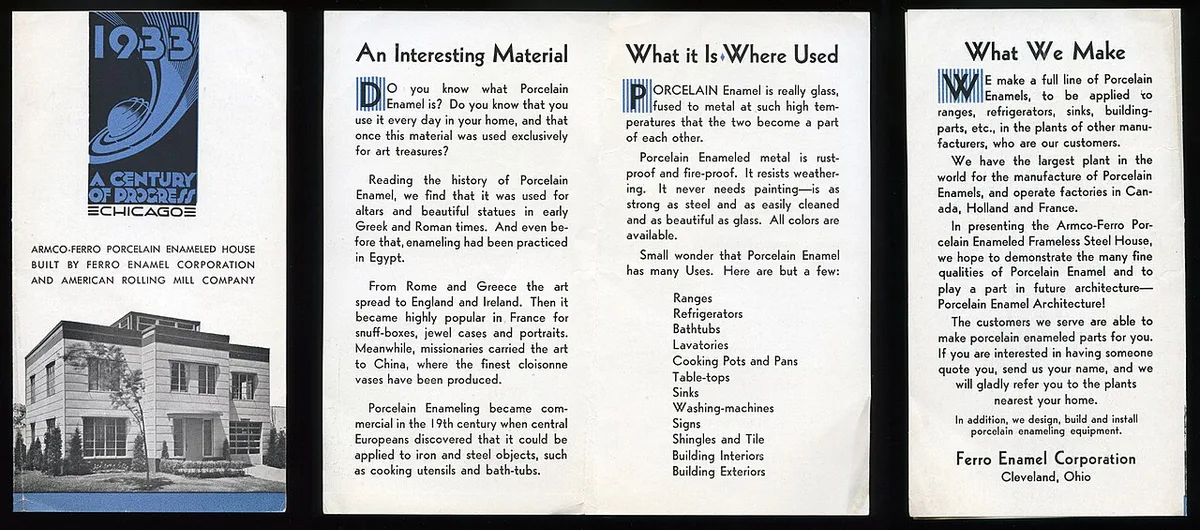
Image source: Wikimedia Commons / Steve Shook from Moscow, Idaho, USA (CC BY)
We’ll cover everything from gentle DIY solutions to more robust cleaning agents, ensuring you have options for different types of stains and levels of severity. We’ll also touch on preventative measures to keep your sink looking its whitest for longer. Let’s get your bathroom sink looking shipshape!
Understanding Porcelain Sink Stains
Before we dive into the cleaning methods, it’s helpful to know what’s causing those unsightly marks. Most common stains on porcelain sinks fall into a few categories:
- Hard Water Stains: These are typically whitish or chalky deposits left behind when water with a high mineral content evaporates. They can appear as rings or a general dullness.
- Soap Scum: A combination of soap, body oils, and minerals from the water, soap scum forms a greasy, often yellowish or greyish film.
- Rust Stains: Often caused by metal cans or razors left in the sink, these are reddish-brown marks.
- Dye Stains: Permanent markers, hair dye, or even certain foods can leave colored marks that seem impossible to lift.
- General Discoloration: Over time, exposure to certain cleaning products or just general use can lead to a yellowish tint that isn’t easily scrubbed away.
The good news is that porcelain is quite resilient. These stains are typically superficial and don’t penetrate the glaze of the porcelain. This means with the right approach, you can lift them without causing damage.
Gentle, Everyday Solutions for Mild Stains
For light stains or regular maintenance, we can start with some common household items. These methods are less abrasive and are a good first step before moving to stronger cleaners.
Baking Soda Paste
Baking soda is a fantastic mild abrasive and deodorizer. It’s perfect for lifting light grime and surface marks without scratching your porcelain.
- Mix the Paste: In a small bowl, combine baking soda with just enough water to form a thick paste. Aim for a consistency similar to toothpaste.
- Apply: Spread the paste generously over the stained areas of the sink. For tougher spots, you can let it sit for 10-15 minutes.
- Scrub Gently: Use a soft cloth, sponge, or a soft-bristled brush to gently scrub the paste into the stains. Work in small circles.
- Rinse:Rinse the sink thoroughly with warm water.
- Wipe Dry: Dry the sink with a clean cloth to prevent water spots and admire your work.
This method is excellent for everyday brightening and can handle many mild discoloration issues. It’s also a great way to tackle light soap scum.
Dish Soap and Warm Water
Sometimes, all it takes is a good old-fashioned scrub with some dish soap.
- Prepare: Pour a generous amount of liquid dish soap into the sink.
- Add Warm Water: Fill the sink halfway with warm water.
- Soak (Optional): For tougher buildup, let the sink soak for about 30 minutes.
- Scrub: Use a soft sponge or cloth to scrub the entire sink, paying attention to stained areas.
- Rinse and Dry: Drain the sink, rinse thoroughly with clean water, and dry with a soft towel.
This is your go-to for general cleaning and will help prevent soap scum from becoming a major issue if done regularly.
Tackling Tougher Stains with Common Household Items
When baking soda and dish soap aren’t quite cutting it, we can step it up a notch with a few more potent, yet still common, household items.
Vinegar Power
White vinegar is acidic and excellent at breaking down mineral deposits, hard water spots, and soap scum.
- Soak with Vinegar: For widespread hard water stains, pour undiluted white vinegar directly into the sink. For targeted spots, soak paper towels in vinegar and lay them over the stains.
- Dwell Time: Let the vinegar sit for at least 30 minutes, or even a few hours for very stubborn stains.
- Scrub: Remove the paper towels (if used) and scrub the sink with a soft brush or cloth.
- Rinse and Neutralize: Rinse the sink thoroughly with water. You might notice a slight vinegar smell, which will dissipate. To neutralize any lingering acidity and further clean, you can do a quick rinse with baking soda and water, then rinse again with plain water.
- Dry: Buff dry with a soft cloth.
Caution: While vinegar is safe for most porcelain, avoid letting it sit for days on end, and never mix it with bleach, as this can create dangerous fumes.
Hydrogen Peroxide for Whitening
Hydrogen peroxide (3%) is a mild bleaching agent that can effectively whiten discolored porcelain without being too harsh. It’s particularly good for yellowing and general dinginess.
- Apply: Soak cotton balls or paper towels in 3% hydrogen peroxide and place them over the stained areas of the sink.
- Wait: Let them sit for at least an hour, or even longer for deeper stains.
- Scrub and Rinse: Gently scrub the area with a soft cloth or sponge, then rinse the sink thoroughly with water.
- Dry: Wipe dry with a clean towel.
This is a fantastic, gentle alternative to chlorine bleach for many stains.
Lemon Juice and Salt Scrub
The citric acid in lemon juice combined with the abrasive nature of salt makes for a surprisingly effective stain remover, particularly for metal marks and general discoloration.
- Create the Scrub: Sprinkle a generous amount of salt into the stained areas. Squeeze fresh lemon juice over the salt, creating a paste.
- Let it Sit: Allow the paste to work on the stains for about 20-30 minutes.
- Scrub: Gently scrub the area with a soft cloth or sponge. The salt will act as a mild abrasive.
- Rinse and Dry: Rinse the sink thoroughly with warm water and then dry with a soft cloth.
This natural method leaves your sink smelling fresh, too!
Dealing with Stubborn Stains: Stronger Solutions
For those truly stubborn stains that resist everyday and mild treatments, we can turn to more potent cleaners. Always use these with caution and good ventilation.
Bar Keepers Friend
Bar Keepers Friend is a highly recommended cleaner for many surfaces, including porcelain. Its oxalic acid content makes it particularly effective against rust, mineral deposits, and tough grime. It comes in powder and liquid forms; the powder is generally preferred for tougher jobs.
- Wet the Surface: Lightly wet the stained areas of your sink.
- Sprinkle Powder: Sprinkle a small amount of Bar Keepers Friend powder onto the wet surface, focusing on the stains.
- Make a Paste: Add a little more water to create a paste.
- Scrub: Use a damp, soft cloth or sponge to gently scrub the stained areas. Avoid aggressive scrubbing, as even this cleaner can be abrasive if used too roughly.
- Rinse Thoroughly: This is crucial. Rinse the sink multiple times with plenty of water to ensure all residue is gone.
- Dry: Buff dry with a soft towel.
Important: Always test Bar Keepers Friend on an inconspicuous area first, and wear gloves to protect your skin. Never mix it with other cleaning products. You can find detailed usage instructions from the manufacturer’s official site: https://www.barkeepersfriend.com/
Bleach (Use with Extreme Caution)
Chlorine bleach is a powerful whitener and disinfectant. However, it should be a last resort for porcelain sinks due to its harshness and potential for damage if used improperly. It’s most effective on organic stains and general yellowing.
- Ventilate: Open windows and turn on the exhaust fan. Bleach fumes can be dangerous.
- Dilute: Never use bleach undiluted on porcelain. Mix about 1/4 cup of chlorine bleach with 1 gallon of water.
- Apply (Carefully): You can apply the diluted solution with a sponge or cloth. For targeted spots, you can soak paper towels in the diluted solution and place them on the stains.
- Short Dwell Time: Let the solution sit for no more than 10-15 minutes. Do not let it dry on the surface.
- Rinse Extensively: Rinse the sink thoroughly with plain water, multiple times, to remove all traces of bleach.
- Neutralize (Optional but Recommended): After rinsing, you can do a final rinse with a solution of 1 part vinegar to 10 parts water, then rinse again with plain water. This helps neutralize any residual bleach.
- Dry: Wipe dry with a clean cloth.
Critical Warnings:
- NEVER mix bleach with ammonia or any other cleaners. This can create toxic gases.
- Wear gloves and eye protection.
- Avoid prolonged contact.
- Do not use on cracked or damaged porcelain.
- If you have a septic system, use bleach sparingly.
Commercial Porcelain Cleaners
There are many specialized commercial cleaners designed for bathroom fixtures. Look for products specifically labeled for porcelain and stained sinks. Always follow the manufacturer’s instructions carefully, wear gloves, and ensure good ventilation.
Products containing sodium hypochlorite (a form of bleach), sodium hydroxide, or other strong cleaning agents will be most effective for tough stains, but also require the most care.
Tackling Specific Stubborn Stains
Here’s how to target some of the most common culprits:
Removing Rust Stains
Rust is tough, but not impossible. The acidity of lemon juice, vinegar, or Bar Keepers Friend works well here.
- Lemon Juice & Salt: As described above, this natural scrub can lift light rust.
- Bar Keepers Friend: This is often the go-to for rust. Make a paste, apply, let sit for a few minutes, then scrub gently and rinse thoroughly.
- Commercial Rust Removers: For very deep rust stains, you might need a dedicated rust remover. Look for ones safe for porcelain and follow instructions precisely.
Erasing Hair Dye Stains
Hair dye can be incredibly tenacious.
- Baking Soda Paste: Try a thick baking soda and water paste first, letting it sit for a good 30 minutes before scrubbing.
- Hydrogen Peroxide: For lighter dyes, hydrogen peroxide can work wonders. Apply soaked cotton balls and let them sit for an hour or more.
- Bar Keepers Friend: This is often effective on dye stains.
- Rubbing Alcohol: For very fresh dye stains, rubbing alcohol applied to a cotton ball can sometimes lift them. Test a small area first.
Dealing with Scuff Marks and Metal Marks
These are usually superficial and can often be removed with a mild abrasive.
- Magic Eraser: A melamine foam sponge (like a Magic Eraser) is surprisingly effective at lifting scuff marks from many surfaces, including porcelain. Use with gentle pressure and follow up with a rinse.
- Baking Soda: A baking soda paste will often buff these out.
- Toothpaste (Non-Gel): The mild abrasive in regular white toothpaste can sometimes polish away scuff marks. Apply a bit, scrub with a soft cloth, rinse, and dry.
- Lemon Juice & Salt: As mentioned, this can also help with metal marks from razors or cans.
Preventative Measures: Keeping Your Sink White
The best way to deal with stains is to prevent them from happening in the first place. Here are some tips to keep your porcelain sink sparkling:
- Wipe Down Regularly: After each use, a quick wipe down with a damp cloth can prevent soap scum and water spots from building up. Follow with a dry buffing.
- Address Spills Immediately: Clean up any spills from hair dye, makeup, or colorful liquids as soon as they happen.
- Use a Sink Mat or Liner: For areas where you frequently place metal cans or razors, a small mat or sink liner can prevent rust and scuff marks.
- Rinse Away Residue: Make sure to rinse away all soap and toothpaste residue after brushing your teeth or washing your hands.
- Deal with Hard Water: If you have hard water, consider a water softener for your home. In the meantime, regular cleaning with a vinegar solution can help manage mineral buildup.
- Avoid Abrasive Scrubbers: While some stains require a bit of scrubbing, avoid steel wool or overly harsh scouring pads that can scratch the porcelain glaze, making it more susceptible to staining in the future.
- Proper Cleaning Product Usage: Always read the labels of cleaning products. Use only what is recommended for porcelain. Regularly changing the filter in your vacuum cleaner can also contribute to a cleaner home overall, reducing the dust and grime that can settle in bathrooms: [https://apleasanthome.com/how-often-should-you-replace-vacuum-filter/](https://apleasanthome.com/how-often-should-


Similar Posts