How to Wire Wall Sconces in Series
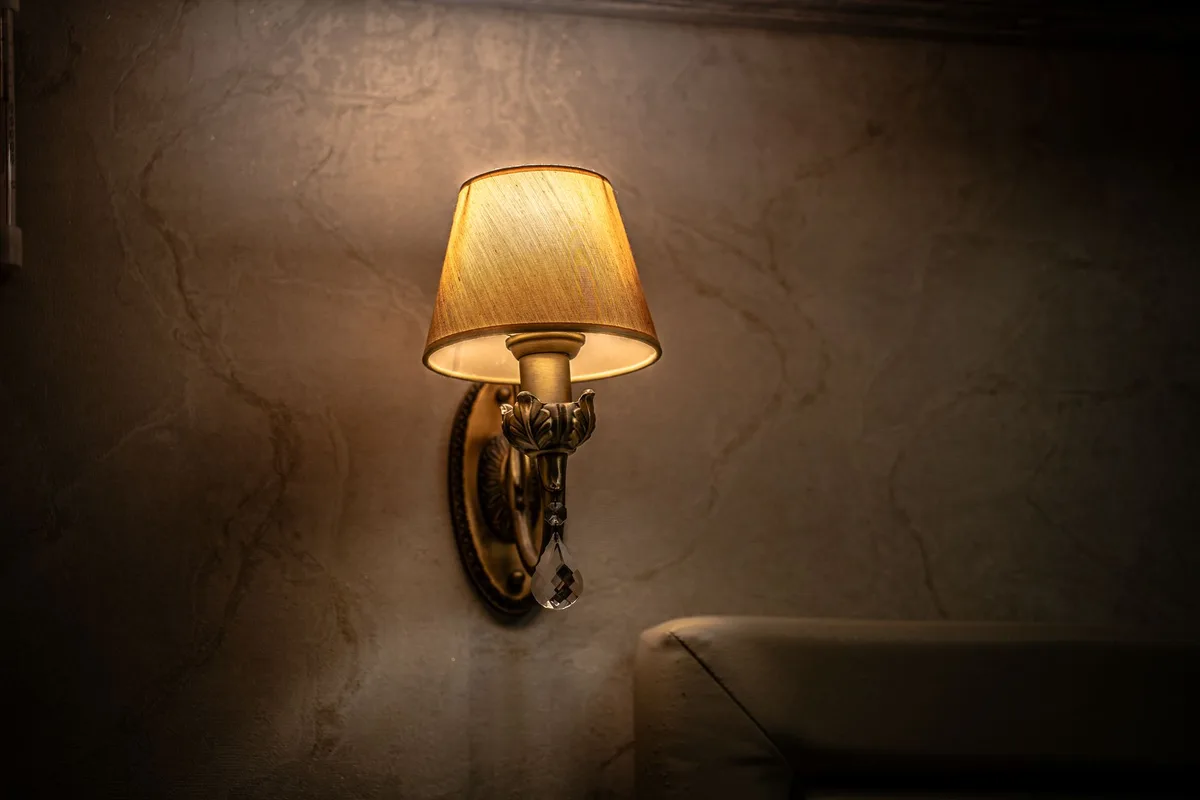
Illuminating your home with wall sconces adds a touch of elegance and ambiance. But what if you want more than one sconce controlled by a single switch, creating a cohesive lighting effect? Wiring wall sconces in series is the answer.
It’s a common setup, especially for aligning multiple fixtures down a hallway or accentuating architectural features. While it might sound daunting, with the right knowledge and a healthy dose of caution, you can tackle this project yourself.
This guide will walk you through everything you need to know about wiring wall sconces in series. We’ll cover the fundamental electrical principles, the tools and materials you’ll need, a step-by-step wiring process, and crucial safety considerations. Our aim is to provide the most comprehensive, authoritative resource available online, ensuring you can wire your sconces confidently and correctly.
We’ll address potential pitfalls, common mistakes, and even touch on variations that might arise depending on your specific setup.
Image source: Pexels / Александр (Pexels License)
Understanding Series vs. Parallel Wiring for Sconces
Before we dive into the nitty-gritty of wiring, it’s essential to grasp the difference between series and parallel wiring, as this directly impacts how your sconces will function.
What is Series Wiring?
In a series circuit, components are connected end-to-end, forming a single path for the electrical current to flow. Imagine a string of old-fashioned Christmas lights: if one bulb burns out, the entire string goes dark. That’s a classic example of a series circuit.
When you wire wall sconces in series, the electrical current flows from the power source (your switch) to the first sconce, then through the first sconce’s internal wiring, then to the second sconce, through its wiring, and so on, until it reaches the last sconce before returning to the power source.
Key Characteristics of Series Wiring for Sconces:
- Single Path: There’s only one route for electricity.
- Current is the Same: The electrical current passing through each sconce is identical.
- Voltage Divides: The total voltage from your power source is divided among the sconces. Each sconce receives a fraction of the total voltage. This is a critical point and a major reason why series wiring is less common for multiple high-wattage household lights connected to a standard 120V or 240V circuit. Typically, this method is reserved for low-voltage applications or specific decorative lighting where bulb voltage is considered.
- If One Fails, All Fail: If a bulb in one sconce burns out or a wire connection fails, the entire circuit breaks, and all sconces will turn off.
What is Parallel Wiring?
In a parallel circuit, components are connected across each other, providing multiple paths for the electrical current. Think of modern Christmas lights or standard household outlets: if one bulb burns out, the others stay lit.
In a parallel wiring scenario for sconces, the power source branches out, with each sconce receiving the full voltage from the power source independently.
Key Characteristics of Parallel Wiring for Sconces:
- Multiple Paths: Electricity has several routes to take.
- Voltage is the Same: Each sconce receives the full voltage (e.g., 120V).
- Current Divides: The total current from the power source is divided among the sconces.
- If One Fails, Others Remain Lit: If a bulb in one sconce burns out, the other sconces continue to function because their circuits remain complete.
Why Choose Series Wiring (and When Not To)?
You might be wondering why you’d ever opt for series wiring if parallel wiring seems more robust. For most typical home lighting installations, parallel wiring is the standard and preferred method. This is because standard household voltage (120V or 240V) is supplied to each fixture, allowing them to operate at their intended brightness and function independently.
Series wiring for wall sconces is generally only practical and safe under specific conditions:
- Low-Voltage Lighting: If your sconces are designed for a low voltage (e.g., 12V or 24V) and you’re using a transformer to step down the household voltage, series wiring can be a viable option. In this case, the combined voltage of the bulbs in series will equal the voltage supplied by the transformer. For example, two 12V bulbs wired in series would require a 24V source.
- Decorative or Special Effect Lighting: For certain applications where the failure of one light isn’t critical, or where specific voltage division is intended.
- Integrated LED Fixtures with Specific Design: Some integrated LED sconces might be designed with internal series-parallel configurations, but this is an internal design choice by the manufacturer and not something an installer typically modifies.
Crucially, attempting to wire standard household sconces (designed for 120V or 240V) in series directly to your home’s main power is almost always incorrect, unsafe, and will result in dim or non-functional lights, and potentially damage to the fixtures or wiring. The bulbs would not receive sufficient voltage to operate correctly, and the total wattage load could exceed circuit breaker limits if not carefully calculated.
For the purpose of this guide, we will focus on the theory and practice of series wiring as it applies to situations where it might be conceptually or practically used, understanding that for most common home sconce installations, parallel wiring is the correct approach. If you’re unsure whether your sconces are designed for series wiring, or if you’re connecting to standard household voltage, assume you need parallel wiring.


Similar Posts