What is The Purpose of a Mesh Laundry Bag
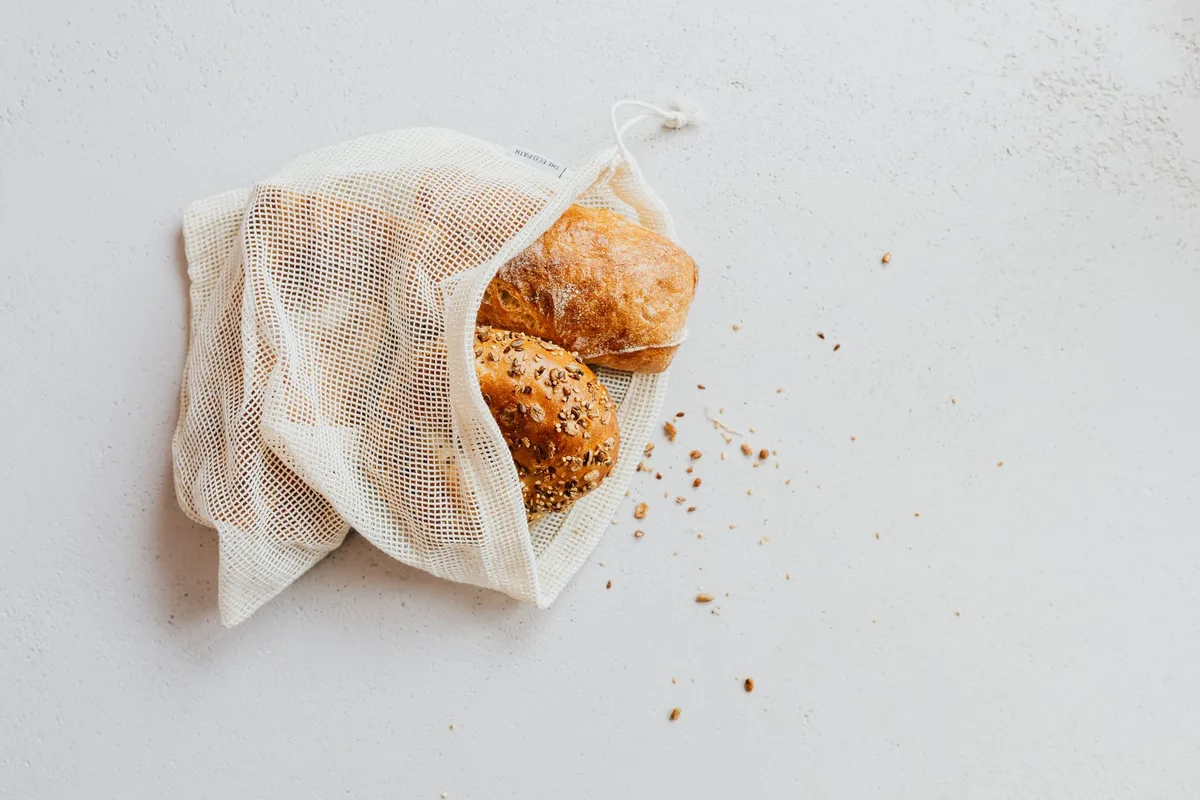
Let’s be honest: a mesh laundry bag looks like a simple piece of nylon netting with a zipper. It’s not flashy, it doesn’t have a power cord, and it costs about the same as a coffee. But if you’ve ever pulled a lace bra out of the wash with a stretched strap, or found a pair of sheer stockings that somehow turned into a tangled ball of fluff, you already know that this little bag punches way above its weight.
The purpose of a mesh laundry bag is straightforward: to protect your clothes during the wash cycle. But that one sentence doesn’t tell the whole story. These bags do a lot more than just keep things from getting lost.
They prevent snags, reduce friction, keep small items together, and extend the life of your most delicate garments. Whether you’re washing silk camisoles, baby socks, or sports bras, a mesh bag is the cheapest insurance policy your laundry room can have.
Image source: Pexels / www.kaboompics.com (Pexels License)
In this article, I’ll break down exactly what a mesh laundry bag does, why you need one (or several), and how to use them the right way. No fluff, no filler, just the straight truth about one of the most underrated laundry tools in your house.
The Primary Purpose: Protection from Mechanical Damage
When you toss a load into the washing machine, the drum doesn’t gently cradle your clothes. It spins, agitates, and rubs fabrics against each other at high speed. That friction is the enemy of delicate items.
Thin fabrics can tear, lace can snag on a zipper, and elastic can stretch out of shape.
A mesh laundry bag acts as a barrier. It contains your garment inside a soft, porous cage that cushions it against the aggressive motion of the drum. The bag itself takes the abuse, the rubbing, the twisting, the beating, while the clothes inside stay relatively still.
Think of it as a padded cell for your delicates.
That’s the core purpose. But it gets better. The mesh material is intentionally open so water and detergent can flow through freely.
Your clothes still get cleaned, but they don’t get beaten up in the process. That’s the sweet spot: clean without the carnage.
How Do Mesh Laundry Bags Protect Delicate Fabrics?
Let’s get specific. Different fabrics face different risks in the wash, and a mesh bag handles each one in its own way.
Lace, Tulle, and Sheer Fabrics
These are the most vulnerable. A single snag can turn a $50 lace bra into a cheap rag. The mesh bag prevents the fabric from catching on zippers, hooks, or rough seams of other clothes.
It also keeps the lace from tangling with itself, which can cause permanent stretching.
Silk and Satin
Silk is a protein fiber, and it’s naturally slippery. That slipperiness means it can slide around inside the drum and rub against rougher fabrics like denim. The bag keeps it in a contained space, so it only contacts the soft mesh.
That dramatically reduces friction and pilling.
Cashmere and Wool
Wool felts when it’s agitated in water. A mesh bag doesn’t stop felting entirely (that’s a function of temperature and agitation), but it does reduce the mechanical action. If you’re machine-washing a cashmere sweater, a mesh bag is essential.
It also helps keep fibers from shedding and clogging your machine’s filter.
Bras and Underwire Garments
Underwire bras are notorious for causing damage. The wire can poke through the fabric and scratch the drum, or worse, get caught in the machine’s drainage. A mesh bag keeps the bra contained, preventing the underwire from escaping.
It also stops the straps from wrapping around the agitator like a spaghetti noodle.
Image source: Pexels / alleksana (Pexels License)
So, to answer the question directly: mesh laundry bags protect delicate fabrics by creating a micro-environment that reduces friction, prevents snagging, and contains small items. Period.
Secondary Purposes That Matter Just as Much
Protection is the headline, but there are several secondary benefits that make mesh bags a must-have.
Keeping Small Items Together
Socks, baby mittens, hair ties, and even small toys can disappear in a big load. A mesh bag corrals them. You never have to play “find the missing sock” again.
This is particularly useful for people who wash multiple pairs of socks at once, throw them all in one bag, and they come out as a matched set.
Preventing Tangling
Long straps, elastic bands, and drawstrings love to wrap around everything in the drum. A mesh bag keeps them contained. No more untangling a spaghetti mess of bra straps, athletic shorts, and hoodie strings.
Reducing Lint Shedding
Some fabrics, like fleece, microfiber, and new towels, shed a lot of lint. That lint can stick to your dark clothes. When you put lint-shedding items inside a mesh bag, the bag traps most of the loose fibers.
Your other clothes stay cleaner, and your lint trap thanks you.
Organizing Laundry
If you’re a neat freak, mesh bags are a godsend. You can pre-sort your laundry by color or fabric type using different bags. Then you just toss the whole bag into the machine.
Some people even use them to separate their own clothes from their kids’ clothes. It’s a simple system, but it saves time.
Extending Garment Life
This is the big one. The longer you keep your clothes looking good, the less often you have to replace them. Mesh bags reduce wear and tear, which means your favorite pieces stay in rotation longer.
Over the course of a year, that can save you a decent amount of money. The American Cleaning Institute recommends using mesh bags for delicates to extend fabric life, and they’re the experts on how to clean things properly.
What Types of Items Should You Put in a Mesh Laundry Bag?
Not everything needs a bag. Here’s a quick practical guide.
Always Use a Bag For:
- Lingerie and bras (especially underwire)
- Stockings, tights, and pantyhose
- Silk blouses and scarves
- Lace or sheer garments
- Cashmere and wool sweaters (if machine-washing)
- Baby clothes and socks (to prevent loss)
- Activewear with delicate elastic (like sports bras with thin straps)
- Items with sequins, beads, or embroidery (to prevent snagging)
Never Use a Bag For:
- Heavy denim or jeans (they beat up the bag and reduce cleaning efficiency)
- Towels and bedding (they need full agitation to get clean)
- Bulky coats or jackets (they won’t fit, and the bag restricts water flow)
- Items that need high agitation (like heavily soiled work clothes)
Optional Use:
- Socks (if you don’t mind them being washed together, but you’ll never lose a pair)
- Stuffed animals (protects the fabric and keeps the stuffing intact)
- Swimsuits (protects the elastic and lining)
Can I Use Multiple Mesh Bags in One Wash Load?
Absolutely. In fact, it’s smart. You can separate different types of delicates into different bags.
For example, put all your bras in one bag, your silk tops in another, and your socks in a third. That way, you can run a single “delicates” cycle and protect everything at once.
Just don’t overstuff the machine. The bags need room to move around so water and detergent can reach the clothes inside. If you cram the drum full of bags, nothing gets clean.
A good rule of thumb: the bags should take up no more than half the drum’s capacity.
Image source: Pexels / RDNE Stock project (Pexels License)
How to Choose the Right Mesh Laundry Bag
Not all mesh bags are created equal. Pay attention to three things.
Mesh Size
Fine mesh (small holes) is best for lace, silk, and stockings. The smaller holes prevent snagging. Coarse mesh (larger holes) works for bras, socks, and activewear.
If you use a coarse mesh for something like a delicate lace bra, the bra can still poke through the holes and get damaged. Match the bag to the fabric.
Zipper Quality
Cheap bags have plastic zippers that break after a few washes. Look for a bag with a covered zipper, one that has a fabric flap over the zipper track. That flap prevents the zipper from scratching the machine or snagging your clothes.
Also, check that the zipper pull is sturdy. Metal zippers last longer than plastic ones.
Size and Shape
Bags come in sizes from small (8×10 inches) to large (20×24 inches). Small bags are perfect for bras and socks. Large bags can hold a sweater or multiple items.
Some bags are rectangular, some are round. Rectangular bags tend to pack better in the drum. If you’re buying just one, get a medium size (around 12×16 inches), it’s the most versatile.
Common Mistakes People Make with Mesh Laundry Bags
Even a simple tool can be misused. Here are the most common errors I see.
Overstuffing the Bag
The whole point is to give your clothes breathing room. If you cram a bag full, the clothes inside can’t move, and they won’t get clean. Worse, the bag can burst open.
Leave at least 30% empty space in the bag.
Forgetting to Zip It
Half the time, people toss a bra into a mesh bag and leave the zipper open. The bra slips out during the cycle, and you’re back to square one. Always zip it shut.
And check that the zipper is fully closed before you load the machine.
Using the Wrong Wash Cycle
A mesh bag does not make a cashmere sweater immune to a hot water heavy-duty cycle. You still need to use the gentle or delicate cycle, cold water, and low spin speed. The bag is a supplement, not a substitute.
Not Cleaning the Bag Itself
Mesh bags get dirty. Lint, hair, and detergent residue build up over time. Rinse the bag after every few uses, and wash it (empty) on a hot cycle once a month.
A dirty bag can transfer grime back onto your clothes.
How Many Mesh Bags Do You Actually Need?
One bag is better than none, but most people benefit from three or four. Here’s a practical starter set:
- Small bag (8×10 inches), for bras, underwear, socks
- Medium bag (12×16 inches), for silk tops, delicates, and small sweaters
- Large bag (20×24 inches), for cashmere sweaters, multiple items, or bulky lingerie
- Extra-fine mesh bag, for lace, stockings, and sheer fabrics (if you own them)
You can buy a set of three for under $15. That’s a small investment when you consider the cost of replacing a single damaged silk blouse.
The Hidden Benefit: Extending the Life of Your Washing Machine
This one surprises people. Mesh bags don’t just protect your clothes, they protect your machine. Small items like socks, hair ties, and bra straps can get caught in the pump or drain, causing blockages or even damaging the motor.
The mesh bag keeps those items contained, so they never have a chance to become a plumbing problem.
Some repair technicians will tell you that a clogged drain pump is one of the most common callouts for front-loading washers. A mesh bag is a cheap way to avoid that repair bill. The University of Nebraska-Lincoln Extension offers a laundry guide that mentions using mesh bags for small items to prevent machine damage, a solid tip from a trusted source.
Summary: What Is the Purpose of a Mesh Laundry Bag?
Let’s bring it all together.
The purpose of a mesh laundry bag is to protect your clothes during the washing process. It does this by reducing friction, preventing snags, and keeping small items contained. It also helps organize your laundry, reduces lint transfer, and can even extend the life of your washing machine.
But beyond the mechanical purpose, there’s a bigger idea: a mesh bag lets you wash delicate items at home that you might otherwise have to hand-wash or dry-clean. That saves you time, money, and hassle. For anyone who cares about their wardrobe, and their sanity, a mesh laundry bag is not a luxury.
It’s a necessity.
So next time you’re doing laundry, grab a bag. Zip it up. And let the machine do the heavy lifting while your clothes stay safe.
That’s the whole purpose, plain and simple.


Similar Posts