Can Air Purifier Remove Odors

Let me get straight to the point: yes, air purifiers can remove odors, but only if you buy the right type. Not every air purifier on the market handles smells the same way. Some are practically useless against odors, while others can make your home smell fresh within minutes.
I’ve tested dozens of units across different spaces, from small apartments dealing with cooking smells to basements fighting musty air. The truth is simpler than most brands want you to believe. Let me break down exactly how this works.
Image source: Pexels / Lucius PK (Pexels License)
How Do Air Purifiers Actually Remove Odors?
Air purifiers remove odors through two primary mechanisms: filtration and adsorption. Understanding the difference is crucial before spending your money.
The Filtration Process
Standard HEPA filters catch particles. They trap dust, pollen, pet dander, and mold spores. But here’s the problem, odors are not particles.
They’re gases and volatile organic compounds (VOCs). A HEPA-only purifier won’t touch that lingering smell from last night’s curry or the musty basement odor.
The Adsorption Process (The Real Hero)
This is where activated carbon comes in. Activated carbon filters work through a process called adsorption (not absorption, there’s a difference). Odor molecules stick to the surface of the carbon like flies on sticky paper.
The carbon is “activated” through heat treatment, creating millions of microscopic pores. One gram of activated carbon can have a surface area the size of a football field. That’s a lot of space for odor molecules to cling to.
Here’s what actually happens:
- Odor molecules float through the air
- They enter the air purifier
- They pass through a bed of activated carbon
- The carbon traps them permanently (until the filter is full)
Key takeaway: If your air purifier doesn’t have a substantial activated carbon filter, it won’t do much for odors. Period.
What Types of Odors Can Air Purifiers Remove?
I’ve categorized the most common household odors and how well air purifiers handle them:
Cooking Odors
That lingering onion-garlic-grease smell from dinner? An air purifier with enough carbon can clear it in 30-60 minutes. Smaller kitchens with open floor plans benefit most.
Place the unit near the kitchen but not so close that grease clogs the pre-filter.
Pet Odors
Dogs, cats, and other pets produce dander, urine smells, and that distinct “wet dog” aroma. A good purifier with both HEPA and carbon handles these well. The HEPA traps pet dander while the carbon adsorbs the smelly gases.
Smoke Odors
Cigarette smoke, wildfire smoke, and even smoke from burnt cooking, these are tough. Smoke particles are tiny, and the smell lingers in fabrics. High-end purifiers with thick carbon beds (think 2-5 pounds of carbon) can make a significant difference.
But nothing replaces stopping the source.
Musty and Moldy Odors
Basements and damp spaces produce that earthy, moldy smell. Air purifiers help by trapping mold spores with HEPA filtration. The carbon then grabs the musty VOCs.
However, you must fix the moisture issue first. Otherwise, you’re just masking the problem.
Chemical Odors
VOCs from paint, cleaning products, new furniture, and off-gassing carpets. Activated carbon excels at removing these. Some purifiers even include specialized carbon blends for formaldehyde and other common VOCs.
| Odor Type | Effectiveness | Filter Type Needed | Typical Timeline |
|---|---|---|---|
| Cooking | High | Thick carbon | 30-60 minutes |
| Pet | High | HEPA + carbon | 20-40 minutes |
| Smoke | Moderate-High | Heavy carbon | 45-90 minutes |
| Musty/Mold | Moderate | HEPA + carbon | Continuous |
| Chemical/VOC | High | Specialized carbon | 30-60 minutes |
How Do Activated Carbon Filters Trap Odors?
Let me explain this in plain language because it’s genuinely interesting.
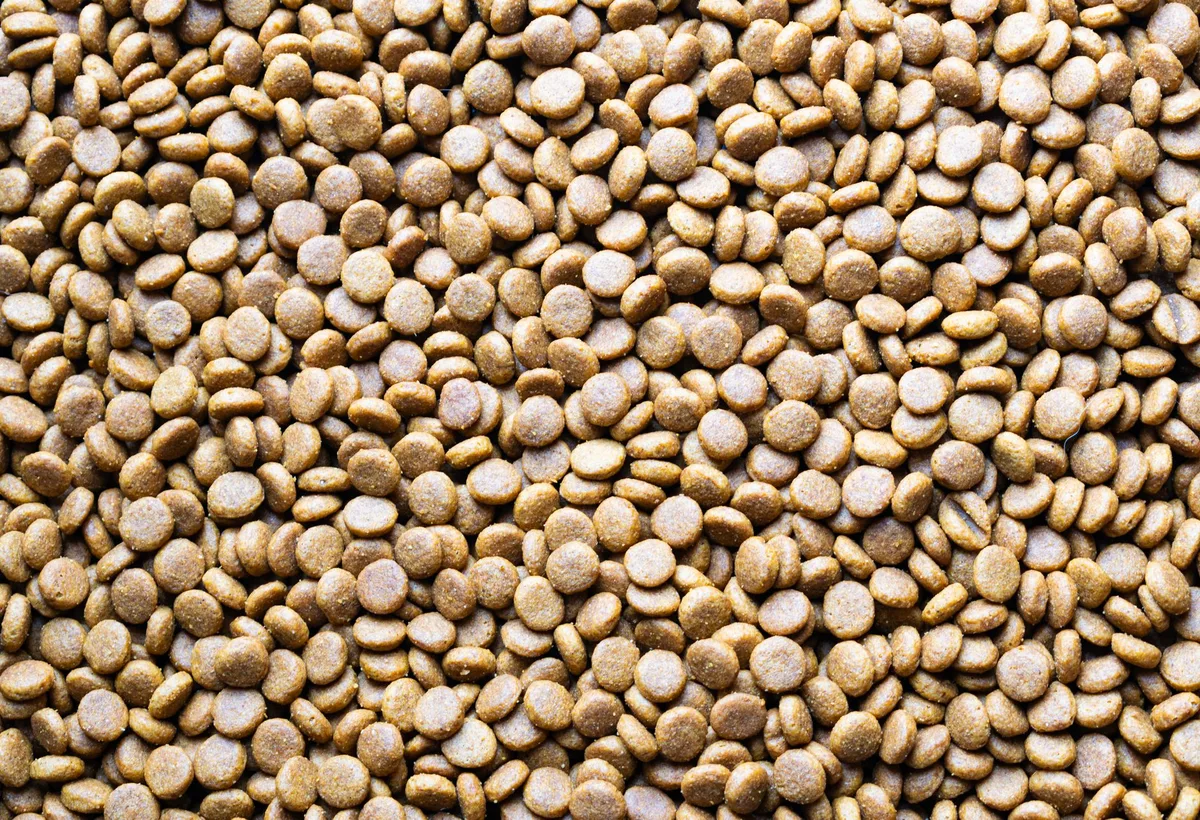
Image source: Pexels / German Suarez (Pexels License)
Activated carbon filters work through a physical-chemical process. The carbon is treated to become extremely porous. Those millions of microscopic pores create an enormous surface area.
When odor molecules drift through the filter:
- Diffusion, Molecules naturally move toward the carbon surface
- Adsorption, Chemical bonds form between the odor molecules and the carbon
- Retention, The molecules stay trapped inside the pores
Think of it like a parking garage for smells. Each space can hold one molecule. Once all spaces are filled, the filter stops working.
That’s why replacement is necessary.
Types of Carbon Filters
Not all carbon filters are created equal. Here’s what you need to know:
Pleated carbon filters, Thin sheets of carbon-impregnated material. They’re cheap and common in budget purifiers. They work for mild odors but saturate fast.
I don’t recommend these for serious odor problems.
Granular activated carbon (GAC), Loose carbon pellets in a mesh container. Better than pleated because there’s more carbon mass. Good for moderate odors but can have channeling issues where air flows around the pellets.
Extruded carbon filters, Carbon pellets bonded together into a rigid block. These offer the best performance. Air must pass through the carbon, and there’s no channeling.
These handle heavy odors and last longer.
Impregnated carbon, Standard carbon treated with chemicals to target specific gases. For example, some add potassium permanganate to help remove formaldehyde. These are specialized and not necessary for general odor removal.
The rule of thumb: More carbon equals better odor removal. A 5-pound carbon filter will outperform a 1-pound filter dramatically. Check the weight before you buy.
What Is CADR and Why Does It Matter for Odors?
CADR stands for Clean Air Delivery Rate. It measures how quickly an air purifier can clean a room.

Image source: Pexels / RDNE Stock project (Pexels License)
For odors, you specifically want to look at the smoke CADR rating. This is the most relevant because smoke particles are closest in behavior to odor molecules.
How CADR Works
CADR is measured in cubic feet per minute (CFM). A smoke CADR of 200 means the unit removes smoke particles from 200 cubic feet of air per minute.
For odor removal, here’s what matters:
- Higher CADR = faster odor clearance
- Match CADR to room size, Divide room square footage by 1.55 (assuming 8-foot ceilings)
- Don’t undersize, A unit too small for your room will struggle with odors
Real-world example
A 300-square-foot living room needs a CADR around 200. A unit with smoke CADR of 150 will take longer to clear cooking smells. One with CADR 250 will handle them much faster.
Important note: CADR tests particles, not gases. There’s no standardized test for odor removal. So CADR is a proxy, not a perfect measure.
But it’s the best we’ve got.
Can an Air Purifier Remove Odors From Every Room?
Short answer: no. Air purifiers have limits.
What They Can Do
- Remove airborne odors quickly in a single room
- Reduce lingering smells from cooking, pets, and smoke
- Lower VOC concentrations from chemicals and off-gassing
- Maintain fresh air in a closed space
What They Cannot Do
- Remove odors embedded in carpets, furniture, or drywall
- Fix smells from mold growing inside walls
- Eliminate odors from a source you haven’t addressed
- Clean the entire house from one corner unit
Air purifiers clean the air that passes through them. They don’t scrub walls or fabrics. If your couch smells like your dog, the purifier helps the air smell better, but your couch will still need cleaning.
Room-by-Room Effectiveness
Bedroom, Excellent. Close the door, run the purifier, and enjoy fresh air while you sleep. Odors from pets, bodies, or musty sheets disappear overnight.
Kitchen, Good, with caveats. Place the unit away from the stove to avoid grease buildup on the pre-filter. Run it on high during and after cooking.
Basement, Good for airborne mustiness. But you must address humidity first. A dehumidifier plus an air purifier is the winning combination.
Bathroom, Decent for minor odors. But bathrooms are small and already have ventilation fans. The purifier helps with lingering smells after the fan runs.
Open-concept spaces, Difficult. One unit struggles to handle 500+ square feet. You might need two units or a larger commercial-grade model.
How Long Does It Take an Air Purifier to Remove Odors?
This depends on several factors, but I can give you realistic timelines.
Factors That Affect Speed
- Room size, Larger rooms take longer
- Odor intensity, A burnt steak smell clears faster than cigarette smoke soaked into walls
- Airflow settings, High fan speed works faster but is louder
- Filter quality, Thicker carbon captures more per pass
- Ventilation, Open windows dilute odors but also bring in fresh smells
Typical Timelines
| Scenario | Time to Noticeable Improvement | Time to Complete Removal |
|---|---|---|
| Mild cooking smell, 200 sq ft | 15-20 minutes | 45-60 minutes |
| Strong pet odor, 300 sq ft | 25-40 minutes | 1-2 hours |
| Cigarette smoke, 250 sq ft | 30-45 minutes (with strong filter) | 2-4 hours |
| Musty basement, 400 sq ft | 1-2 hours | Continuous maintenance |
| Fresh paint/VOCs, 300 sq ft | 45-60 minutes | 2-3 hours |
These are averages. Your results will vary based on your specific setup.
Pro Tip: Run It Before the Smell Happens
If you know you’re going to fry fish or smoke meat, turn the purifier on high 15 minutes beforehand. This creates negative pressure and cycles the room air through the filter before the odor peaks. I do this every time I cook salmon, and the smell barely registers.
What Features Make an Air Purifier Good for Odors?
Not all features matter equally. Here’s what I’ve found actually makes a difference.
Must-Have Features
Thick activated carbon filter, At least 1-2 pounds of granular carbon. Pleated carbon sheets are weak. Look for “granular activated carbon” or “extruded carbon block.”
High smoke CADR, Above 200 for medium rooms. Above 300 for large rooms.
Sealed system design, Some purifiers leak unfiltered air through seams. Look for “sealed” or “gasketed” construction.
Auto mode with VOC sensor, Units that detect gas levels and ramp up speed automatically. This catches odors before you notice them.
Nice-to-Have Features
Pre-filter, Captures dust and hair before it reaches the carbon. Extends filter life significantly.
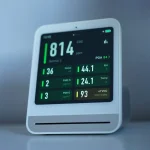
Air quality display, Shows real-time VOC levels. Useful for tracking improvement.
Timer and scheduling, Set it to run during cooking hours automatically.
WiFi/app control, Turn it on from the kitchen when you start cooking.
Features That Don’t Matter for Odors
Ionizers, They charge particles but don’t remove gases. Some even produce ozone. Skip these for odor control.
UV lights, Kill bacteria and viruses but do nothing for smells.
Essential oil diffusers, These mask odors. They don’t remove them. If you want fresh air, get a purifier, not a fragrance dispenser.
Common Mistakes When Using Air Purifiers for Odors
I see these mistakes constantly. Avoid them, and your purifier will perform much better.
Mistake 1: Placing the Unit in a Corner
Air purifiers need airflow from all sides. Corner placement restricts intake. Leave at least 12-18 inches of clearance on all sides.
Mistake 2: Buying a Unit Too Small for the Room
This is the most common error. People buy a bedroom-sized purifier for their living room and wonder why odors linger. Always check the recommended room size and buy for the largest space you’ll use it in.
Mistake 3: Not Replacing Carbon Filters
Carbon filters saturate. Once they’re full, odors blow right through. Worse, older carbon can release trapped odors back into the air.
Replace carbon filters every 3-6 months for moderate use, or 1-3 months for heavy odor environments.
Mistake 4: Relying Solely on the Purifier
An air purifier is a tool, not a miracle worker. If you’re smoking indoors, your air purifier can’t keep up. If mold is growing in your walls, the purifier won’t fix it.
Address the source first, then use the purifier for maintenance.
Mistake 5: Running on Low Speed Constantly
Low speed is great for sleep but terrible for odor removal. Run the unit on high or auto during peak odor periods. Knock the smell down fast, then drop to lower speeds for maintenance.
Do Air Purifiers Remove Odors From Carpets and Furniture?
No, they don’t. This is a critical distinction.
Air purifiers remove airborne odors. They cannot extract smells trapped in fibers, foam, or fabrics. If your carpet smells like pet urine, your air purifier will make the room smell better as air circulates, but the carpet will still smell when you get close.
Here’s what actually removes deep-set odors from surfaces:
- Enzymatic cleaners for pet stains
- Steam cleaning for carpets and upholstery
- Ozone treatment (professional only, ozone is dangerous to breathe)
- Activated charcoal bags placed in drawers or closets
- Baking soda on carpets (let it sit, then vacuum)
The air purifier helps by preventing odors from spreading to other rooms, but it won’t cure the source.
Can Air Purifiers Remove Odors From Smoke Damage?
This one deserves special attention because smoke is stubborn.
For fresh smoke (cigarette, vape, wildfire), a good air purifier with HEPA and thick carbon makes a real difference. The HEPA catches smoke particles, and the carbon adsorbs the smelly gases.
For old smoke damage (cigarette smoke soaked into walls for years), the air purifier helps but won’t solve it. The smoke is in the paint, drywall, and insulation. You’d need professional remediation, possibly repainting with sealant primer or replacing affected materials.
Wildfire smoke is a different beast. Fine particles stay airborne for days. A high-quality purifier with HEPA and carbon is essential.
Keep windows closed and run the unit continuously during smoke events.
How to Choose the Right Air Purifier for Odor Removal
Here’s my straightforward buying guide based on years of testing.
Step 1: Determine Your Room Size
Measure the square footage of the room you want to treat. Multiply by 1.55 if you have 8-foot ceilings. This gives you the ideal CADR number.
Step 2: Check the Carbon Filter Weight
Look at the manufacturer specs. If they don’t list the carbon weight, that’s usually a bad sign. Aim for:
- Small rooms (under 200 sq ft): 1-2 pounds carbon
- Medium rooms (200-400 sq ft): 2-4 pounds carbon
- Large rooms (400+ sq ft): 4+ pounds carbon
Step 3: Verify the Smoke CADR
Find the AHAM-certified CADR ratings. Focus on smoke CADR. If it’s below 100, the unit is weak for odors.
If it’s above 250, you’re in good shape.
Step 4: Check Replacement Filter Costs
A cheap purifier with expensive filters will cost you more in the long run. Calculate the annual cost: price per filter × number of replacements per year (typically 2-4).
Step 5: Read Reviews Specifically About Odors
Look for reviews that mention “cooking smells,” “pet odors,” or “smoke.” A purifier that excels at dust removal might fail at odor control. The reviews tell the real story.
How Often Should You Replace Filters for Odor Control?
This depends on your usage, but here are general guidelines.
Carbon Filter Replacement
- Light use (occasional cooking, no pets): Every 6-8 months
- Moderate use (daily cooking, one pet): Every 4-6 months
- Heavy use (smoking, multiple pets, frequent cooking): Every 2-4 months
Signs your carbon filter needs replacement:
- Odors no longer clear as quickly
- You smell a musty or chemical smell from the purifier itself
- The filter looks clogged or discolored
- It’s been over 6 months since the last change
HEPA Filter Replacement
HEPA filters typically last 12-18 months. But in high-odor environments with lots of smoke or pet dander, they might need replacement sooner. Follow your manufacturer’s guidelines.
Pre-Filter Cleaning
Many units have washable pre-filters. Clean these every 2-4 weeks. A clean pre-filter improves airflow and extends the life of your carbon and HEPA filters.
Cost Considerations for Odor Removal
Let’s talk money because ongoing costs matter.
Upfront Costs
| Quality Level | Price Range | What You Get |
|---|---|---|
| Budget | $50-150 | Thin carbon, basic HEPA, small room only |
| Mid-range | $150-400 | Good carbon weight, decent CADR, medium rooms |
| Premium | $400-900 | Thick carbon, high CADR, large rooms, sensors |
| Commercial | $900+ | Heavy-duty carbon, industrial airflow |
Ongoing Costs
- Filter replacements: $30-150 per set
- Annual filter cost: $60-300 (2-4 replacements per year)
- Electricity: $20-80 per year (continuous use)
Realistic annual budget for solid odor control: $150-300 on filters plus electricity. That’s the real cost of fresh air.
The Bottom Line: Can Air Purifiers Remove Odors?
Yes, absolutely, but only the right ones.
Get this right:
- Choose a unit with thick activated carbon
- Match it to your room size
- Place it properly
- Replace filters on schedule
- Address the source of persistent odors
Skip these:
- HEPA-only purifiers for odor removal
- Budget units with wafer-thin carbon
- Units without CADR ratings
- Expecting one purifier to clean your whole house
Final Recommendations
If you’re serious about odor removal, here’s my straightforward advice:
For cooking odors: Get a mid-range unit with at least 2 pounds of carbon and smoke CADR above 200. Place it near the kitchen entrance.
For pet odors: Combine a purifier with thick carbon plus regular cleaning of pet areas. The purifier handles airborne smells; cleaning handles surface smells.
For smoke: Go premium. You need heavy carbon (4+ pounds) and high CADR. This is not an area to cut corners.
For general freshness: A mid-range unit with auto mode and VOC sensor works perfectly. Set it and forget it.
One last piece of advice: Don’t buy an air purifier based on brand alone. Check the carbon weight, CADR, and filter costs. Those three numbers tell you everything you need to know about odor removal capability.
Air purifiers can remove odors. They work well when you choose the right one and use it correctly. Now you know exactly what to look for.
Go find the unit that matches your needs, and start breathing fresher air.


Similar Posts