How Long Should Dehumidifier Run
How Long Should a Dehumidifier Run?
You bought a dehumidifier to tame damp air, but the unit seems to hum forever. The short answer: run it until the indoor relative humidity (RH) settles between 30 % and 50 %. Most homes hit that range in 8, 12 hours a day, but the exact time depends on climate, room size, unit capacity, and how wet the space actually is.
Below you’ll find the practical rules, the science behind them, and the tweaks that keep energy bills low without sacrificing comfort.
Why Run Time Matters
Running a dehumidifier too little leaves moisture that fuels mold, dust mites, and musty odors. Running it too long wastes electricity and can over‑dry the air, causing static shocks and irritated sinuses. The sweet spot balances health, preservation of wood and electronics, and cost.
The U.S. EPA notes that maintaining indoor RH below 60 % cuts mold growth risk dramatically [EPA indoor air quality].
Ideal Indoor Humidity Levels
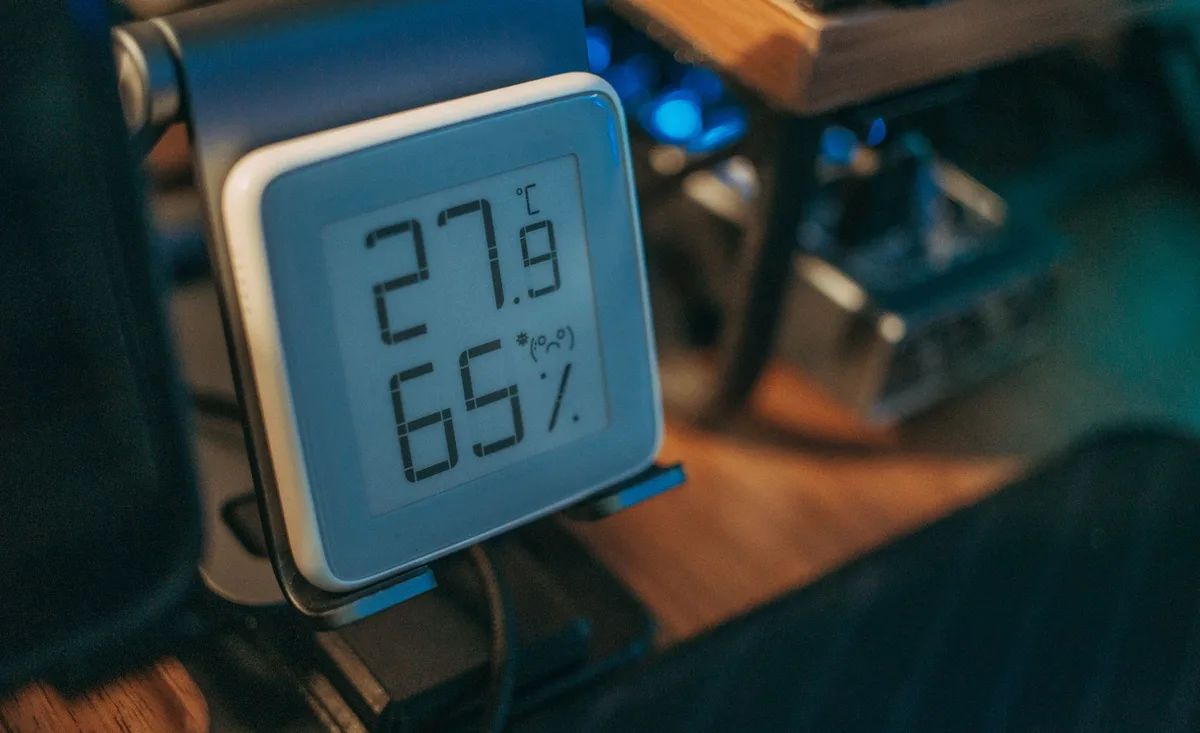
Target RH varies by season. In winter, 30‑40 % prevents condensation on windows. In summer, 40‑50 % feels comfortable and keeps allergens in check.
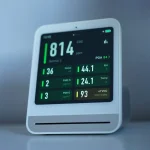
A hygrometer, cheap, battery‑powered, and accurate to ±2 %, tells you exactly where you stand. Place it at breathing height, away from direct airflow, and read it after the dehumidifier has cycled for at least an hour.
Factors Influencing Run Time
| Factor | Effect on Run Time |
|---|---|
| Outdoor humidity | High outdoor RH forces the unit to work longer. |
| Temperature | Cooler air holds less moisture; the compressor cycles less often. |
| Room volume | Larger spaces need more air changes per hour. |
| Source of moisture | Cooking, showers, leaky basements add continuous load. |
| Unit capacity (pints/day) | Oversized units finish faster but may short‑cycle. |
| Airflow & placement | Blocked intake/exhaust extends cycles. |
Each factor can add or subtract 1‑3 hours from a baseline 10‑hour day.
Dehumidifier Capacity and Room Size

Capacity is rated in pints removed per 24 hours at 80 °F/60 % RH (AHAM test). Match capacity to square footage and dampness level:
| Area (sq ft) | Light damp (50‑60 % RH) | Moderate damp (60‑70 % RH) | Heavy damp (>70 % RH) |
|---|---|---|---|
| 300‑500 | 20 pint | 30 pint | 40‑50 pint |
| 500‑1,000 | 30 pint | 40‑50 pint | 60‑70 pint |
| 1,000‑1,500 | 40‑50 pint | 60‑70 pint | 70‑90 pint |
An undersized unit runs continuously and never reaches target RH. An oversized unit satisfies the setpoint quickly, then shuts off, short‑cycling wears the compressor and reduces efficiency. Energy Star’s sizing guide recommends choosing the smallest unit that meets the load [Energy Star dehumidifier guide].
Typical Run Time Guidelines
- Basement, 800 sq ft, moderate damp, 30‑pint unit, 10‑12 h/day.
- Whole‑house, 2,000 sq ft, humid climate, 70‑pint unit, 14‑16 h/day (often split into two zones).
- Small bathroom, 100 sq ft, after shower, 20‑pint unit, 1‑2 h on demand.
Set the built‑in humidistat to 45 % RH. The compressor will cycle on/off automatically. If the unit lacks a humidistat, use a plug‑in timer: start with 8 h, check hygrometer, add 1 h increments until RH stabilizes.
Using a Hygrometer for Precision
A digital hygrometer costs $10‑$20. Calibrate it by placing it in a sealed bag with a saturated salt solution (75 % RH) for 24 h; adjust the reading if the device allows. Once calibrated, log RH at the same time each day for a week.
Plot the data, if the curve flattens at your target, the current schedule works. If it drifts upward, extend run time by 30 min and re‑measure.
Energy Efficiency Tips
- Run during off‑peak hours, many utilities charge less at night.
- Seal the space, close windows, weather‑strip doors, fix foundation cracks.
- Clean the filter monthly, a clogged filter forces the fan to draw more power.
- Use continuous drain, eliminates bucket‑full shutdowns that restart the compressor.
- Upgrade to an Energy Star model, they use 15‑30 % less electricity for the same capacity.
Maintenance Impact on Run Time
A dirty coil reduces heat exchange, so the compressor runs longer to pull the same moisture. Vacuum the coil annually, wipe the fan blades, and check the drain hose for algae. Replace the filter per manufacturer schedule (usually every 3‑6 months).
Well‑maintained units can shave 1‑2 hours off daily run time compared with neglected ones.
Common Mistakes to Avoid
- Setting the humidistat too low (e.g., 30 % in summer), the unit never satisfies, runs 24/7.
- Placing the unit in a corner, restricted airflow cuts capacity by up to 25 %.
- Ignoring the bucket, a full bucket triggers a hard stop; the compressor restarts later, adding wear.
- Running in freezing temps, most residential units shut off below 41 °F; use a low‑temp model or a desiccant unit for unheated spaces.
- Buying by price alone, cheap units often lack a humidistat, forcing manual timing.
Quick Reference Cheat Sheet
| Situation | Target RH | Typical Daily Run |
|---|---|---|
| Finished basement, 600 sq ft | 45 % | 9‑11 h |
| Crawl space, vented | 50 % | 12‑14 h (continuous drain) |
| Whole‑house HVAC‑integrated | 40‑45 % | 14‑18 h (split zones) |
| Laundry room, after load | 40 % | 1‑2 h on demand |
FAQ
Q: Can I run a dehumidifier 24/7?
A: Yes, if the humidistat is set correctly and the unit is sized for the load. Continuous operation is normal in very humid climates, but expect higher electric bills.
Q: Does a dehumidifier cool the room?
A: Slightly. The compressor releases heat; net effect is a small temperature rise, not cooling.
Q: How do I know if my unit is undersized?
A: RH never drops below target, compressor runs nonstop, and the bucket fills rapidly.
Q: Should I turn it off when I leave for vacation?
A: If RH stays below 55 % without it, you can. Otherwise set a timer or smart plug to run a few hours daily.
Q: Are desiccant dehumidifiers better for cold rooms?
A: They operate down to 33 °F and don’t rely on condensation, making them ideal for unheated garages or basements.
Keep the hygrometer visible, adjust the schedule seasonally, and maintain the unit. You’ll hit the humidity sweet spot without guessing, and without watching the meter spin all day.


Similar Posts