How To Clean Dehumidifier Reservoir
How to Clean a Dehumidifier Reservoir
A dirty reservoir breeds mold, bacteria, and unpleasant odors. It also reduces the unit’s efficiency, forcing the compressor to work harder and raising your energy bill. Cleaning the tank is a quick job that pays off in healthier air and a longer‑lasting machine.
Why a Clean Reservoir Matters
Standing water is a perfect habitat for microbes. When the dehumidifier pulls moisture from the air, that water sits in the tank until you empty it. If you leave it for days, a slimy biofilm forms.
The next time the unit runs, it can aerosolize those particles, spreading allergens throughout the room. A clean tank also prevents mineral scale from clogging the float sensor, which can cause the unit to shut off prematurely or overflow.
How Often Should You Clean It?
Most manufacturers recommend a weekly rinse if the unit runs daily. In humid climates or during heavy use, aim for every three to four days. If you notice a musty smell, visible slime, or the float sticks, clean it immediately.
A quick visual check each time you empty the tank catches problems early.
Gather Your Cleaning Supplies
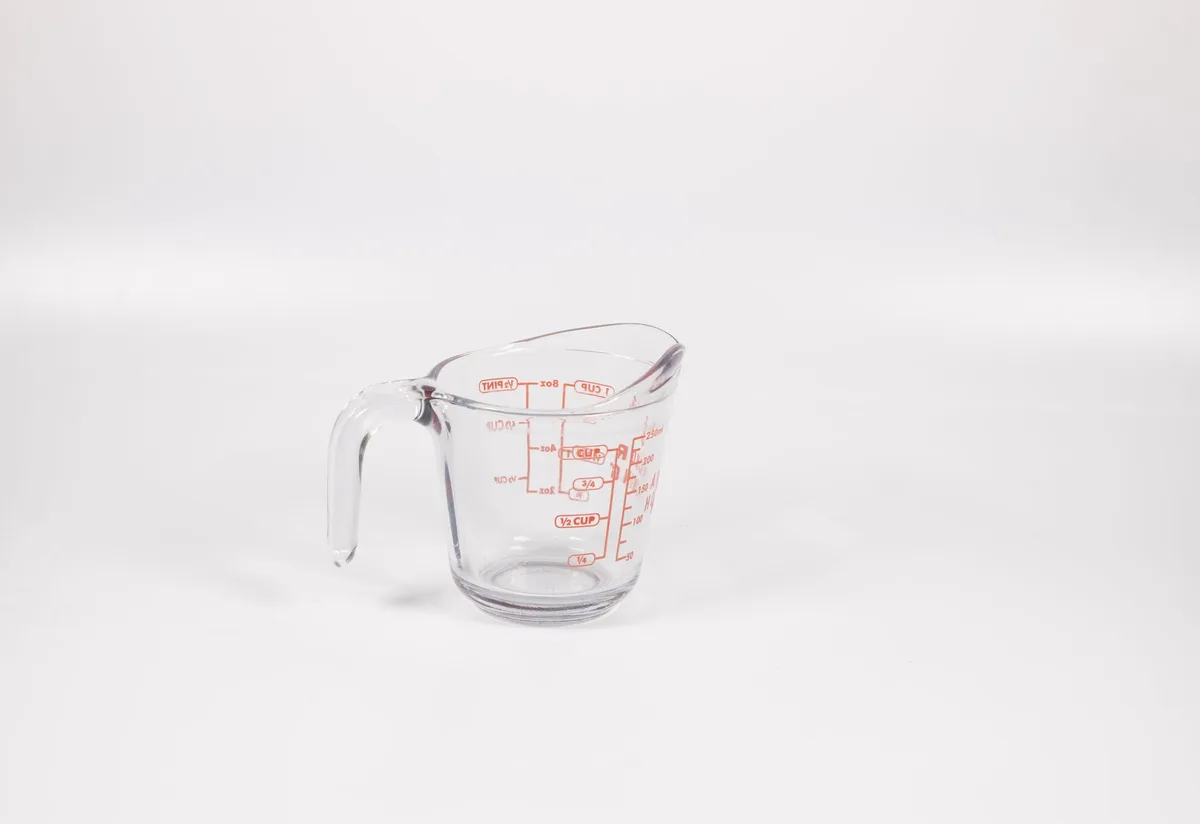
You only need a few household items:
- Warm water
- Mild dish soap
- White vinegar (5 % acetic acid) or unscented bleach
- Soft‑bristle brush or non‑abrasive sponge
- Clean microfiber cloth
- Rubber gloves (optional)
Avoid harsh chemicals like ammonia or abrasive powders. They can damage the plastic and leave residues that re‑enter the air.
Turn Off and Unplug the Unit
Safety first. Press the power button, wait for the fan to stop, then pull the plug. This prevents accidental starts while you’re handling the tank.
Remove the Reservoir
Most models have a latch or handle on the front. Pull it straight out. If the tank feels stuck, check for a release button on the side.
Set the reservoir on a stable surface, preferably a sink or a large basin.
Empty and Rinse the Tank
Pour out any remaining water. Rinse the interior with warm water to flush loose debris. Swirl the water around, then dump it.
Repeat until the runoff runs clear.
Scrub the Reservoir Interior
Add a few drops of dish soap to the tank, fill it halfway with warm water, and let it sit for a minute. Use the soft brush to scrub every corner, the bottom, and the lid gasket. Pay special attention to the float mechanism; buildup there causes false readings.
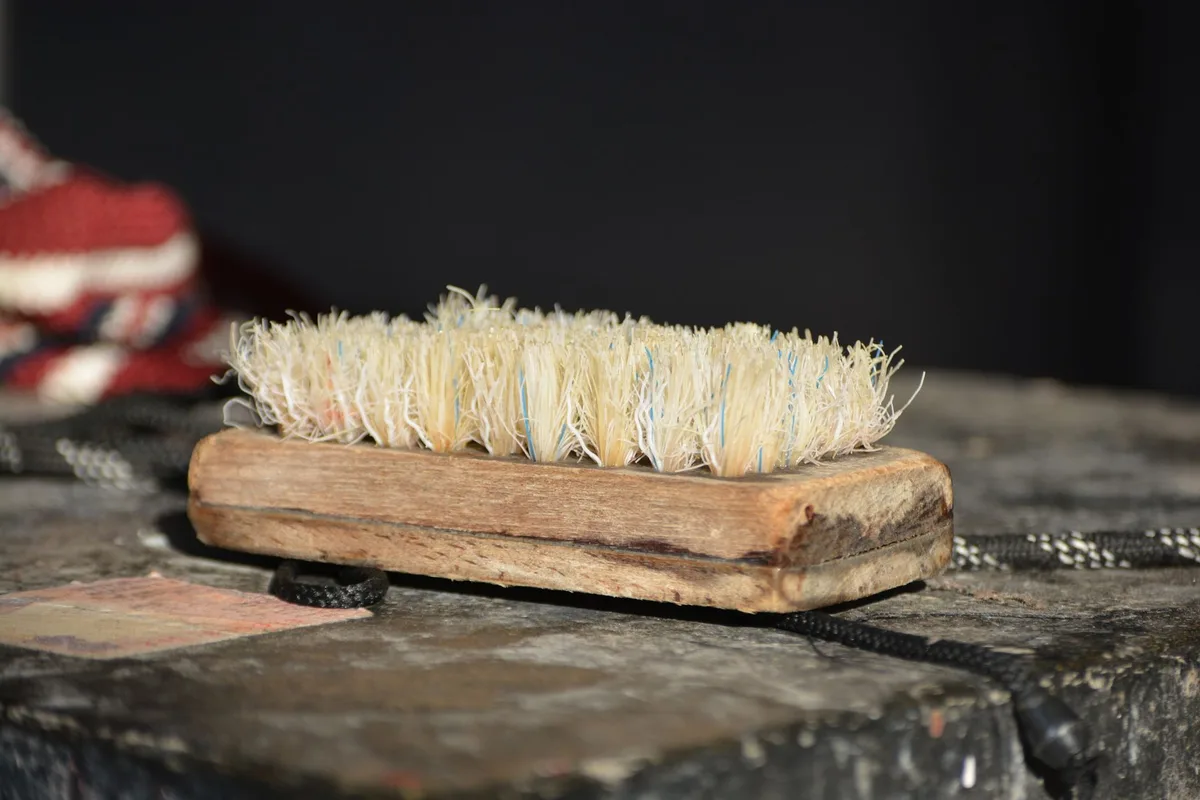
Rinse thoroughly until no suds remain.
Disinfect with Vinegar or Bleach Solution
For a natural option, mix one part white vinegar with one part water. For a stronger kill, use one teaspoon of unscented bleach per gallon of water. Fill the tank with the chosen solution, swirl, and let it sit for 10 minutes.
This step eliminates lingering spores and bacteria. The EPA notes that vinegar at 5 % acetic acid reduces many common household molds [EPA mold guidance].
Rinse Thoroughly and Dry
Empty the disinfectant. Rinse the tank at least three times with clean water. Any residual bleach or vinegar can corrode plastic over time.
Shake out excess water, then wipe the interior and exterior with a microfiber cloth. Let the tank air‑dry completely before reinstalling, moisture left behind restarts the cycle.
Reinstall and Test
Slide the reservoir back into the unit until you hear the click. Plug the dehumidifier in, turn it on, and watch the first few cycles. The float should move freely, and the display should read normal humidity levels.
Prevent Future Buildup
- Empty the tank daily during high‑humidity periods.
- Run the unit on a continuous drain hose if your model supports it; this eliminates standing water altogether.
- Add a few drops of tea‑tree oil to the rinse water once a month, its antimicrobial properties slow biofilm formation.
- Keep the surrounding area dust‑free; airborne particles settle in the tank and feed microbes.
Quick Troubleshooting Tips
| Symptom | Likely Cause | Fix |
|---|---|---|
| Unit shuts off early | Float stuck by scale | Clean float shaft with vinegar soak |
| Musty odor returns fast | Incomplete drying | Ensure tank fully air‑dry before reuse |
| Water leaks from base | Cracked tank or loose seal | Inspect for cracks; replace tank if needed |
| Display shows “Full” but tank empty | Sensor fouling | Wipe sensor contacts with a dry cloth |
FAQ
Can I put the reservoir in the dishwasher?
Only if the manual explicitly says it’s dishwasher‑safe. Most plastic tanks warp under high heat. Hand‑wash is safer.
Is bleach safe for the plastic?
Diluted bleach (1 tsp per gallon) is fine for occasional deep cleaning. Rinse thoroughly to avoid residue.
How do I know if the float sensor works?
After reinstalling, watch the water level rise. The unit should shut off when the tank reaches the “full” line. If it keeps running, clean the sensor again.
What if I see black spots on the tank walls?
Those are mold colonies. Follow the vinegar soak, then scrub with a brush. Repeat weekly until spots disappear.
Do I need to clean the air filter at the same time?
Yes. A clogged filter forces the compressor to run longer, producing more condensate. Clean or replace the filter per the manufacturer’s schedule.
Regular reservoir maintenance keeps your dehumidifier running efficiently and your indoor air healthy. A few minutes each week prevents costly repairs and protects the people breathing that air.


Similar Posts